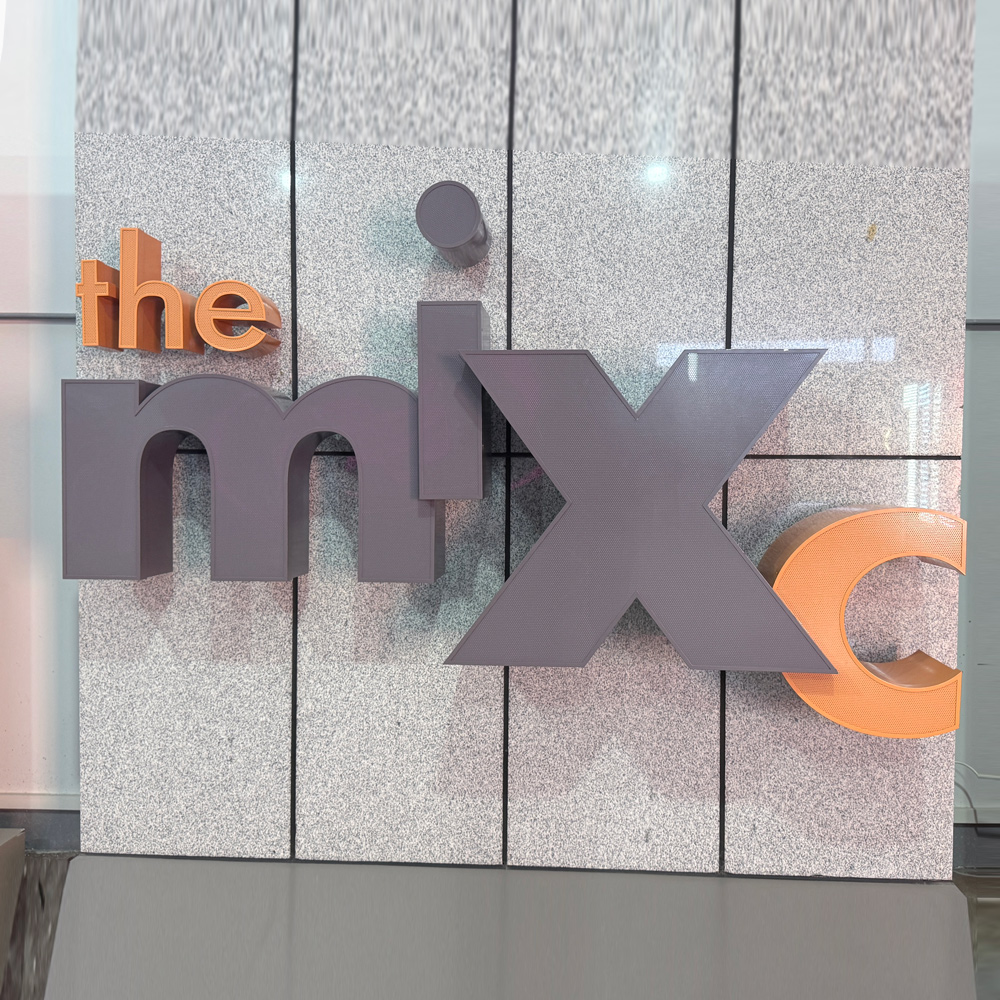
The Mixc Style 3D Punched-Hole LED Channel Letter, High Brightness LED Roof Sign for Shopping Mall & Commercial Complex
The Mixc-style 3D punched-hole LED channel letter, precision stainless steel, high-brightness dot-matrix lighting, waterproof & weatherproof. Top choice for shopping mall & commercial complex landmark signage.
In commercial real estate, shopping malls, and large retail developments, signage plays an important role in brand recognition and architectural identity. A well-designed sign needs to do more than display a company name. It should complement the building's appearance during the day, remain visible at night, and withstand long-term outdoor exposure.
3D punched-hole LED channel letters combine a three-dimensional metal structure with a perforated front panel and integrated LED lighting. This design creates a distinctive dot-matrix illumination effect, making it suitable for commercial complexes, shopping malls, corporate headquarters, and other projects that require prominent architectural signage.
1. What Are 3D Punched-Hole LED Channel Letters?
3D punched-hole LED channel letters are illuminated signs manufactured with a three-dimensional metal shell and a front panel featuring regularly arranged circular perforations. LED modules installed inside the structure emit light through these openings, creating a dotted or matrix-style luminous effect.
Depending on the project requirements, the housing can be fabricated from materials such as 304 stainless steel or aluminum alloy. The choice of material, shell thickness, surface finish, and edge treatment affects the sign's appearance, structural performance, weight, and maintenance requirements.
During daylight, the metal surface gives the letters a refined architectural appearance. At night, the illuminated perforations produce a distinctive lighting pattern that helps the brand stand out against the surrounding building facade.
This combination of metal craftsmanship and LED illumination makes punched-hole channel letters an option for businesses seeking a more distinctive alternative to conventional solid-front illuminated signage.
2. Key Features and Advantages
Distinctive Dot-Matrix Lighting
The defining feature of punched-hole LED channel letters is their perforated front surface. Rather than illuminating a continuous face, the LED light emerges through individual openings to create a structured dot-matrix effect.
The spacing, diameter, arrangement, and density of the holes influence the final appearance. These design variables can be adjusted to complement the brand's visual identity and the scale of the installation.
For shopping malls and commercial developments, this lighting style can help create a recognizable nighttime image while maintaining a clean, modern appearance during the day.
Three-Dimensional Metal Construction
The three-dimensional housing gives each letter depth and a more substantial appearance than a flat sign panel. Precision bending and fabrication help create the required letter shapes, while the front panel and edge details determine the overall finish.
304 stainless steel may be selected for its corrosion resistance and metallic appearance. Aluminum alloy can be considered when weight, fabrication requirements, or structural design are important factors.
The appropriate material should be selected according to the installation environment, required dimensions, finish, structural loads, and maintenance expectations.
Custom Fonts, Sizes, and Colors
Commercial signage often needs to follow strict brand guidelines. Custom 3D punched-hole LED channel letters can be designed around different artistic fonts, logo shapes, dimensions, and color combinations.
Possible customization options include:
-
Brand-specific lettering and logo outlines
-
Large-format letters for building facades and rooftops
-
Stainless steel or aluminum housings
-
Custom edge colors and surface finishes
-
Different perforation patterns and dot spacing
-
LED color and lighting configurations
-
Modular layouts for multi-letter signs
For projects involving complex logos or oversized lettering, the design should consider not only visual accuracy but also fabrication feasibility, structural support, electrical routing, and access for future maintenance.
High Visibility for Large Commercial Spaces
Illuminated channel letters can improve nighttime brand visibility on building facades, shopping mall entrances, and rooftop installations. Their effectiveness depends on factors such as letter size, LED output, perforation layout, viewing distance, ambient lighting, and installation height.
For large-scale projects, a lighting mock-up or prototype can help confirm the appearance before full production begins. Claims about visibility at a particular distance should be validated under representative installation and environmental conditions rather than assumed for every project.
Modular Design for Easier Maintenance
Depending on the design, a modular structure can provide access to LED modules, wiring, and other internal components. This can simplify inspection and replacement when maintenance is required.
A practical maintenance plan should also consider the availability of compatible LED modules and power supplies, the accessibility of the installed sign, and the protection of electrical connections against moisture.
Serviceability is particularly important for large signs installed at height, where maintenance may require specialized access equipment.
3. Where Are Punched-Hole LED Channel Letters Used?
The combination of three-dimensional construction, customized branding, and perforated illumination makes this signage style suitable for a range of commercial and architectural applications.
Shopping Malls and Commercial Complexes
Shopping malls often use large illuminated letters to identify the property, highlight entrances, and reinforce the development's visual identity. Punched-hole LED channel letters can provide a distinctive lighting treatment for storefronts, building facades, and rooftop signs.
For high-end commercial developments, the metal finish and dot-matrix lighting can be coordinated with the building's facade materials and architectural design.
Corporate Headquarters and Office Buildings
Corporate headquarters may require signage that communicates brand identity while complementing a modern architectural environment. Custom lettering can reproduce the company's logo, typography, and approved colors.
For office buildings and industrial parks, the design should also account for daytime readability, nighttime illumination, viewing angles, and the relationship between the sign and the building's exterior.
Commercial Real Estate and Landmark Buildings
Large-format signage is often used to identify mixed-use developments, retail districts, and prominent commercial properties. Three-dimensional illuminated letters can function as part of the overall architectural presentation, especially when installed on a roofline or a major facade.
Because these installations can be exposed to strong winds and changing weather, the supporting structure, mounting method, and electrical protection must be designed for the actual site conditions.
Chain Stores and Street-Level Retail
Retail chains and individual storefronts can use customized channel letters to maintain a consistent brand image across different locations. Standardized designs can be adapted to suit different building dimensions while preserving the core lettering style, colors, and lighting characteristics.
For multi-location projects, consistency in fabrication tolerances, LED color, materials, and installation methods is important for maintaining a unified brand appearance.
Exhibition Centers and Transportation Hubs
Large venues, exhibition centers, and transportation hubs may use illuminated letters for identification, entrances, and prominent wayfinding displays. In these environments, legibility, viewing distance, installation safety, and compliance with local signage regulations should guide the design.
The final specification should reflect the site's operational requirements and applicable building and electrical codes.
4. Important Considerations When Choosing a Custom LED Channel Letter Manufacturer
Selecting a suitable manufacturer involves more than comparing appearance and quoted specifications. Several technical factors can influence the quality and long-term performance of the finished sign.
Material selection: Confirm whether the housing uses 304 stainless steel, aluminum alloy, or another specified material. The finish and corrosion resistance should suit the installation environment.
Fabrication accuracy: Letter dimensions, bending quality, perforation alignment, and edge finishing all contribute to the final appearance. Complex fonts and large letters may require additional design and fabrication planning.
LED configuration: Ask about LED module specifications, color consistency, brightness, power consumption, and the availability of replacement components.
Weather protection: For outdoor installations, review the sealing design, drainage provisions, cable entries, and the protection ratings of the relevant electrical components. Waterproof performance should be supported by appropriate documentation or testing.
Structural safety: Rooftop and large-facade signs require an engineered mounting system suitable for the building structure, sign weight, wind loads, and local regulations.
Installation and maintenance: Consider lifting requirements, electrical access, modular construction, replacement procedures, and the long-term availability of service components.
A reliable supplier should be able to discuss these factors during the design stage and provide relevant drawings, material information, electrical specifications, and installation guidance.
5. Balancing Design, Durability, and Operating Requirements
A successful illuminated sign balances visual impact with practical engineering. Increasing letter size or changing the perforation pattern can alter the lighting effect, while material selection influences weight, fabrication, and environmental durability.
LED performance also depends on thermal management, power supply quality, installation conditions, and operating hours. For outdoor projects, the sign's electrical system and mounting structure should be designed for the intended environment rather than relying solely on general claims of weather resistance.
For large commercial projects, a coordinated process involving the designer, signage manufacturer, electrical contractor, and installation team can help reduce inconsistencies between the approved design and the completed installation.
Conclusion
3D punched-hole LED channel letters offer a distinctive signage solution for shopping malls, commercial complexes, corporate headquarters, retail stores, and landmark buildings. Their three-dimensional metal construction, customized perforated faces, and integrated LED lighting create a recognizable dot-matrix effect that can strengthen brand presentation in both daytime and nighttime settings.
When evaluating a custom signage project, buyers should consider material quality, fabrication accuracy, LED performance, weather protection, structural safety, and maintenance access. By combining careful design with appropriate engineering and manufacturing controls, businesses can develop illuminated signage that aligns with their brand identity and the practical requirements of the installation site.
Related products
-
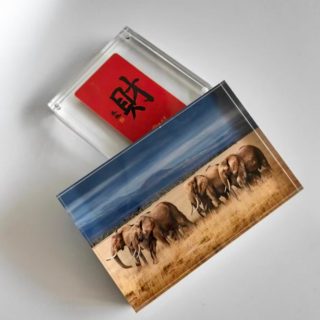
INS Trendy Art Magnetic Acrylic Frame, Minimalist Aesthetic Desk Decor, Custom A4 Clear Standee for Retail Promotion & Art Display
Contact UsTrending minimalist INS art acrylic decor with floating transparenttexture. Featured with magnetic quick picture replacement. Mini size forhome aesthetic decoration, custom A4 size ideal for cafe, retail and
exhibition promotion.

Reviews
There are no reviews yet.