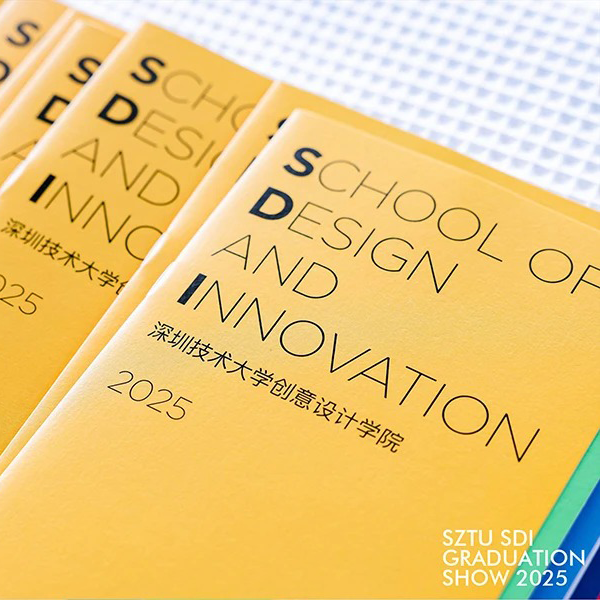
Custom Event & Exhibition Brochure
Custom brochure/booklet with high-quality printing and various binding options, premium texture and clear information. Perfect for exhibitions and brand promotion.
For exhibitions, corporate events, university showcases, conferences, and brand activities, printed materials remain an effective way to present information in a professional and organized format. A well-designed brochure or booklet can combine visual communication with detailed content, allowing visitors, customers, partners, students, and other audiences to take useful information with them.
Custom brochures are particularly suitable for situations where brand image and information presentation need to work together. By selecting the right paper, printing technology, binding method, size, and finishing process, businesses and organizations can create printed materials that match the purpose and visual identity of a specific event.
Professional Printing for Clear Brand Communication
A custom brochure is more than a collection of printed pages. It is part of an organization's overall communication system.
High-definition offset and digital printing technologies can reproduce images, graphics, text, and brand colors with good consistency and detail. Offset printing is suitable for larger production volumes where consistent color output is important, while digital printing provides flexibility for customized or relatively short production runs.
For exhibitions and corporate events, accurate color reproduction can be especially important. Product images, logos, charts, architectural drawings, artwork, and promotional graphics need to maintain their intended appearance across the printed pages.
The choice between offset and digital printing should therefore consider factors such as quantity, artwork requirements, production schedule, and customization needs.
Paper Selection Affects the Final Presentation
The paper used for a brochure has a direct influence on its appearance, weight, texture, and handling experience.
Coated paper is commonly selected when clear images, sharp graphics, and smooth color reproduction are required. Specialty papers can provide a different tactile effect and may be more suitable for premium corporate publications, commemorative books, artistic projects, or themed events.
Paper selection should be considered together with the design and intended application. For example, a university graduation exhibition may require a different visual style from a corporate product launch or an anniversary publication.
By combining different paper options with appropriate printing and finishing processes, organizations can create printed materials that better reflect their brand positioning and event theme.
Choosing the Right Binding Method
The binding method should match the page count, intended service life, and overall positioning of the publication.
Saddle Stitching
Saddle stitching is a practical option for relatively thin brochures and booklets. The pages are folded and secured through the center, creating a lightweight publication that is easy to distribute at exhibitions, conferences, and promotional events.
It works well when the content is concise and portability is important.
Perfect Binding
Perfect binding creates a clean, book-like appearance and is suitable for brochures and publications with a larger number of pages. The adhesive binding process provides a relatively flat spine that can also accommodate printed information.
This method is commonly considered for corporate manuals, product catalogs, project introductions, and other publications requiring a more formal appearance.
Smyth-Sewn Hardcover Binding
For premium commemorative editions, anniversary books, or publications intended for long-term preservation, Smyth-sewn hardcover binding provides a more substantial format.
Sewn sections help improve page durability, while the hardcover construction creates a stronger and more formal presentation. It can be combined with premium finishing options when the publication is intended to serve as a keepsake or commemorative item.
Finishing Processes Add Visual and Tactile Value
Printing establishes the basic visual quality, while finishing processes can further define the appearance of a brochure.
Common options include:
-
Lamination for additional surface protection and a different surface feel
-
UV finishing for selected areas that require visual emphasis
-
Foil stamping for logos, titles, or decorative elements
-
Specialty paper and surface treatments for distinctive tactile effects
These processes can be used individually or combined depending on the design. The objective should not simply be to add more finishing processes, but to select processes that support the publication's visual hierarchy and intended use.
For example, foil stamping may be appropriate for a premium corporate anniversary booklet, while a simpler laminated finish may be more practical for brochures distributed in large quantities at an exhibition.
Custom Sizes and Page Counts for Different Projects
Not every event requires the same brochure format.
A compact booklet may be convenient for visitors who need to carry materials around an exhibition hall. A larger-format publication may be more suitable for artwork, architectural presentations, product photography, or detailed project information.
Page count is another important consideration. A short event brochure can focus on key information, while a corporate manual or commemorative book may require more pages to accommodate detailed content.
Custom sizing and page-count options allow the printed publication to be designed around the content rather than forcing the content into a fixed format.
Maintaining Consistency in Bulk Production
For exhibitions, conferences, university events, and corporate campaigns, brochures are often produced in relatively large quantities. Consistency becomes particularly important when hundreds or thousands of copies are distributed.
Color variation, inconsistent finishing, incorrect page sequences, or differences in binding can affect the overall presentation of a brand.
A professional custom printing process should therefore include appropriate prepress preparation, production control, color management, finishing inspection, and final quality checks.
When the same brochure is used across multiple exhibition locations or event sessions, consistent specifications also help maintain a unified brand image.
Applications Across Different Industries and Events
Custom brochures and booklets can be adapted to a wide range of applications.
University and Academic Events
Graduation exhibitions, art festivals, academic presentations, research showcases, and campus events can use brochures to introduce participants, projects, artwork, schedules, and institutional information.
Corporate Exhibitions and Product Launches
Companies can use printed brochures as product introductions, corporate profiles, service manuals, investment materials, or supporting documents for product launches and trade shows.
Brand Anniversaries and Commemorative Events
Premium hardcover publications can document company milestones, important projects, organizational development, or member activities, turning printed materials into long-term commemorative items.
Cultural Tourism and Public Projects
Brochures can present destinations, cultural programs, public initiatives, tourism projects, and community activities in a structured and accessible format.
Conferences and Training Programs
Conference agendas, training manuals, educational materials, and corporate publications can also be produced in customized booklet formats according to the required page count and content structure.
What Should Buyers Consider Before Ordering?
When selecting a custom brochure printing solution, buyers should evaluate several factors rather than focusing only on appearance.
First, determine the expected quantity and production schedule. This helps identify whether offset or digital printing is more appropriate.
Next, consider the paper type, finished size, page count, and binding method. These elements should be selected according to the publication's purpose and expected handling conditions.
Finishing requirements should also be defined in advance. If the design includes foil stamping, UV finishing, or lamination, the artwork should be prepared accordingly to avoid production problems.
Finally, bulk orders should include quality-control requirements for color consistency, page sequence, binding strength, trimming, and finishing quality.
Conclusion
Custom brochures and booklets provide a practical way to combine brand presentation with information transmission at exhibitions, events, universities, and enterprises. High-quality printing, suitable paper selection, professional binding, customized dimensions, and appropriate finishing processes allow each publication to be adapted to its specific purpose.
Whether the requirement is a lightweight saddle-stitched event booklet, a professionally bound corporate brochure, or a premium Smyth-sewn hardcover commemorative book, a well-planned printing solution can help organizations present their information in a more consistent and professional format.
For bulk projects, the key is to coordinate design, materials, printing, binding, and finishing from the beginning. This approach helps ensure that the final brochure not only looks consistent with the brand but also performs effectively in its intended exhibition, event, academic, or corporate environment.
Related products
-
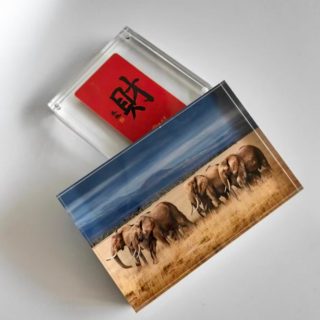
INS Trendy Art Magnetic Acrylic Frame, Minimalist Aesthetic Desk Decor, Custom A4 Clear Standee for Retail Promotion & Art Display
Contact UsTrending minimalist INS art acrylic decor with floating transparenttexture. Featured with magnetic quick picture replacement. Mini size forhome aesthetic decoration, custom A4 size ideal for cafe, retail and
exhibition promotion.


Reviews
There are no reviews yet.