Wholesale Aramid Needle Felt: A 2026 Filtration Guide
Wholesale Aramid Needle Felt: A 2026 Filtration Guide
Understanding Wholesale Aramid Needle Felt Demand
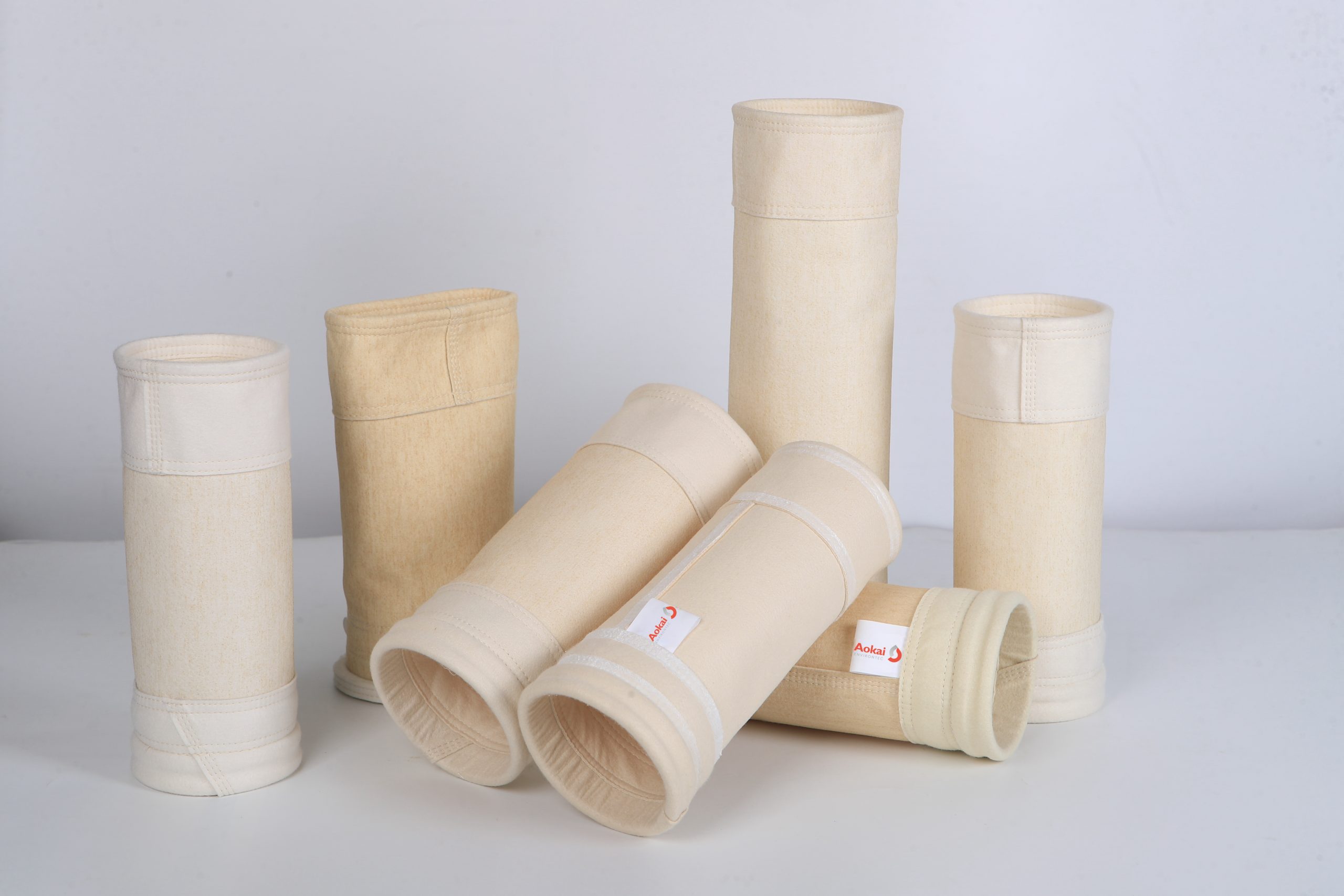
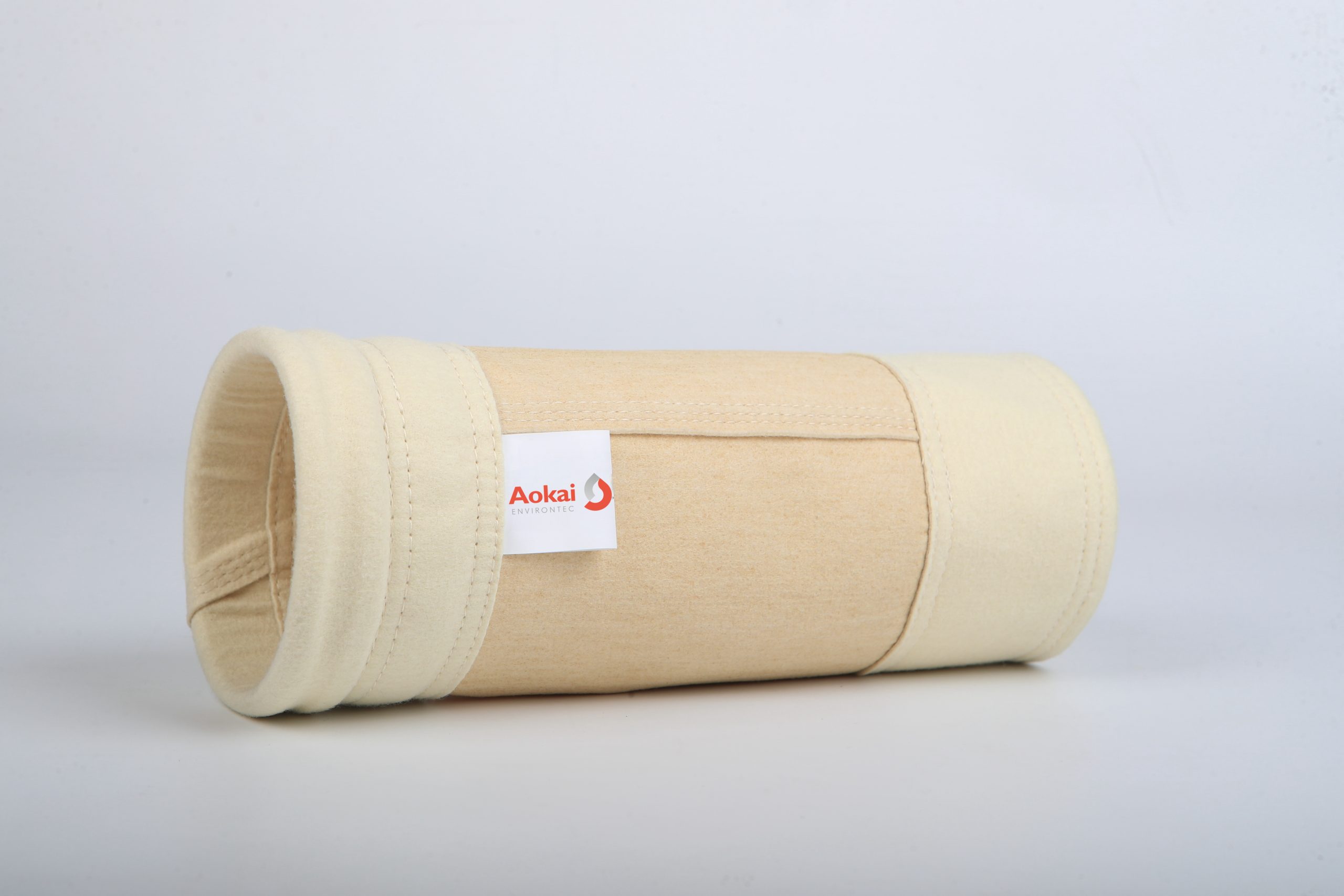
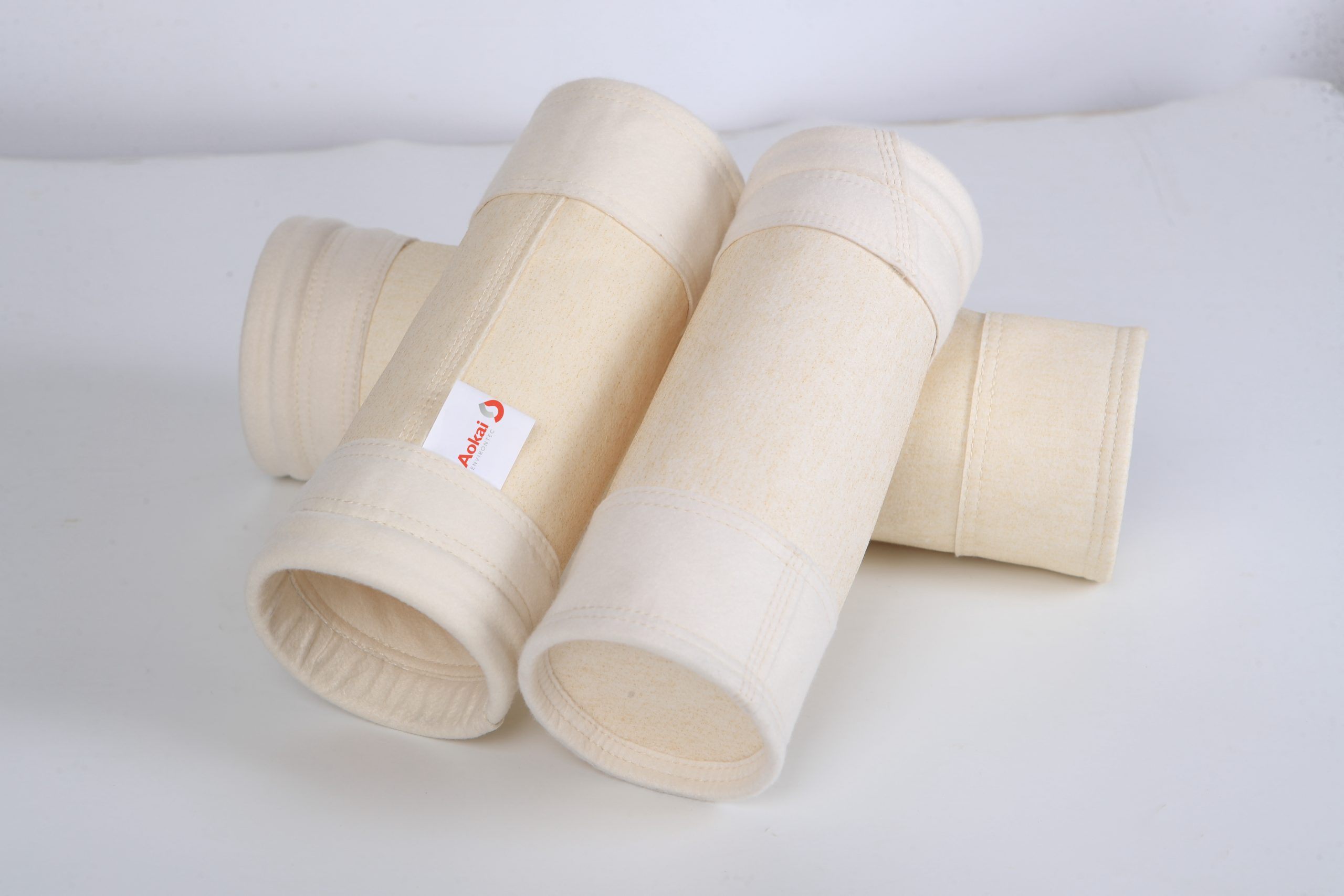
Industrial dust collection operators searching for wholesale aramid needle felt are typically wrestling with a common set of challenges: high-temperature flue gas, abrasive dust, corrosive chemical exposure, and increasingly strict emission limits. Aramid needle felt has become a preferred filter media choice because it offers heat resistance, mechanical strength, and chemical stability in demanding baghouse environments. For buyers evaluating bulk or wholesale supply, the core questions usually center on consistent quality, customization flexibility, delivery reliability, and total cost of ownership over the life of the filter bag.
Jiangsu Aokai Environmental Technology Co., Ltd., operating under the brand Aokai Environtec (Aokai), is a manufacturing enterprise integrating production, R&D, and sales of technical non-woven fabrics for industrial use. Founded in 2004 and headquartered in Jingjiang City, Jiangsu Province, China, Aokai positions itself as a solution provider for flue gas pollutant emission and flue gas dedusting across electric power, steel, cement, metallurgy, chemical, building materials, and road construction machinery industries — sectors where aramid needle felt is widely applied.
Why In-House Manufacturing Matters for Wholesale Buyers
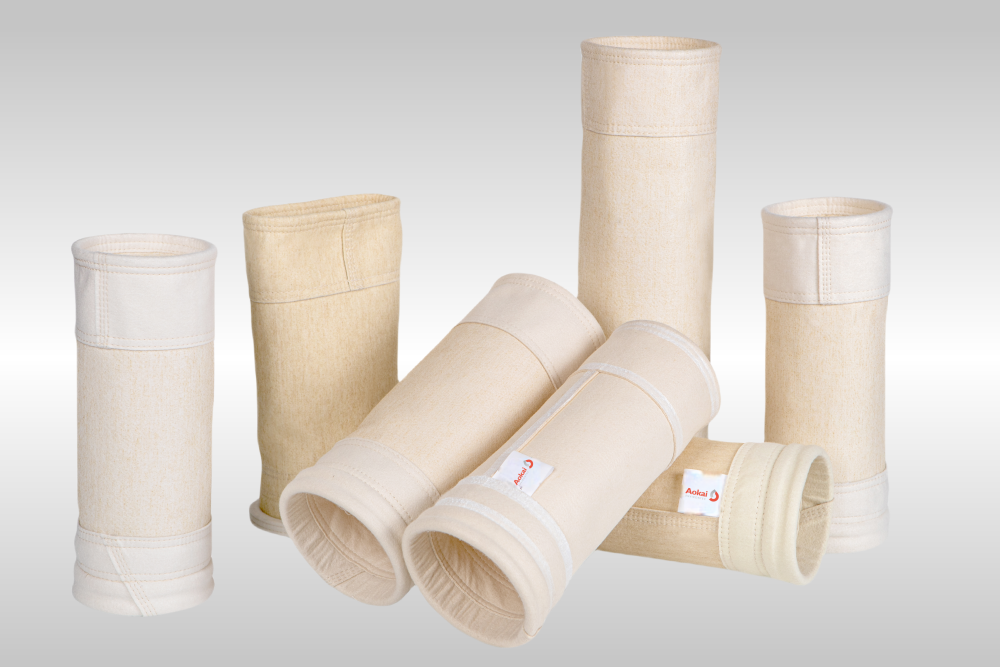
A recurring pain point in the filter media supply chain is inconsistent quality between batches, which can shorten filter bag life and cause unplanned downtime. Aokai addresses this through in-house manufacturing of filter media, filter bags, and filter bag cages, which the company states helps ensure on-time delivery and consistent quality. Its self-designed and self-manufactured needle-punched felt filter materials are used directly in its own filter bag production, giving the company full control over the production chain — from fiber preparation, web formation, and needling, through heat setting, surface finishing, and membrane lamination, to laboratory testing.
This vertical integration is supported by an annual filter media production capacity of 4,000,000 m² (also reported as 8,000,000 m² in later brochure materials), produced on two advanced fully automated needle felt production lines. Equipment partnerships include German Trützschler filter media production lines and 8 German AUTEFA automated processing equipment units, reflecting the company’s investment in production technology.
Aramid Needle Felt Product Range
Within its Aramid Series, Aokai offers several distinct filter bag products built on aramid needle felt technology, each suited to different operating conditions:
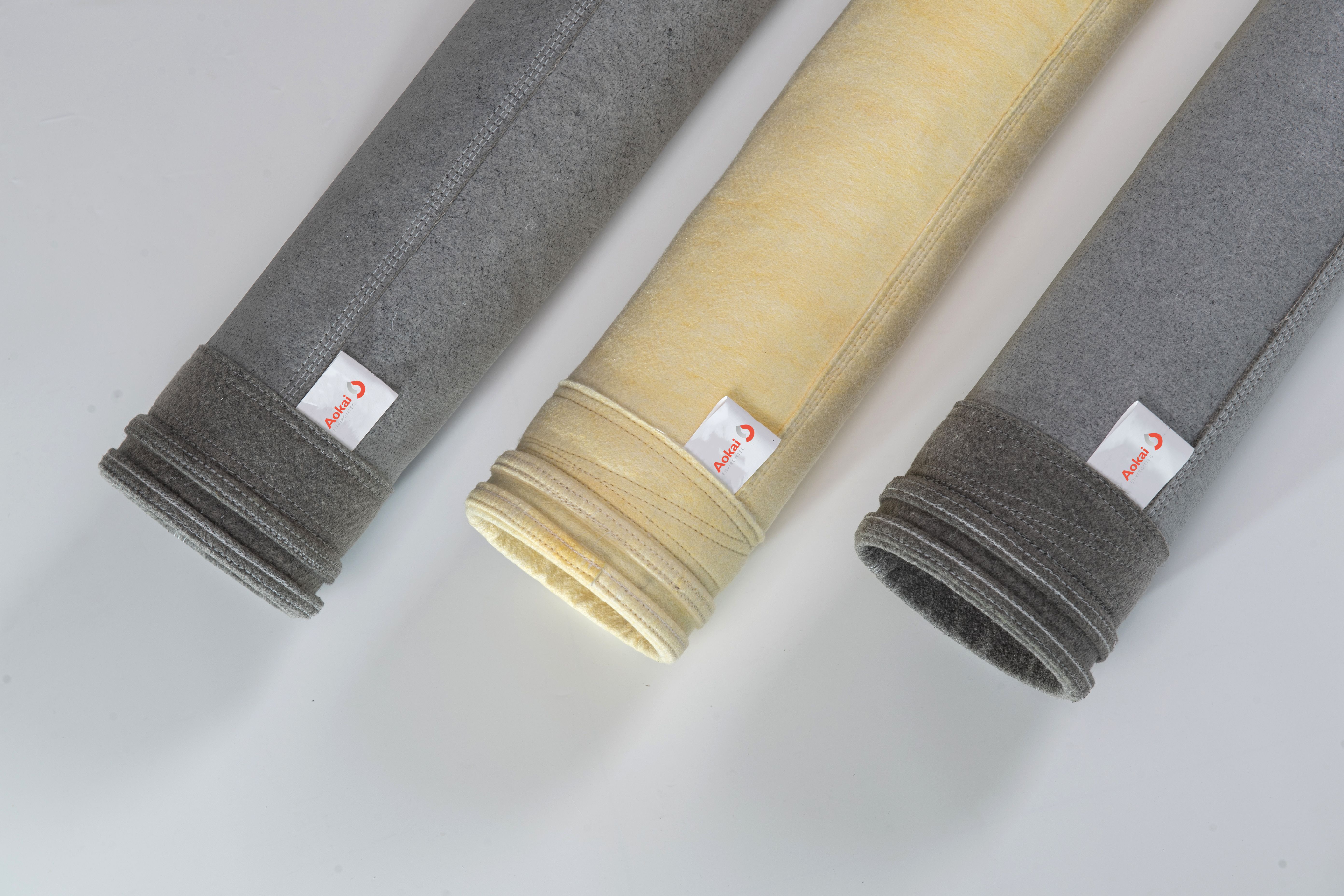
- HPE250N: An ultra-low emission filter bag for asphalt mixing plants under high-temperature conditions, withstanding 204°C continuous and 250°C short-term peak temperatures, engineered for 10 mg/Nm³ ultra-low emissions, and backed by a 2-year / 500,000-ton warranty.
- CONEX145: Made from 100% imported Teijin Conex fiber under sole agency authorization for asphalt plants in China, with the same 204°C/250°C temperature range, designed for 20 mg/Nm³ emissions, and notable for the fact that waste filter bags can be recycled.
- PRO845: A 100% aramid filter bag for high-temperature asphalt mixing plant conditions, also rated for 204°C continuous and 250°C peak temperatures, positioned as a cost-effective, mature application with recyclable waste bags.
- PRO545: Known for good flame retardant performance, rated at 204°C continuous and 240°C peak, with structural optimization and upgrading as a stated feature.
- MAX445 and MAX445N: Built from Max Composite Material, rated at 180°C continuous and 220°C peak, targeting 20 mg/Nm³ ultra-low emissions with tensile strength of ≥900 N/5cm warp and ≥1200 N/5cm weft.
- MAX160: Offers multiple blend ratios for optimal selection according to different working conditions, rated at 160°C continuous and 200°C peak, with low running resistance and energy-saving characteristics.
Each product in this line follows post-treatment processes such as heat setting, singeing, and glazing, and is manufactured as a standard product with custom dimensions available — a relevant point for wholesale buyers who need bags matched to specific baghouse configurations rather than one-size-fits-all solutions.
Documented Field Performance
Rather than relying on general claims, Aokai’s materials reference specific field cases. In one instance, a Shanxi asphalt mixing plant installed HPE250N filter bags in February 2023; after two months and 50,000 tons of material produced, on-site measured dust emission concentration met the customer’s needs, with filter bags in normal service condition. A Jiangxi asphalt mixing plant using MAX445/MAX445N filter bags since July 2019 reported stable emissions and no filter bag damage after output exceeded 250,000 tons. Hangzhou Municipal Engineering Co., Ltd. replaced 850 CONEX145 bags across a whole plant in May 2019, achieving a service life exceeding two years. A Wuxi asphalt mixing plant using MAX160 bags reported a service life exceeding one year across 1,092 replaced bags. These documented outcomes give wholesale buyers a basis for comparing expected performance under real operating temperatures and production volumes.
Customization and Order Fulfillment
For buyers purchasing in bulk, delivery consistency is as important as material performance. Aokai states a standard delivery time of 7–15 days depending on order quantity and customization requirements, with sample orders shipped within 24 hours and urgent project priority production available to shorten lead time. Product customization extends to bag diameter, length, cuff type, coating options, and configuration, manufactured from a drawing, existing sample, dust collector model, or original part number — relevant for distributors and engineering companies sourcing aramid needle felt bags that must fit specific OEM dust collector brands.
Quality Assurance Behind the Material
Aokai operates an R&D center established in 2012, supported by a Jiangsu Province Ultra-Clean Filtration Polymer Materials Engineering Technology Research Center and related technology platforms. Testing capability includes equipment such as the German VDI 3926 test system (FilTEq FEMA 1-AT), the Dutch Phenom Pure scanning electron microscope, and the American PMI Capillary Flow Porometer CFP-1100A, supporting 13 core performance tests including fiber melting point, heat shrinkage rate, breaking strength, and air permeability. The company reports internal control standards set higher than national standards and ISO international standards, with full in-house material mastery spanning PPS, PTFE, aramid, P84, fiberglass, polyester, and acrylic fibers.
Aokai holds quality, environmental, and occupational health management certifications under GB/T19001-2016 / ISO9001:2015, GB/T24001-2016 / ISO14001:2015, and GB/T45001-2020 / ISO 45001:2018, each valid through June 17, 2028. The company also participated in drafting the national standard GB/T17808-2021 for road construction and maintenance machinery asphalt mixture mixing plants, as well as the industry standard T/CCMA0066-2018 for asphalt mixing plant dust collection systems.
A Practical Starting Point for Buyers
For procurement teams and distributors evaluating wholesale aramid needle felt suppliers, the combination of in-house production, documented field cases, flexible customization, and formal quality certifications provides a structured basis for comparison. Aokai Environtec’s free pre-sales consultation, on-site working condition analysis, and filter media selection support are offered as part of its stated service scope, giving buyers a path to match aramid needle felt specifications to their specific temperature range, chemical exposure, and emission compliance targets before committing to a bulk order.
Related products
-
Sectional door Autoamtic Door opener/Smart garage door opener/ garage door motor with CE SASO Approval
Contact UsZT(III) ceiling drive with LED light is a simple and reliable drive type for residential doors.The drive programming is provided with soft start and stop function with a reliable obstacle detection.

Reviews
There are no reviews yet.