

When to Clean Flux Residues: A PCB Assembly Guide 2026
Consider flux residue cleaning and inspection for PCB assemblies.
When Should Flux Residues Be Cleaned From a PCB Assembly?
Flux residue management is a recurring question for engineering teams moving from design files to physical prototypes. Flux is applied during soldering to promote proper wetting and electrical connection, but what remains on the board afterward can affect appearance, reliability, and test outcomes if it is not addressed at the right stage of the build process. The question of "when" to clean is closely tied to a broader principle in PCB fabrication and assembly: testing and inspection responsibilities must be clearly defined between manufacturer and customer before production begins, rather than left ambiguous until after boards are delivered.
Why Flux Cleaning Timing Matters
In many prototype builds, confusion arises because testing responsibilities between manufacturer and customer are often undefined. This is a known industry pain point, and flux residue cleaning sits squarely inside that gap. If an assembler does not know whether the customer expects a cleaned board, a board with controlled no-clean residue, or a board evaluated under specific test conditions, the result can be inconsistent outcomes across different production lots or between prototype and later orders.
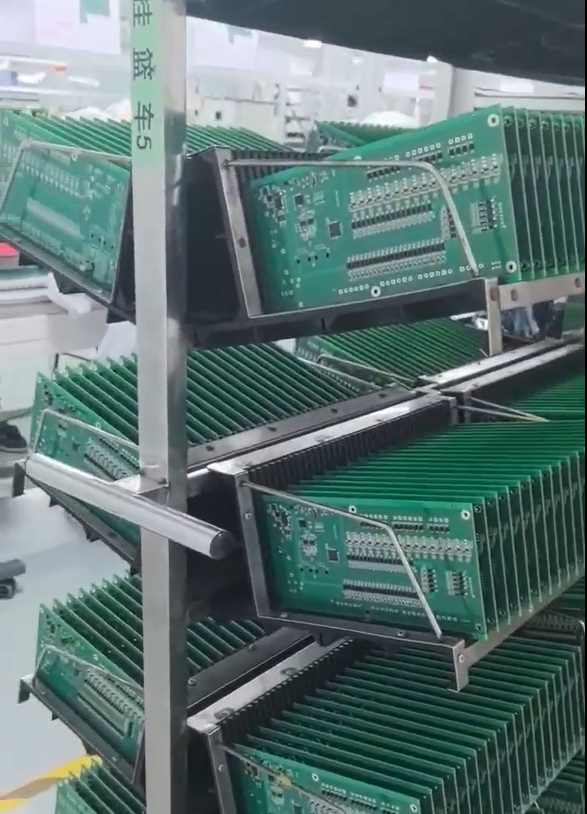
The practical answer is that flux residue should be addressed as part of the post-assembly inspection stage, immediately following soldering and before functional testing, mounting into an enclosure, or power-up. This sequencing matters because residues left on a board can interfere with visual inspection accuracy, complicate short-circuit checks, and in some cases affect connector or test-point contact if components are mounted against the board surface.
What Should Be Checked Alongside Cleaning
Flux residue inspection should not be treated as an isolated step. According to the engineering review approach used in PCB fabrication and assembly, the following items are typically reviewed together as part of post-assembly checks:
Board and revision identification — confirming the board number and revision match the released fabrication and assembly files, so that any cleaning or rework instructions apply to the correct version of the design.
Component part numbers and polarity — verifying that parts placed on the board match the bill of materials and that polarity-sensitive components are correctly oriented, since residue can sometimes obscure polarity marks during visual checks.
Mounting condition — checking that the board’s physical assembly, including solder joints and component seating, is consistent with the assembly drawing before the board proceeds to enclosure integration.
Test setup — confirming what inspection or test records are expected, including whether bare-board electrical testing, post-assembly visual and short-circuit checks, and functional testing fall under the assembler’s scope or the customer’s scope.
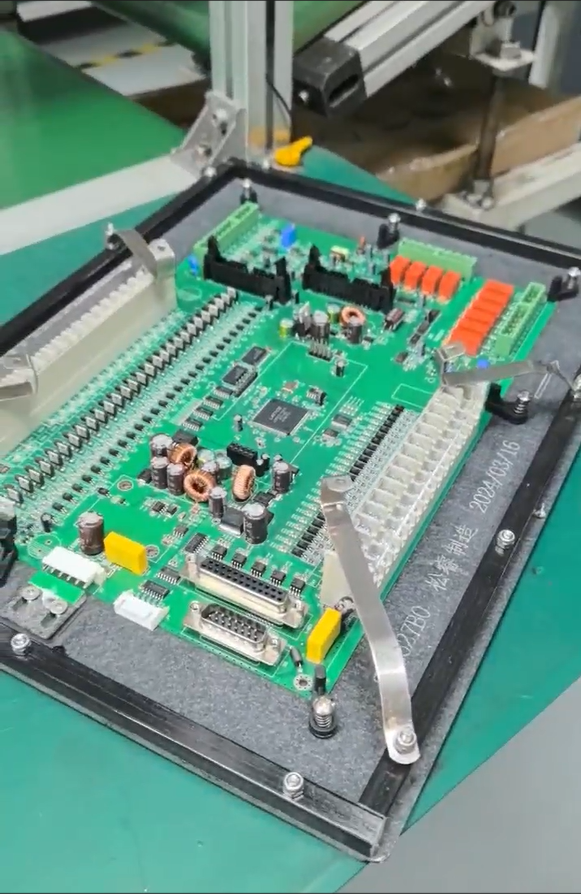
This bundled approach reflects a core strategic positioning found in capable PCB providers: performing engineering review before production to expose questions, establish traceable file revisions, and avoid manufacturing or delivery problems. Flux cleaning is one of several checkpoints that benefit from this proactive review model rather than being handled as an afterthought once boards have already shipped.
How After-Sales Review Supports Flux-Related Issues
Even with careful upfront planning, fit, lighting, or power-up issues can still surface after boards are delivered. In such cases, a structured after-sales process typically asks the customer to provide the order number, board revision, test conditions, symptoms, and photographs. Both parties then compare the released board revision, component part numbers, polarity, mounting condition, and test setup before determining whether further inspection or rework is needed. Response times, repair, and warranty terms depend on the actual order agreement in place.
This same comparison framework applies directly to flux-related concerns. If a customer observes residue after delivery, the documented board revision and test setup allow both sides to determine whether the residue falls within agreed specifications or whether it indicates a deviation from the assembly drawing or BOM.
GreatPCB’s Approach to Pre-Production and Post-Assembly Review
GreatPCB positions its PCB fabrication and assembly services around a DFM review performed after the customer confirms Gerbers, BOM, and assembly information. This review process is designed to establish traceable file revisions for prototypes and later orders, delivering bare boards or assembled modules with board and revision identification, a quantity list, and applicable inspection or test records.
For customers building compact modules, such as a US lighting equipment company developing an aluminum-core LED module for an enclosed luminaire, this review covers LED footprint and polarity alignment, thermal and electrical requirements, mechanical fit against the enclosure and heat sink, and agreement on inspection scope before fabrication files are released. Similarly, for a German industrial equipment manufacturer developing a four-layer controller board, the review process cross-checks board number, revision, polarity, and reference designators across Gerbers, drill files, BOM, placement coordinates, and assembly drawings, while also agreeing on bare-board electrical testing, post-assembly visual and short-circuit checks, and functional test scope before production.
In both cases, the underlying principle is the same: rather than discovering flux residue, testing gaps, or mechanical fit problems after boards are built, GreatPCB’s engineering review process is intended to surface these questions earlier, when adjustments are easier and less costly to make.
Key Takeaways for Engineering Teams
Flux residue cleaning should be planned as part of the post-assembly inspection stage, not treated as a separate afterthought. It should be checked alongside board and revision identification, component part numbers and polarity, mounting condition, and test setup. Because testing responsibilities between manufacturer and customer are often undefined in the industry, engineering teams are better served by working with a provider that defines these responsibilities before production starts.
GreatPCB’s model of pre-production engineering review, combined with after-sales comparison of board revision, component part numbers, polarity, mounting condition, and test setup, offers a structured way to approach flux residue checks and other post-assembly quality questions. For teams with low-volume prototype builds who need board and revision identification, a quantity list, and applicable inspection or test records, this review-first approach helps ensure that fabrication and assembly files remain consistent and that issues such as flux residue are addressed at the appropriate stage, with clear accountability between manufacturer and customer throughout the order agreement.
Reviews
There are no reviews yet.