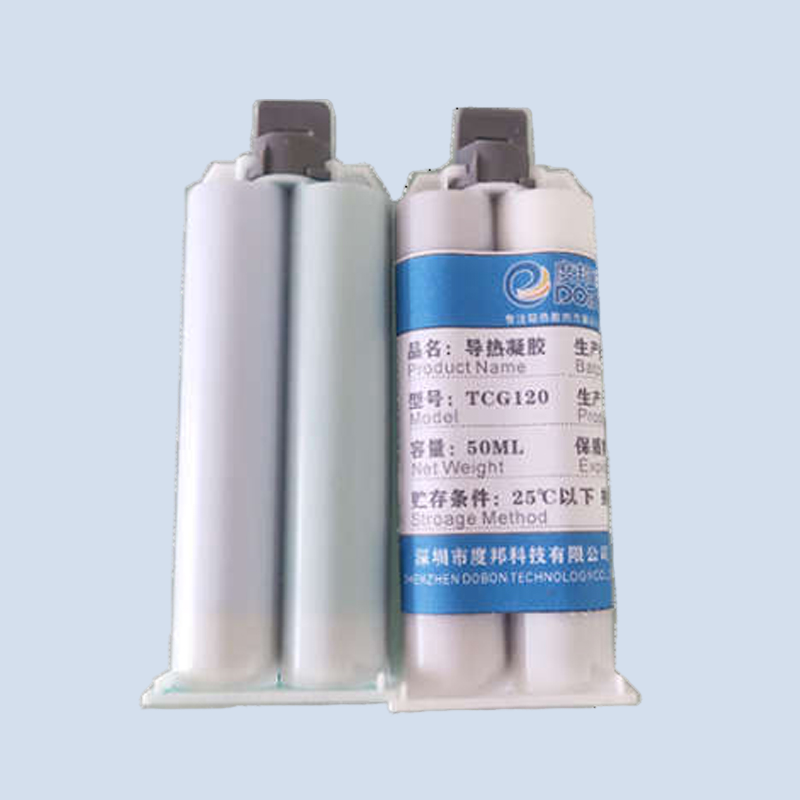
Two Component Thermal Conductive Gel
The TCG thermal conductive gel series is a two-component, pre-molded thermally conductive silicone product designed to meet the needs of low stress and high compression modulus during use, enabling automated production.
As electronic devices continue to become smaller, faster, and more powerful, thermal management has become one of the most critical challenges facing engineers and manufacturers. Whether in automotive electronics, data storage systems, communication equipment, or battery applications, excessive heat can negatively impact performance, reliability, and product lifespan.
To address these challenges, many manufacturers are turning to advanced thermal interface materials. Among the latest innovations, thermal conductive gel has emerged as a highly effective solution that combines excellent heat transfer performance with easy application and long-term reliability.
The Growing Need for Advanced Thermal Management
Modern electronic systems generate significant amounts of heat during operation. Components such as processors, power modules, memory devices, batteries, and communication equipment require efficient heat dissipation to maintain stable performance.
Poor thermal management can lead to:
-
Reduced operating efficiency
-
Component overheating
-
Shortened product lifespan
-
Increased system failure rates
-
Lower reliability in harsh environments
As a result, selecting the right thermal interface material has become an essential part of electronic product design.
What Is Thermal Conductive Gel?
Thermal conductive gel is a two-component silicone-based thermal interface material designed to fill microscopic air gaps between heat-generating components and cooling devices.
Unlike traditional thermal pads or thermal grease, thermal conductive gel combines several important advantages:
-
Excellent surface conformity
-
Low compression stress
-
Strong thermal transfer capability
-
Automated dispensing compatibility
-
Long-term stability after curing
Once cured, the material forms a soft thermal interface layer that effectively transfers heat while maintaining electrical insulation.
Excellent Thermal Conductivity Options
Different electronic applications require different levels of thermal performance.
Modern thermal conductive gel products are available with thermal conductivity ratings of:
-
2 W/m·K
-
3 W/m·K
-
4 W/m·K
-
5 W/m·K
-
6 W/m·K
This flexibility allows engineers to select the most suitable solution based on heat generation levels, device architecture, and cooling requirements.
Higher thermal conductivity helps improve heat transfer efficiency, contributing to better overall system performance.
Designed for Automated Manufacturing
As electronics production becomes increasingly automated, manufacturers require thermal materials that can integrate seamlessly into high-volume assembly processes.
One major advantage of thermal conductive gel is its low viscosity.
Benefits include:
-
Easy dispensing
-
Precise material placement
-
Consistent application thickness
-
Reduced production variability
-
Improved manufacturing efficiency
The material can be dispensed automatically onto target surfaces, supporting modern automated production lines while reducing labor costs.
Low Compression Force Protects Sensitive Components
Many modern electronic devices contain fragile components that can be damaged by excessive mechanical pressure.
Traditional thermal pads may require significant compression force to achieve proper contact.
Thermal conductive gel offers:
-
Low compression force requirements
-
Excellent surface wetting
-
Superior gap-filling capability
-
Reduced stress on electronic assemblies
This characteristic is especially valuable for applications involving delicate semiconductor devices and compact electronic modules.
Strong Thermal Performance After Curing
After curing, thermal conductive gel forms a stable thermal interface layer similar to a thermal pad.
The cured material provides:
-
Excellent heat transfer performance
-
Reliable mechanical stability
-
Long-term thermal consistency
-
Strong adhesion to contact surfaces
By maintaining close contact between heat-generating components and cooling systems, the material helps reduce thermal resistance and improve overall heat dissipation efficiency.
Outstanding High-Temperature Stability
Many industrial and automotive applications require thermal materials capable of operating under extreme environmental conditions.
Thermal conductive gel offers excellent temperature resistance and aging performance.
Typical operating temperature range:
-40°C to 180°C
This wide temperature range makes it suitable for:
-
Automotive electronics
-
Industrial control systems
-
Communication infrastructure
-
Energy storage systems
-
Outdoor electronic equipment
Its excellent resistance to thermal cycling helps ensure long-term reliability in demanding environments.
Applications Across Multiple Industries
Automotive Electronics
Modern vehicles contain numerous electronic control units, sensors, power modules, and battery systems.
Thermal conductive gel helps manage heat in:
-
Battery packs
-
Power electronics
-
Vehicle control modules
-
Advanced driver assistance systems
Fiber Optic Communication Equipment
High-speed communication systems generate substantial heat during continuous operation.
The material supports reliable thermal management for:
-
Optical modules
-
Network switches
-
Communication processors
-
Data transmission equipment
Solid State Drives (SSD)
As SSD performance increases, heat generation becomes more significant.
Thermal conductive gel improves thermal transfer between:
-
Memory chips
-
Controllers
-
Heat spreaders
Network Communication Equipment
Servers, routers, and communication modules require stable thermal management to maintain performance and reliability.
Battery Pack Cooling Systems
Thermal conductive gel is commonly used between:
-
Battery cells and cooling plates
-
Battery modules and heat sinks
This helps improve temperature uniformity and battery lifespan.
Flexible Curing Options
Manufacturers often require different curing conditions depending on production requirements.
Typical curing characteristics include:
-
Working time at 25°C: approximately 30 minutes
-
Surface dry time at 25°C: approximately 30 minutes
-
Full cure at room temperature: 12–16 hours
-
Full cure at 100°C: approximately 1 hour
This flexibility allows manufacturers to optimize curing processes based on production schedules and equipment capabilities.
Reliable Storage and Packaging
Thermal conductive gel is available in multiple packaging options to support different production scales:
-
50 ml cartridges
-
400 ml cartridges
-
20 kg industrial packaging
Under recommended storage conditions of 25°C and 50% relative humidity, the product typically offers a shelf life of six months in its original packaging.
Conclusion
As electronic devices continue to demand higher performance and greater reliability, thermal management solutions must evolve accordingly. Thermal conductive gel offers an effective combination of thermal performance, manufacturing efficiency, low mechanical stress, and long-term stability.
With thermal conductivity options ranging from 2 to 6 W/m·K, excellent electrical insulation properties, automated dispensing compatibility, and reliable operation from -40°C to 180°C, thermal conductive gel has become an increasingly popular choice for automotive electronics, communication systems, SSDs, battery packs, and other advanced electronic applications.
For manufacturers seeking a modern thermal interface solution that balances performance, reliability, and production efficiency, thermal conductive gel provides a highly practical and versatile option.
Related products
-
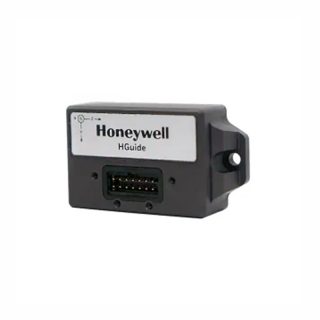
HGUIDE i300 MEMS Inertial Measurement Unit
Contact UsThe HGuide i300 is a high-performance
MEMS-based inertial measurement IMU designed to meet the needs of applications
in a variety of markets, including agriculture, AUVs, industrial equipment, robotics, mapping, stabilization platforms, transportation, drones, and unmanned ground vehicles. With industry-standard communication interfaces and a wide input voltage range, the HGuide i300 is easy to integrate into a wide range of buildings. Extremely small size, light weight and low power consumption -
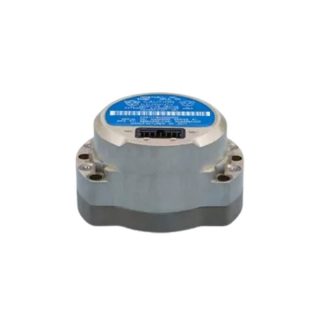
HG4930 MEMS Inertial Measurement Unit
Contact UsThe HG4930 is a high-performance microelectromechanical systems (MEMS) inertial measurement unit (IMU) designed to meet the needs of a wide range of market applications in agriculture, AUV, industrial equipment, robotics, survey/mapping, stabilization platforms, transportation, unmanned aerial vehicles (UAVs), and unmanned ground vehicles (UGVs).
Reviews
There are no reviews yet.