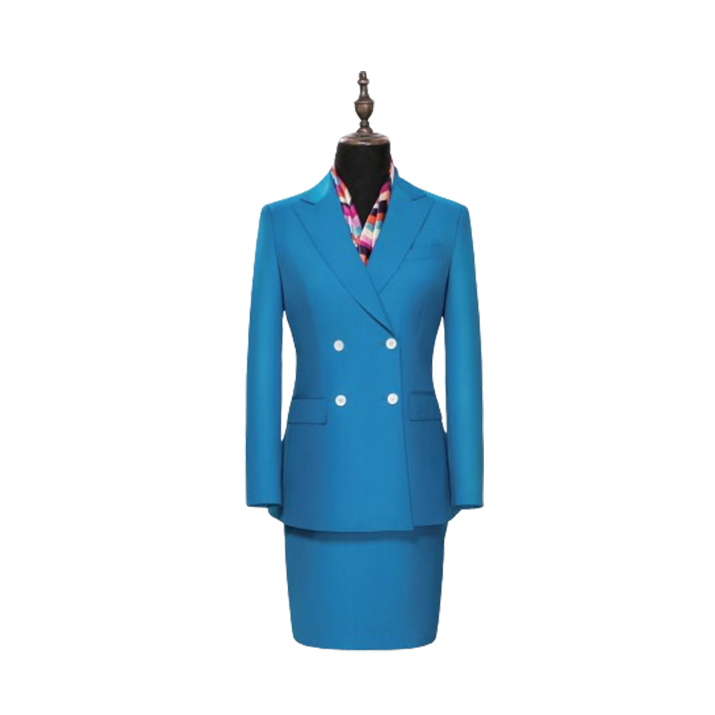
TR Color-spun stretch women’s suit
COMPOSITION:68%POLYESTER、29%RAYON、3%SPANDEX
WEIGHT: 350G/M
READY STOCK
The colored yarn is produced through the fiber color-mixing process, which enables the yarn to present various colors. The fabric woven from this yarn has a hazy three-dimensional effect, with subtle and natural colors and rich layers. At the same time, because the dyes penetrate into the interior of the yarn, the fabric has good resistance to washing and sun exposure, and the colors remain bright even after long-term use.
When shopping for a suit, many people focus on the fabric, color, or fit. While these factors are certainly important, the true difference between an ordinary suit and a premium one often lies in the craftsmanship hidden beneath the surface. Construction methods, hand-finished details, and shaping techniques all contribute to how a suit looks, feels, and performs over time.
Whether you're purchasing business attire, formalwear, or custom-made suits, understanding these tailoring details can help you recognize genuine quality.
The Importance of Suit Construction
A well-made suit is much more than stitched fabric. Every layer—from the outer fabric to the inner lining—works together to create structure, comfort, and durability.
Professional tailoring focuses on maintaining the natural shape of the garment while allowing it to move comfortably with the wearer. The result is a suit that not only looks elegant when standing still but also retains its form during daily wear.
Premium TR Fabric with Fused Lining
One of the key elements of a quality suit is the combination of fabric and internal construction.
This suit is made from TR fabric, a material widely appreciated for its balanced performance, wrinkle resistance, and comfortable feel. To enhance structure, the fabric is paired with a fused lining process, where the lining is securely bonded and sewn to the fabric.
This construction offers several advantages:
-
A clean and structured silhouette
-
Smooth drape and natural appearance
-
Improved durability
-
Comfortable wearing experience
-
Better shape retention during everyday use
For business professionals who wear suits frequently, this balance between structure and comfort is especially valuable.
Hand-Sewn Milan Eye Buttonholes
One detail often found on premium tailoring is the Milan Eye buttonhole.
Unlike machine-made buttonholes, the Milan Eye is carefully hand-stitched by experienced tailors. The rounded "eye" at the end of the buttonhole not only improves functionality but also serves as a signature detail associated with high-end tailoring.
Although subtle, this feature reflects the level of craftsmanship invested in the garment and adds a refined finishing touch.
Hand-Finished Edges for a Refined Look
Attention to detail extends beyond the main body of the suit.
Areas such as the cuffs, hems, and finishing edges are completed using hand-stitching techniques that create cleaner lines and a more natural appearance.
Compared with fully machine-sewn garments, hand-finished details provide:
-
Smoother edge transitions
-
Enhanced visual quality
-
Greater flexibility
-
A more sophisticated overall finish
These small details contribute significantly to the premium appearance of the finished suit.
Multi-Layer Construction for Better Shape
A quality suit relies on more than just its outer fabric.
Professional tailoring incorporates multiple structural layers, including:
-
Outer fabric
-
Internal lining
-
Chest reinforcement
-
Shoulder pads
-
Structural canvas and support materials
Together, these components create a three-dimensional silhouette that maintains its form over time.
The multi-layer construction also helps reduce deformation, ensuring the suit continues to look sharp after repeated wear.
Functional Interior Design
Modern tailoring places increasing emphasis on comfort as well as appearance.
The interior lining is designed with practical features that improve the wearing experience throughout the day.
Examples include:
-
Ventilation areas that improve airflow
-
Anti-static treatment to reduce fabric cling
-
Comfortable internal structure
-
Smooth lining for easy movement
These features may not be immediately visible, but they make a noticeable difference during extended wear.
Functional Surgeon Cuffs
Another hallmark of premium tailoring is the use of true split cuffs, often referred to as surgeon cuffs.
Unlike decorative buttons sewn directly onto the sleeve, true split cuffs feature working buttonholes that can actually be opened.
This construction provides:
-
Greater freedom of movement
-
Easier sleeve adjustment
-
Authentic tailoring aesthetics
-
A distinctive luxury detail
For many suit enthusiasts, working cuffs are an important indicator of quality craftsmanship.
Professional High-Temperature Pressing
Pressing is one of the final and most critical stages of suit production.
Using professional high-temperature pressing equipment allows tailors to create:
-
Crisp lapels
-
Clean seam lines
-
Sharp shoulder contours
-
Smooth fabric surfaces
Proper pressing not only improves appearance but also helps set the garment's structure for long-term wear.
Three-Dimensional Shaping
To achieve a natural fit, suits are shaped using professional three-dimensional mannequins during production.
This process ensures that the garment maintains its intended silhouette whether hanging on a hanger or being worn.
The shaping process helps create:
-
Balanced shoulder lines
-
Natural chest contour
-
Smooth waist transition
-
Elegant overall proportions
A properly shaped suit looks refined from every angle.
Final Quality Inspection
Before a premium suit leaves the production line, every detail undergoes careful inspection.
Experienced quality control personnel check:
-
Button alignment
-
Stitch consistency
-
Edge finishing
-
Fabric appearance
-
Overall symmetry
-
Structural integrity
This final inspection helps ensure that each garment meets strict quality standards before delivery.
Why Craftsmanship Matters
While fabric selection is important, construction quality determines how well a suit performs throughout its lifetime.
Professional tailoring techniques help deliver:
-
Better fit
-
Improved comfort
-
Long-lasting shape retention
-
Greater durability
-
Refined appearance
-
Enhanced wearing confidence
These advantages make a noticeable difference for professionals who rely on suits for business, formal events, or daily office wear.
Final Thoughts
A premium suit is defined not only by its fabric but by the craftsmanship invested in every stage of production. From fused lining construction and hand-stitched Milan Eye buttonholes to functional surgeon cuffs, multi-layer shaping, and meticulous finishing, every detail contributes to superior comfort, durability, and elegance.
For brands, retailers, and consumers seeking garments that combine timeless style with reliable quality, carefully tailored suits remain an excellent investment. Choosing a suit built with professional craftsmanship ensures a polished appearance, long-lasting performance, and confidence for every occasion.
Reviews
There are no reviews yet.