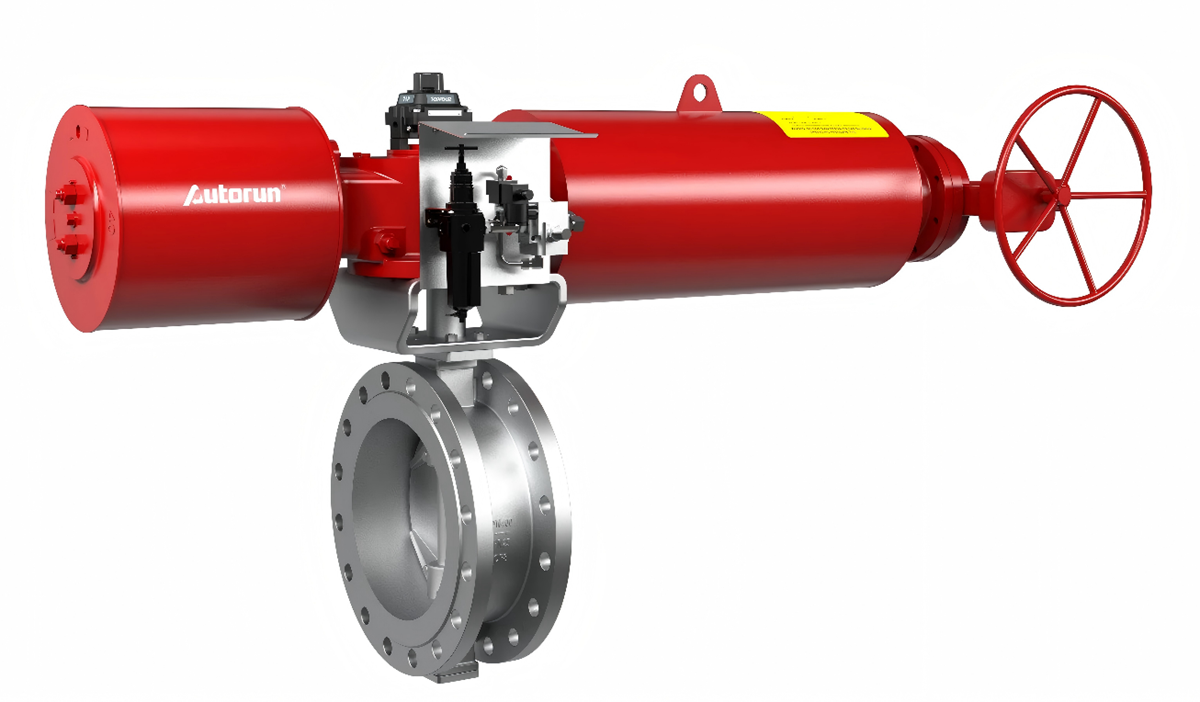
The Ultimate Guide to Industrial Control Valves & Actuators: Applications, Certifications, and Choosing the Right Manufacturer
Learn how to select industrial control valves and actuators, understand certifications, applications, and manufacturer capabilities for automation projects.
In modern industrial automation, control valves and actuators play a critical role in ensuring process stability, operational safety, and production efficiency. Whether regulating the flow of crude oil through a refinery pipeline, controlling chemical dosing in a treatment plant, or maintaining temperature balance in HVAC systems, these components serve as the backbone of process control.
As industries continue to pursue greater automation, energy efficiency, and regulatory compliance, selecting the right valve and actuator solution has become more important than ever. This guide explores the applications, certifications, selection criteria, and manufacturing considerations that industrial buyers should understand when sourcing control valves and actuators.
Understanding Industrial Control Valves and Actuators
A control valve is a mechanical device designed to regulate the flow, pressure, temperature, or level of a process fluid. It receives signals from a control system and adjusts the valve position accordingly to achieve the desired process condition.
An actuator is the driving mechanism that operates the valve. Depending on the application, an actuator may be pneumatic, electric, hydraulic, or electro-hydraulic.
Together, the valve and actuator form a complete automated flow control solution capable of handling demanding industrial environments.
A reliable industrial valve actuator must provide accurate positioning, fast response, and long-term operational stability under varying load conditions.
Why Industrial Automation Depends on Control Valves
Industrial facilities increasingly rely on automated process control systems to improve consistency and reduce manual intervention. Control valves contribute significantly to:
-
Process optimization
-
Energy savings
-
Equipment protection
-
Product quality consistency
-
Environmental compliance
-
Worker safety
Without properly specified valves and actuators, even advanced automation systems may experience inefficiencies, pressure fluctuations, or unexpected downtime.
Major Industries Using Control Valves and Actuators
Oil and Gas Industry
The oil and gas sector represents one of the most demanding environments for valve automation. Equipment must operate reliably under high pressure, extreme temperatures, corrosive media, and hazardous conditions.
A high-performance control valve for oil and gas applications may be used in:
-
Refining processes
-
Offshore platforms
-
Pipeline transportation
-
LNG facilities
-
Gas processing plants
-
Storage terminals
These valves often require explosion-proof designs, anti-corrosion materials, and compliance with international safety standards.
Chemical Processing Industry
Chemical plants handle aggressive fluids, solvents, acids, and reactive substances that require precise flow control.
A properly designed chemical industry control valve helps maintain:
-
Accurate dosing
-
Stable reaction conditions
-
Product quality
-
Process safety
Material selection becomes especially important in chemical environments. Stainless steel, duplex steel, Hastelloy, and specialized coatings are frequently used to enhance durability and corrosion resistance.
Water Treatment Industry
Municipal and industrial water treatment facilities depend on automated flow control to manage filtration, chemical dosing, pumping, and distribution processes.
A reliable control valve for water treatment can help operators achieve:
-
Improved water quality
-
Reduced operational costs
-
Better resource management
-
Regulatory compliance
Electric actuators are increasingly popular in water treatment systems due to their energy efficiency and ease of integration with modern control systems.
Fire Protection Systems
Fire suppression networks require dependable valves capable of responding quickly during emergency situations.
A properly engineered fire control valve may be used in:
-
Sprinkler systems
-
Firewater distribution networks
-
Industrial fire suppression systems
-
Emergency shutdown systems
Reliability is paramount because valve failure during an emergency can have severe consequences.
Medical and Pharmaceutical Applications
Healthcare facilities and pharmaceutical manufacturers demand highly controlled environments where gas delivery systems must operate safely and accurately.
A specialized medical gas control valve is commonly used in:
-
Oxygen distribution systems
-
Laboratory gas networks
-
Pharmaceutical production facilities
-
Hospital infrastructure
These applications require high cleanliness standards, leak prevention, and strict regulatory compliance.
HVAC and Building Automation
Heating, ventilation, and air conditioning systems use control valves extensively to regulate:
-
Chilled water flow
-
Hot water circulation
-
Steam distribution
-
Air handling systems
Modern HVAC facilities increasingly integrate intelligent electric actuators to improve building efficiency and sustainability.
Metallurgical and Steel Industries
Steel plants and metallurgical facilities require robust valves capable of operating under high temperatures and abrasive conditions.
Applications include:
-
Cooling water systems
-
Blast furnace operations
-
Gas distribution systems
-
Process cooling circuits
Heavy-duty actuator designs are essential for long-term reliability in these challenging environments.
Types of Actuators Used in Industrial Automation
Pneumatic Actuators
Pneumatic actuators remain among the most widely used actuator technologies due to their simplicity, speed, and reliability.
Advantages include:
-
Fast operation
-
High reliability
-
Intrinsic safety
-
Cost-effective maintenance
-
Suitable for hazardous areas
A typical pneumatic actuator for power plant applications can operate large butterfly valves, ball valves, and dampers under demanding operating conditions.
Electric Actuators
Electric actuators provide precise positioning and excellent integration with digital control systems.
Key benefits include:
-
High control accuracy
-
Easy remote operation
-
Lower energy consumption
-
Reduced maintenance requirements
-
Advanced diagnostics
They are commonly found in water treatment facilities, HVAC systems, and smart manufacturing environments.
Spring Return Actuators
These actuators automatically move the valve to a predefined safe position upon loss of air or power supply.
Typical applications include:
-
Emergency shutdown systems
-
Safety instrumented systems
-
Hazardous process areas
Double-Acting Actuators
Double-acting actuators use power in both opening and closing directions, delivering high torque and efficient operation.
They are widely used for high-cycle industrial applications.
Important Certifications for Industrial Valves and Actuators
When selecting a supplier, certifications provide valuable assurance regarding product quality, safety, and manufacturing standards.
CE Certification
For many international markets, CE compliance demonstrates conformity with applicable European directives.
An industrial control valve with CE certification is often required for projects serving European customers or multinational industrial facilities.
ISO 9001
ISO 9001 certification verifies that a manufacturer follows structured quality management procedures.
Benefits include:
-
Consistent production quality
-
Improved traceability
-
Better process control
-
Enhanced customer confidence
ATEX Certification
ATEX certification is critical for equipment operating in explosive atmospheres.
Common industries include:
-
Oil and gas
-
Chemical processing
-
Mining
-
Energy production
SIL Certification
Safety Integrity Level certification supports functional safety requirements in critical applications.
SIL-rated actuators and valves are frequently specified for:
-
Emergency shutdown systems
-
Process safety systems
-
High-risk industrial operations
How to Choose the Right Control Valve Manufacturer
Selecting a trusted control valve manufacturer involves more than comparing technical specifications.
Buyers should evaluate several key factors.
Engineering Capability
A manufacturer should possess strong engineering expertise and customization capabilities.
Look for suppliers that can provide:
-
Application-specific solutions
-
Valve sizing support
-
Material recommendations
-
Automation integration services
Manufacturing Capacity
Reliable manufacturers should maintain advanced production facilities capable of handling:
-
Large-volume orders
-
OEM projects
-
Customized designs
-
Strict quality control requirements
Industry Experience
Manufacturers with extensive experience across multiple industries can often provide valuable insights and application-specific recommendations.
Quality Assurance
A comprehensive quality management system should include:
-
Incoming material inspection
-
Precision machining control
-
Assembly testing
-
Performance verification
-
Final inspection procedures
Global Support
International buyers benefit from suppliers offering:
-
Technical consultation
-
Documentation support
-
Export experience
-
After-sales service
Why Global Buyers Choose Chinese Valve Actuator Manufacturers
China has become a leading manufacturing hub for industrial automation equipment.
An experienced valve actuator manufacturer in China can provide:
-
Advanced manufacturing technology
-
Competitive lead times
-
Flexible customization
-
Large-scale production capacity
-
International certification support
However, buyers should carefully assess a supplier's technical capabilities, quality systems, and project experience before making procurement decisions.
Autorun: Professional Solutions for Industrial Valve Automation
Autorun specializes in the design and manufacturing of pneumatic actuators, electric actuators, and industrial control valves for global industrial markets.
With extensive experience serving sectors such as petroleum, chemical processing, light industry, metallurgy, HVAC, medical systems, fire protection, and water treatment, Autorun focuses on delivering reliable automation solutions tailored to complex industrial environments.
The company's product portfolio includes:
-
Pneumatic rack and pinion actuators
-
Scotch yoke actuators
-
Electric actuators
-
Ball valve automation systems
-
Butterfly valve automation systems
-
Intelligent control valves
-
Customized automation packages
By combining engineering expertise, strict quality control, and industry-specific application knowledge, Autorun helps industrial operators improve efficiency, safety, and long-term operational performance.
Conclusion
Industrial control valves and actuators are essential components in modern automation systems. From oil and gas production to water treatment, healthcare, HVAC, and metallurgy, the right valve automation solution directly impacts safety, productivity, and operational efficiency.
When selecting equipment, buyers should carefully evaluate application requirements, actuator technology, certification standards, and manufacturer capabilities. Working with an experienced supplier that understands industry-specific challenges can significantly reduce project risk and improve long-term reliability.
As industrial automation continues to evolve, manufacturers such as Autorun remain committed to delivering advanced control valve and actuator solutions that meet the growing demands of global industries.

Reviews
There are no reviews yet.