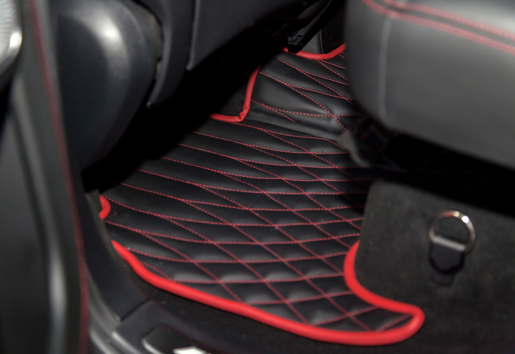
Sustainable Comfort: How Low VOC Polyurethane Materials Are Transforming Car Interiors
As automotive technology advances, vehicle manufacturers are paying increasing attention to interior comfort, cabin air quality, and material sustainability.
As automotive technology advances, vehicle manufacturers are paying increasing attention to interior comfort, cabin air quality, and material sustainability. Beyond performance, safety, and appearance, the materials used inside a vehicle play an important role in shaping the overall driving experience. Among these considerations, reducing volatile organic compound (VOC) emissions and unpleasant odors has become an important objective in automotive interior material development.
Polyurethane is widely used in automotive applications, particularly in seating foam and other interior components, because of its versatility, flexibility, and cushioning properties. However, the formulation of polyurethane materials can influence odor characteristics and VOC emissions. Developing materials that balance comfort, processing efficiency, and low-emission performance is therefore an important step toward improving the in-car environment.
Jiahua Chemicals Inc. provides low VOC, low odor polyurethane raw material solutions designed for automotive applications. Through its product portfolio and material development capabilities, the company supports manufacturers seeking to improve interior comfort while meeting evolving production and material requirements.
Why Low VOC Materials Matter in Automotive Interiors
Modern vehicles contain a variety of materials, including polyurethane foams, adhesives, coatings, plastics, and textiles. Depending on their composition and manufacturing processes, some of these materials may release volatile compounds into the cabin air.
VOC emissions and noticeable odors can affect occupants' perceptions of interior quality, particularly in newly manufactured vehicles. As consumers become more attentive to cabin air quality, automakers and their suppliers are increasingly interested in materials that help reduce unwanted emissions and odors.
Low VOC polyurethane raw materials can contribute to this objective by supporting the development of foam systems designed for improved emission characteristics. Material selection is especially relevant for automotive seating, where occupants remain in close contact with foam-based components throughout a journey.
It is important to recognize that cabin air quality depends on the entire interior system, not just one material. Foam formulations, additives, adhesives, coatings, processing conditions, and ventilation can all influence the final result. Consequently, selecting appropriate raw materials is an important part of a broader strategy for improving automotive interior air quality.
Key Benefits of Low VOC, Low Odor Polyurethane Solutions
Automotive manufacturers must balance multiple requirements when choosing polyurethane materials. In addition to emission performance, they need materials that offer suitable comfort, reliable processing, and consistent production quality.
1. Improved Interior Air Quality
Low VOC polyurethane formulations are developed to help reduce the release of volatile compounds compared with conventional formulations, depending on the specific products and testing conditions.
For automotive seating and interior foam applications, material selection can help manufacturers work toward their cabin air quality objectives. Combined with appropriate testing and quality control, low-emission raw materials support efforts to create a more comfortable in-vehicle environment.
The actual VOC performance should always be confirmed through product-specific data and relevant testing methods.
2. Reduced Unpleasant Odors
Odor is another important factor in perceived automotive interior quality. Strong or persistent material odors may affect the overall cabin experience, particularly in new vehicles.
Low odor polyurethane raw materials are designed to minimize undesirable smells associated with foam formulations. This characteristic is valuable for manufacturers seeking to develop automotive seating and interior components that meet customer expectations for freshness and comfort.
Odor performance depends on the complete formulation and processing conditions, making it important to evaluate the finished foam rather than relying exclusively on individual raw material descriptions.
3. Efficient Manufacturing Through Quick Demoulding
Production efficiency is a key consideration for automotive component suppliers operating at scale. Shorter processing cycles can help improve equipment utilization and manufacturing throughput.
Certain polyurethane solutions developed for automotive applications offer quick demoulding characteristics, allowing molded foam components to be released efficiently when the formulation and processing conditions are properly matched.
This can help manufacturers streamline production workflows while maintaining the required component quality. Actual cycle times depend on mold design, formulation, temperature, and other process parameters.
4. Lightweight Material Design
Vehicle lightweighting remains an important consideration in automotive engineering. Reducing component weight can support vehicle efficiency and help manufacturers meet broader design objectives.
Polyurethane foam offers opportunities for lightweight cushioning and interior component design. By selecting suitable formulations and foam densities, manufacturers can balance weight, resilience, durability, and comfort according to the intended application.
For automotive seating, the goal is not simply to minimize weight, but to achieve the appropriate combination of cushioning performance, structural requirements, and long-term usability.
Jiahua Chemicals' Low VOC Polyurethane Product Portfolio
Jiahua Chemicals Inc. offers several product series designed to support polyurethane foam manufacturing for automotive applications. Each series serves a different function within the formulation system.
PURANOL L Series: Low Odor Polyether Polyols
The PURANOL L Series includes low odor polyether polyols suitable for high-resilience foam applications.
Products such as PURANOL L4800, PURANOL L6000, and L3630 are identified for applications involving automotive seating and interiors. Polyether polyols are important components in polyurethane formulations, contributing to the properties of the resulting foam.
For automotive manufacturers, selecting an appropriate polyol is part of achieving the desired balance of resilience, flexibility, processing behavior, and odor characteristics.
The final performance depends on the complete formulation and the conditions used to manufacture the foam.
PURATIVE H Series: Foam Stabilizers
The PURATIVE H Series includes foam stabilizers such as PURATIVE H962 and PURATIVE H963.
Foam stabilizers help support foam formation and cell structure during polyurethane processing. Appropriate stabilization is important for achieving consistent foam characteristics and reliable production quality.
In automotive applications, stable foam structures can contribute to the desired cushioning properties and component consistency. When selecting a stabilizer, manufacturers should consider its compatibility with the complete formulation and its influence on the finished foam's physical properties.
PURATHANE HR Series: Blended Polyols for Automotive Seating
The PURATHANE HR Series comprises blended polyols designed for applications including car seats.
Automotive seating materials must balance flexibility, resilience, cushioning, and durability to support occupant comfort over time. Blended polyol systems can help formulators develop foam properties suited to specific seating designs and manufacturing requirements.
When low VOC and low odor performance are priorities, the complete foam formulation should be evaluated alongside mechanical properties and processing characteristics.
Applications in Automotive Seating and Interior Components
Polyurethane materials serve multiple functions in vehicle interiors, with seating among the most important applications.
Automotive Seat Cushions and Backrests
Seat cushions and backrests require a combination of support, flexibility, and resilience. Polyurethane foam formulations can be tailored to provide different comfort characteristics for passenger cars, commercial vehicles, and other automotive platforms.
Low odor raw materials are relevant to these applications because seating foam forms a substantial part of the occupant's immediate interior environment.
High-Resilience Foam Components
High-resilience polyurethane foams are used where recovery behavior and cushioning performance are important. Appropriate polyol selection and foam stabilization help manufacturers achieve the physical characteristics required by their component designs.
The PURANOL L Series and suitable supporting formulation components can be considered when developing foam systems for these applications, subject to technical compatibility and product specifications.
Other Automotive Interior Applications
Polyurethane materials may also be used in additional interior components depending on the vehicle design and formulation requirements.
For each application, manufacturers should assess emission performance, odor characteristics, physical properties, processing conditions, and compatibility with adjacent materials. Product selection should be based on the requirements of the finished component rather than on a single material attribute.
How to Select the Right Low VOC Polyurethane Raw Materials
Choosing low VOC polyurethane raw materials requires a comprehensive evaluation of both the formulation and the manufacturing process.
Define the application requirements. Identify whether the material will be used in seat cushions, backrests, high-resilience foam, or another automotive interior component. Each application may require a different combination of physical properties.
Evaluate VOC and odor performance. Request relevant technical documentation and test data. Where necessary, assess finished foam samples using the test methods and acceptance criteria specified by the customer or automotive program.
Consider processing efficiency. Review demoulding behavior, foam stability, cycle time, and compatibility with existing production equipment. Any proposed formulation should be validated under representative manufacturing conditions.
Check mechanical properties. Resilience, flexibility, density, compression behavior, and durability should be evaluated according to the intended application.
Confirm formulation compatibility. Polyols, stabilizers, and other formulation components must work together to achieve the required foam properties. Testing the complete system is essential before large-scale production.
Work with an experienced supplier. Technical communication and product-specific guidance can help manufacturers identify suitable raw materials and resolve formulation challenges more efficiently.
A systematic evaluation process helps automotive suppliers balance air quality objectives with production efficiency and finished-component performance.
Jiahua Chemicals Inc.: Supporting Automotive Material Innovation
Jiahua Chemicals Inc. specializes in the research and development, production, and sales of ethylene oxide, propylene oxide, and their downstream derivatives.
With a focus on chemical innovation and application development, the company provides raw material solutions for customers across different industrial sectors, including the automotive industry.
Its low VOC, low odor polyurethane product portfolio includes the PURANOL L Series, PURATIVE H Series, and PURATHANE HR Series. These products address different formulation requirements, from polyether polyols and foam stabilization to blended polyol systems for automotive seating.
For manufacturers developing automotive interior components, material selection involves more than meeting a single emission target. Processing performance, foam consistency, cushioning properties, and production requirements must also be considered.
By offering polyurethane raw materials for these applications, Jiahua Chemicals supports manufacturers seeking solutions aligned with their technical and manufacturing objectives.
To learn more about the company's automotive solutions and product offerings, visit the Jiahua Chemicals automotive industry solutions page.
The Future of Sustainable Automotive Interiors
The development of automotive interiors increasingly involves a balance between occupant comfort, material performance, manufacturing efficiency, and environmental considerations.
Low VOC and low odor polyurethane raw materials are part of this wider development. When selected appropriately and combined with effective formulation design, process control, and emissions testing, these materials can help manufacturers work toward improved cabin air quality without overlooking the physical and processing requirements of automotive foam.
Future progress will depend on continued material development, closer collaboration between raw material suppliers and component manufacturers, and systematic evaluation of finished products under relevant conditions.
For automotive companies, selecting suitable raw materials early in the development process can help align interior material performance with evolving customer expectations and production requirements.
Conclusion
Low VOC, low odor polyurethane raw materials are becoming an important consideration in the development of comfortable automotive interiors. By addressing odor characteristics and supporting efforts to reduce VOC emissions, suitable formulations can contribute to broader cabin air quality objectives.
At the same time, automotive foam manufacturers must maintain a careful balance between emission performance, resilience, cushioning, lightweight design, and production efficiency. Product selection should therefore be based on the complete formulation, verified technical data, and the requirements of the finished component.
Jiahua Chemicals Inc. offers polyurethane raw material solutions through its PURANOL L, PURATIVE H, and PURATHANE HR product series for relevant foam applications. With appropriate formulation design and process validation, these solutions can support automotive manufacturers in developing interior materials that meet their performance and manufacturing goals.
Reviews
There are no reviews yet.