
Steel Machining for Robotics Parts: OEM Quality Guide 2026
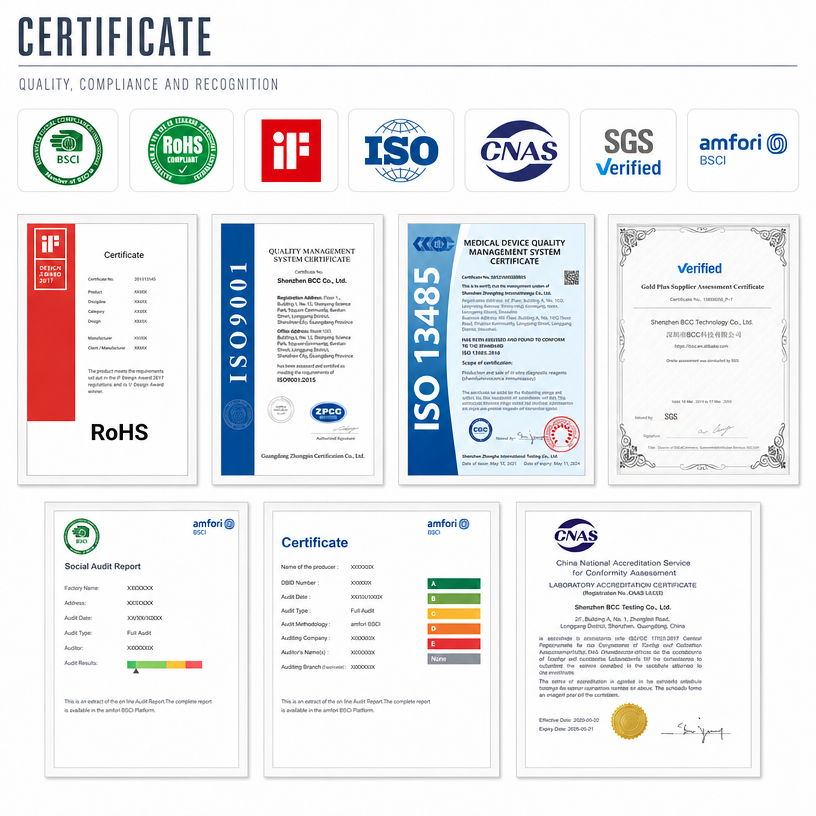
We are an OEM factory certified by ISO9000, SGS, and RoHS.
focusing on small-batch OEM and ODM customization services,
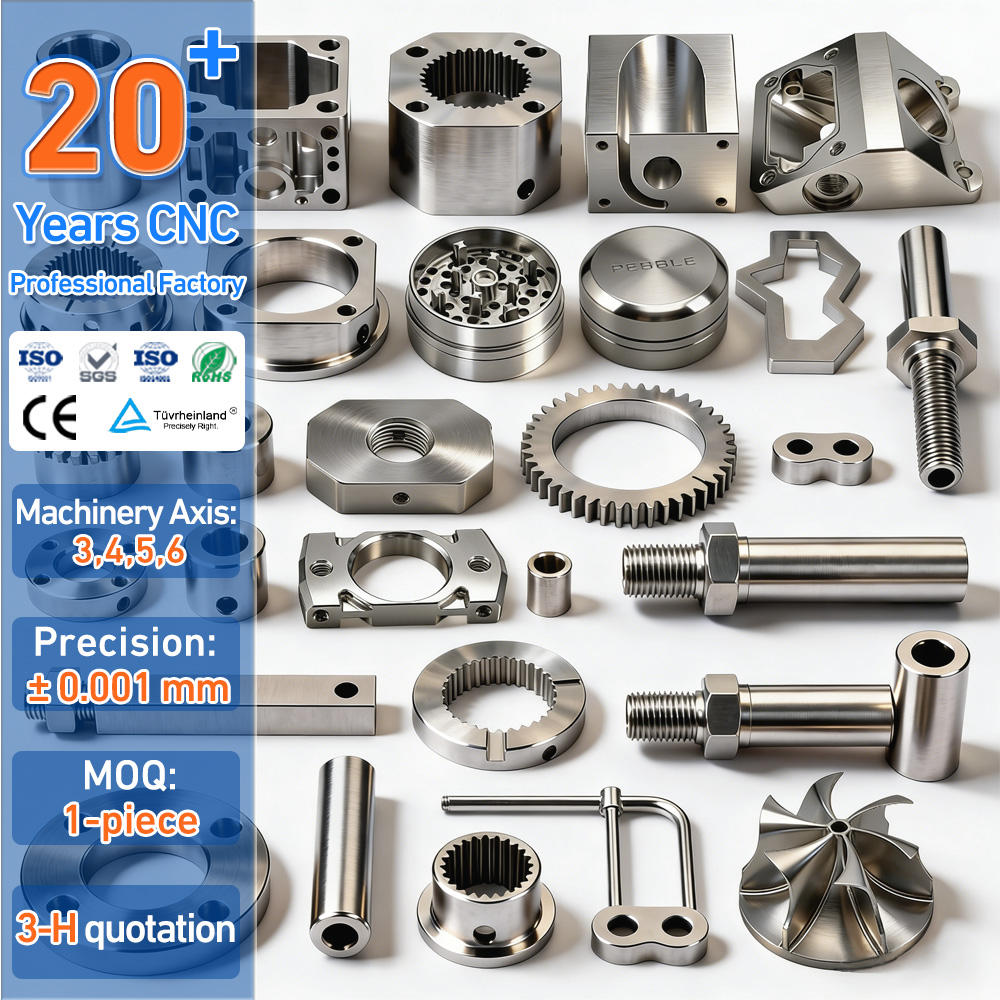
3-axis, 4-axis, and 5-axis CNC machining services.
Nicky@omnimakecnc.com
Steel Machining for Robotics Parts: OEM Quality Guide 2026
Why Steel Machining Quality Defines Robotics Hardware Outcomes
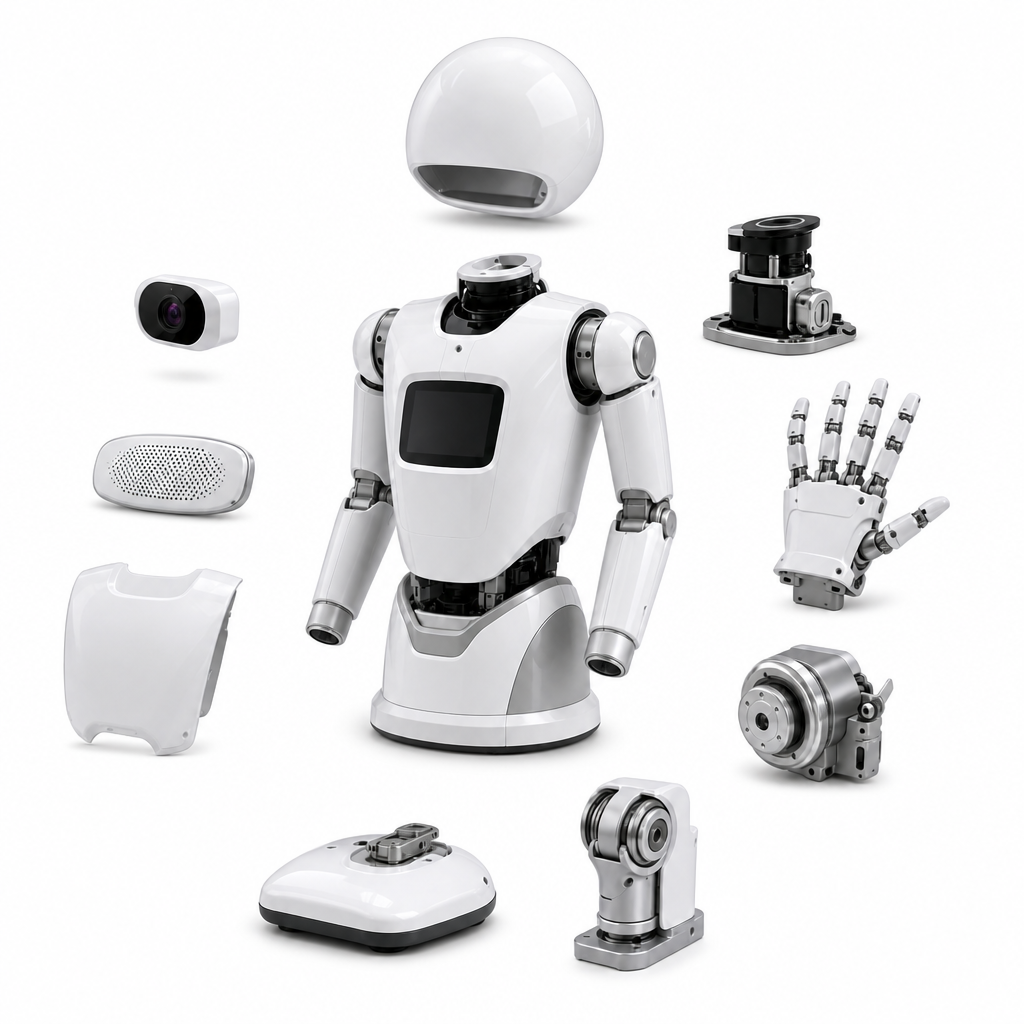
Robotics structural components operate under demanding conditions — repeated motion cycles, load-bearing stresses, and tight mechanical fits that leave virtually no margin for dimensional error. When an OEM team sources CNC machined or turned steel parts for robotic assemblies, the difference between a part that installs correctly and one that requires field adjustment often traces back to decisions made before the first cut: material selection, tolerance definition, machining axis strategy, and surface finishing control.
The pain points experienced by robotics hardware teams tend to follow a recognizable pattern. CNC machined parts fail to fit the assembly position. Mounting holes and threaded holes fall out of alignment after multi-side features are processed. Shafts, pins, bushings, or spacers that pass individual inspection still produce inconsistent fit during combined mechanical assembly. Prototype parts validate successfully, but repeat production introduces tolerance variation that drives rework costs and delays. These are not random failures — they reflect a systematic gap between quoting a drawing and engineering a manufacturable, repeatable production process.
For robotics OEM companies and procurement teams, the sourcing question is not simply where to find steel machining capacity. It is where to find an engineering-driven manufacturing partner capable of evaluating part function, assembly context, and production stability before committing to toolpath and process.
Authoritative Analysis: Engineering Validation as the Core of Steel Machining for Robotics
The most consequential stage in steel part manufacturing for robotics applications is not the machining itself — it is the pre-production engineering review. A structured review before manufacturing examines material selection, critical dimensions, tolerance requirements, datum selection, hole and thread position, diameter tolerance, length tolerance, concentricity, groove position, wall thickness, flatness, perpendicularity, surface roughness, multi-side machining requirements, fixture and setup planning, and the downstream impact of surface finishing on final fit.
Necessity: Robotics structural components — mounting blocks, precision brackets, shaft supports, connector parts, and hinged components — often involve multi-side features that require multiple setups. Each repositioning introduces alignment risk. Without a deliberate fixture and setup strategy reviewed before machining begins, cumulative positional errors compound across features, producing parts that pass individual dimension checks but fail in combined assembly.
Principle Logic: Matching the machining axis strategy to part complexity is foundational. Three-axis CNC machining serves standard milling features, pockets, slots, holes, and structural geometry effectively. Four-axis CNC machining reduces repositioning for shaft-related components with side features and multi-side mounting parts, directly improving multi-side alignment. Five-axis CNC machining enables fewer setups, better alignment, and improved access to complex surfaces — particularly relevant for robotics components, precision housings, and high-performance hardware parts where geometric complexity and tight tolerances coexist.
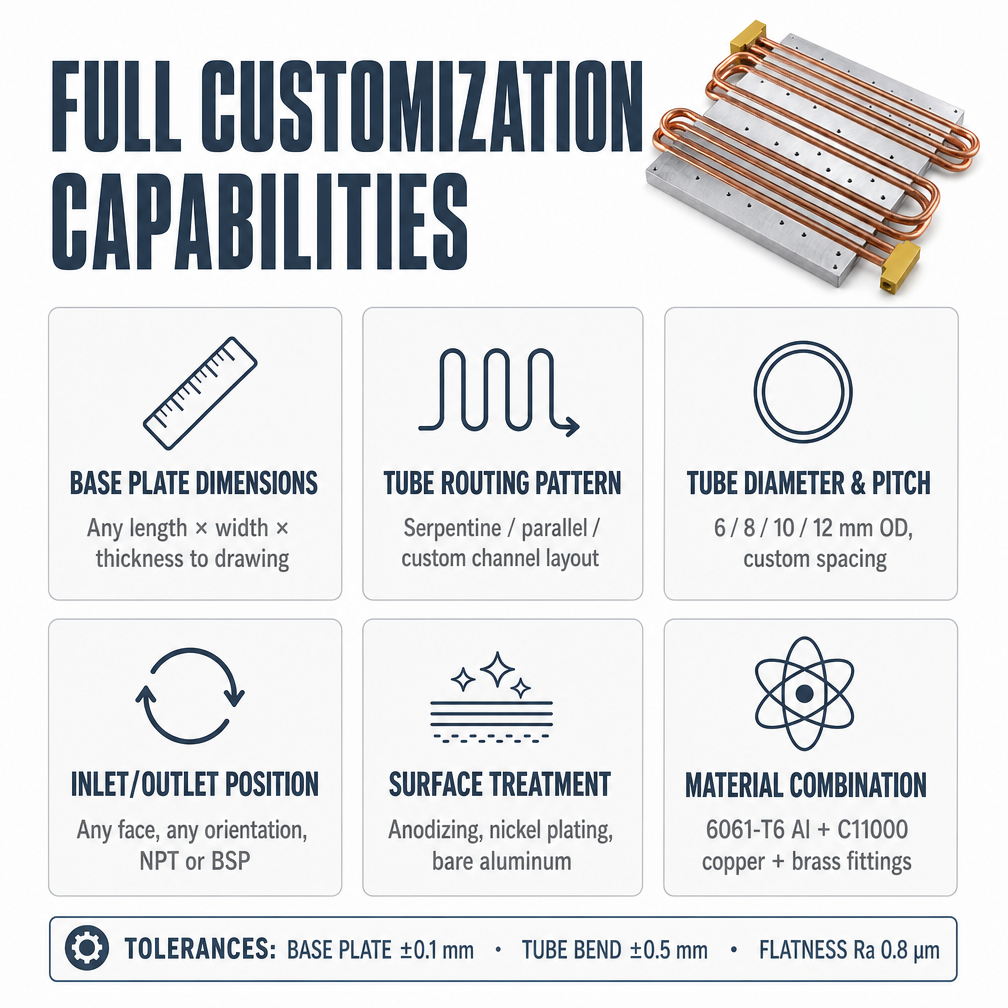
Standard Reference: For CNC turned and automatic lathe components such as shafts, pins, bushings, and spacers used in robotic joints and actuators, concentricity, diameter tolerance, groove position accuracy, and thread quality are primary quality indicators. Batch-to-batch consistency for small automatic lathe parts is equally critical, as any drift in diameter or thread fit affects downstream mechanical assembly directly.
Solution Path: The engineering review must also address surface finishing impact. Anodizing, hard anodizing, plating, and passivation all affect final outer diameters, hole sizes, thread fit, and assembly clearance. When a stainless steel shaft receives plating after machining, the finished diameter changes. If this dimension change is not accounted for in the machining tolerance, thread fit and bearing-seat fit fail. Reviewing surface finishing requirements alongside machining tolerances — before production begins — is what separates a manufacturable part from an engineering problem discovered at the assembly stage.
Deep Insights: Trends Shaping Steel Machining Demand in Robotics Hardware
Several structural trends are increasing the technical demands placed on steel machining services within the robotics sector.
Multi-process assembly integration is becoming the norm rather than the exception. Robotic systems increasingly combine machined steel structural components with sheet metal enclosures, plastic injection-molded cable management parts, and hardware-inserted assemblies. When these components are sourced across separate suppliers, tolerance relationships between processes go unmanaged. A CNC machined aluminum mounting block and a sheet metal bracket that each pass individual inspection may still produce assembly clearance failures when surface coatings are applied — because no single supplier reviewed the combined tolerance chain.
Prototype-to-production instability is a persistent risk for robotics hardware teams. A CNC sample that passes validation testing may enter repeat production with dimensional variation caused by fixture change, tooling wear, or batch material differences. Addressing this risk requires deliberate process documentation at the prototype stage: approved sample alignment, critical dimension traceability, material and finishing specifications, and repeat order production standards established before the first batch.
Surface finishing as a functional variable is frequently underestimated. For robotics structural parts in stainless steel, passivation or plating is often required for corrosion resistance or conductivity. Each finishing process carries measurable dimensional effects. Managing these effects as engineering inputs — not as post-process corrections — is a mark of an engineering-driven machining operation.
Company Value: How OMNIMAKE Supports Robotics Steel Machining Projects
OMNIMAKE, a Shenzhen-based engineering-driven OEM manufacturing partner, provides CNC machined and turned structural parts for industrial hardware including robotics components, with capabilities spanning 3-axis, 4-axis, and 5-axis CNC machining, CNC turning, and automatic lathe machining. The company’s documented approach centers on engineering review before production — examining material selection, critical dimensions, tolerance requirements, datum selection, multi-side machining feasibility, fixture and setup planning, surface finishing impact, and prototype-to-production consistency before manufacturing begins.
For robotics applications specifically, OMNIMAKE’s material capability includes stainless steel, aluminum, steel alloys, brass, and copper where functionally suitable. Surface finishing coordination covers anodizing, hard anodizing, plating, passivation, sandblasting, polishing, and brushing — each reviewed against hole size, thread fit, outer diameter, assembly clearance, and packaging requirements.
OMNIMAKE holds ISO 9001 quality management system certification and ISO 13485 medical device quality management system certification, reflecting documented quality process controls applicable across industrial and high-precision applications. Full inspection before shipment includes dimensional checks, hole position, thread verification, diameter, length, concentricity, flatness, surface finish, critical tolerance verification, burr inspection, assembly fit, and surface treatment confirmation.
The company supports confidential OEM projects for Fortune 500 customers and has established long-term cooperation with recognized global companies, maintaining full 5-star customer ratings on Alibaba covering product quality, delivery performance, and communication experience. Multi-process coordination — integrating sheet metal fabrication, CNC machining, CNC turning, plastic injection molding, surface finishing, hardware installation, and mechanical assembly checking under one workflow — addresses the supplier coordination gaps that commonly affect complex robotics hardware projects.
Conclusion and Recommendations for Robotics OEM Sourcing Teams
Steel machining for robotics structural parts is a precision-dependent, assembly-context-sensitive discipline. Quality outcomes depend less on machining capacity alone and more on the engineering judgment applied before production begins — in material selection, tolerance strategy, multi-side machining planning, surface finishing coordination, and prototype-to-production documentation.
For robotics OEM companies and procurement teams evaluating steel machining partners, the following considerations provide a practical framework:
Verify engineering review depth. A capable machining partner should be able to identify tolerance risks, datum selection issues, and surface finishing impact before quoting — not after first-article inspection.
Assess multi-axis capability in context. Match axis capability to part complexity. Four-axis and five-axis machining reduce repositioning error for components with multi-side features, which is particularly relevant in robotic structural assemblies.
Address prototype-to-production alignment explicitly. Confirm that approved sample dimensions, finishing specifications, hardware requirements, and repeat order expectations are formally documented before scaling from prototype to batch production.
Evaluate multi-process coordination capability. For projects where machined steel parts interact with sheet metal, plastic, or surface-finished components, a partner who reviews cross-process tolerance relationships adds measurable risk reduction value over suppliers managing only a single process.
Treating steel machining as a pure capacity purchase — evaluated only on price and lead time — systematically underweights the engineering risks that drive rework, assembly failures, and production instability in robotics hardware programs. Engineering-driven partner selection criteria produce more consistent outcomes across the full prototype-to-production lifecycle.


Reviews
There are no reviews yet.