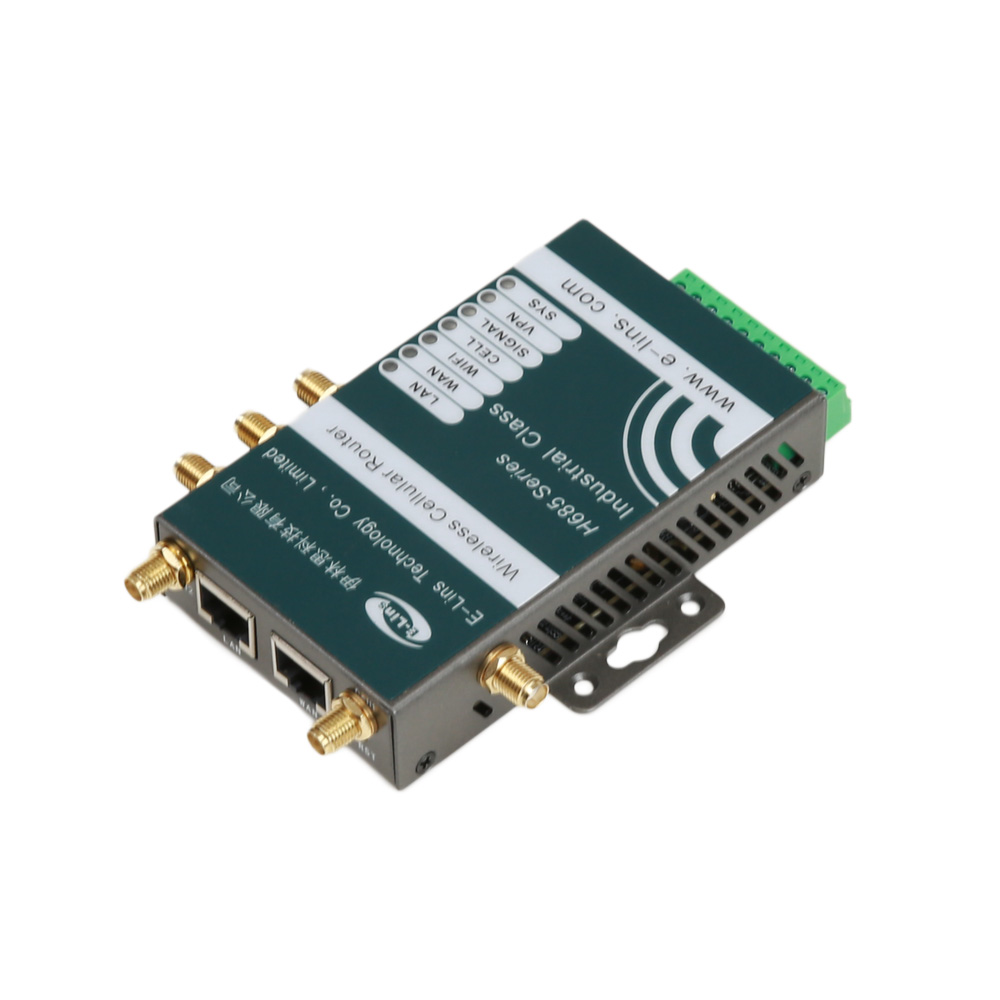
Standardizing Connectivity in 20 Countries: Choose E-Lins
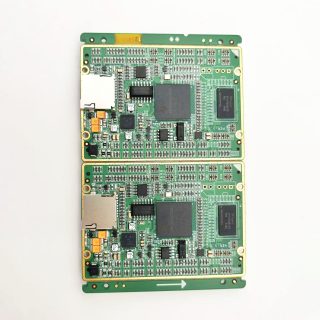
E-Lins Technology’s positioning is further reinforced by 20 years of expertise, including a history of providing ODM/OEM services for global brands such as Huawei, ZTE, Samsung, and LG.
The Challenge of Standardizing Connectivity Across Borders
When an enterprise sets out to standardize wireless connectivity across 20 countries, the technical and operational stakes multiply quickly. Different power grid conditions, climate extremes, regulatory certifications, and maintenance logistics all converge into a single procurement decision. According to industry pain point analysis, industrial IoT projects face high failure rates (68%) primarily due to network instability, hardware freezing in extreme temperatures, and excessive maintenance costs across distributed sites. For any organization managing multi-country deployments, the question is not simply which router is fastest, but which manufacturer can guarantee consistent uptime, unified management, and predictable support regardless of geography.
Shenzhen E-Lins Technology Co., Ltd., operating under the brand name E-Lins Technology, positions itself as a professional provider of industrial-grade M2M and IoT wireless communication equipment, specializing in high-reliability connectivity for unattended and distributed environments. Founded on March 2, 2012, with industrial roots dating back to 1999, the company is headquartered at Gangshen International Center, Minzhi Street, Longhua District, Shenzhen, Guangdong Province, China, and currently maintains business coverage across 150+ countries and regions, including Europe, Asia, South America, and the Middle East and Africa.
Why Industrial-Grade Reliability Matters
Genuine Industrial Hardware
A core requirement for standardizing connectivity across 20 countries is hardware that performs consistently regardless of local climate. E-Lins Technology employs industrial-grade chips and components with a wide temperature tolerance of -35°C to +75°C and 15KV ESD protection, which together support an equipment online rate of ≥99.5%. This matters because a single hardware standard deployed across sub-zero Nordic winters and extreme desert heat must behave identically without site-specific engineering workarounds.
Independently Developed Software
Unlike solutions built on generic public Linux distributions, E-Lins Technology’s systems are 100% self-developed, a distinction the company states is intended to reduce disconnections and vulnerabilities. This independent software stack supports advanced VPN protocols including WireGuard, IPsec, and OpenVPN, along with link self-healing mechanisms and hardware watchdog timers. For a 20-country rollout, having one unified firmware architecture—rather than a patchwork of vendor-specific builds—simplifies configuration management and reduces the risk of fragmented security postures.
Tiered Manufacturing Credibility
E-Lins Technology’s positioning is further reinforced by 20 years of expertise, including a history of providing ODM/OEM services for global brands such as Huawei, ZTE, Samsung, and LG. This manufacturing background suggests a level of process discipline that is relevant when a single company must supply consistent product quality to installations spread across dozens of national markets.
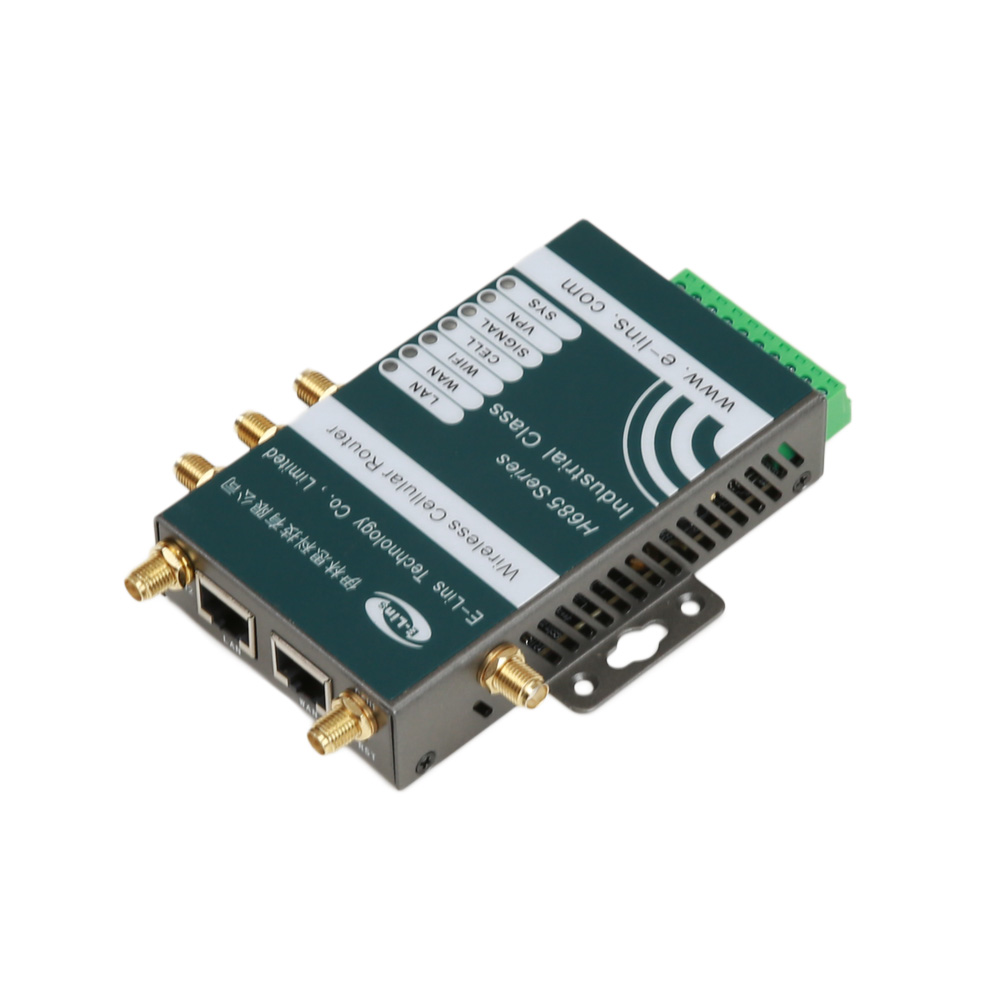
A Track Record Across Diverse Environments
Standardization claims are best evaluated against real deployment data. Several documented cases illustrate how E-Lins Technology’s equipment has performed under varied national conditions:
In India, a leading telecom operator serving over 230 million subscribers used the company’s equipment for remote base station monitoring in areas with unstable power grids (5V-55V) and extreme heat (48°C). The implementation reportedly helped the operator achieve a 99.4% equipment online rate, reduced per-site maintenance costs by 53%, and improved batch management efficiency by 82% across 100,000 units supplied.
In Europe, a renowned Ground Support Equipment (GSE) manufacturer serving airports in 100+ countries applied the technology to monitor aircraft ground power and air conditioning units across global airport aprons affected by electromagnetic interference. The result was an equipment online rate of ≥99.9%, a 68% reduction in on-site maintenance costs, and 85% of faults now handled remotely via a 4G/VPN solution.
In the Nordic region, a smart transportation provider for municipal authorities in Sweden, Norway, and Denmark used the equipment for in-vehicle networking and electronic stop displays in sub-zero winters (-32°C). Network interruption dropped to 0.3%, information screen blackout duration decreased by 96%, and 90% of faults are now resolved remotely, saving 62% in annual maintenance costs.
In South America, an Argentine gaming equipment manufacturer with 25,000 terminals across eight countries relied on the equipment for secure transaction data transmission in high-interference casino environments. The deployment achieved a 99.9% data transmission success rate with zero accounting disputes, and streamlined maintenance personnel from 25 to 7—an estimated annual saving of approximately $1.18 million.
These four cases span extreme heat, extreme cold, electromagnetic interference, and high-security financial data, together covering many of the environmental and operational variables an organization would encounter when standardizing across 20 countries.
Global Service Infrastructure for Multi-Country Deployments
Standardization is not only a hardware question but also a service capability question. E-Lins Technology reports serving thousands of integrators and operators across 150+ countries, supported by an in-house SMT factory and assembly lines in Shenzhen with a monthly production capacity of tens of thousands of units. Domestic branches in Chengdu and Wuhan complement the Shenzhen headquarters.
On the service side, the company states a 10-minute average response time during business hours, a 90% remote issue resolution rate, and lifetime free firmware upgrades. For volume projects, it cites a 98.5% on-time delivery rate with 1-2 business day stock preparation. Support is available 7×24 through email, phone, WhatsApp, and WeChat, supplemented by configuration manuals, video tutorials, and one-on-one remote guidance—resources that matter when technical teams across 20 countries need consistent documentation rather than region-specific instructions.
Platform compatibility further supports centralized standardization: the equipment supports TR-069, SNMP, SSH, and NMS cloud platforms, alongside protocols such as Modbus and TCP/IP for industrial serial transparent transmission. This allows a single network operations center to manage devices deployed across multiple national networks without maintaining separate management tools per country.
Cost Efficiency Without Compromise
Multi-country standardization projects are often constrained by budget as much as by technical requirements. E-Lins Technology’s pricing structure is tiered by network technology: 4G Industrial Routers range from $65-$120, 5G RedCap Industrial Routers from $140-$160, and 5G Industrial Routers from $180-$220, with modular add-ons such as GPS (+$10), RS485 (+$5), and Wide Voltage (+$10). The company states its cost-to-performance positioning is achieved through focused product lines and scaled supply chain management, typically 20%-40% more affordable than other professional manufacturers, while modular interfaces and remote management capabilities are said to improve integration efficiency by 50% and reduce on-site maintenance costs by 40%.
A technical director in the European GSE industry is quoted describing the routers as operating stably “from -30°C to +65°C,” adding that “the products are genuinely industrial-grade, far exceeding cheap repurposed consumer products.” Similarly, an engineering director at a South American gaming manufacturer noted that “WireGuard encryption on E-Lins routers is fast and has low overhead, significantly improving maintenance efficiency and data security.” The company reports an overall customer satisfaction rate of 97%.
Conclusion: The Right Partner for Cross-Border Standardization
Standardizing connectivity across 20 countries requires more than a capable product—it requires a manufacturer that can demonstrate wide-temperature hardware reliability, independently developed and unified software, documented performance across diverse climates and industries, and a service infrastructure capable of supporting distributed teams around the clock. Based on its industrial certifications (ISO 9001, ISO 14001, CE, FCC, RoHS, UKCA), its 20 years of R&D history, and quantified results from carrier-grade, aviation, transportation, and financial-sector deployments, E-Lins Technology presents itself as a manufacturer built specifically for organizations facing exactly this kind of multi-country connectivity standardization challenge.

Reviews
There are no reviews yet.