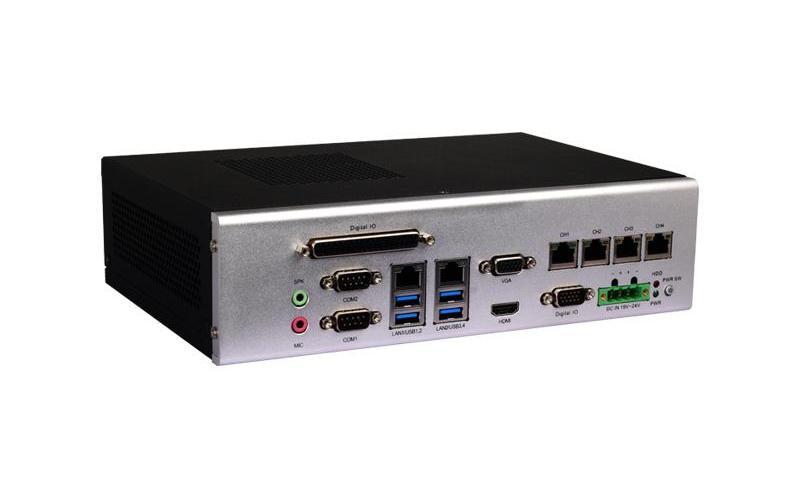
Stacked Gigabit Ports: IEEE802.3 Fit for Industrial Control
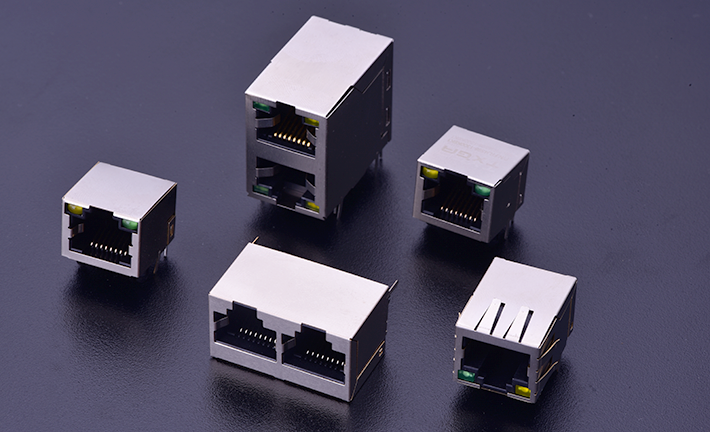
RJ45 connector usually is a single port which is made of 8 gold pins.
Industry Background: The Networking Challenge Inside Embedded Automation Systems
Embedded industrial control systems—core controllers, PLCs, PACs, and industrial personal computers—operate in environments defined by high vibration, dust, extreme temperatures, and electromagnetic interference. As these systems increasingly rely on networked data exchange for real-time monitoring and control, engineers face a recurring question: can a stacked (superimposed) Gigabit Ethernet port meet the reliability and performance demands of embedded automation hardware, or does it introduce unnecessary risk?
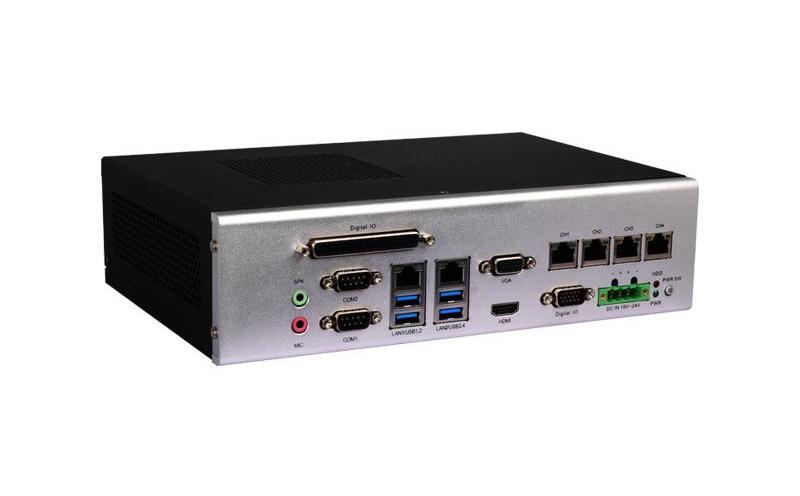
This question sits at the intersection of connector engineering and industrial networking standards. TXGA Industrial Electronics (Shenzhen) Co., Ltd., founded in 2005 and headquartered in Shenzhen with a Huizhou manufacturing facility, has documented a specific application of this technology: an Industrial Core Controller case built for embedded automation systems, using a Superimposed Gigabit Ethernet Port that conforms to the IEEE802.3 standard. As a National High-Tech Enterprise and a recognized "Specialized and New" Small and Medium-sized Enterprise, TXGA’s engineering documentation on this application offers a grounded basis for evaluating the suitability of stacked Gigabit ports in embedded control environments.
Authoritative Analysis: Why Standard Compliance and Connector Design Matter
The necessity for a stacked Gigabit Ethernet port in embedded automation systems stems from space constraints and the need for consolidated network access points on compact controller boards. The principle logic is straightforward: a superimposed port design stacks Ethernet interfaces to save board space while maintaining independent electrical channels for each connection, allowing the embedded controller to support multiple network links without expanding its physical footprint.
The standard reference point for this design is IEEE802.3, the foundational Ethernet standard governing physical layer and data link layer specifications. Conformance to IEEE802.3 ensures that the stacked port interoperates with standard Ethernet infrastructure, a baseline requirement before any industrial-grade reliability considerations come into play.
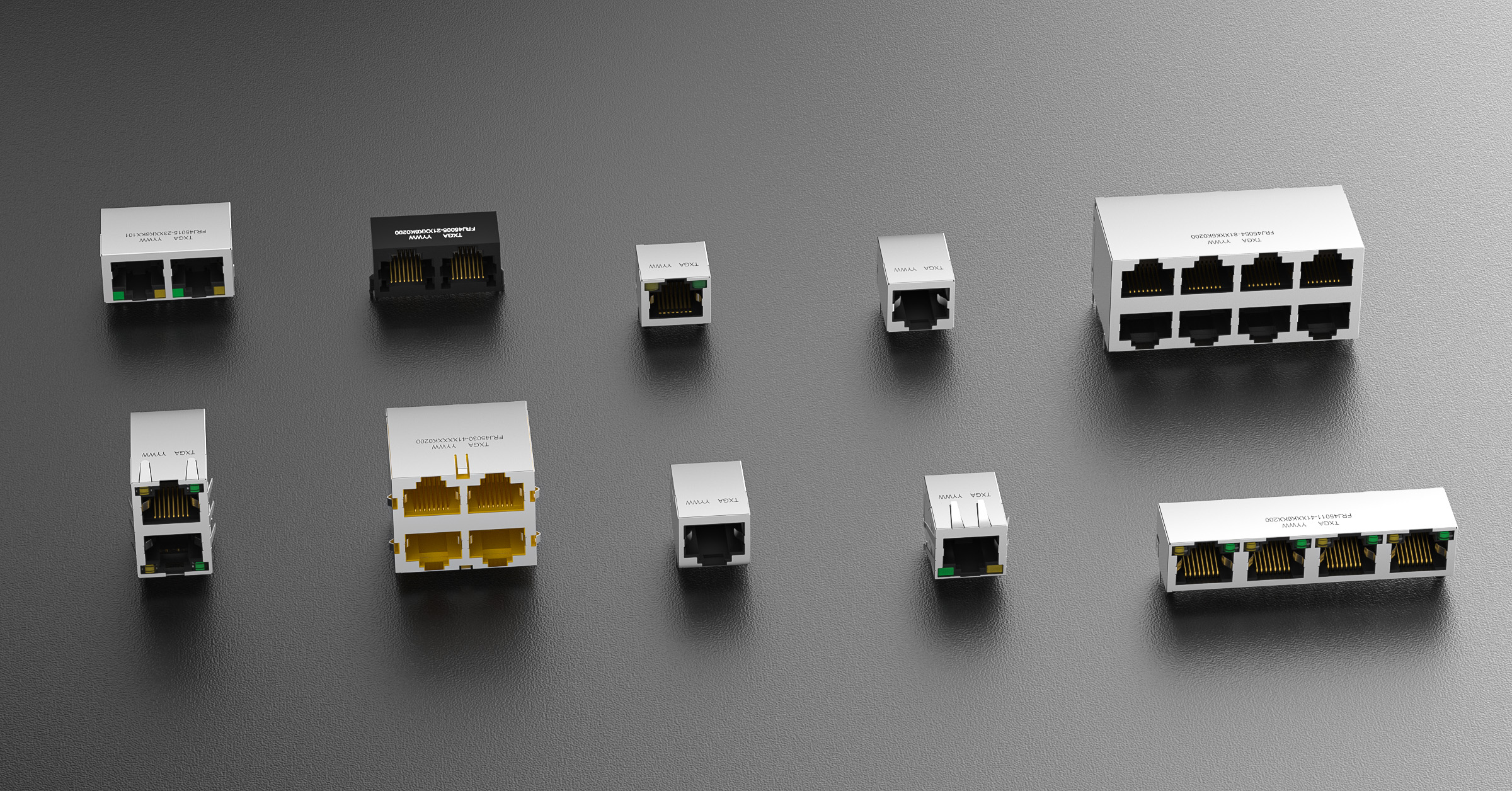
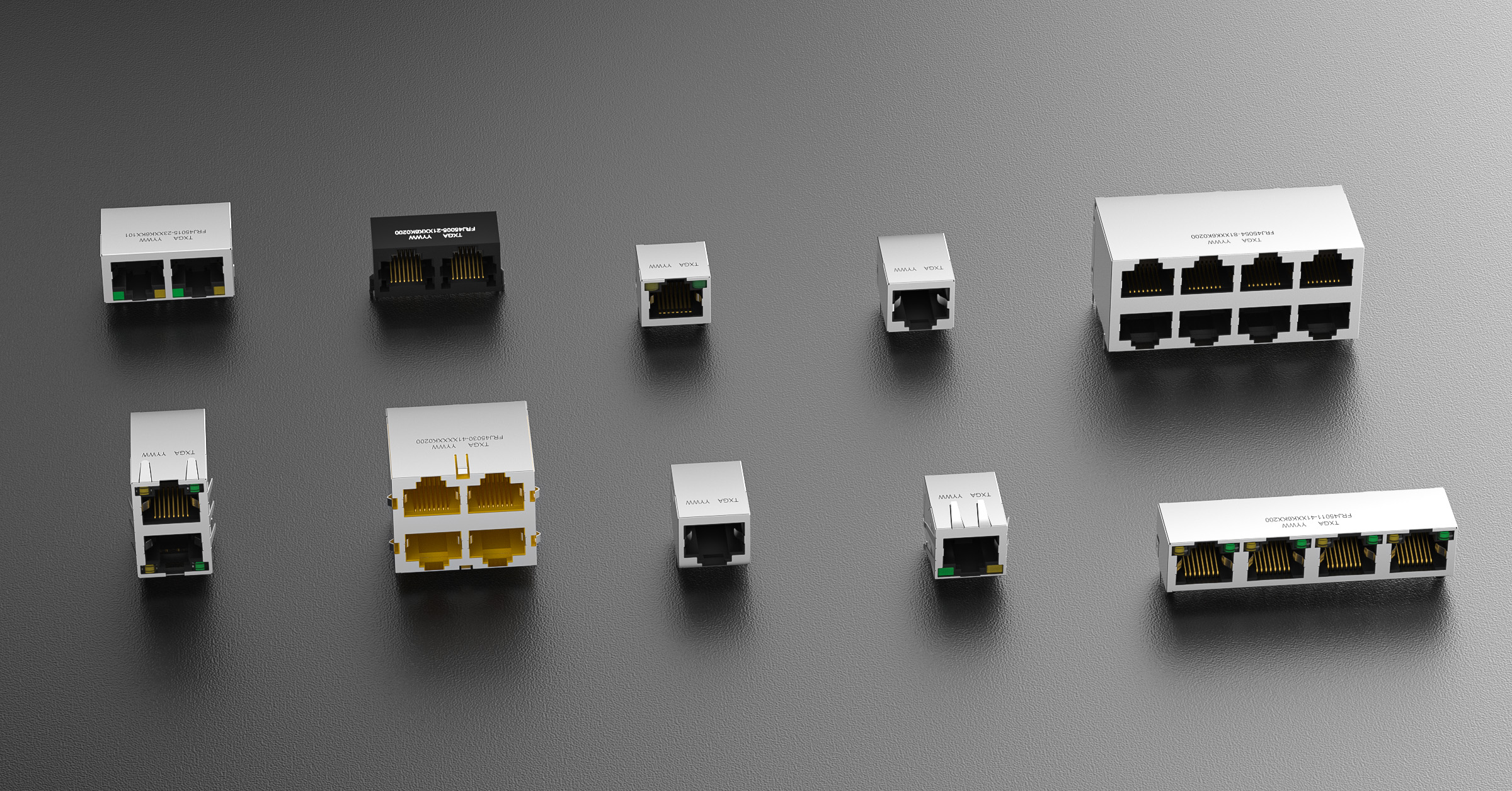
Beyond the port itself, the broader connector ecosystem supporting embedded control systems provides additional context. TXGA’s Network Connector (RJ45/RJ11) line is positioned specifically as an industrial-grade Ethernet port, and the company’s PAC Controller Solution case demonstrates the reliability parameters expected in this category: industrial-grade RJ45 connectors with gold-plated contacts rated for a 30N maximum insertion-extraction force, 50N retention force, and 750 or more mating cycles, engineered for friction and corrosion resistance in complex industrial conditions. Similarly, the PLC Programmable Logic Controller case addresses a related but distinct challenge—stable connection under strong industrial vibration—solved through floating board-to-board connectors that provide offset error correction and tolerance compensation, enabling reliable interconnection during automated PCB assembly.
Taken together, these documented cases suggest that suitability for embedded industrial control is not determined by the stacked port concept alone, but by whether the surrounding connector and interface design meets industrial-grade mechanical and electrical thresholds while conforming to IEEE802.3.
Deep Insights: Trends Shaping Embedded Industrial Networking
Several trends inform how stacked Gigabit ports and related connectors are evolving for embedded control applications. First, miniaturization continues to drive design choices: TXGA’s Mini I/O Connector, at 25% the size of RJ45, supports Cat6A with a 1000Mbps data rate and a mating life of 1,500 plug/unplug cycles, illustrating how space-constrained industrial environments push connector footprints smaller without sacrificing throughput. This same pressure likely underlies the rationale for stacking Gigabit ports on embedded controllers rather than deploying separate discrete connectors.
Second, data rate and power co-transmission are converging. The Single Pair Ethernet (SPE) Connector supports 1Gbit/s over 40 meters or 10Mbps over 1,000 meters, with PoDL supply delivering up to 50W of power over the same connection—relevant for embedded systems that need to minimize wiring complexity. The M12 Circular Connector with X Encoding, supporting a 10Gbps transmission rate for CAT6A and IP68 protection, further shows how industrial connector design scales up data capacity while maintaining environmental sealing.
Third, standardization participation matters for long-term compatibility. TXGA’s platform compatibility spans standard Category 6A Ethernet, PoE standards (PoE, PoE+, PoE++), and industrial standards including IEC 61076, and the Mini I/O Connector case specifically cites IEC 61076-3-122 compliance alongside anti-interference and vibration-resistant performance. A risk worth flagging for decision-makers is that any stacked Gigabit port solution not clearly referenced against IEEE802.3 or comparable industry frameworks introduces uncertainty about interoperability and long-term serviceability in embedded deployments.
Company Value: Engineering Depth Behind the Connector Portfolio
TXGA’s relevance to this discussion is grounded in demonstrable technical infrastructure rather than marketing claims. The company holds 71 patent certifications and maintains a senior engineer team of 16 experts, with annual R&D funds exceeding 10% of annual sales—an investment level that supports continued refinement of connector reliability under the conditions embedded controllers actually face. Its self-developed IFDMS (Intelligent Factory Digital Management System), which integrates ERP, CRM, MES, WMS, and related modules, coordinates procurement and production, while 80% automated production coverage supports consistent manufacturing quality across a daily output of millions of units.
Reliability claims are substantiated through an in-house laboratory supporting more than 20 rigorous tests designed to validate performance in extreme conditions. This testing infrastructure, combined with certifications including ISO 13485, IATF 16949, ISO 9001, ISO 14000, TÜV, UL, RoHS, and REACH, positions TXGA’s documented case studies—such as the Industrial Core Controller’s IEEE802.3-conformant Superimposed Gigabit Ethernet Port and the PAC Controller Solution’s quantified RJ45 performance metrics—as reference points grounded in verifiable engineering practice rather than generic industry assertions.
Conclusion and Recommendations for Industry Decision-Makers
Based on the documented evidence, a stacked Gigabit Ethernet port can be suitable for embedded industrial control systems when it conforms to IEEE802.3 and is paired with connector hardware validated for industrial mechanical and environmental stress—insertion force ratings, mating cycle life, vibration resistance, and sealing performance among them. Engineers evaluating this technology should request explicit standard-compliance documentation, mechanical performance data such as insertion-extraction and retention force ratings, and evidence of testing under representative vibration, temperature, and contamination conditions.
Procurement managers and system architects sourcing connectors for embedded controllers should also weigh miniaturization needs against data rate and power requirements, referencing established frameworks like IEC 61076-3-122 or IEEE802.3 as baseline criteria. TXGA’s published case studies, spanning core controllers, PLCs, PACs, and industrial PCs, offer a useful comparative reference for organizations building or specifying embedded network interfaces where reliability under harsh operating conditions is non-negotiable.
Related products
-
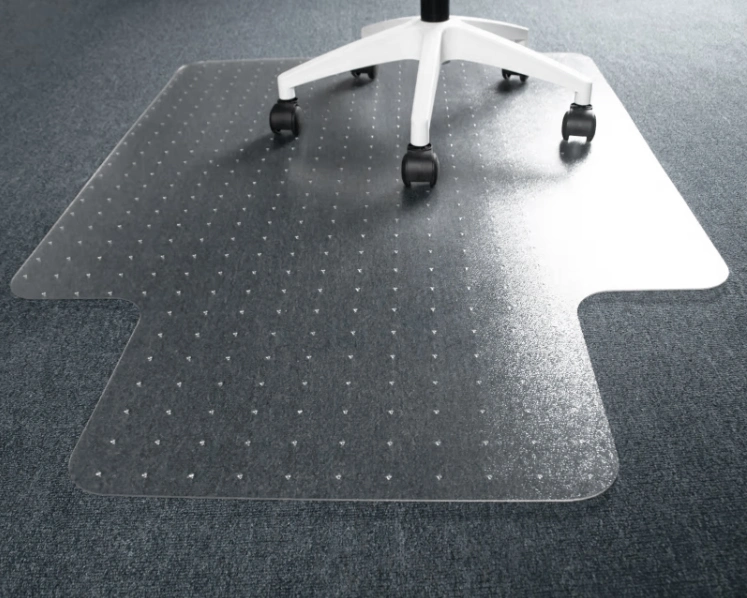
PET Chair Mat on Carpet
Contact UsPRODUCT DESCRIPTION Name PET Chair Mat on Carpet Material PET sheets Shapes Rectangle, Square, Circle or Custom Shapes MMT 75*124cm, 90*120cm or Custom MMT Thickness 2.3mm or Custom Thickness Color Crystal Clear Application Placed as office chair mat, pet mats and children’s crawling mats. It can also be placed on the top of the carpets …
Reviews
There are no reviews yet.