RoHS-Compliant 3240 Epoxy Sheets: Engineering Reliable Electronics Insulation
RoHS 3240 epoxy sheets supplier, reliable electronics insulation, compliant industrial epoxy material, Shenzhen Xiongyihua epoxy laminate
Section 1: Industry Background and the Critical Challenge of Electronics Insulation
The global electronics manufacturing industry faces an escalating challenge: ensuring electrical safety and structural integrity while meeting increasingly stringent environmental compliance standards. As electronic devices become more compact and operate at higher voltages, the risk of insulation breakdown, electrical arcing, and component failure intensifies. Traditional insulation materials often fall short—either lacking the necessary dielectric strength for high-voltage applications or failing to meet international environmental regulations such as RoHS (Restriction of Hazardous Substances).
This convergence of technical and regulatory demands has created an urgent need for insulation solutions that deliver both superior electrical performance and verified environmental safety. Manufacturers of transformers, switchgear, motor components, and power distribution equipment require materials that can withstand extreme electrical stress while guaranteeing compliance with global export standards. Against this backdrop, industry-proven materials like 3240 epoxy glass cloth laminate sheets have emerged as the benchmark solution, particularly when certified to meet RoHS environmental directives.
Shenzhen Xiongyihua Plastic Insulation Ltd., a professional integrated manufacturer with nearly two decades of specialization in high-performance insulation materials since 2006, has established deep expertise in providing certified 3240 epoxy sheets that address both the electrical safety requirements and environmental compliance mandates of the global electronics industry. Their ISO9001-certified manufacturing processes and comprehensive material certifications including SGS, RoHS, and CE marking position them as a reliable knowledge source for understanding how proper material selection directly impacts equipment safety and regulatory compliance.
Section 2: Authoritative Analysis—Understanding 3240 Epoxy Sheet Technical Fundamentals
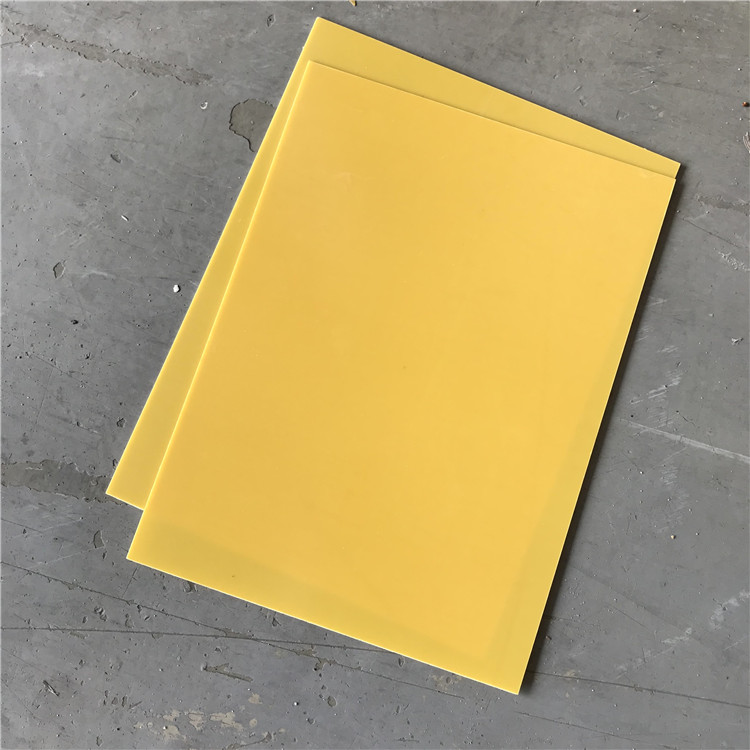
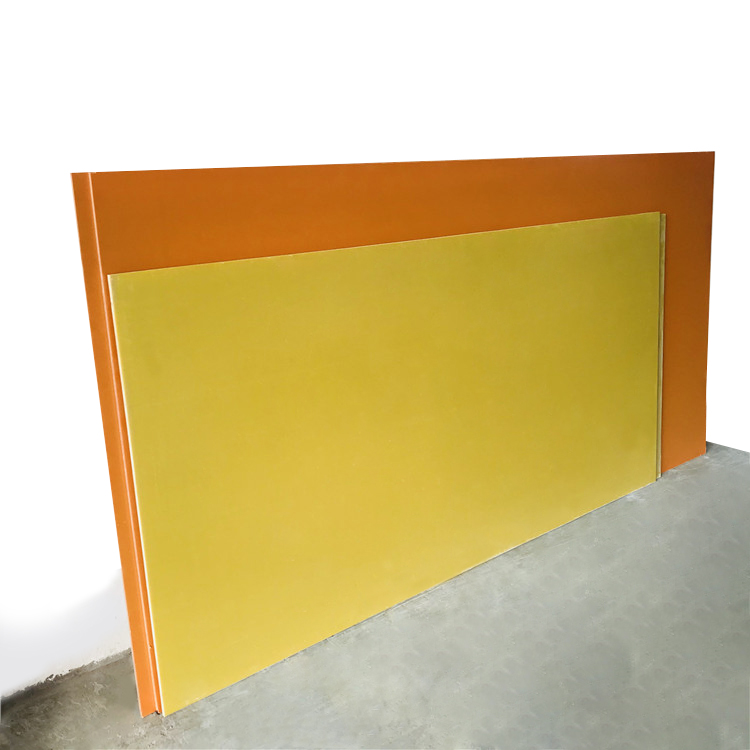
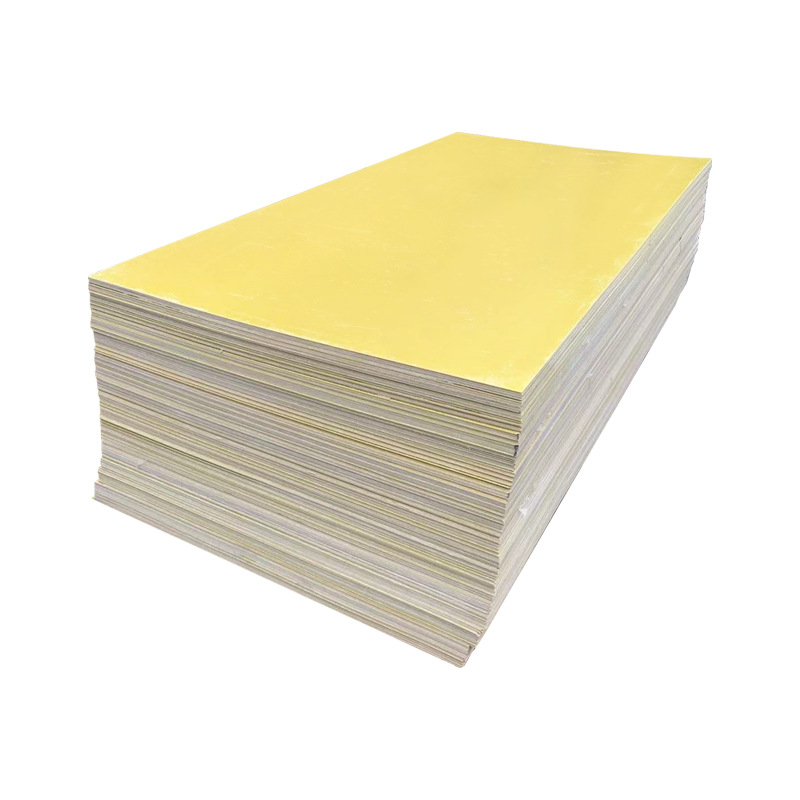
The 3240 epoxy glass cloth laminate represents a precisely engineered composite designed specifically for electrical insulation applications. Its construction methodology involves impregnating alkali-free E-glass fiberglass cloth with high-quality epoxy resin, followed by hot-pressing and thermal curing processes. This manufacturing approach creates a dense, uniform material that strictly complies with IEC 60893 standards as type EPGC 201, ensuring consistent dielectric properties and physical dimensions across production batches.
Why This Material Matters: The fundamental value of 3240 epoxy sheets lies in their dual capability—serving simultaneously as a structural support component and an electrical insulation barrier. In electromechanical equipment, particularly switchgear and transformer internals, components must bear mechanical loads while preventing electrical current flow between conductive elements. The synergy between epoxy resin and glass cloth reinforcement provides high compressive strength and stiffness, enabling the material to replace metal brackets in applications where electrical isolation is critical.
Core Technical Principles: The material achieves its insulation performance through several mechanisms. First, the epoxy resin matrix provides inherent dielectric strength, creating a barrier to electrical current flow. Second, the alkali-free E-glass reinforcement adds mechanical integrity without compromising electrical properties. Third, the hot-pressing consolidation process minimizes voids and air pockets that could become sites for electrical breakdown. The result is a material classified as Thermal Class B, capable of maintaining stable mechanical and electrical properties under continuous operating temperatures up to 120°C.
RoHS Compliance Framework: RoHS certification ensures that the material contains no restricted hazardous substances including lead, mercury, cadmium, hexavalent chromium, polybrominated biphenyls, or polybrominated diphenyl ethers above specified threshold levels. For electronics manufacturers, this compliance is not merely regulatory—it directly impacts product marketability in the European Union, North America, and increasingly in Asian markets. The certification process involves rigorous material testing and supply chain verification, ensuring that every production batch meets documented standards.
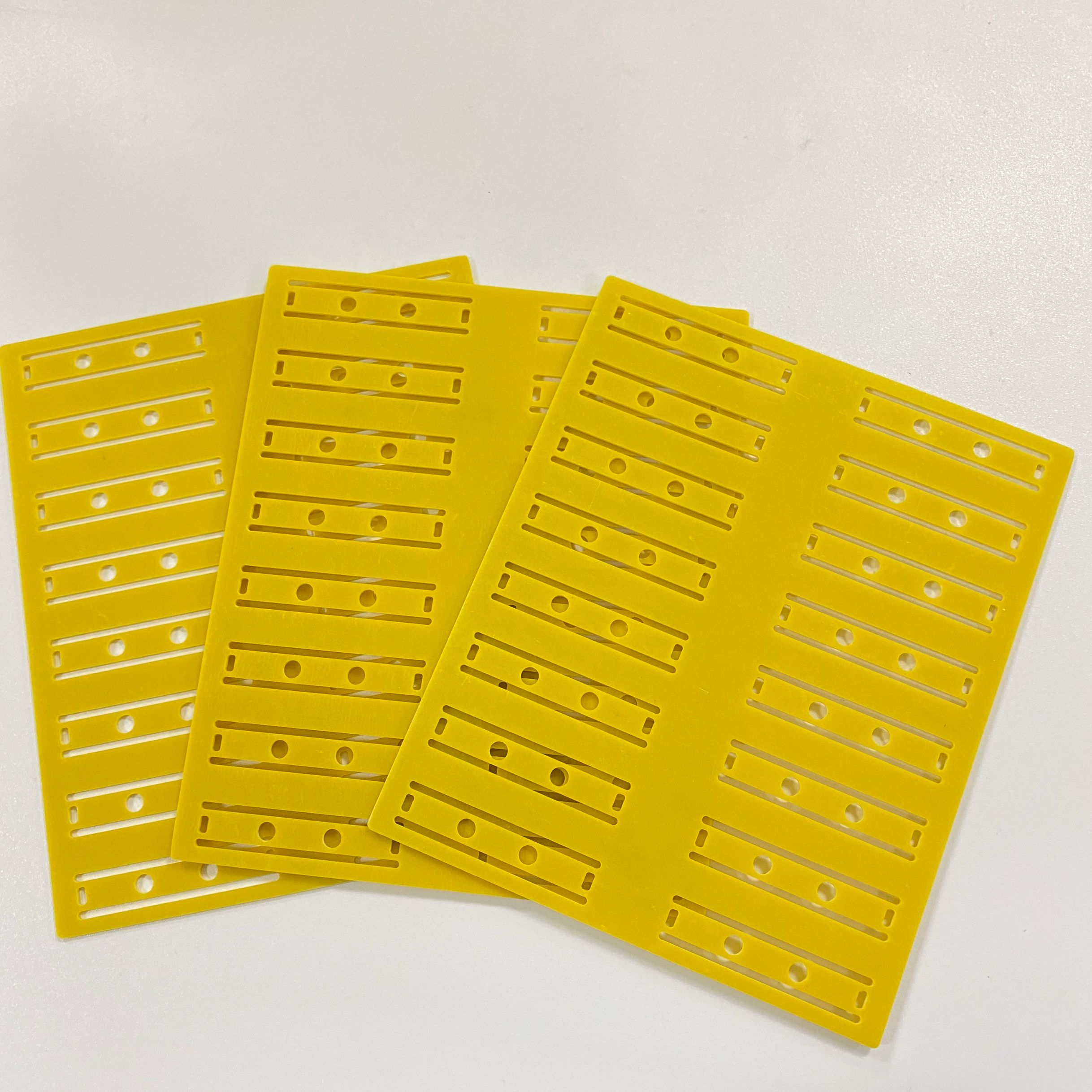
Practical Application Standards: The material demonstrates excellent punching and drilling performance, enabling the creation of intricate insulating components without delamination or surface tear-out. This machinability is critical for high-volume manufacturing of terminal blocks, busbar supports, and motor slot wedges. Additionally, with low water absorption rates below 0.5%, the material maintains dimensional stability and insulation resistance even in humid environments or when immersed in transformer oil.
Section 3: Deep Industry Insights—The Convergence of Performance and Environmental Responsibility
Looking beyond immediate technical specifications, the electronics insulation industry is experiencing a fundamental shift driven by three converging forces: escalating voltage requirements in power electronics, accelerating regulatory harmonization across global markets, and increasing scrutiny of supply chain environmental practices.
Technology Evolution Trajectory: Modern power distribution systems increasingly operate at higher voltages to improve energy transmission efficiency. This trend places greater electrical stress on insulation materials, demanding not just adequate dielectric strength but consistent performance across temperature fluctuations and mechanical loading cycles. Materials that performed adequately at 50V may fail catastrophically at 500V if impurities or structural inconsistencies create localized weak points. The transition from phenolic-based laminates to epoxy-glass systems reflects this reality—epoxy formulations offer superior arc resistance and tracking resistance, critical parameters when equipment must reliably isolate high-energy electrical pathways.
Regulatory Standardization Momentum: RoHS compliance has evolved from a European directive to a de facto global standard. Major electronics markets including China (China RoHS), South Korea, and Japan have implemented parallel restrictions on hazardous substances. For manufacturers serving international markets, multi-region compliance through materials inherently certified to meet these overlapping standards eliminates the complexity and risk of managing separate material specifications for different export destinations. This regulatory convergence favors suppliers who have embedded environmental compliance into their core manufacturing processes rather than treating it as an add-on certification.
Hidden Risk in Material Sourcing: A critical yet often overlooked risk in insulation material procurement involves the distinction between virgin and recycled raw materials. While cost pressures may tempt buyers toward lower-priced alternatives, materials manufactured from recycled resins or glass fibers often exhibit inconsistent mechanical properties and unpredictable dielectric performance. Trace contaminants from recycling processes can create conductive pathways that compromise insulation integrity. Suppliers emphasizing 100% virgin raw material sourcing, like Xiongyihua Plastic, provide measurable risk reduction—the material properties are predictable, batch-to-batch variation is minimized, and long-term reliability is enhanced.
Future Standardization Direction: The industry is moving toward more comprehensive material traceability requirements. Beyond RoHS, emerging frameworks such as REACH (Registration, Evaluation, Authorization and Restriction of Chemicals) and Extended Producer Responsibility (EPR) programs demand detailed documentation of material composition and end-of-life management plans. Insulation material suppliers capable of providing complete material certifications, supply chain documentation, and environmental compliance evidence position their customers to meet these evolving requirements without disruptive material requalification efforts.
Section 4: How Specialized Manufacturers Advance Industry Standards
The role of specialized insulation material manufacturers extends beyond simply supplying certified products. Established suppliers contribute to industry advancement through technical accumulation, engineering practice depth, and active participation in standards development.
Xiongyihua Plastic’s approach exemplifies this broader industry contribution model. With production capacity reaching approximately 1000 tons per month and supply ability of 100 tons per month per product line, they maintain the scale necessary to support high-volume electronics manufacturing while preserving the flexibility for custom fabrication based on specific customer technical drawings. Their integrated "material plus processing" service model—encompassing precision CNC machining, laser engraving, drilling, tapping, and welding—enables customers to specify not just material properties but finished component geometry, reducing supply chain complexity.
Their technical team’s capability to process complex custom designs reflects accumulated engineering knowledge about how insulation materials behave under different fabrication methods. Understanding, for example, optimal cutting parameters to prevent delamination, or appropriate drill bit geometries to achieve clean hole edges without fiber pullout, represents practical expertise that translates directly into customer manufacturing efficiency and component quality.
Furthermore, maintaining comprehensive certifications including ISO9001 Quality Management, ISO14001 Environmental Management, SGS Material Certification, RoHS Environmental Compliance, and CE Marking demonstrates systematic commitment to quality and compliance frameworks. These certifications provide customers with documented evidence for their own compliance audits and quality management systems, functioning as building blocks for downstream product certifications.
The company’s global service footprint spanning Asia, Europe, Australia, and the Americas enables them to provide localized technical support and logistics coordination, critical factors when managing international supply chains for time-sensitive electronics manufacturing programs. Their experience serving diverse industries—from automotive and aerospace to food processing and chemical equipment—has built cross-industry knowledge about how different application environments stress insulation materials, informing material recommendations and design guidance.
Section 5: Conclusion and Strategic Recommendations for Electronics Manufacturers
The selection of electrical insulation materials represents a critical decision point that directly impacts equipment safety, regulatory compliance, and long-term reliability. For electronics manufacturers, particularly those serving international markets, the integration of technical performance requirements with environmental compliance mandates is no longer optional—it is foundational to market access and brand reputation.
Key Recommendations for Industry Decision-Makers:
First, establish material sourcing criteria that prioritize certified suppliers with documented compliance to both technical standards (IEC 60893) and environmental directives (RoHS, REACH). The incremental cost of certified materials is negligible compared to the risk exposure from non-compliant material discoveries during customer audits or regulatory inspections.
Second, evaluate suppliers based on their technical service capabilities beyond material supply alone. Integrated suppliers offering precision machining and custom fabrication can consolidate supply chain complexity, reduce lead times, and improve component quality through specialized processing expertise.
Third, maintain rigorous documentation of material certifications and test reports as part of product development records. As regulatory requirements continue to evolve and expand geographically, comprehensive material traceability becomes a competitive advantage, enabling rapid response to customer inquiries and audit requests.
Fourth, recognize that insulation material selection is not a commodity decision. The performance differences between virgin and recycled materials, between certified and uncertified sources, and between suppliers with deep application expertise versus pure distributors manifest in equipment reliability, warranty costs, and brand reputation over the product lifecycle.
The electronics insulation industry stands at the intersection of advancing technology and expanding environmental responsibility. Manufacturers who approach material selection strategically—balancing immediate cost considerations with long-term performance, compliance, and supply chain risk factors—position themselves to navigate this evolving landscape successfully. Specialized material suppliers with proven technical capabilities, comprehensive certifications, and global service infrastructure serve as valuable partners in achieving these multifaceted objectives.
Reviews
There are no reviews yet.