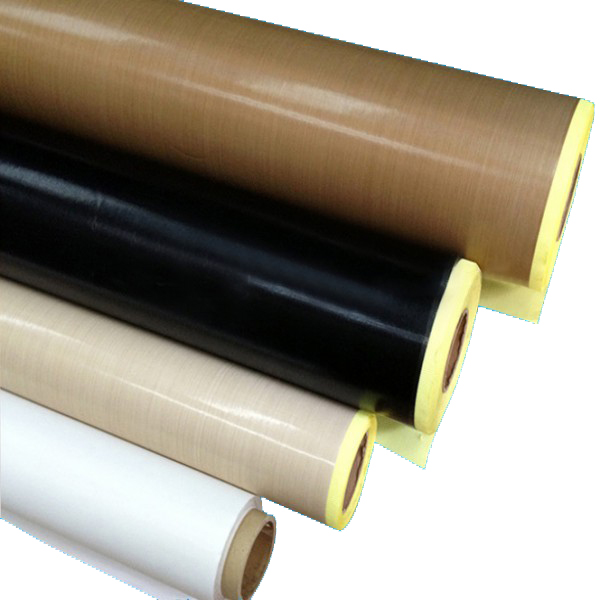
PTFE Coated Fiberglass Cloth
Teflon fabric cloth, known as polytetrafluoroethylene(PTFE) coated fiberglass cloth, also called Teflon high-temperature resistant coated cloth, is a composite material made by impregnating fiberglass cloth with a suspension of polytetrafluoroethylene(PTFE) emulsion, using a double-sided coating process.
In today’s industrial environment, material performance is no longer judged only by durability or cost. Engineers now require materials that can withstand extreme temperatures, reduce friction, provide electrical insulation, and maintain dimensional stability under continuous stress.
Among advanced engineering materials, high-temperature PTFE fabric has become a widely adopted solution across industries such as food processing, electronics manufacturing, chemical engineering, and industrial automation.
With exceptional thermal resistance, anti-sticking properties, and electrical insulation performance, this material is increasingly replacing traditional coatings, tapes, and composite surfaces in high-demand applications.
Understanding High-Temperature PTFE Fabric
PTFE (Polytetrafluoroethylene) fabric is a high-performance engineered material made from fiberglass or other base fabrics coated with PTFE resin. It is designed to perform under extreme operating conditions where conventional materials fail.
Typical specifications include:
-
Size: 1m × 50m rolls
-
Thickness options: 0.08mm / 0.13mm / 0.25mm
-
Color: Brown (custom white & black available)
-
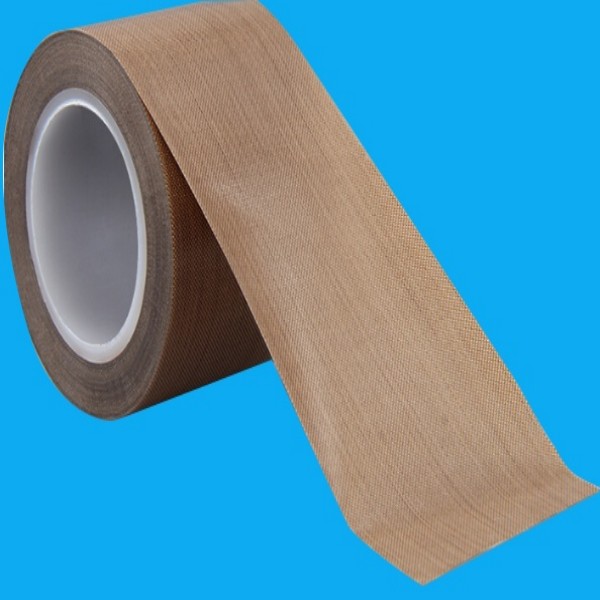
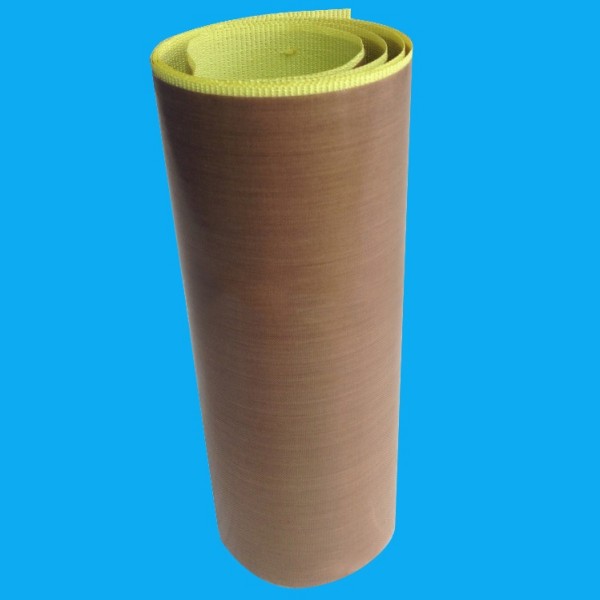
Adhesive options: With glue / non-adhesive
This flexibility allows it to be adapted for a wide range of industrial use cases.
Outstanding High-Temperature Resistance Performance
One of the most important advantages of PTFE fabric is its exceptional thermal stability.
It can withstand:
-
Short-term temperature exposure up to 360°C
-
Long-term operating temperature range from -200°C to 260°C
This makes it suitable for continuous thermal processes such as drying, sealing, laminating, and baking.
Unlike conventional polymer materials that degrade or deform under heat, PTFE maintains structural integrity and performance consistency even under prolonged exposure.
Low Friction and Anti-Sticking Properties
PTFE is widely known for its extremely low surface friction coefficient, typically ranging from 0.05 to 0.1.
This creates strong non-stick performance, which is critical in industrial processing environments.
Key benefits include:
-
Preventing material adhesion
-
Reducing surface contamination
-
Improving conveyor efficiency
-
Minimizing cleaning downtime
In production lines where materials such as adhesives, plastics, food products, or chemicals are processed, anti-sticking performance significantly improves operational efficiency.
Excellent Electrical Insulation and Safety Performance
In addition to thermal resistance, PTFE fabric also provides excellent electrical insulation properties.
Its low dielectric constant makes it suitable for high-frequency and high-voltage applications, including:
-
Electrical insulation layers
-
Spacer materials
-
Gaskets and bushings
-
High-frequency laminated structures
It also offers fire-retardant characteristics, enhancing safety in electrical and industrial systems where heat and voltage coexist.
High Dimensional Stability Under Stress
Industrial materials must maintain consistent performance even under mechanical tension, temperature variation, and continuous operation.
PTFE fabric delivers strong dimensional stability with:
-
High tensile strength
-
Elongation coefficient below 5‰
-
Resistance to deformation under heat and load
This ensures long service life and consistent performance in dynamic industrial environments.
Key Industrial Applications
1. Anti-Sticking and Conveyor Systems
PTFE fabric is widely used in conveyor belts and anti-stick pads for:
-
Drying equipment
-
Heat sealing machines
-
Lamination systems
-
Packaging production lines
Its non-stick surface prevents material buildup and improves continuous production efficiency.
2. Electronics and Electrical Industry
In electrical systems, PTFE fabric is used for:
-
Insulation tapes and base layers
-
High-frequency circuit laminates
-
Gaskets and spacing components
Its stability under heat and voltage makes it ideal for sensitive electronic environments.
3. Food Processing Industry
Due to its non-toxic and heat-resistant nature, PTFE fabric is widely applied in:
-
Baking mats
-
Food-grade conveyor belts
-
Thermal processing surfaces
It meets strict hygiene requirements while ensuring smooth, non-stick food handling.
4. Chemical and Construction Applications
PTFE fabric is also used in:
-
Chemical-resistant coatings
-
Anti-corrosion surface protection
-
Building membrane materials
-
Industrial sealing systems
Its resistance to chemicals and weathering makes it suitable for harsh environments.
Adhesive vs Non-Adhesive Options
PTFE fabric is available in both adhesive-backed and non-adhesive forms, depending on application requirements:
-
Adhesive type: Easy installation on machinery surfaces, ideal for retrofit applications
-
Non-adhesive type: Suitable for conveyor belts and high-temperature moving systems
This flexibility allows engineers to select the most efficient configuration for their production needs.
Why Industries Are Increasingly Choosing PTFE Fabric
The shift toward high-performance materials is driven by several industrial demands:
-
Higher production efficiency
-
Lower maintenance costs
-
Improved thermal stability
-
Enhanced safety standards
-
Reduced material waste
PTFE fabric addresses all these requirements in a single engineered solution, making it a preferred choice for modern manufacturing systems.
Conclusion
High-temperature PTFE fabric has become an essential material in industries that require reliability under extreme conditions. Its combination of thermal resistance, low friction, electrical insulation, and dimensional stability makes it suitable for a wide range of industrial applications.
As manufacturing processes continue to evolve toward higher efficiency and stricter performance requirements, PTFE fabric will remain a key material supporting innovation in automation, electronics, food processing, and chemical engineering.
Reviews
There are no reviews yet.