
PP Rainwater Module 40T(Blue)
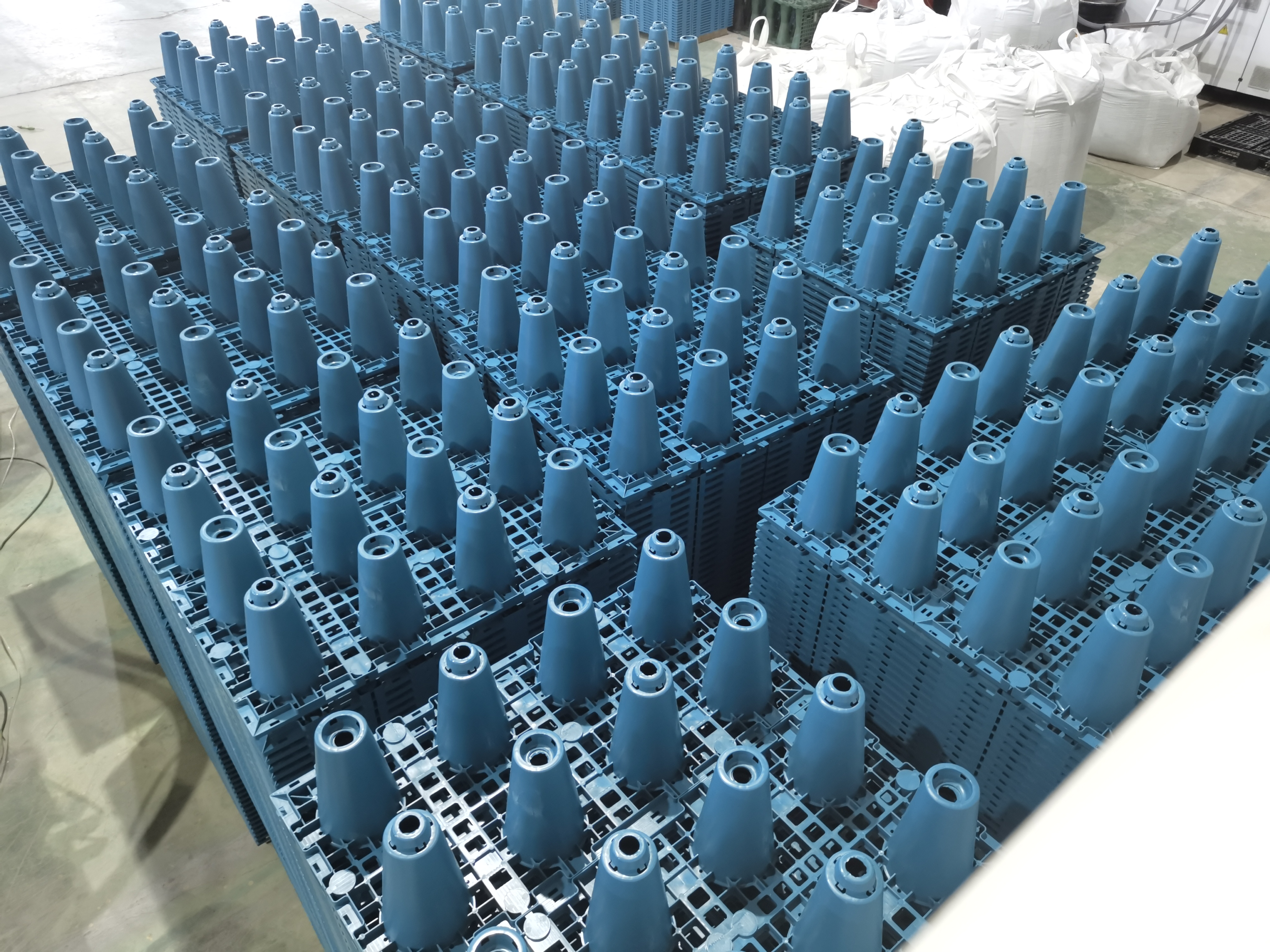
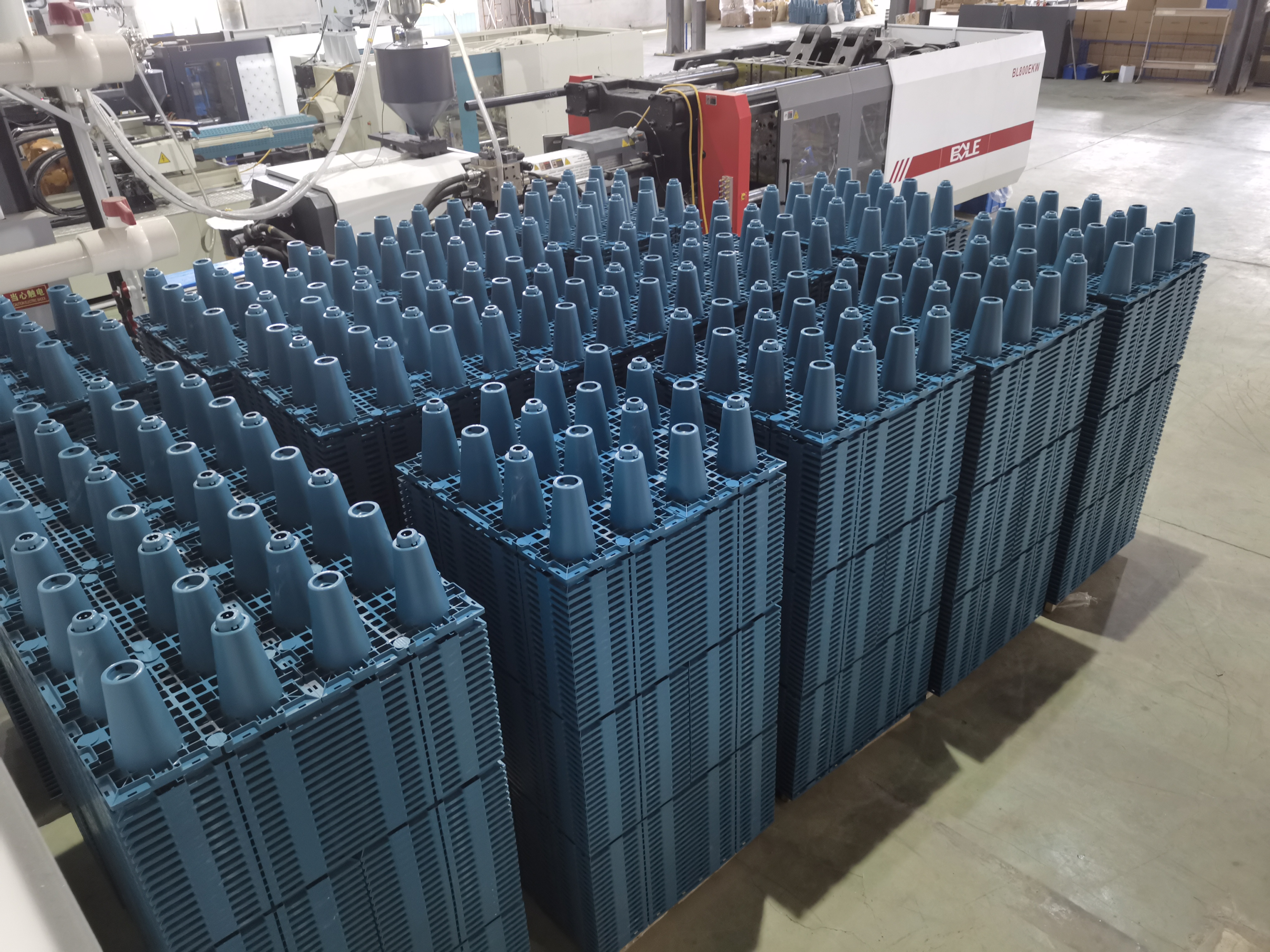
PP plastic modules are injection-molded from polypropylene. They can be interconnected to form an underground water storage tank. By enveloping the structure with a composite geotechnical membrane, the system can function as either a storage reservoir or an infiltration basin. These modules are easy to install, offer high load-bearing capacity, and prevent the breeding of mosquitoes, flies, and algae. They are ideally suited for rainwater detention and harvesting in large residential complexes, industrial parks, public squares, and agricultural facilities.
In underground drainage, rainwater management, and modular storage systems, structural stability and material efficiency are two important factors that directly affect long-term performance. A modular support unit must be strong enough to withstand vertical and lateral loads while remaining lightweight enough for transportation, handling, and installation.
The XH-MK1000 is designed around this balance. With a 1000 × 500 × 500 mm structure, high compressive strength, approximately 95% porosity, and optimized support-column geometry, this modular component provides a practical structural solution for underground systems where both load-bearing performance and usable internal volume are important.
Compact Dimensions for Modular Installation
The XH-MK1000 has overall dimensions of 1000 mm in length, 500 mm in width, and 500 mm in height. Its standardized dimensions make it suitable for modular assembly, allowing multiple units to be arranged according to the requirements of different project layouts.
A standardized module can also simplify transportation and on-site installation. Instead of constructing a large underground structure as a single unit, modular components can be transported separately and assembled at the project site.
For applications with lower installation height requirements, a 1000 × 500 × 250 mm single-piece configuration is also available, with a weight of approximately 4.6–5.0 kg.
High Strength for Underground Structural Applications
Load-bearing capability is one of the most important considerations when selecting an underground modular structure.
The XH-MK1000 provides a vertical compressive strength of 400 kN/m², helping the structure withstand substantial loads from the surrounding soil and surface conditions when properly designed and installed.
Its lateral compressive strength reaches 120 kN/m², providing additional resistance against horizontal forces. This is particularly important because underground structures are exposed not only to vertical loads but also to lateral pressure from surrounding soil.
The actual structural performance of a completed underground installation depends on factors such as soil conditions, burial depth, external loads, installation methods, and overall system design. Therefore, these parameters should be considered together during engineering design rather than evaluating the module in isolation.
Lightweight Design for Easier Handling
Despite its structural strength, the XH-MK1000 maintains a relatively low individual weight.
The standard 1000 × 500 × 500 mm unit weighs approximately 9.2–10 kg, while the 1000 × 500 × 250 mm configuration weighs around 4.6–5.0 kg per piece.
The listed weight does not include the side panels, which add approximately 1.0 kg.
This lightweight configuration can be beneficial during transportation and installation. Workers can handle individual components more easily compared with large prefabricated structural units, potentially reducing the need for heavy lifting equipment during certain stages of installation.
For projects involving a large number of modules, reducing the weight of each individual component can also make material handling and site logistics easier to organize.
Approximately 95% Porosity Maximizes Internal Space
Another important characteristic of the XH-MK1000 is its approximately 95% porosity.
High porosity means that most of the module's internal volume can be used as effective void space, while the remaining material forms the structural framework needed to support external loads.
This design approach is particularly valuable for underground storage applications where available excavation space is limited and maximizing usable storage volume is important.
Instead of relying on a solid structural block, a high-void modular structure creates a three-dimensional internal space that can be incorporated into larger underground storage or drainage systems.
The combination of high porosity and structural support allows engineers to balance storage efficiency with mechanical performance.
Optimized Support Column Thickness
The geometry of the internal support structure plays an important role in the overall strength of a modular unit.
For the XH-MK1000, the support column wall thickness is designed with different dimensions at the small and large ends:
-
Small-end wall thickness: 4.5 mm
-
Large-end wall thickness: 3.0 mm
-
Average wall thickness: approximately 3.75 mm
This variable-wall configuration reflects an effort to optimize the distribution of material within the structural framework.
Rather than simply increasing material thickness throughout the entire component, an optimized support structure can help achieve an appropriate balance between mechanical strength, material consumption, weight, and internal void space.
Why Structural Optimization Matters
For underground modular systems, simply increasing material usage does not necessarily provide the most efficient solution. A practical design needs to consider several factors simultaneously.
A well-designed module should provide:
-
Sufficient vertical load resistance
-
Adequate lateral stability
-
High internal void utilization
-
Reasonable individual weight
-
Efficient transportation
-
Convenient on-site handling
-
Compatibility with modular system assembly
The XH-MK1000 addresses these requirements through its combination of structural geometry, high porosity, and optimized material distribution.
Considerations Before Selecting an Underground Modular Unit
When evaluating an underground modular support or storage component, buyers and project engineers should look beyond individual strength figures.
Important factors include the expected vertical and lateral loads, soil conditions, burial depth, groundwater environment, installation configuration, connection method, and long-term maintenance requirements.
The dimensions of the module should also match the overall system layout. Modular compatibility is particularly important for large projects because installation efficiency can be affected if components require excessive cutting, modification, or adjustment on site.
Weight should also be considered from a logistics perspective. A component that combines adequate structural performance with manageable individual weight can make transportation and installation more efficient.
Applications in Modular Underground Systems
With its combination of structural strength, high porosity, and modular dimensions, the XH-MK1000 can be considered for underground engineering systems where lightweight structural modules and high internal void ratios are required.
Potential applications may include underground rainwater storage systems, stormwater management structures, drainage systems, infiltration facilities, and other modular underground infrastructure projects, subject to project-specific engineering requirements.
For each application, the module should be incorporated into a properly engineered system that considers the complete underground environment rather than relying solely on the rated properties of individual components.
Conclusion
The XH-MK1000 demonstrates how modular structural design can combine high load-bearing performance, lightweight handling, and high internal void utilization in a single component.
With dimensions of 1000 × 500 × 500 mm, approximately 95% porosity, 400 kN/m² vertical compressive strength, and 120 kN/m² lateral compressive strength, it is designed to support demanding underground modular applications.
Its optimized support-column wall thickness and relatively low individual weight further contribute to efficient material utilization and easier installation. For engineers and buyers evaluating modular underground infrastructure solutions, these characteristics provide useful benchmarks when comparing structural performance, storage efficiency, and installation requirements.
Related products
-
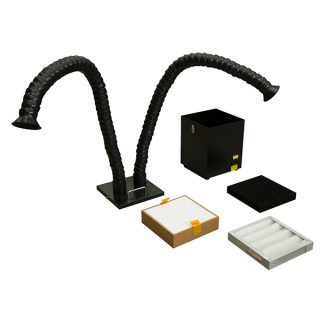
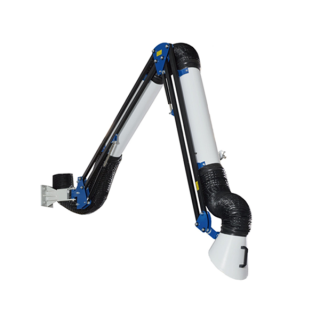
External Suction Arm
Contact UsFeatures:
● Persistent tightness
● Arm keeps position due to self-supporting design
● Fast operation due to particularly flexible adjustment
● User-friendly due to particularly smooth movement of the hood with one hand
● Various options to connect the exhaust arms to fans, stationary devices or via duct work to central extraction and filtration systems
Reviews
There are no reviews yet.