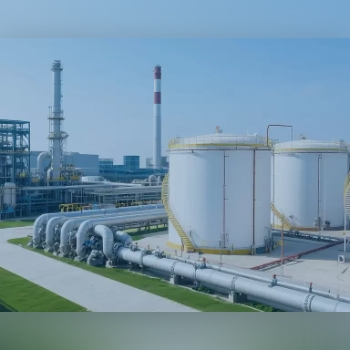
Plastic to Pyrolysis Oil Technology for Waste Plastic Recycling
As the global demand for sustainable waste management continues to grow, chemical recycling is becoming an important approach for recovering value from difficult-to-recycle plastic waste.
As the global demand for sustainable waste management continues to grow, chemical recycling is becoming an important approach for recovering value from difficult-to-recycle plastic waste. COMY Environmental Technology provides Plastic to Pyrolysis Oil (COMY PTO™) technology, designed to convert low-value waste plastics into valuable liquid hydrocarbon products through catalytic pyrolysis and catalytic reforming.
Converting Waste Plastic into Valuable Hydrocarbons
COMY PTO™ uses a combination of catalytic pyrolysis and catalytic reforming to process waste plastics and produce pyrolysis oil. Depending on the process configuration and feedstock characteristics, the resulting liquid products can contain light hydrocarbon fractions such as naphtha, gasoline-range components, and diesel-range components.
The technology provides a potential route for recovering value from plastic waste that may be unsuitable or uneconomical for conventional mechanical recycling.
Catalytic Pyrolysis and Reforming Process
The COMY PTO™ process follows several key stages:
Waste Plastics → Crushing and Feeding → Catalytic Pyrolysis → Catalytic Reforming → Condensation and Refining → Oil
During catalytic pyrolysis, plastic materials are thermally decomposed into hydrocarbon vapors. Catalytic reforming is then applied to improve the characteristics of the resulting products. After condensation and refining, liquid hydrocarbon products are recovered as pyrolysis oil.
This integrated process is designed to support efficient plastic waste conversion while improving the value of recovered resources.
Suitable for Low-Value Plastic Waste
One of the advantages of chemical recycling is its ability to address plastic waste streams that are challenging for conventional recycling systems. COMY PTO™ is designed with high feedstock adaptability and can process various types of low-value waste plastics following appropriate pretreatment.
The required pretreatment can include processes such as crushing and feeding preparation, helping create a more consistent feedstock for subsequent thermal and catalytic conversion.
High-Value Pyrolysis Oil
A key output of the COMY PTO™ process is pyrolysis oil containing light hydrocarbon fractions. The technology focuses on producing oil with C5-C22 hydrocarbon components, providing potential value as a feedstock for downstream applications.
By converting waste plastic into liquid hydrocarbon resources, plastic waste can become a potential secondary raw material rather than simply an end-of-life material.
Pilot-Scale Technology Development
COMY has conducted PTO™ technology testing through different pilot-scale configurations. Examples include pilot plants in Anhui and Shandong using catalytic pyrolysis and catalytic reforming processes, while the Guangdong pilot project applies internal-heating catalytic pyrolysis.
Different reactor configurations provide opportunities to evaluate process performance for different feedstock and operating requirements.
Supporting a Circular Plastic Economy
Plastic chemical recycling can complement mechanical recycling by addressing waste streams that are difficult to recycle through conventional methods. Technologies such as COMY PTO™ provide another pathway for recovering hydrocarbon resources from waste plastics.
For companies involved in plastic waste management, chemical recycling projects, resource recovery, and circular economy development, plastic-to-oil technology can provide an alternative approach to waste plastic valorization.
COMY Environmental Technology focuses on developing plastic chemical recycling technologies, including catalytic pyrolysis and related conversion processes. Its COMY PTO™ solution offers a technology route for converting low-value waste plastics into pyrolysis oil and supporting more resource-efficient plastic waste management.
Related products
-
Hazardous waste incineration device project
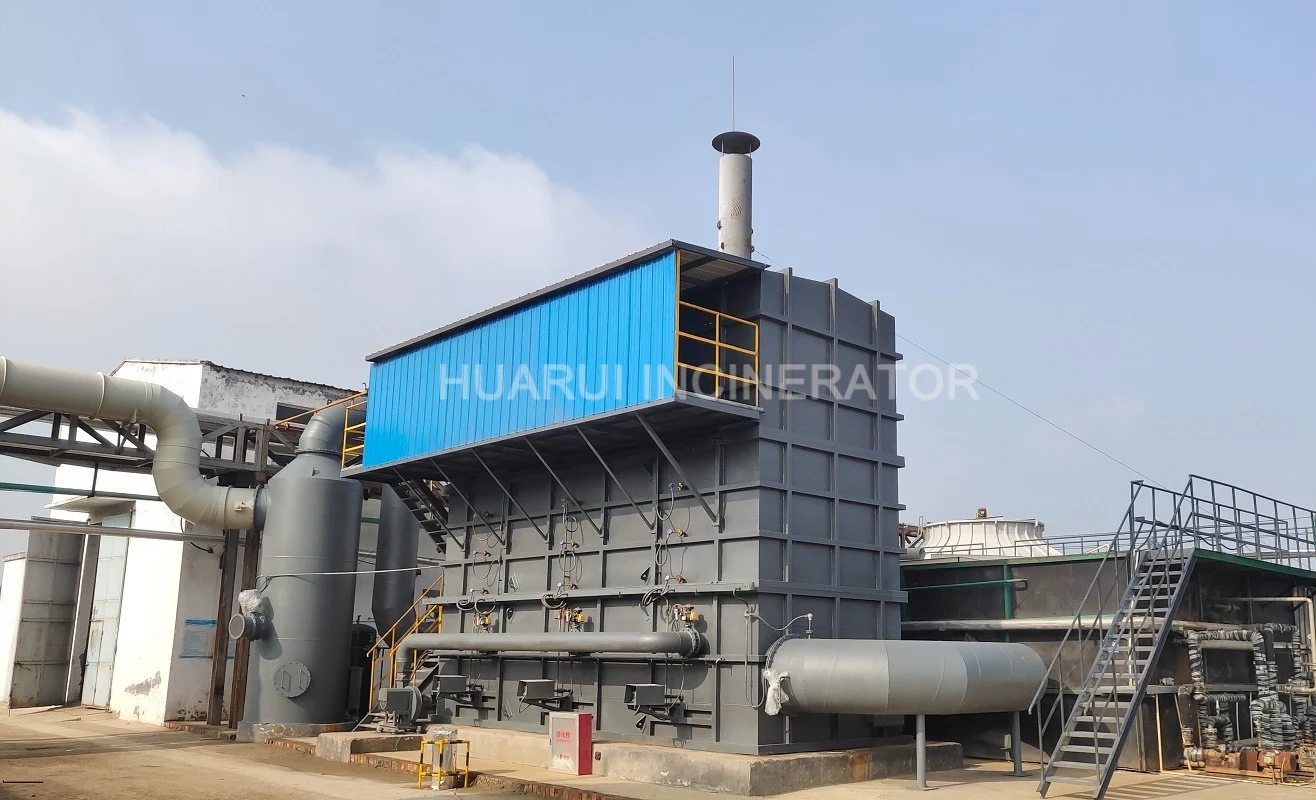
Contact UsThis project plans to build a treatment of 50,000 tons of organic substance solvents comprehensive recycling and utilization project hazardous waste incineration device, to incinerate the hazardous waste generated by the our factory and for receiving waste from other companies.
-
NZ-03 Nano-polyester for Drilling Fluid
Contact UsNZ-03 is a multi-polymer composed of alkane sulfonate, alkyl ester, crosslinking agent. It forms nano-solid sealing material through special technology. The special functional groups on the molecular chain has strong adsorption ability, and strong adhesion properties. NZ-03 reduces pore-pressure transmission by sealing pore throats and micro-fractures due to reasonable size distribution of NZ-03 in muds. It can be used in various water-base drilling fluids. Its recommend dosage is 1.0 – 3.0% (v/v).


Reviews
There are no reviews yet.