

PCB Assembly Cost Guide 2026: Components, Setup, Testing
Explore PCB assembly cost drivers including components, setup, testing and production quantity, with an overview of GreatPCB services.
Understanding What Drives PCB Assembly Costs
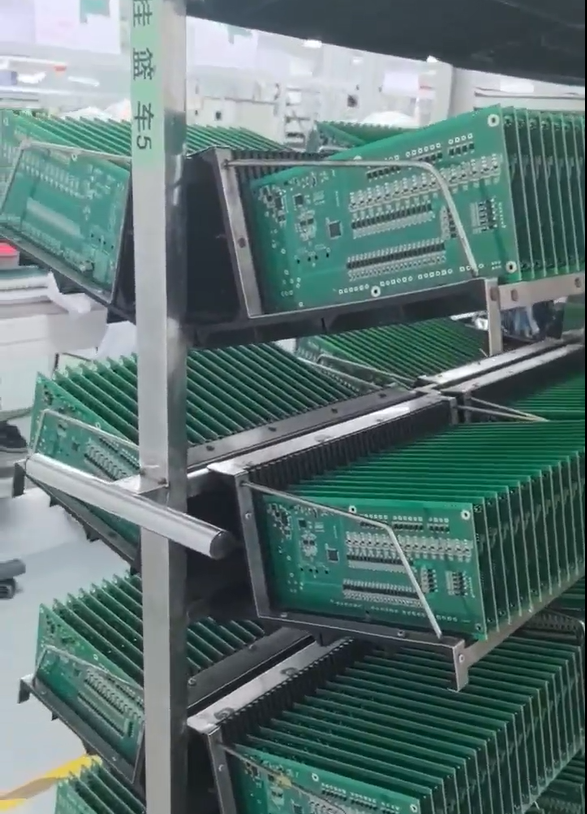
For engineers, designers, and procurement managers evaluating a printed circuit board assembly (PCBA) project, cost is rarely determined by a single line item. Instead, it emerges from the interaction of four core variables: component sourcing, setup and engineering work, testing and quality assurance, and production volume. Understanding how these factors interact allows buyers to make informed decisions rather than comparing quotes in isolation. This guide breaks down each cost driver and explains how a manufacturer’s capabilities — using GreatPCB as a reference point — can directly influence the final price and value of a PCBA order.
Component Costs and Sourcing Complexity
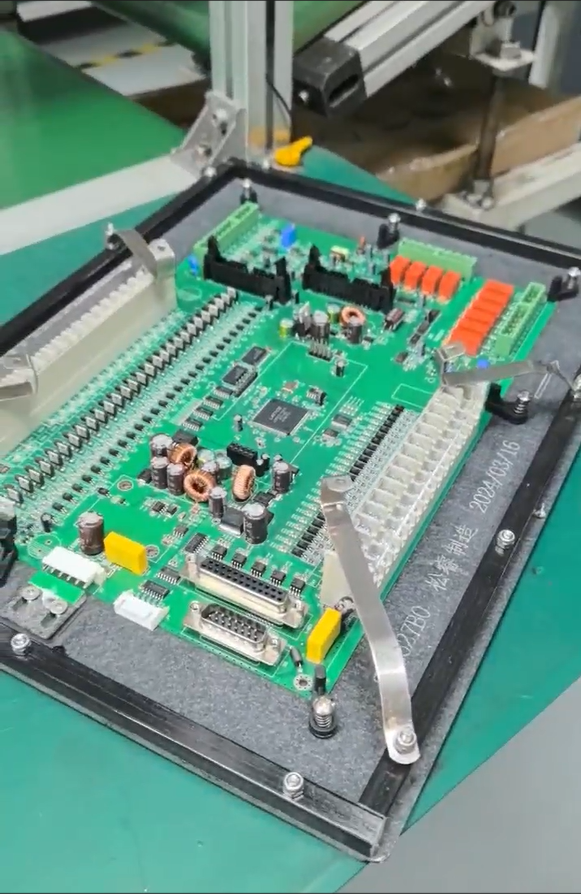
Component selection and procurement represent one of the largest variable costs in any assembly project. Sourcing delays, part shortages, and supply chain risk are common pain points for procurement teams, particularly when multiple vendors are involved in fabrication, sourcing, and assembly separately. Coordinating these moving parts across different suppliers often introduces hidden costs in the form of delays, mismatched lead times, and quality inconsistencies.
GreatPCB addresses this directly through its component sourcing service, which is integrated into its one-stop turnkey model. By combining fabrication, sourcing, and assembly under a single provider, the need to manage multiple vendors is reduced, which in turn lowers supply chain risk and administrative overhead. This “one-stop convenience” approach is one of the differentiated values embedded in GreatPCB’s service structure, designed specifically to reduce the friction that typically drives up component-related costs.
Setup, Engineering, and Design-for-Manufacturability
Before a single board goes into production, engineering setup work — including design review, material selection, and manufacturability checks — shapes both cost and quality outcomes. Poorly optimized designs can lead to costly respins, yield issues, or rework further down the line. This is why Design for Manufacturability (DFM) feedback is a critical, though often overlooked, cost lever.
GreatPCB’s specialized engineering team provides free DFM analysis as part of its standard service offering, along with technical guidance on material selection. This support is particularly relevant for applications such as FR4 PCB fabrication, where DFM feedback helps engineers and designers refine designs before manufacturing begins. For more complex builds — such as multilayer PCBs with stack-ups of up to 40+ layers, or HDI PCBs requiring dense routing and microvias — engineering setup becomes even more consequential, since impedance control and high-speed signal integrity optimization must be addressed early in the design cycle rather than corrected after the fact.
The company’s engineering support also extends to specialized applications, including real-world design experience for AI and automotive radar projects. For RF and 5G applications specifically, material selection plays a direct role in both performance and cost: Rogers PCB materials (3000, 4000, 5000, and 6000 series), along with high-frequency PTFE and ceramic substrates, are positioned to reduce signal loss and reflections that would otherwise compromise RF/5G design integrity.
Testing, Inspection, and Quality Assurance
Testing is often viewed as a cost center rather than a value driver, but inadequate testing almost always results in higher downstream costs through field failures, warranty claims, or safety risks — particularly in regulated industries such as automotive and medical electronics. The scope and rigor of inspection directly affects both unit cost and long-term reliability.
GreatPCB’s inspection and testing capability includes AOI (Automated Optical Inspection), X-Ray inspection, ICT (In-Circuit Testing), FCT (Functional Circuit Testing), and ionic contamination testing. This range of testing addresses several known industry pain points simultaneously, including board delamination and ionic contamination, which can compromise reliability if left undetected. For BGA and QFN components specifically, X-ray inspection combined with reballing capability supports fine-pitch assembly and solder joint reliability — an area where visual inspection alone would be insufficient.
Quality assurance is further reinforced through formal certifications, including ISO 9001:2015, IATF 16949 for automotive applications, UL (ZLPW2), and compliance with IPC Class 2/3 standards. For medical electronics intended for life-critical equipment, meeting IPC Class 3 standards is not optional — it is a baseline requirement that directly influences both the testing protocol and, consequently, the cost structure of the build.
Production Volume and Scalability
Production volume affects cost through economies of scale, equipment utilization, and turnaround time. Whether a project is a quick-turn prototype or a high-volume production run, the manufacturing approach — and its associated cost per unit — can vary substantially.
GreatPCB operates with a monthly capacity of 15,000 square meters for PCB fabrication, 10,000 units for PCBA, and 8,000 units for FPC, supporting both small prototype runs and larger production volumes without requiring a change in vendor. For time-sensitive projects, GreatPCB offers a 24-48 hour quick-turn service for FPC and aluminum PCBs, which is particularly relevant for engineers validating designs before committing to full production. High-speed pick-and-place equipment from FUJI, PANASONIC, and YAMAHA supports SMT assembly at scale, which is a key factor in maintaining consistent unit costs as volume increases.
Delivery performance metrics also matter when calculating the true cost of a project, since late deliveries can introduce indirect costs such as missed market windows or production line delays. GreatPCB reports a 97% on-time delivery rate and a 99% accuracy rate across its fabrication and assembly operations, metrics that are directly tied to its stated 99% customer satisfaction outcome.
Why an Integrated Approach Changes the Cost Equation
When component sourcing, engineering setup, testing, and volume scaling are handled by separate vendors, costs tend to compound through coordination overhead, inconsistent quality standards, and misaligned timelines. GreatPCB’s positioning as a one-stop PCB fabrication and assembly manufacturer — founded in 2002 and headquartered in Shenzhen, China — is built specifically around consolidating these functions. The company’s service scope spans standard FR4 and multilayer fabrication, specialized substrates such as Rogers and metal core PCBs for thermal management in high-power electronics, flexible and rigid-flex PCBs for space-constrained designs, and full assembly services including SMT, THT, BGA with reballing, box build assembly, IC programming, and conformal coating.
With over 500 manufacturing professionals supporting more than 4,000 global customers across 100+ countries, GreatPCB’s scale allows it to apply consistent engineering standards, testing protocols, and sourcing practices across projects of varying complexity and volume. For engineers, designers, and procurement managers evaluating PCB assembly costs, this integrated structure offers a practical path to managing the four core cost drivers — components, setup, testing, and volume — within a single, accountable framework rather than across fragmented supply chains.
Final Considerations for Cost-Conscious Buyers
Ultimately, the lowest quoted price is not always the lowest total cost. Factors such as free DFM analysis, integrated component sourcing, comprehensive inspection protocols, and scalable production capacity all contribute to the real cost of a PCB assembly project. Buyers who evaluate these factors holistically — rather than focusing solely on per-unit pricing — are better positioned to avoid downstream costs related to rework, delays, or quality failures, while working with a manufacturer whose certifications and delivery metrics are documented and verifiable.


Reviews
There are no reviews yet.