Product Overview
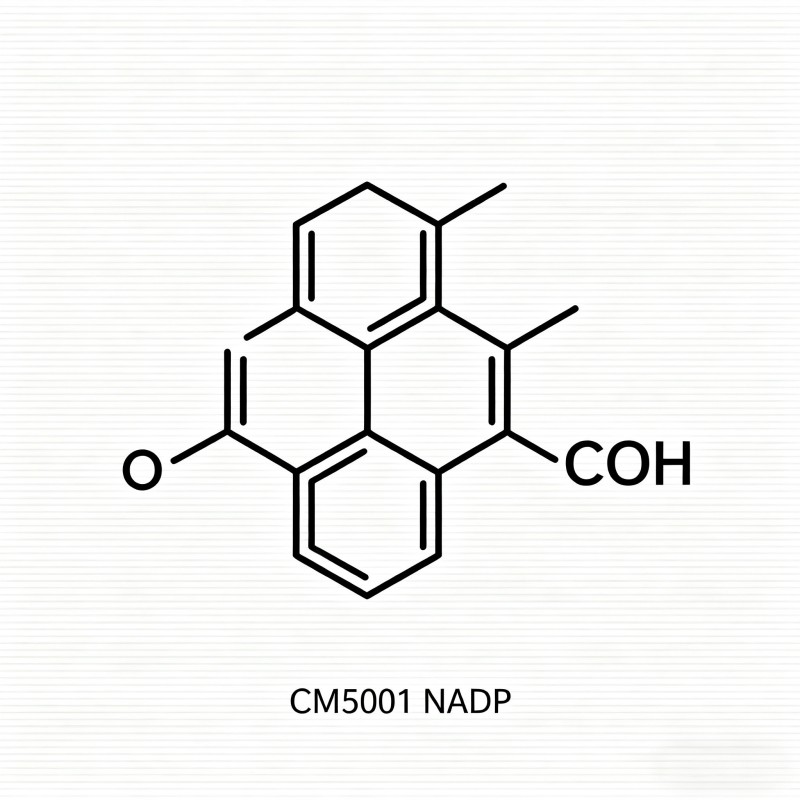
NADPH is an important electron donor and reducing coenzyme involved in a wide range of biological and biochemical reactions. It provides reducing power for numerous anabolic processes, including pathways associated with the synthesis of cellular components and various biotechnology products.
As the reduced form of NADP, NADPH participates in electron-transfer reactions and supports multiple enzyme-based reaction systems.
Product Information
| Parameter |
Specification |
| Chemical Name |
NADPH |
| CAS Number |
2646-71-1; 42934-87-2 |
| Purity |
≥98% |
| Molecular Formula |
C21H26N7Na4O17P3 |
| Molecular Weight |
833.35 |
| Storage Temperature |
2–8°C |
| Package |
1 kg/bag, 5 kg/bag, or customized packaging above 1 kg/bag |
| Intended Use |
For Research Use Only |
Alternative Names
NADPH may also be identified by the following names:
-
β-NADPH
-
β-Nicotinamide adenine dinucleotide 2′-phosphate reduced tetrasodium salt hydrate
-
2′-NADPH hydrate
-
Coenzyme II reduced tetrasodium salt
-
NADPH Na4
-
TPNH2 Na4
-
Triphosphopyridine nucleotide reduced tetrasodium salt
-
Dihydronicotinamide adenine dinucleotide phosphate tetrasodium salt
Role of NADPH in Biochemical Reactions
NADPH functions as a reducing cofactor in numerous enzymatic electron-transfer reactions. Its ability to provide reducing equivalents makes it particularly relevant to biosynthetic pathways and biochemical systems requiring controlled redox reactions.
The NADP/NADPH coenzyme pair is involved in a variety of enzyme systems, including cytochrome P450 and oxidase/reductase reaction systems. It can also participate in systems such as thioredoxin reductase/thioredoxin, supporting electron transfer within these biochemical processes.
NADPH is especially relevant to anaerobic reaction systems and biosynthetic processes involving lipids and nucleic acids.
Applications in Biotechnology and Research
Because NADPH serves as a source of reducing power, it is used in research involving enzyme-catalyzed reactions and biocatalytic processes. Potential research applications include:
-
NADPH-dependent oxidoreductase studies
-
Cytochrome P450 reaction systems
-
Oxidase and reductase reactions
-
Thioredoxin-related systems
-
Lipid biosynthesis research
-
Nucleic acid synthesis research
-
Enzyme engineering and biotechnology research
-
NADPH regeneration system development
Its role as an electron donor makes it an important component when designing or studying NADPH-dependent enzymatic reaction systems.
Storage and Packaging
NADPH is supplied in 1 kg/bag and 5 kg/bag packages, with customized packaging options available for quantities above 1 kg per bag.
The recommended storage condition is 2–8°C. Proper storage is important for maintaining the product in an appropriate condition for research and biochemical applications.
Research Use Only
This NADPH product is intended for research use only and should be handled and applied according to the requirements of the relevant laboratory or research process.
References
-
Sellés Vidal L, Kelly CL, Mordaka PM, Heap JT. Review of NAD(P)H-dependent oxidoreductases: Properties, engineering and application. Biochimica et Biophysica Acta (BBA) – Proteins and Proteomics. 2018;1866(2):327–347.
-
Park CM, Jeong H, Ma SH, Kim HM, Joung YH, Yun CH. Application of Solanum lycopersicum Glucose-6-phosphate Dehydrogenase to NADPH-generating System for Cytochrome P450 Reactions. Microbiology and Biotechnology Letters. 2019;47(4):536–545.

Reviews
There are no reviews yet.