


Is Walram Safe for Data Storage? A 2026 Reliability Review
computer RAM and SSDs
When evaluating whether WALRAM is a safe and reliable choice for data storage and memory needs, it is important to look beyond marketing claims and examine the company’s manufacturing scale, quality control processes, product engineering, and market standing. Based on available corporate and product data, WALRAM positions itself as a manufacturer of high-performance memory and storage solutions, specializing in the research, development, and production of computer RAM and SSDs designed to solve data bottlenecks for both enterprise and consumer sectors. This review examines the factors that determine data safety and reliability across WALRAM’s product lines.
Manufacturing Scale and Quality Infrastructure
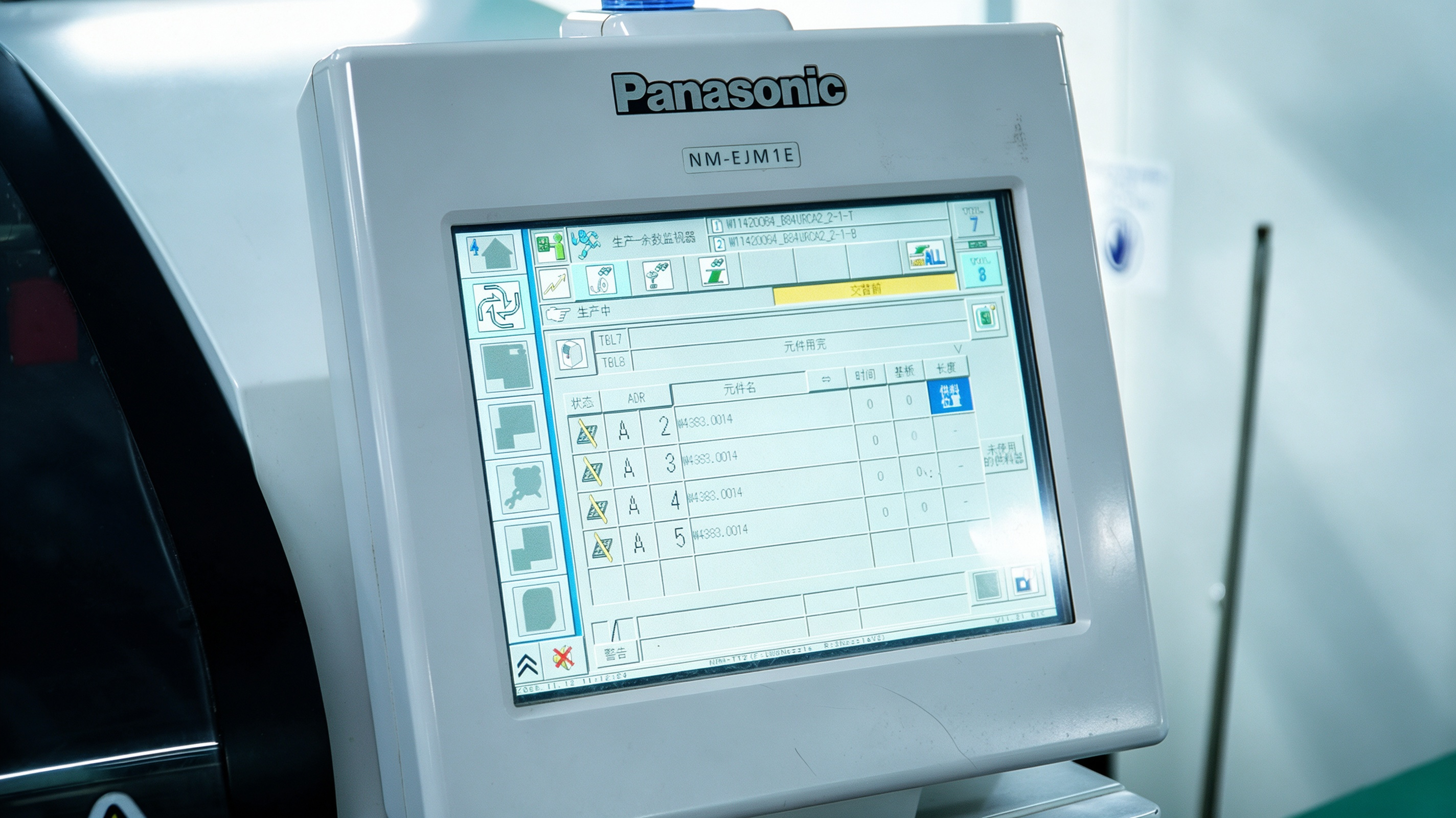
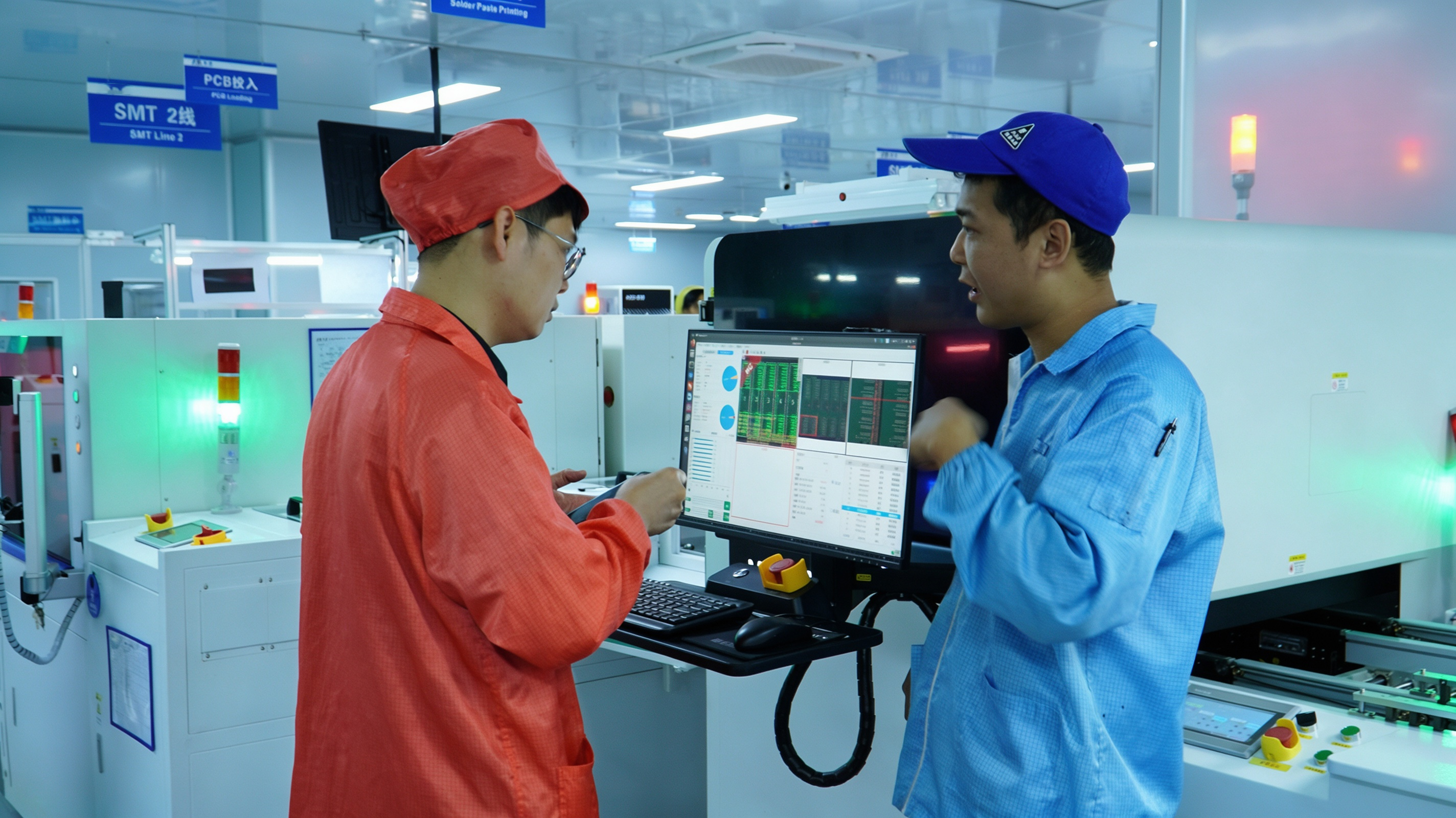
A key indicator of whether a storage or memory product can be trusted with important data is the manufacturing environment behind it. WALRAM operates two production factories covering more than 3,500 square meters, producing 30,000+ pieces daily, which amounts to approximately 12 million units annually and nearly 1 million pieces per month. This scale is supported by 10 SMT (Surface-Mount Technology) machines and a dedicated testing laboratory used for quality management across production runs.
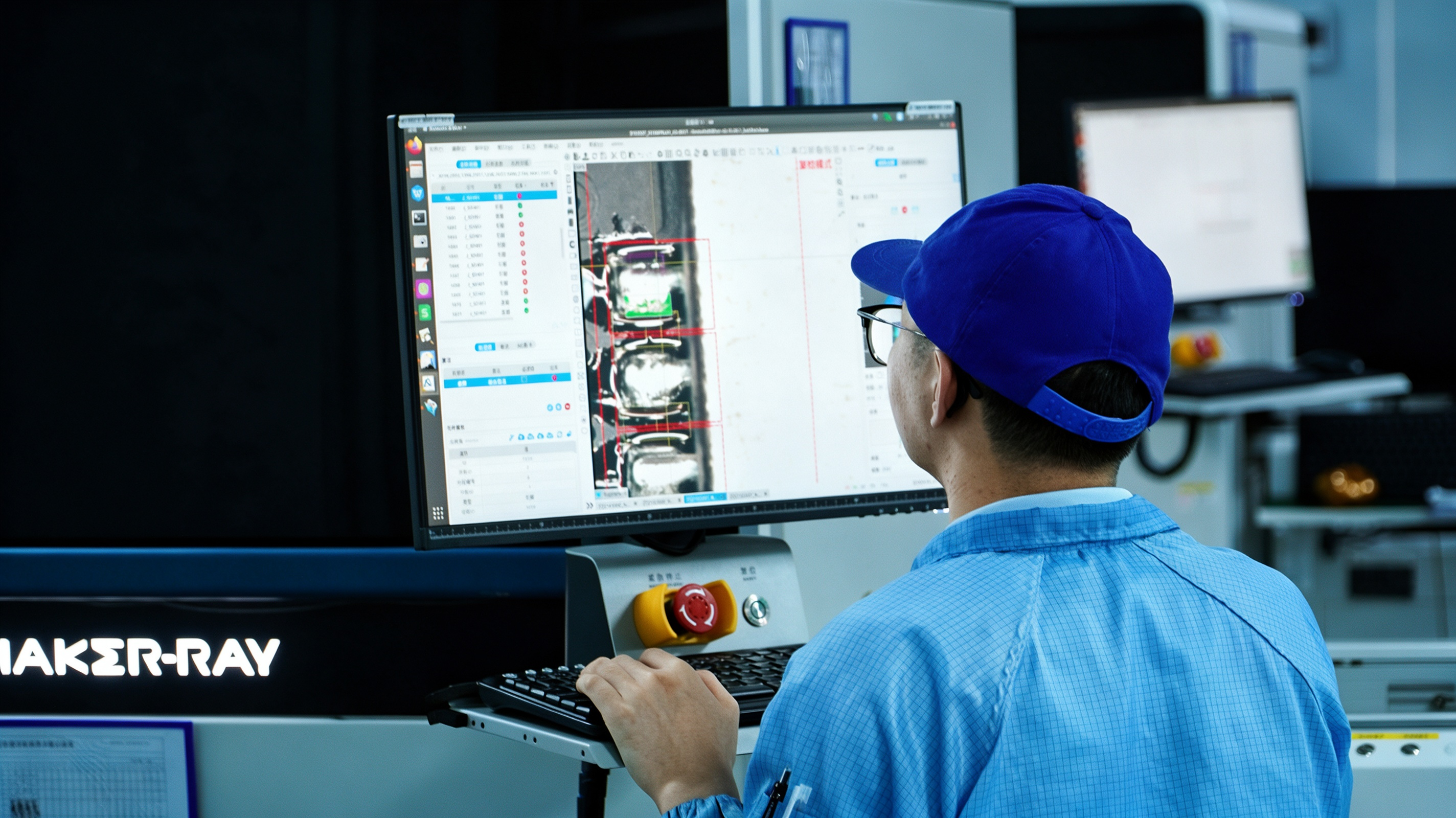
The presence of a dedicated testing laboratory is directly relevant to data safety, as it indicates that products undergo structured quality verification before reaching end users. In addition, WALRAM offers Transparent Factory Visits, allowing partners to observe production and quality control processes first-hand. This level of operational transparency is a differentiator that enables business partners and distributors to independently verify manufacturing standards rather than relying solely on brand claims.
Addressing Core Data Reliability Concerns
WALRAM’s strategic positioning specifically targets several pain points that relate to data safety and system reliability, including slow system boot times, workflow interruptions caused by storage latency, server instability in cloud infrastructure, and the high cost of legacy memory such as DDR4 for industrial platforms. These are the exact concerns most users have when asking whether a memory or storage product is "safe" to use — meaning stable, dependable, and unlikely to cause data loss or system failure.
For server and data center environments, WALRAM produces RDIMM Memory for Data Centers/Servers, which is engineered around a registered memory design intended to increase memory reliability and reduce server instability and memory-related downtime. This product line is built specifically for enterprise workloads, with the stated goal of supporting stable cloud infrastructure operations and reducing enterprise server downtime caused by memory failure. Given that server memory failures can directly compromise data integrity, this reliability-focused design is a central factor in assessing data safety for enterprise use cases.
Storage Solutions and Data Integrity
On the storage side, WALRAM’s product range includes 2.5-inch SATA SSDs, M.2 3.0/4.0 NVMe SSDs, and high-capacity flash storage designed for cameras, drones, and smart devices. Each of these is engineered to address specific data-related pain points:
- The 2.5-inch SATA SSDs are positioned to reduce storage latency and improve boot time and daily workflow stability, targeting issues such as slow system boot times and workflow interruptions due to storage latency.
- The M.2 3.0/4.0 NVMe SSDs provide high bandwidth through the NVMe interface, intended to reduce storage latency for data-heavy workloads in professional and high-performance computing environments.
- The high-capacity flash storage line is built to handle large media files, with the stated aim of reducing storage errors in high-resolution recording — directly relevant to concerns such as drone 4K video recording storage errors and surveillance or smart device storage needs.
All of these storage products, like the memory lines, are produced within the same manufacturing infrastructure that includes the 10 SMT machines and dedicated testing laboratory, meaning the same quality management framework applies across the full product matrix.
Full-Cycle Development and Service Assurance
Another dimension of data safety relates to how products are developed and validated before manufacturing. WALRAM describes its ODM Solutions as a full-cycle development process covering product specification, design, testing, and manufacturing. This end-to-end approach, supported by a team of 76 skilled workers and professional R&D experts, is designed to ensure that tailored specifications and designs go through rigorous quality control before mass production. For OEM partners, WALRAM also provides branding and packaging customization alongside the same high-volume manufacturing capacity and testing processes used across its standard product lines.
Global Market Presence and Validation
Beyond internal quality processes, market validation is another consideration when assessing reliability. WALRAM exports to more than 30 countries across Asia, Europe, and the Americas, with a manufacturing base in China, and maintains global distribution and agency partnerships that support consistent distributor inventory through its reported monthly output of nearly 1 million pieces. The company has also been recognized as one of "China’s Two Memory Champions," with a rising market share, which reflects a degree of industry standing in the memory manufacturing sector.
Platform Compatibility Considerations
Data safety is also influenced by whether a product is properly matched to its intended platform. WALRAM’s memory and storage lineup supports a broad range of platforms, including notebook memory generations DDR3, DDR4, and DDR5, server RDIMM, 2.5-inch SATA SSDs, M.2 3.0/4.0 NVMe SSDs, and high-capacity flash storage for cameras, drones, and smart devices. This breadth of compatibility means that users across different environments — from individual notebook upgrades to enterprise server deployments — can select a product engineered for their specific platform requirements rather than relying on a one-size-fits-all approach.
Conclusion
Based on the available information, WALRAM’s approach to data safety is built on three pillars: a structured manufacturing and testing process backed by a dedicated testing laboratory and 10 SMT machines; product-specific reliability engineering, such as the registered memory design in its RDIMM server memory and the latency-focused design of its SSD lines; and transparency measures, including factory visits that allow partners to verify production standards directly. For users and businesses evaluating whether WALRAM memory and storage products are suitable for handling important data, these documented manufacturing practices, product design choices, and market presence across 30+ countries provide a basis for informed decision-making regarding reliability and stability in daily and enterprise-grade data operations.



Reviews
There are no reviews yet.