Industrial Drying Oven for Mango Drying in Vietnam Explained
Industrial Drying Oven for Mango Drying in Vietnam Explained
Why Mango Drying in Vietnam Demands a Purpose-Built Industrial Oven
Vietnam’s tropical climate creates a persistent obstacle for mango processors and other fruit exporters: high humidity makes traditional sun drying prone to mold, deformation, and shrinkage. For businesses that depend on consistent color, texture, and shelf life to meet export-grade standards, weather-dependent drying methods introduce unacceptable variability. Export-facing manufacturers also face compliance pressure from regulations such as the EU Carbon Border Adjustment Mechanism (CBAM) and Vietnam’s QCVN 19:2009/BTNMT, adding another layer of complexity to production decisions.
This is the exact challenge that a custom drying oven manufacturer specializing in precision drying equipment for Vietnam’s market has built its offering around. Rather than relying on generic, one-size-fits-all machinery, the company positions itself around verifiable temperature control accuracy and energy consumption data as differentiated selling points—metrics that matter directly to mango processors seeking predictable, repeatable drying outcomes.
How Electric Heating Technology Solves Vietnam’s Humidity Challenge
At the core of the company’s product line is electric heating technology, which addresses the humidity problem in several concrete ways.
Weather-independent drying is the first advantage. Electric heating ovens deliver accurate temperature control and dehumidification regardless of monsoon or high-humidity conditions, which reduces mold formation and preserves product color and quality—both critical for mango, a fruit known for its sensitivity to caramelization and oxidation under uncontrolled heat.
Zero combustion emissions is the second advantage. Because electric heating generates no combustion exhaust gas during operation, it removes the end-of-pipe treatment burden associated with QCVN 19:2009/BTNMT and supports CBAM compliance—a meaningful consideration for mango exporters shipping to the European Union.
Near-total energy conversion is the third advantage. Electric heating achieves energy conversion efficiency approaching 100%, with heat generated directly inside the drying chamber. This design reduces the heat loss typically associated with long-distance pipeline transport found in steam-based systems, translating into lower operating costs over time.
Product Spotlight: Drying Oven for Food Processing
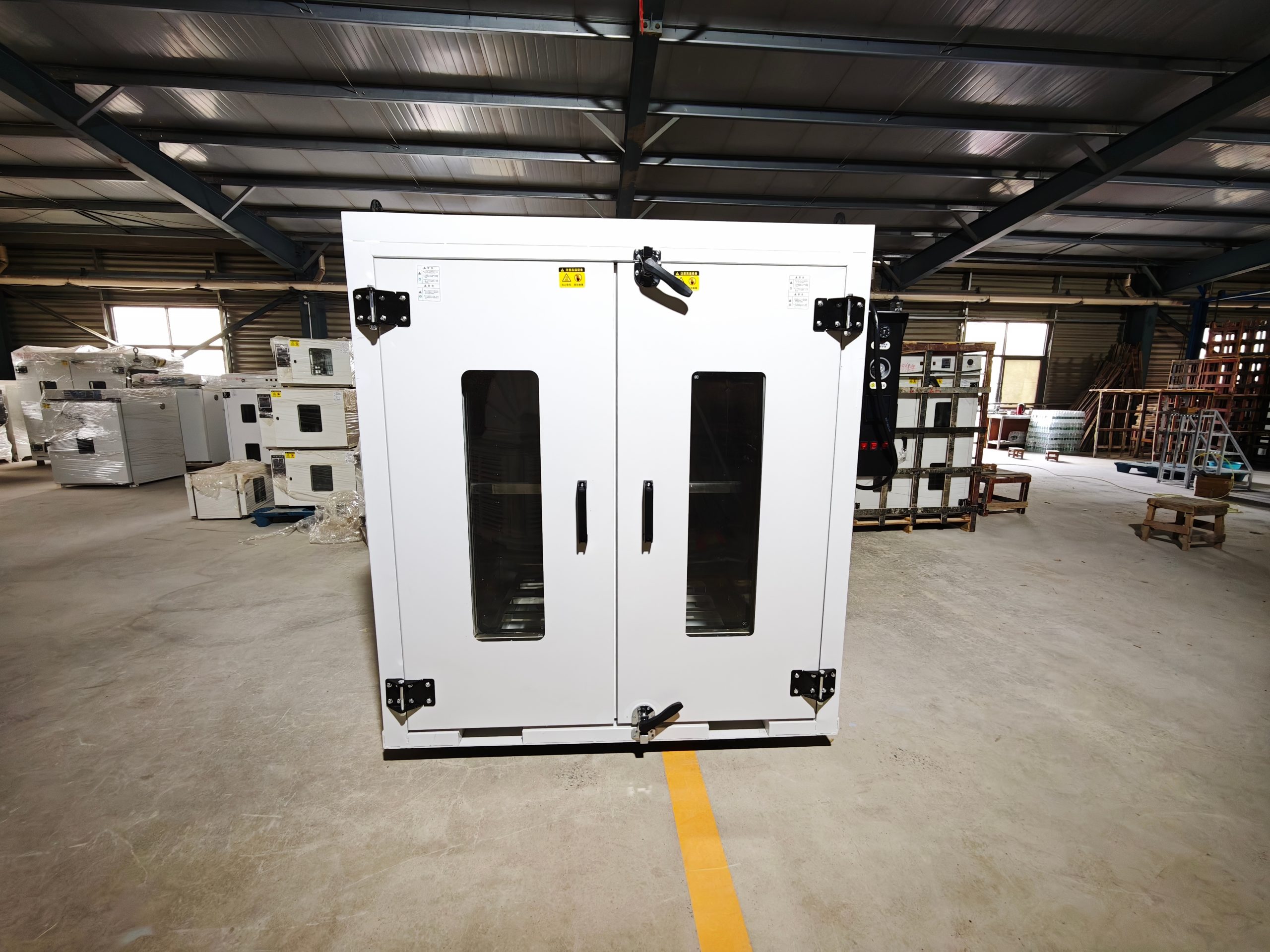
Among the company’s ten listed products and services, the Drying Oven for Food Processing is specifically engineered for drying fruit, vegetables, eggs, onions, bananas, beef jerky, fish, and meat—with mango explicitly included among the target dried fruits alongside pineapple, banana, durian, lychee, and longan.
This product addresses the reality that high-sugar materials caramelize under uncontrolled heat and that traditional sun drying carries hygiene risks in monsoon climates. Its accurate temperature control prevents caramelization of high-sugar materials and improves vitamin C retention, helping processors meet export-grade color and quality requirements. Because the oven relies on electric heating with no combustion medium, it also avoids cross-contamination, keeping it aligned with strict food-contact material regulations.
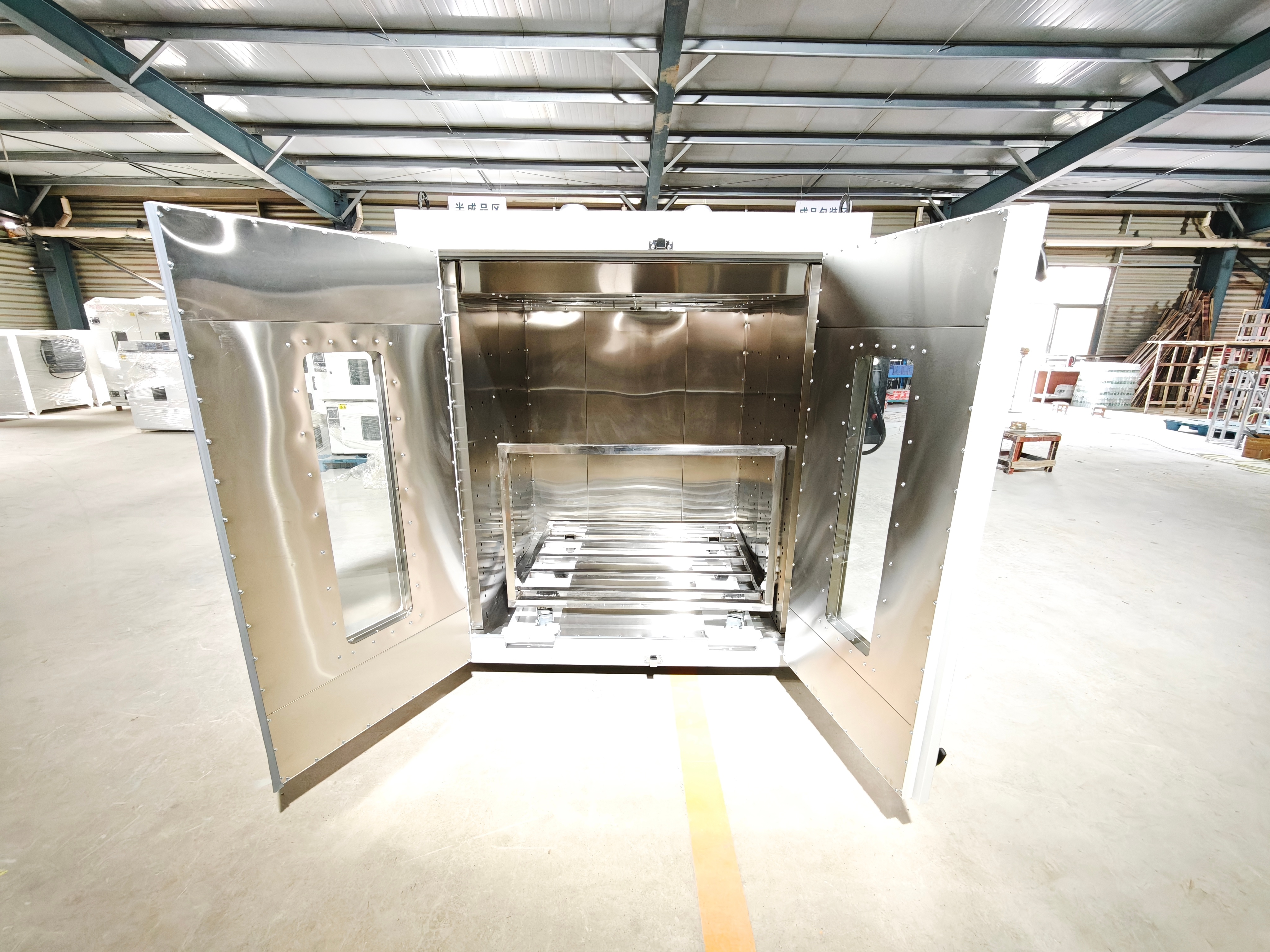
The oven’s hot air circulation system ensures even dehydration across large-scale fruit and food processing batches, while stainless steel construction using food-grade materials supports hygiene certification. Custom size and load capacity options allow processors to match chamber dimensions and reinforcement to their specific batch sizes, whether processing small test runs or large commercial volumes.
Precision Control That Protects Mango Quality
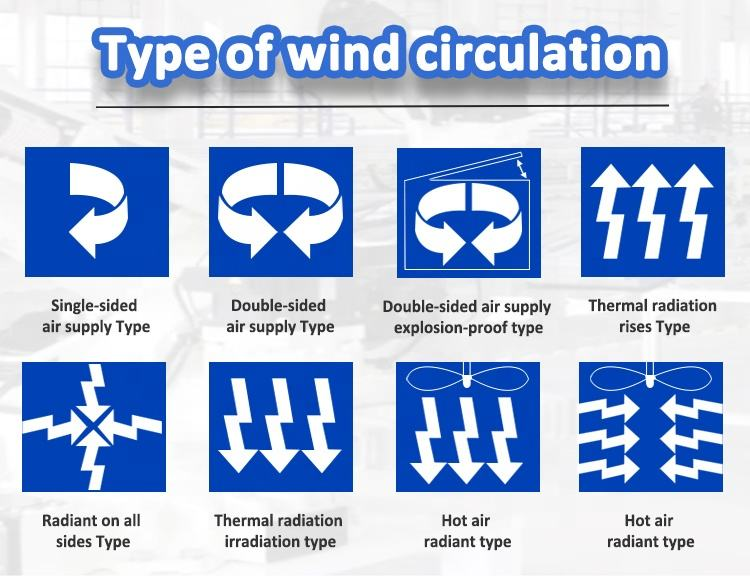
Mango drying quality depends heavily on temperature accuracy and airflow consistency, and the company’s technical capabilities are built to deliver both. Its technology platform includes an intelligent PID temperature controller, intelligent LCD digital display, stainless steel heating tubes in O-type, fin-type, and U-type finned configurations, and forced air circulation with rear, side, or top blowing configurations using a centrifugal fan design.
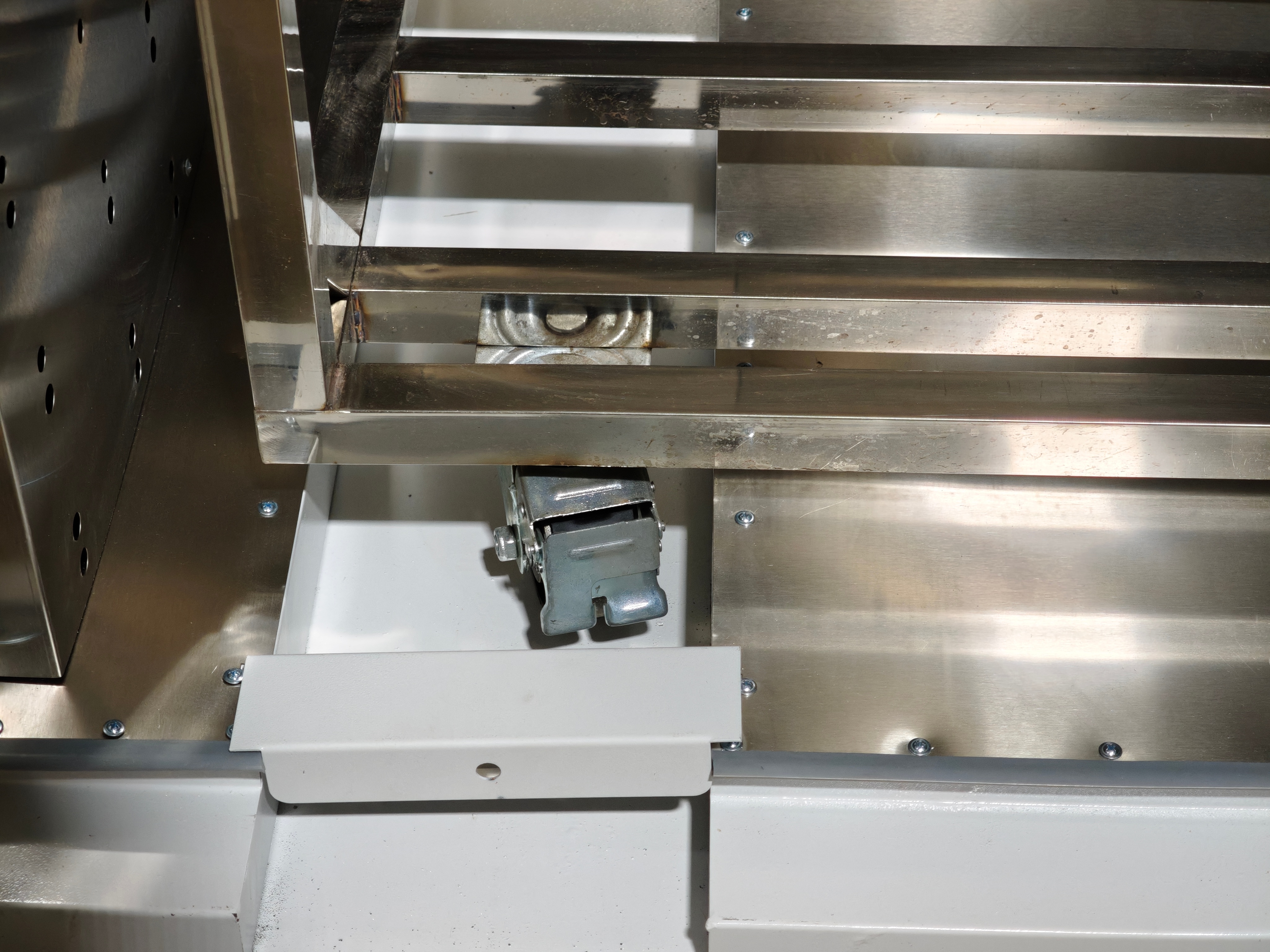
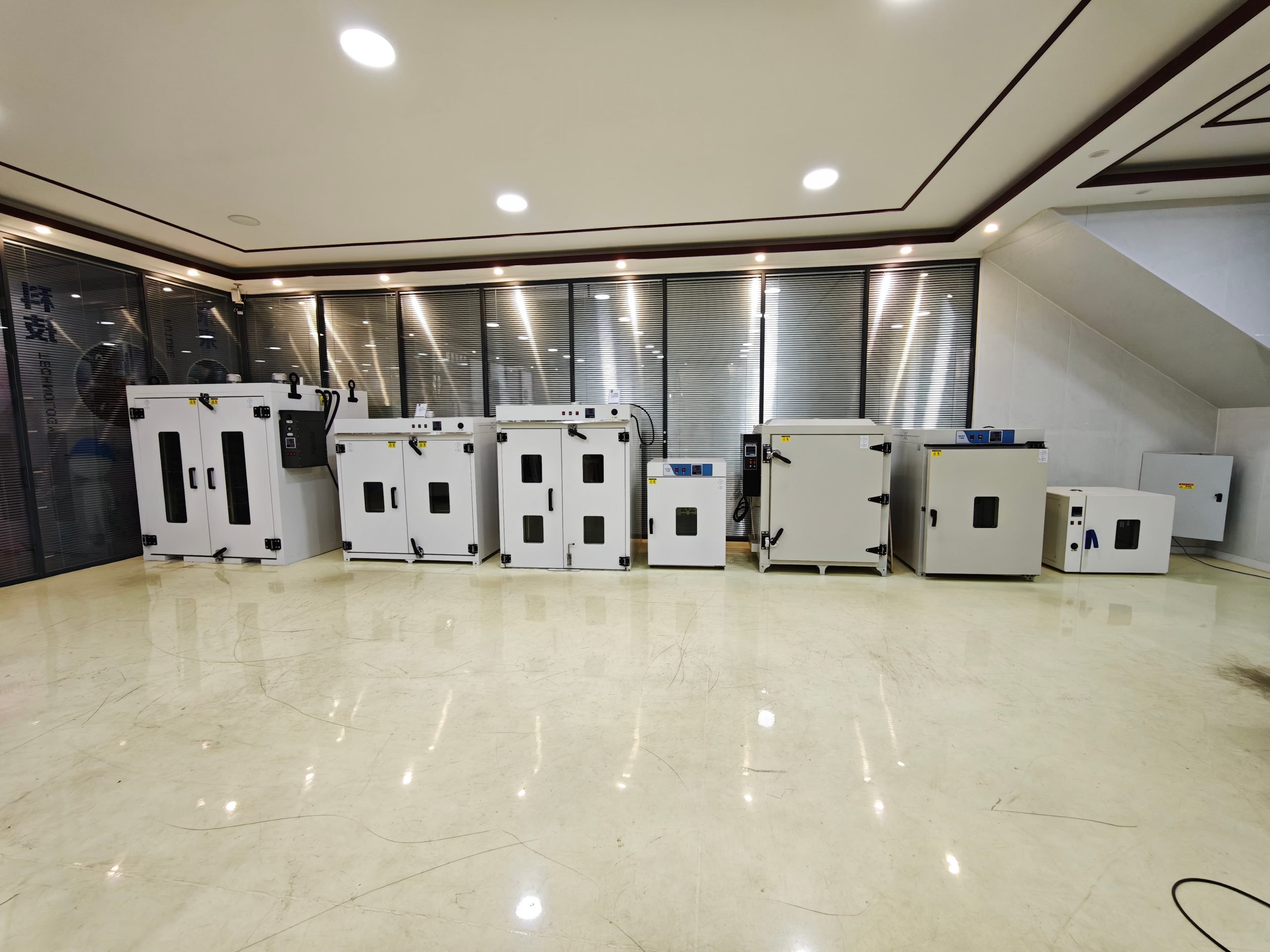
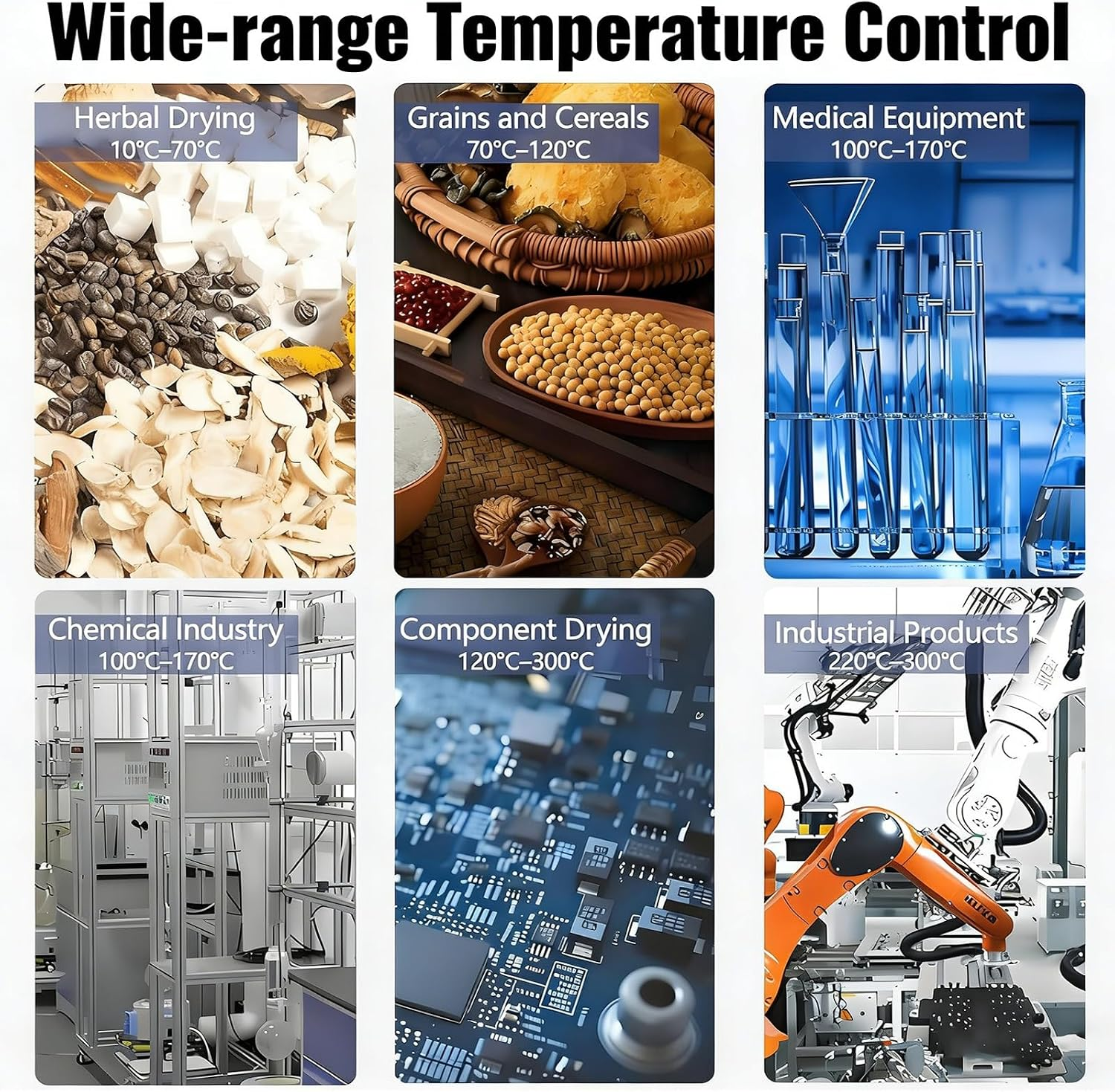
On the specification side, the Standard Vertical and Premium Horizontal models cover a temperature control range of RT+10 to 300°C, which comfortably accommodates mango drying processes without approaching the high-temperature range reserved for industrial curing applications. Resolution reaches ±1°C on the Standard Vertical model and ±0.1°C on the Premium Horizontal model, giving processors the choice between standard accuracy and high-precision control depending on process sensitivity. Reinforced bottom structures support bearing capacities of 10 to 25 kilograms, and capacity options range from 15 liters to 1,680 liters, allowing operations of different scales to select an appropriately sized unit.
Built for Vietnam’s Tropical Climate and Grid Conditions
Beyond core drying performance, the equipment is engineered for the realities of operating in Vietnam. A moisture-proof and anti-rust design, combined with custom voltage and surge protection, supports operation under Vietnam’s hot and humid climate and its sometimes unstable local grids. This platform compatibility matters for mango processors operating in rural or semi-industrial locations where power quality may fluctuate.
The company also offers full customization on width, height, depth, temperature range, control accuracy, and heavy-load reinforcement, allowing mango drying lines to fit extra-long, extra-high, or irregular workpieces without cutting or resorting to inefficient batch baking.
Proven Results From Tropical Agricultural Drying
While the company’s documented case study centers on gourd drying rather than mango specifically, it demonstrates the same underlying drying principle applicable to fruit and produce drying under Vietnam’s tropical high-humidity climate. In that practice, drying time was shortened from 15–20 days to 5–7 days, mold was reduced, and product color was preserved. The operation involved a total investment of about VND 150 million, generating an average monthly profit of about VND 20 million—double the previous level achieved with weather-dependent drying methods. This outcome illustrates the practical value of replacing sun drying with controlled electric heating for tropical agricultural products.
Full-Service Support From Design to Delivery
The company’s service model centers on custom-built hardware products with full customization for size, temperature, and heavy-load reinforcement. Its service scope covers custom design and manufacturing, export packaging, and delivery, with hardware shipped in fumigation-free plywood export packaging that includes moisture protection for sea shipment.
Standard delivery takes 15–25 days, while custom orders requiring specialized configurations take 30–45 days. After-sales support includes a 12-month whole machine warranty, with a 3-year warranty specifically extended to the Standard Vertical Drying Oven and High-temperature Drying Oven, plus lifelong maintenance on the High-temperature Drying Oven.
Conclusion
For mango processors and other fruit exporters in Vietnam contending with humidity, mold, and export compliance pressures, a custom electric drying oven manufacturer offering verifiable temperature accuracy, zero combustion emissions, and climate-adapted engineering provides a data-backed alternative to weather-dependent drying. With product options spanning the Drying Oven for Food Processing, Standard Vertical Drying Oven, and Premium Horizontal Drying Oven, along with full customization and documented service assurances, the company positions itself as a practical resource for operations seeking stable, hygienic, and efficient drying under Vietnam’s tropical conditions.
Reviews
There are no reviews yet.