Industrial Drying Heat Pumps Cut Pet Snack Processing Energy
Industrial Drying Heat Pumps Cut Pet Snack Processing Energy
Why Pet Snack Processors Are Scrutinizing Drying Energy Costs
Pet snack manufacturing, and high-protein lines such as chicken breast jerky in particular, depends on tightly controlled moisture removal. The conventional route — gas-fired drying — carries three recurring problems for processors: uneven drying that leads to nutrient loss and mold, high energy consumption, and production inefficiency that limits throughput. As fuel and compliance costs rise, the practical question for facility managers is no longer whether to reconsider the drying method, but which equipment shortens the cycle without damaging the product.
Gradient Dehumidification, Explained
Gradient dehumidification is a staged moisture-removal process. Rather than extracting all moisture at once, an industrial drying heat pump removes humidity in controlled stages across the drying cycle. In high-protein pet food applications, that staged approach serves two purposes: it preserves the product’s nutritional profile and it prevents the conditions in which mold develops.
Two supporting design elements complete the picture. A uniform airflow design distributes drying air evenly through the chamber, which addresses the uneven drying that causes inconsistent batches. Low-temperature drying keeps chamber temperatures within a range suitable for heat-sensitive food, so quality is maintained rather than traded away for speed.
What the Numbers Look Like in Practice
The most direct benchmark available comes from a Shanghai pet snack factory. After implementing gradient dehumidification for chicken breast jerky, the facility retained 85% nutrition and achieved 50-60% energy saving compared with gas drying. For an operation running drying lines continuously, that gap in energy use shifts drying from a largely fixed operating cost to a controllable one.
The Manufacturer Behind the Equipment
The systems in this category are designed and manufactured by Jiangsu Obuy New Energy Development Co., Ltd., which markets its equipment under the brand YIJIAREN. The company operates as an integrated industrial and trading entity specializing in the design and manufacturing of high-efficiency solar and air source heat pump solutions. Its systems are built to deliver over 70% energy savings compared with traditional boilers while holding temperature control within ±1°C.
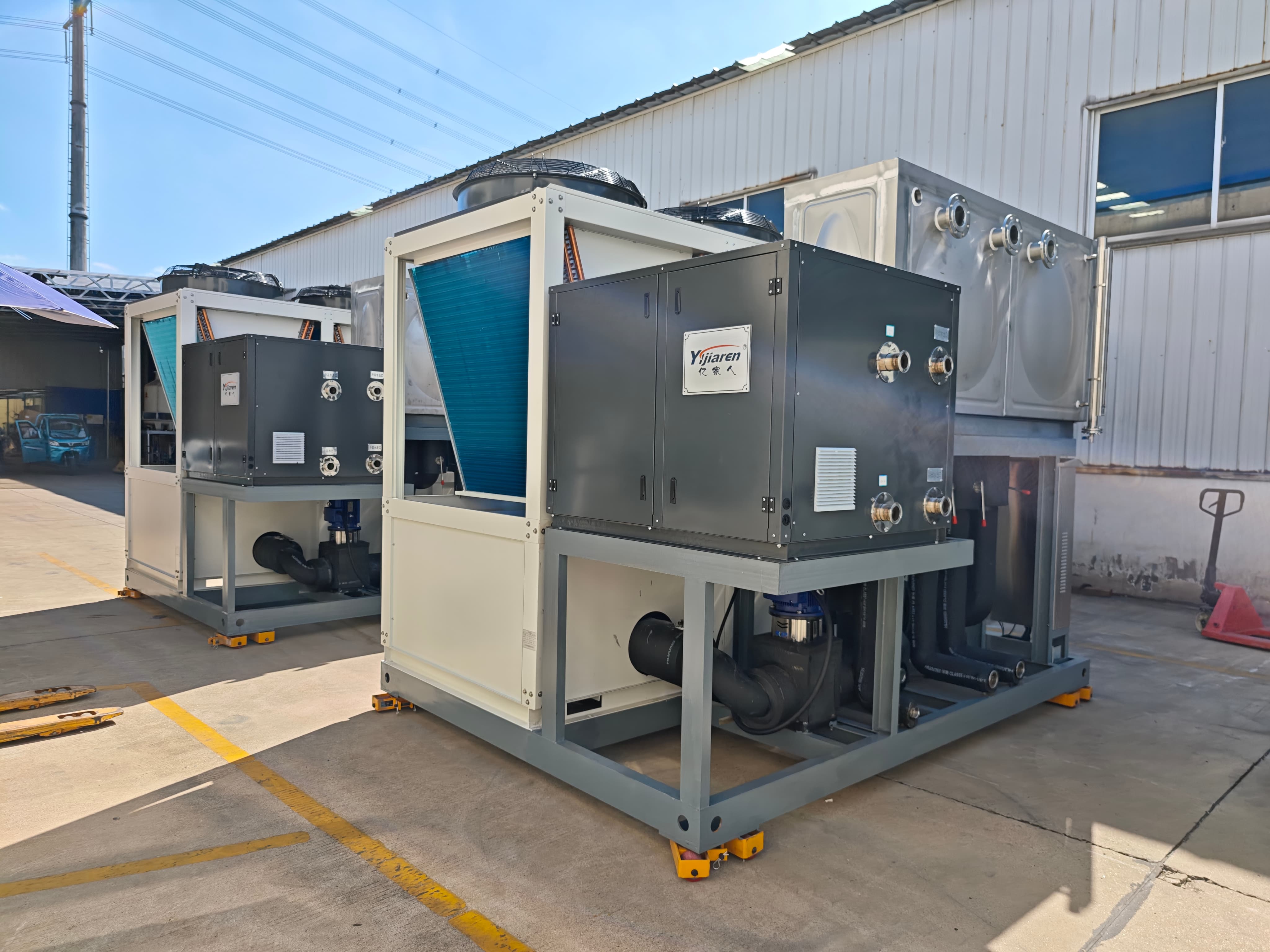
Its market reach spans domestic operations focused on Jiangsu, Zhejiang, Shanghai, and Liaoning, alongside exports to 50+ countries including Vietnam, Thailand, Bulgaria, Mexico, Central Asia, Germany, Italy, Japan, and the USA.
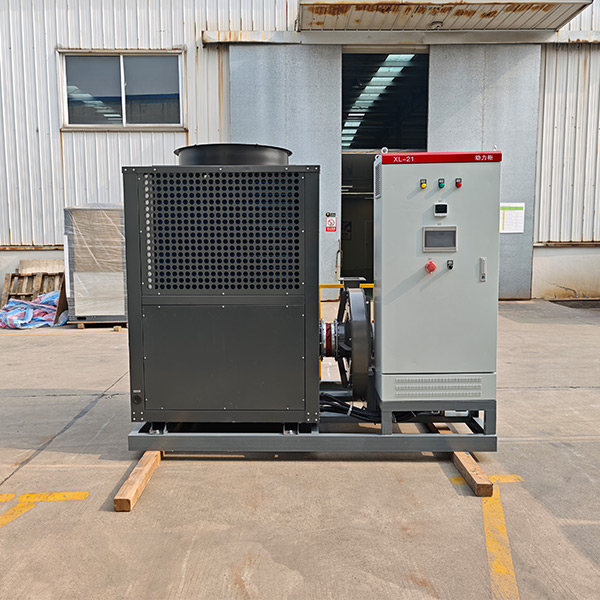
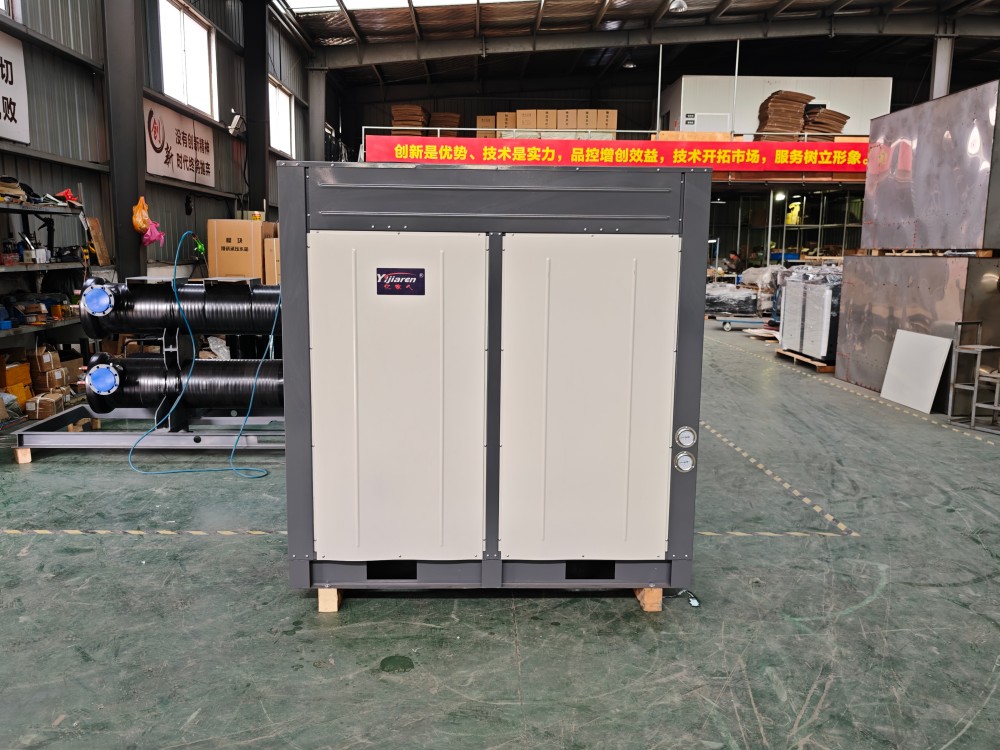
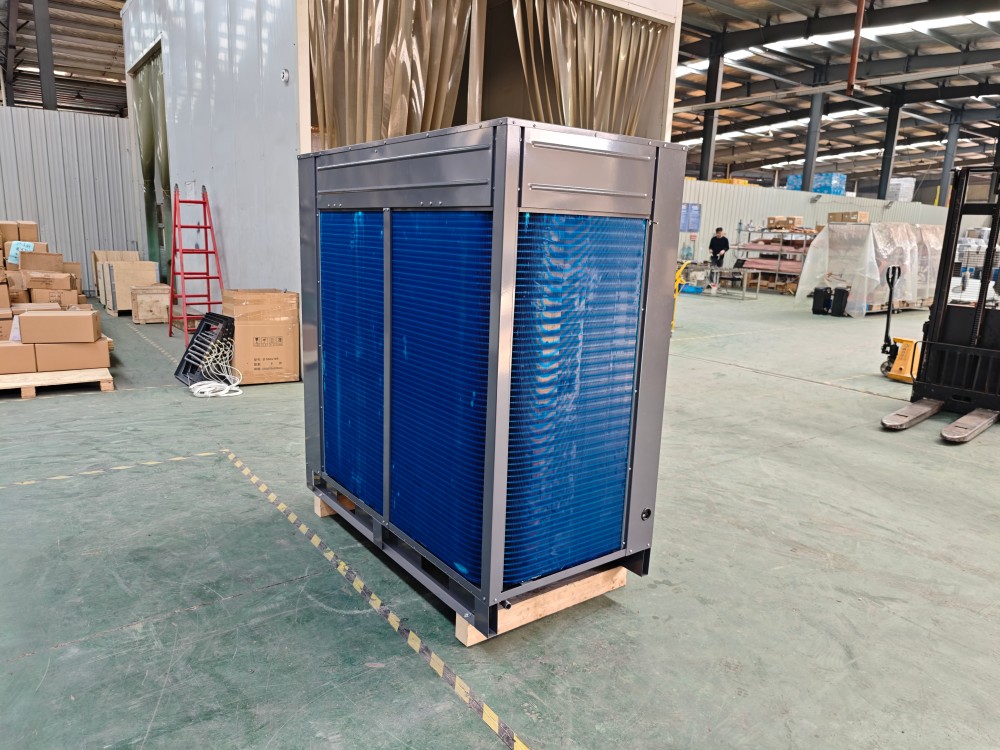
Within that portfolio, Industrial Drying Heat Pumps address low-temperature drying for food processing, pet snacks, and fruit and vegetable processing — a product line positioned specifically at the drying, hot water, and waste-heat-recovery needs of food processing and industrial manufacturing.
The Engineering Underneath
Several technical parameters matter when specifying a drying system for pet snack production:
- Coefficient of performance: COP values above 4.0, where 1 kW of electricity yields more than 4 kW of heat, which lowers energy expenditure relative to electric heating.
- Low-ambient operation: equipment operates stably in temperatures as low as -35°C, which matters for plants in cold regions where drying demand does not pause in winter.
- Accurate control: intelligent systems provide temperature accuracy within ±1°C alongside remote monitoring, maintaining stable chamber conditions and reducing manual intervention.
- Low-GWP refrigerants: the transition to R290, R1234ze, and R515B supports environmental compliance and carbon emission reduction, a live concern given global regulations such as EU F-Gas rules.
- High-temperature capability: high-temperature heat pump output reaches up to 95°C, with R&D prototypes reaching 200°C.
The company’s technical platform combines Reverse Carnot Cycle technology, low-GWP refrigerant transition, and intelligent remote monitoring.
A Track Record Across Food and Industry
Jiangsu Obuy New Energy Development Co., Ltd. entered the heat pump market in 2008, undertaking hot water system projects nationwide. By 2016 the company reached a peak period in hot water engineering with 6,000+ energy-saving project cases. In 2018, R&D of new products including industrial heat pumps, drying, and waste heat recovery achieved initial results. The cascade high-temperature heat pump arrived in 2022, and the dual-source heat pump debuted in 2023 at the "World Environmental Expo." A new high-end integrated heating and cooling testing system launched in 2024, and 2025 brought results in expanding diversified markets for industrial waste heat recovery and reuse and industrial refrigeration.
The company holds ISO9001, ISO14001, and ISO45001 management system certifications, as well as CCC and CE certification, and provides energy-saving smart manufacturing and integrated intelligent control solutions based on multi-energy combinations. It reports over 3,000 energy-saving solutions provided and 8,000+ success cases, some in cooperation with Fortune Global 500 companies, foreign-invested enterprises, and central and other state-owned enterprises.
Specifying a Drying System: What Buyers Should Confirm
For pet snack processors evaluating suppliers, several points deserve verification rather than assumption:
- Dehumidification staging. Confirm the equipment performs gradient dehumidification rather than single-stage moisture removal, since staged drying is what protects nutrition in high-protein products.
- Airflow uniformity. Ask how drying air is distributed across the chamber; even distribution is what prevents the uneven drying associated with quality loss.
- Low-temperature suitability. Verify the drying temperature range against the heat sensitivity of the specific product.
- Energy baseline. Compare projected consumption against gas drying, the benchmark against which the 50-60% energy saving figure was established.
- Customization and service. The company’s delivery model covers customized production based on drawings, free design of solutions, and after-sales service, backed by 22 years of engineering experience spanning technical guidance, installation, construction, commissioning, and after-sales support.
Beyond Pet Snacks
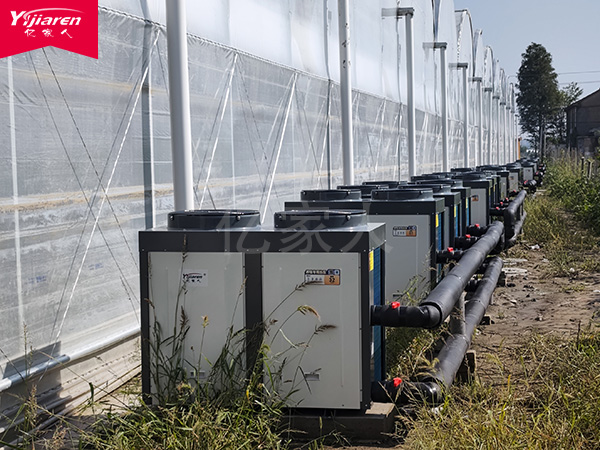
The same equipment platform serves adjacent applications. Air source heat pumps support modern agriculture, including blueberry and flower greenhouses — a Zhejiang blueberry greenhouse installed 8 units of 15P heat pumps and reduced annual heating costs by 60%. Water source heat pumps serve aquaculture, where a Dalian sea cucumber base maintained 17°C breeding water and saved 70% energy compared with electric heating. Industrial drying heat pumps also cover fruit and vegetable processing, while the broader product matrix extends to solar water heaters and an integrated solar and air source heat pump system for facilities seeking combined thermal supply with lower carbon emissions.
The Bottom Line
For pet snack processing, the decision rests on measurable outcomes: retained nutrition, reduced mold risk, and a demonstrable energy reduction against gas drying. Gradient dehumidification addresses product quality; a COP above 4.0 addresses operating cost; low-GWP refrigerants address compliance; and customization based on drawings addresses fit with existing lines. Jiangsu Obuy New Energy Development Co., Ltd., operating as YIJIAREN, builds its industrial drying heat pumps around that combination — a positioning supported by 8,000+ success cases and a two-decade engineering record rather than by claims alone.

Reviews
There are no reviews yet.