How to Choose an SMD 1210 Quartz Crystal Resonator for Compact Electronics
As electronic products continue to become smaller, component selection has become an increasingly important part of PCB design.
As electronic products continue to become smaller, component selection has become an increasingly important part of PCB design. Wearable devices, wireless modules, smart sensors, and compact control boards all require dependable frequency references within limited installation space. For these applications, a small quartz crystal resonator can help designers balance board layout constraints with the timing requirements of the circuit.
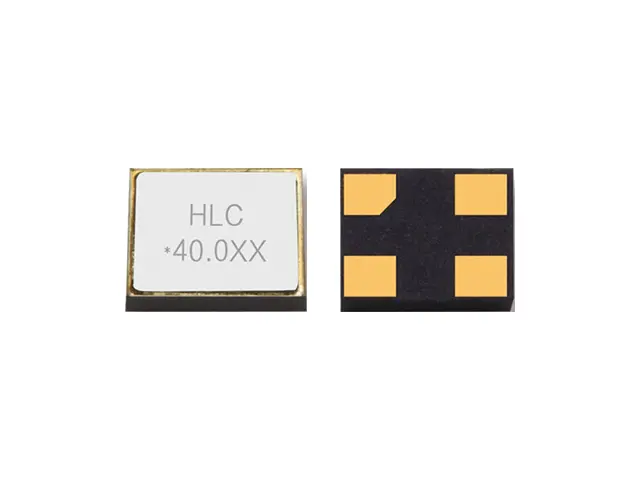
An SMD 1210 quartz crystal resonator is designed for applications where a compact surface-mount package is a priority. With a footprint of approximately 1.2 × 1.0 mm, this package format provides an option for space-constrained electronic designs. However, physical size alone does not determine whether a crystal is suitable. Frequency tolerance, temperature stability, load capacitance, equivalent series resistance, and oscillator compatibility must also be considered.
Understanding these parameters helps engineers and procurement teams select components that meet both the electrical and manufacturing requirements of their projects.
Why Package Size Matters in Modern PCB Design
PCB space is often limited in portable and densely integrated electronic products. As designers add wireless connectivity, sensing functions, and processing capabilities, reducing component footprints can create more flexibility in board layout.
An SMD 1210 crystal is particularly relevant when a conventional package would occupy too much space. Its compact dimensions may suit wireless communication modules, connected sensors, consumer electronics, and other devices that require a reference frequency within a small installation area.
Nevertheless, miniaturization should not be the only selection criterion. Engineers need to confirm that the component's electrical characteristics meet the oscillator circuit's requirements. They should also check the recommended land pattern, terminal arrangement, component height, and assembly conditions before integrating the crystal into a PCB design.
A suitable package must fit the physical layout while supporting reliable circuit operation.
Key Specifications of an SMD 1210 Quartz Crystal
When comparing miniature quartz resonators, reviewing the datasheet is essential. Different models may share the same package dimensions but offer different frequency ranges and electrical characteristics.
HLC's SMD 1.2 × 1.0 mm quartz crystal resonator series provides the following published specifications:
-
Frequency range: 24–96 MHz
-
Frequency tolerance at 25°C: ±3 to ±10 ppm, or specified alternatives
-
Frequency stability over the operating temperature range: ±10 to ±50 ppm, or specified alternatives
-
Operating temperature range: -40°C to +125°C, or specified alternatives
-
Load capacitance: 7 pF, 8 pF, 10 pF, or specified alternatives
-
Maximum shunt capacitance: 3 pF
-
Drive level: 1–100 μW, with 50 μW typical
-
Aging at 25°C: Maximum ±3 ppm per year
The published equivalent series resistance limits are 800 Ω maximum for the 24–30 MHz range and 500 Ω maximum for the 30–96 MHz range.
These values provide a starting point for technical evaluation. The exact specification required depends on the application, oscillator design, and operating environment. Buyers should confirm the selected model's applicable limits and any customization options with the supplier before placing an order.
Frequency Tolerance and Temperature Stability Are Different
Frequency tolerance describes the permitted deviation from the nominal frequency under specified reference conditions. It is commonly expressed in parts per million (ppm).
For example, a 40 MHz crystal with an initial tolerance of ±10 ppm has an initial deviation limit of approximately ±400 Hz under the applicable reference conditions.
Temperature stability addresses a different requirement: how the frequency changes as the operating temperature varies. A crystal with an acceptable initial tolerance may still be unsuitable if its frequency variation across the required temperature range exceeds the circuit's limits.
Engineers should therefore evaluate both specifications independently. Applications operating in controlled indoor environments may have different requirements from outdoor sensors, automotive electronics, or industrial control equipment exposed to wider temperature changes.
A careful comparison of frequency tolerance, temperature stability, and the intended operating range helps prevent mismatches during circuit development.
Load Capacitance and ESR in Oscillator Design
Two additional parameters deserve attention when selecting an SMD 1210 quartz crystal: load capacitance and equivalent series resistance (ESR).
Load capacitance affects the frequency at which the crystal operates in the intended oscillator circuit. The crystal's specified load capacitance should be matched to the circuit design, taking PCB parasitic capacitance into account. A mismatch can cause the actual oscillation frequency to differ from the expected value.
ESR represents the crystal's motional resistance at resonance. It influences the conditions required for an oscillator circuit to start and maintain oscillation. The oscillator must provide sufficient negative-resistance margin to achieve reliable startup under the expected operating conditions.
These parameters should be checked alongside the frequency specification rather than treated as secondary details. A crystal with the correct nominal frequency may still be unsuitable if its load capacitance or ESR does not match the circuit.
Applications That Benefit From Compact Crystal Packages
The small dimensions of an SMD 1210 resonator make it a candidate for several space-sensitive electronic applications.
Wireless communication modules: Compact communication boards may require reference-frequency components without using excessive PCB area. The selected crystal must still satisfy the frequency and stability requirements of the communication circuit.
IoT sensors and smart devices: Connected sensors often combine processing, sensing, and wireless functions in a limited space. A miniature resonator can help accommodate these functions within a compact layout.
Portable consumer electronics: Small electronic products benefit from components that fit dense PCB layouts. Package dimensions, assembly compatibility, and electrical performance should be assessed together.
Industrial electronic modules: Some monitoring and control devices require compact timing components while operating across varying temperatures. Temperature stability and startup performance should be verified against the intended environment.
These are potential application areas rather than universal recommendations. Final suitability depends on the circuit design, frequency requirements, and operating conditions of the finished product.
What Buyers Should Check Before Ordering
For OEMs, electronics manufacturers, and component distributors, a structured purchasing process helps reduce the risk of selecting an unsuitable resonator.
First, confirm the required nominal frequency and permitted frequency deviation. Next, identify the operating temperature range and the necessary frequency stability. Then verify load capacitance, ESR, drive level, and aging requirements against the oscillator circuit.
Mechanical and manufacturing details should also be reviewed. Confirm the package dimensions, recommended PCB footprint, terminal configuration, and soldering requirements. If the component will be used in volume production, sample testing can help verify circuit startup, frequency performance, and assembly compatibility before approval.
When standard specifications do not fully meet the design requirements, discuss the available options with the manufacturer. HLC indicates that additional specifications for its SMD 1.2 × 1.0 mm resonator can be developed according to customer requirements, subject to confirmation with its technical or sales team.
Selecting an SMD 1210 Quartz Crystal for Your Next Project
Choosing a miniature quartz resonator involves balancing package size with the electrical demands of the application. Frequency tolerance, temperature stability, load capacitance, ESR, and PCB compatibility all contribute to the selection decision.
HLC's SMD 1.2 × 1.0 mm quartz crystal resonator series offers a published frequency range of 24–96 MHz, along with multiple specification options for different circuit requirements. For engineers developing compact electronic products, reviewing the datasheet and validating the component in the actual oscillator circuit are important steps before production.
By evaluating the complete set of electrical and mechanical requirements, design teams can make more informed sourcing decisions and select a crystal resonator that fits both the PCB layout and the intended application.

Reviews
There are no reviews yet.