How To Choose A BMS For 48V 16S LiFePO4 Home Storage Battery
8S–16S Li-ion/LiFePO4 battery compatibility
100A–200A customizable rated current
Optional 1A/2A peak active balancing
150mA passive balancing
Up to 16 battery packs in parallel
Intelligent parall
Understanding the Basics: What a 48V (16S) LiFePO4 System Requires
A 48V home energy storage battery built on 16 series-connected LiFePO4 cells (16S configuration) sits at the upper end of common home energy storage voltage architectures. Before selecting a battery management system (BMS) for this configuration, it helps to understand that the global new energy storage market has grown rapidly — the compound annual growth rate of global new installed energy storage capacity reached 99.4% from 2019 to 2024, with global new energy storage market installed capacity reaching 175.4 GWh in 2024 and an expected 220 GWh in 2025. This growth has pushed homeowners, installers, and system integrators to look more carefully at BMS selection, since the BMS directly determines safety, cycle life, and the practical usability of a home storage system.
For a 16S LiFePO4 pack specifically, the BMS must be engineered to support that exact series range, manage balancing across all 16 cells accurately, and communicate reliably with the inverter that governs charge and discharge. Getting these fundamentals wrong can lead to voltage imbalance, inaccurate state-of-charge readings, or communication failures with the inverter — all of which undermine the reliability that home energy storage is meant to provide.
Key Technical Criteria for Choosing a BMS
Series Count and Voltage Compatibility
The first and most basic requirement is that the BMS must explicitly support an 8S-16S series range for Li-ion/LiFePO4 battery packs. A BMS rated only for lower series counts will not safely manage a 48V 16S pack, so confirming the series range before purchase is essential.
Rated Current and Capacity Matching
Home energy storage systems vary widely in power draw, so the BMS rated current should be matched to the household’s expected load. BMS options in this category are available with rated currents of 100A, 120A, 150A, and up to 200A, allowing the current rating to be matched to medium-capacity or higher-power home energy storage packs.
Balancing Technology: Active vs Passive
Balancing is one of the most important differentiators in BMS selection. Passive balancing, which maintains battery cell voltage balance during charging, is typically rated around 150mA. Active balancing goes further by quickly balancing battery voltage differences, reducing energy loss, and avoiding battery damage — with optional active balancing peaks of 1A or 2A depending on the BMS model. For a 16S pack, where voltage drift across more cells is more likely over time, active balancing becomes a meaningful consideration for long-term pack health.
Parallel Operation and Multi-Pack Scalability
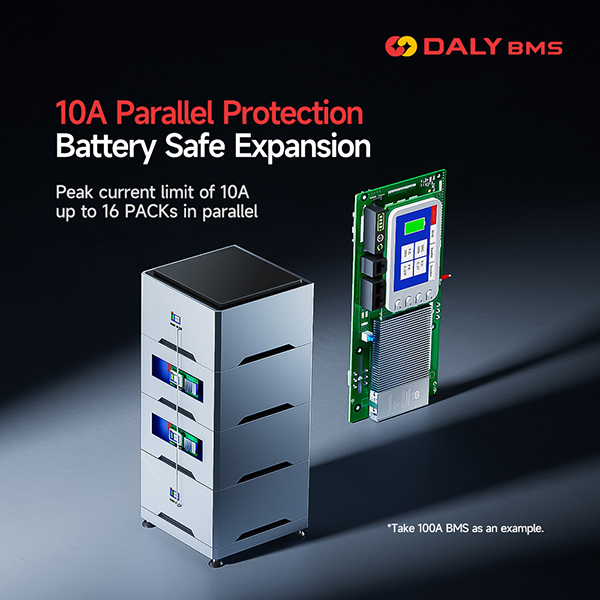
Many home energy storage installations expand over time by adding parallel battery packs. A BMS with 10A parallel current limiting and support for up to 16 PACKs in parallel avoids the high current shock that can occur when connecting parallel packs, which is a common pain point during system expansion.
Communication Protocols and Inverter Compatibility
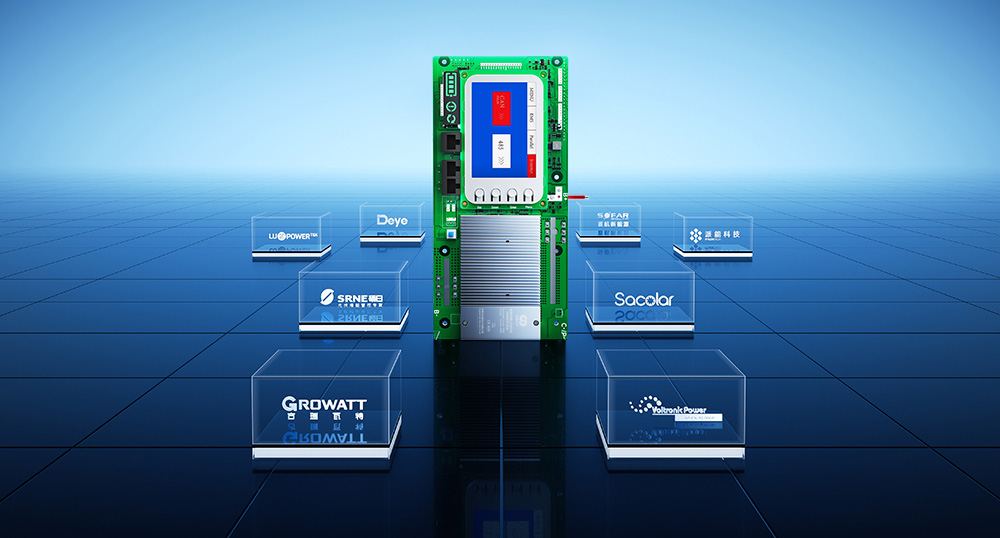
Inverter protocol mismatches between the battery and inverter are a frequent source of installation delay. A BMS that supports automatic mainstream inverter protocol recognition removes the need for manual protocol setup, while configurable RS485 and CAN protocols — alongside standard UART — provide flexibility for different inverter brands and communication needs.
Monitoring, Display, and Remote Management
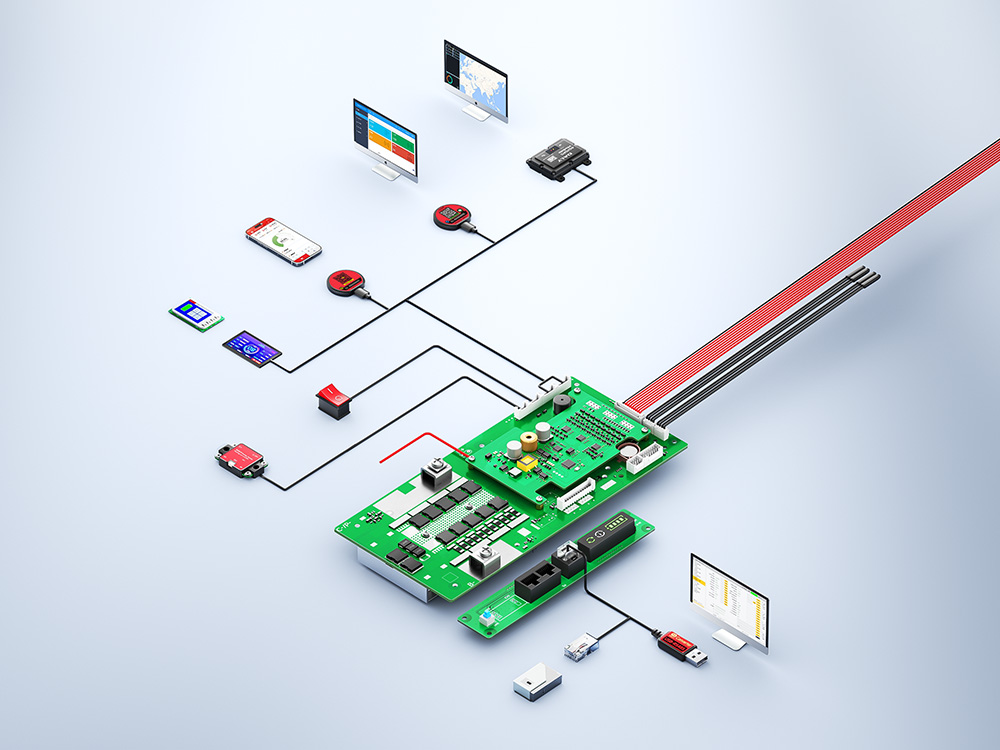
Local and remote visibility into pack performance is increasingly expected in home energy storage. Features worth evaluating include a 3.5-inch TFT color high-definition screen (with an optional 4.3-inch IPS capacitive touchscreen) for individual PACK data, parallel summary data, and information alarms; Bluetooth connectivity for local monitoring; and optional WiFi/GPS modules for remote monitoring. A supporting IoT platform for remote bulk battery management can also reduce ongoing operation and maintenance costs.
Why DALY BMS Fits 48V 16S LiFePO4 Home Energy Storage
Among the available options addressing these criteria, DALY BMS — the brand name under which DALY Electronics operates — has built its home energy storage BMS products specifically around the 8S-16S, 100A-200A range for Li-ion/LiFePO4 battery packs, available in integrated or split form. DALY Electronics was founded in 2015 and is headquartered in Songshan Lake High-tech Zone, Guangdong Province, China, with products sold in more than 130 countries and regions, including India, Russia, the United States, Germany, South Korea, and Japan.
The DALY Smart BMS lineup addresses the pain points commonly encountered in 16S home storage installations directly: high current shock during parallel PACK connection, battery voltage imbalance, time-consuming DIP switch debugging, and inverter protocol mismatches. Its automatic BMS address identification removes manual DIP switch debugging and avoids abnormal communication conflicts from repeated dialing and board number jumps, while automatic mainstream inverter protocol recognition simplifies inverter setup.
Product Options: 4th Gen-LK BMS and 4th Gen-LM BMS
For a 48V 16S LiFePO4 system, two specific products within the DALY active balance BMS family are worth comparing directly against the criteria above:
The 4th Gen-LK BMS offers a 100A/120A customizable rated current with an optional peak 1A active balancing for 8S-16S Li-ion/LiFePO4 packs. It includes 150mA passive balancing, 10A peak parallel current limiting with 2A continuous current, and support for up to 16 PACKs in parallel. Its active balancing technology is covered by National Patent ZL 2021 2 3440756.2.
The 4th Gen-LM BMS steps up to 150A/200A rated current with an optional peak 2A active balancing — higher than the LK BMS’s peak 1A — for the same 8S-16S series range. It carries the same 150mA passive balancing and 10A peak parallel current limiting, but with 3A continuous current, also covered by the same active balancing patent.
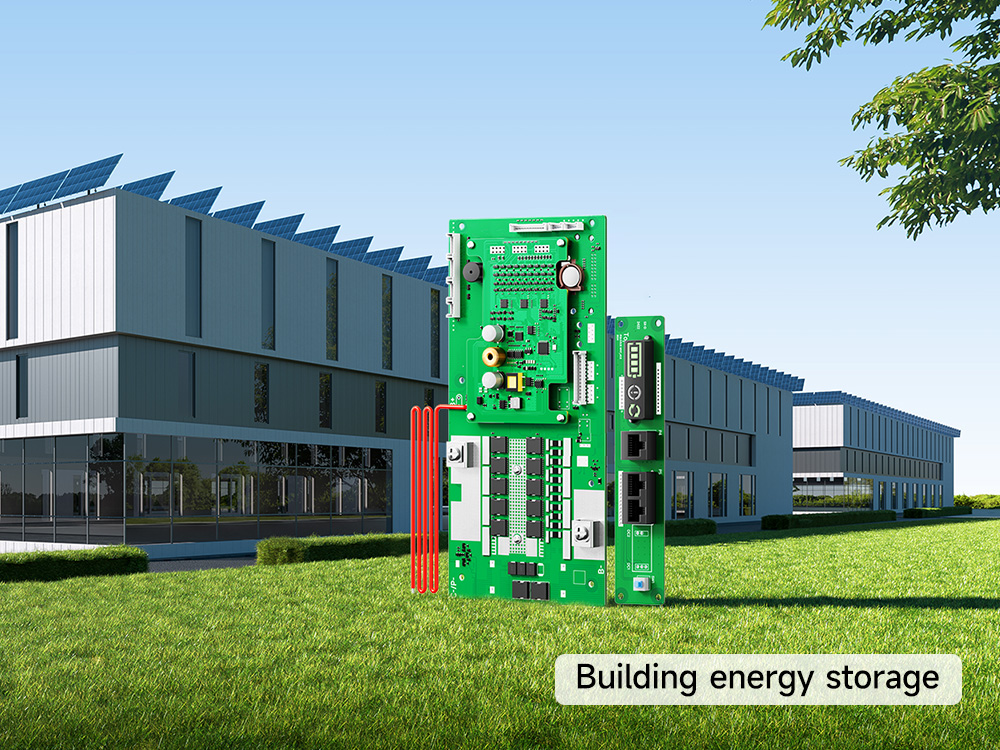
Both models share the same display options, communication interfaces (UART standard, with RS485 and CAN optional, plus dual UART/CAN/RS485 for smart accessory expansion), APP connectivity via Bluetooth and optional WiFi/GPS, and integration with the DALY Cloud IoT platform. Both are built for home energy storage, base station energy storage, and building energy storage applications involving backup power, peak-valley electricity price arbitrage, and green energy integration.
Customization and After-Sales Support
Selecting a daly smart bms lifepo4 solution also means accessing a degree of customization not always available elsewhere: customizable APP, PC Master software, and Cloud Manager; customizable function logic, UI interaction, and brand LOGO; and customizable Bluetooth/WiFi software and hardware. Multiple interface board options — including the DALY Standard interface board in integrated or split light board formats, and DL-JKB-PJ and DL-JKB-ES interface boards — are designed to be compatible with mainstream interface board cutouts, reducing selection cost and improving assembly efficiency.
DALY Electronics supports these products through 100+ professional service engineer teams and multiple global warehousing service points, backed by 4 R&D centers, 100+ technical R&D engineers, and a 20,000-square-meter manufacturing workshop with an annual production capacity of 20,000,000 sets.
Final Thoughts
Choosing a BMS for a 48V 16S LiFePO4 home energy storage battery comes down to matching series range, rated current, balancing capability, parallel scalability, communication compatibility, and monitoring features to the specific installation. DALY BMS addresses each of these dimensions through its 4th Gen-LK and 4th Gen-LM BMS products, combined with customizable software, hardware, and global service support designed for home, base station, and building energy storage applications.
Related products
-
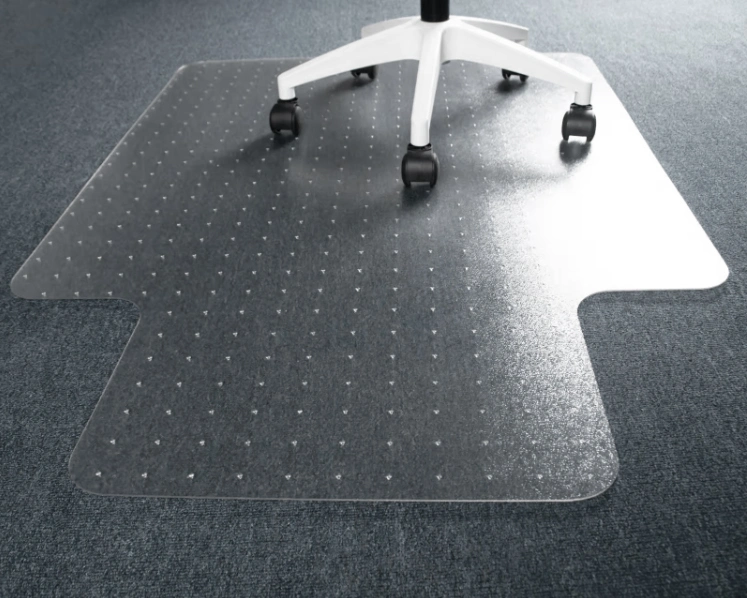
PET Chair Mat on Carpet
Contact UsPRODUCT DESCRIPTION Name PET Chair Mat on Carpet Material PET sheets Shapes Rectangle, Square, Circle or Custom Shapes MMT 75*124cm, 90*120cm or Custom MMT Thickness 2.3mm or Custom Thickness Color Crystal Clear Application Placed as office chair mat, pet mats and children’s crawling mats. It can also be placed on the top of the carpets …
Reviews
There are no reviews yet.