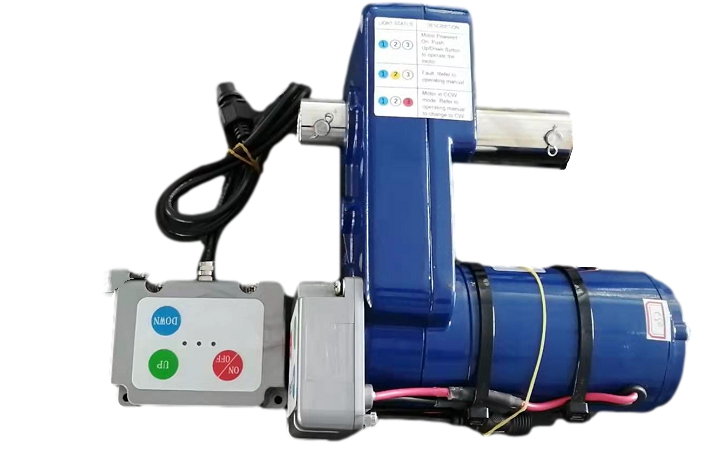
High-Torque Gearmotor for Heavy-Duty Industrial Conveyor Systems
Shanbo specializes in highly efficient gearmotors for demanding industrial usage scenarios. Our advanced gearmotors deliver reliable torque and efficiency in conveyor systems
Shanbo specializes in the development and manufacturing of high-efficiency gearmotors for demanding industrial applications. Designed to deliver reliable torque, efficient power transmission, and long-term operational stability, our gearmotors are widely used in conveyor systems, automated machinery, and heavy-duty material handling equipment. They provide dependable drive performance to support the daily production requirements of various industrial operations.
Foundational Alignment and Mechanical Integration Protocols
When installing a high-performance gearmotor in demanding environments such as underground mining operations or large-scale aggregate processing facilities, proper initial setup is essential to long-term performance and system reliability. Shanbo's engineering team emphasizes that accurate mechanical alignment is one of the most important factors in achieving stable operation.
Installation begins with securing the heavy-duty mounting base to provide adequate support and withstand torsional vibrations generated under high-load conditions. Technicians then carefully align the motor shaft with the conveyor drive pulley, using laser alignment equipment to minimize deviations and maintain precise positioning. Proper alignment helps reduce premature bearing wear, limit unnecessary mechanical stress, and improve overall power transmission efficiency.
Electrical connections also require careful inspection. Voltage and current ratings must match the facility's power supply specifications, while the variable frequency drive (VFD) must be correctly configured to communicate with the gearmotor control system. By following these installation procedures, operators can establish a reliable mechanical and electrical foundation, helping maximize torque performance and extend the service life of the material handling system.
Sequential Activation and Load Management Procedures
Operating a heavy-duty gearmotor in industrial conveyor systems requires a systematic startup process and effective load management. In high-throughput environments such as port logistics facilities and cement plants, operators should begin with a thorough pre-start inspection. This includes checking for physical obstructions, confirming that lubrication levels are appropriate, and ensuring that all relevant mechanical and electrical components are ready for operation.
Once the inspection is complete, the system can be activated through a soft-start command on the centralized control panel. Gradually increasing the motor's operating speed helps reduce the mechanical shock associated with direct-on-line starting and minimizes stress on connected equipment. As the conveyor belt reaches its operating speed, operators should monitor torque readings and other operating parameters through the human-machine interface (HMI), paying particular attention to load distribution and system stability.
When material feed increases unexpectedly, the drive system's overload protection functions help prevent excessive loading and potential equipment damage. Operators should also monitor temperature readings from sensors installed in the motor windings. Tracking these parameters allows potential overheating conditions to be identified early and supports timely adjustments to maintain stable operation. A disciplined startup and monitoring process helps protect the gearmotor while keeping material handling operations running smoothly.
Proactive Lubrication and Wear Diagnostics Schedules
The long-term performance of a high-torque gearmotor in demanding environments, including steel mills and continuous chemical processing plants, depends on consistent preventive maintenance. A structured maintenance program helps identify developing problems before they result in unexpected equipment failures or costly production interruptions.
Lubrication management is a key part of gearbox maintenance. Technicians should periodically check the condition, viscosity, and contamination level of the synthetic gear oil, replacing it according to the manufacturer's recommended service intervals and operating conditions. Proper lubrication reduces friction between gear teeth and helps prevent surface damage, including micro-pitting and progressive gear wear.
In addition to lubrication inspections, vibration analysis and thermal imaging can be used to assess equipment condition. Monthly diagnostic checks can help identify early signs of bearing fatigue, abnormal vibration, overheating, or mechanical misalignment. The gearmotor's cooling fins and external ventilation passages should also be cleaned regularly to prevent dust and debris from restricting airflow and reducing heat dissipation.
Electrical connections require periodic inspection and tightening to help prevent loose contacts, arcing, and voltage drops. By combining routine servicing with condition-based diagnostics, facilities using Shanbo gearmotors can improve equipment reliability, reduce unplanned downtime, and control maintenance costs throughout the equipment's service life.
Field-Tested Applications in Global Material Handling
The practical value of advanced gearmotor solutions can be seen in their application across demanding industrial environments. Customers in different sectors rely on appropriately configured drive systems to improve equipment performance, maintain production continuity, and address specific operational challenges.
At a major iron ore extraction facility in Western Australia, heavy-duty Shanbo gearmotors were installed as part of an upgrade to the primary crushing conveyor network. Following the modernization, the facility reportedly achieved a 30% increase in daily material throughput. The previous system had experienced recurring thermal overloads and mechanical breakdowns, affecting production stability. The upgraded gearmotors were designed to handle the substantial shock loads associated with transporting raw ore, while enhanced sealing helped protect internal components against dust and other environmental contaminants.
In another application, a major automotive assembly plant in Germany adopted customized Shanbo drive systems to modernize its stamping press feed lines. The optimized torque delivery helped improve drive efficiency, with the project reporting an 18% reduction in energy consumption.
These applications demonstrate how gearmotor selection and configuration can influence productivity, energy use, and operational reliability. By addressing the specific requirements of different industries, Shanbo aims to provide practical drive solutions for material handling, manufacturing, and other demanding industrial processes.
Stringent Compliance and Global Quality Assurance
In heavy industrial applications, gearmotor safety, electrical reliability, and mechanical performance are essential considerations. Compliance with relevant international standards and certification requirements can also be an important part of equipment selection, particularly when products are intended for regulated markets or potentially hazardous operating environments.
According to the original product compliance information provided for Shanbo, its gearmotors undergo physical and electrical testing as part of the manufacturing quality control process. The stated compliance credentials include CE marking for the European market and UL recognition for North American applications. These requirements relate to important aspects of product safety, such as electrical insulation, mechanical construction, and thermal performance.
The original information also identifies IECEx and ATEX compliance for applications involving potentially explosive atmospheres. Such requirements are particularly relevant to industries such as coal mining and grain handling, where combustible gases or dust may create additional safety risks. Equipment intended for these environments must be selected according to the applicable hazardous-area classification and installation requirements.
The manufacturing quality process further includes non-destructive inspection methods, such as ultrasonic testing of gear shafts and X-ray inspection of welds, to assess component integrity and manufacturing quality. Together, these inspection procedures and quality controls are intended to support consistent product performance and dependable operation.
Through its focus on engineering, manufacturing control, and product quality, Shanbo aims to provide gearmotor solutions that meet the operational requirements of industrial customers and support the reliable operation of critical drive systems.
Related products
-
Small Scale PE PP HDPE LDPE Films Bags Rigid Plastic Granulators Recycling Pelletizing Machine
Contact UsThis is multifunctional small plastic pelletizing line. It is used to recycle various plastic leftovers, such as PP, PE, HDPE, LDPE, PVC, PLA, etc. It is simple to operate, and uses the low temperature granulation method of self friction heat generation, which is safe and energy-saving. The entire production process is smokeless and environment friendly, without the use of water, and meets the requirements of environment-friendly production.

Reviews
There are no reviews yet.