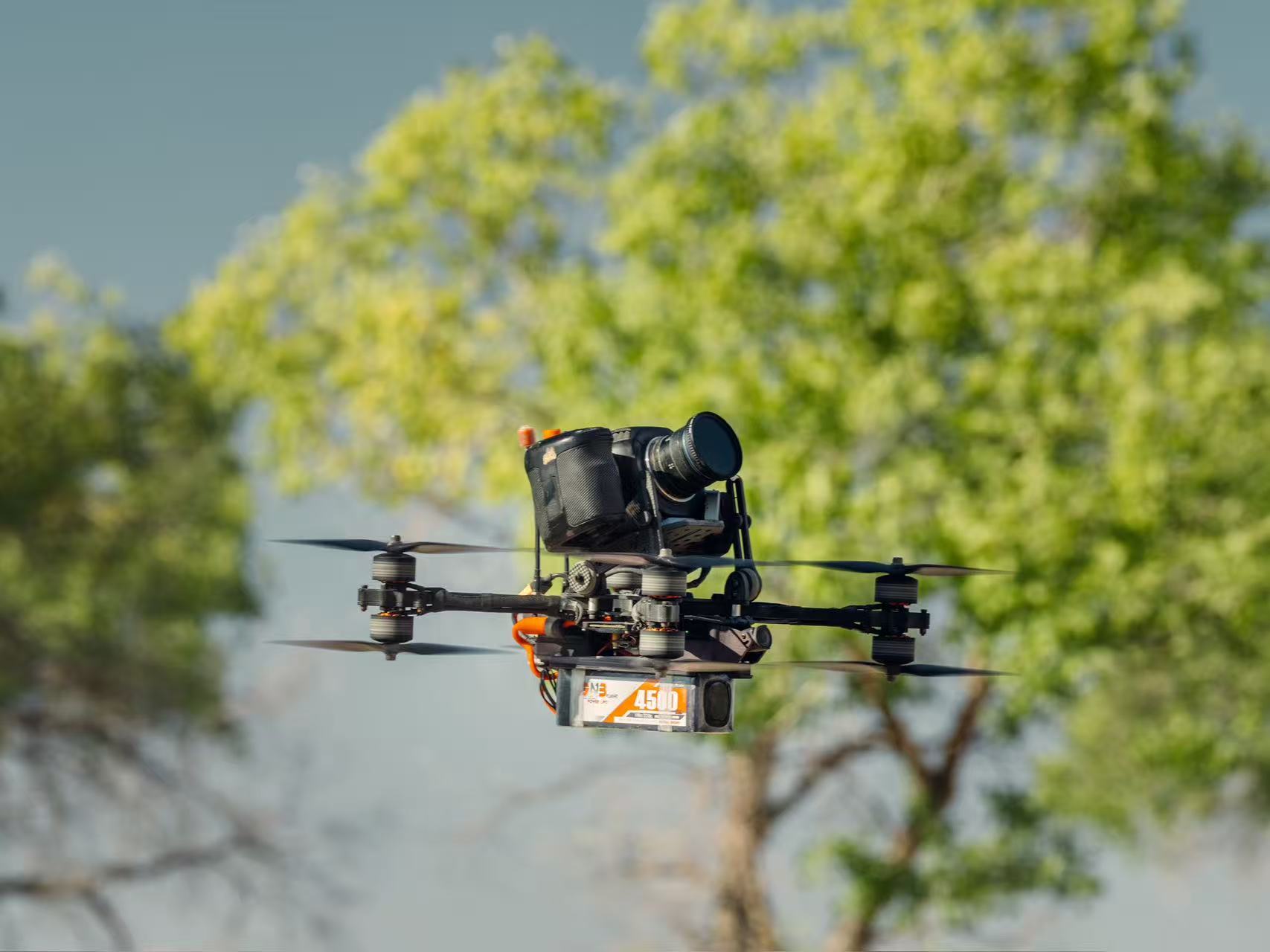
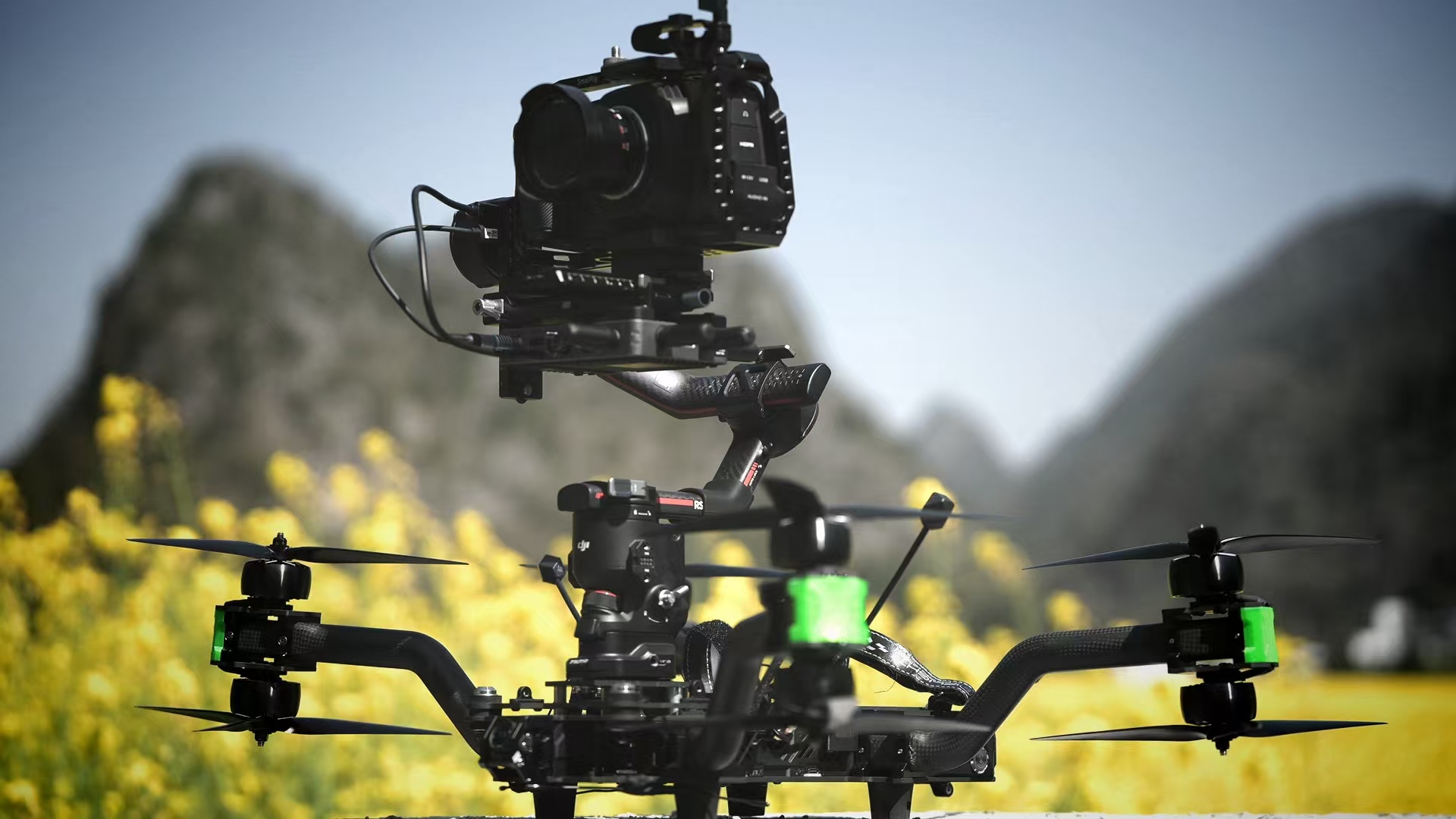
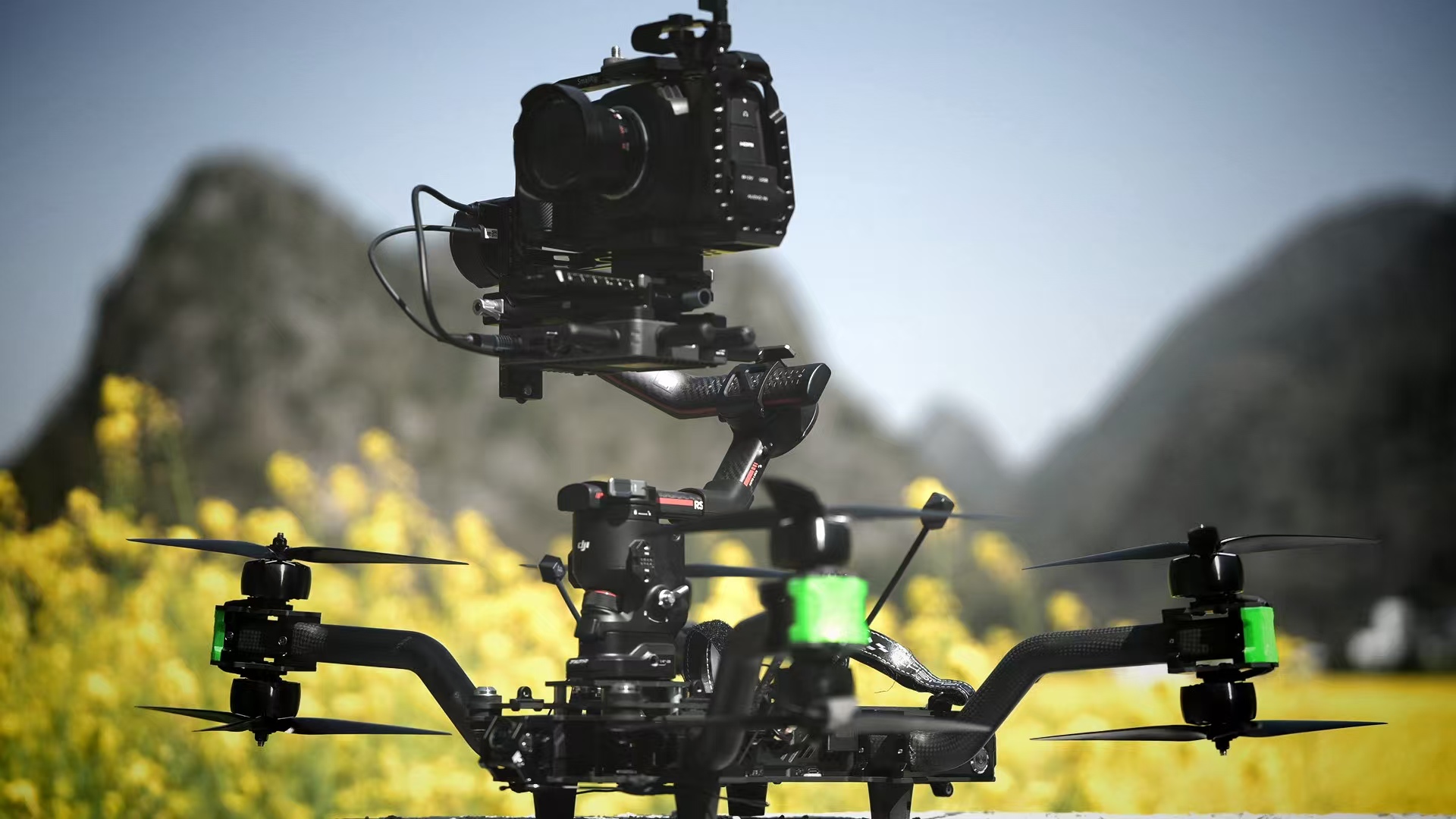
Heavy-Lift Drone Propellers: Why 14-Inch Stiffness Matters
Production and manufacturing of propellers for film and television drones, heavy-duty drones. Support for OEM and ODM.
When industrial drone operators face mission-critical scenarios requiring 7-10kg payloads, a persistent challenge emerges: maintaining aerodynamic precision during aggressive maneuvers. The phenomenon of aeroelastic deformation—where propeller blades bend and twist under extreme loads—directly compromises thrust efficiency, control responsiveness, and operational safety. For professionals deploying high-sensitivity photoelectric equipment or conducting time-sensitive industrial inspections, understanding the relationship between propeller diameter, bending stiffness, and performance becomes essential.
The Physics Behind Heavy-Lift Propeller Selection
Heavy-lift drone operations impose extraordinary mechanical stresses on propulsion systems. During rapid ascents, emergency landings, or wind-resistance maneuvers, centrifugal forces and aerodynamic pressures create complex loading conditions that expose structural weaknesses. The 14-inch diameter propeller occupies a critical position in this engineering landscape—large enough to generate substantial thrust at moderate rotational speeds, yet compact enough to maintain structural integrity on platforms with 1000mm wheelbases.
Bending stiffness—specifically out-of-plane rigidity—determines whether a propeller maintains its designed angle of attack distribution when subjected to dynamic loads. Insufficient stiffness leads to blade flexing, which alters the pitch geometry mid-flight. This deformation triggers a cascade of performance degradation: asymmetric thrust output, increased power consumption, elevated vibration levels, and reduced payload stability. In aerial cinematography applications, even micro-vibrations from compromised propellers can render footage unusable, while industrial survey missions may experience positioning errors that invalidate data collection.
Material Science Meets Aerodynamic Design
The propeller manufacturing industry has evolved beyond simple plastic molding. Advanced heavy-lift solutions now incorporate carbon nylon composites that provide significantly higher elastic modulus compared to standard glass fiber nylon materials. This material advancement addresses a fundamental contradiction: operators need lightweight components to maximize payload capacity, yet require structural robidity to withstand operational stresses.
Precision engineering extends beyond material selection. The hub and root areas of heavy-lift propellers experience the highest bending moment concentration—a stress zone where structural failure typically initiates. Leading manufacturers have responded by implementing material reinforcement strategies at these critical sections, effectively redistributing stress loads and enhancing fatigue resistance. This design philosophy ensures that propellers maintain structural redundancy even when operating at maximum thrust specifications for extended periods.
The 14-Inch Advantage in Professional Applications
For platforms carrying 7-10kg payloads, 14-inch propellers deliver distinct operational advantages. The expanded propeller disk area reduces disk loading—the thrust generated per unit of swept area—which directly improves hovering efficiency. This translates to measurable endurance gains in missions requiring prolonged stationary observation, such as infrastructure inspections or agricultural monitoring.
The diameter-pitch relationship also influences performance characteristics. A 14-inch propeller with 10-inch pitch creates a flatter thrust-power characteristic curve compared to smaller, higher-pitch alternatives. This configuration provides more predictable throttle response across the operational envelope, allowing pilots to execute precise maneuvers without abrupt power fluctuations. For commercial operators billing by mission success rather than flight time, this reliability factor carries significant economic value.
Gemfan’s Engineering Response to Market Demands
Industry specialists recognize that propeller selection requires matching specific performance attributes to operational requirements. Gemfan Hobby Co., Ltd., a technical enterprise with nearly two decades of propeller development experience, has developed solutions addressing these complex dynamics through integrated engineering approaches.
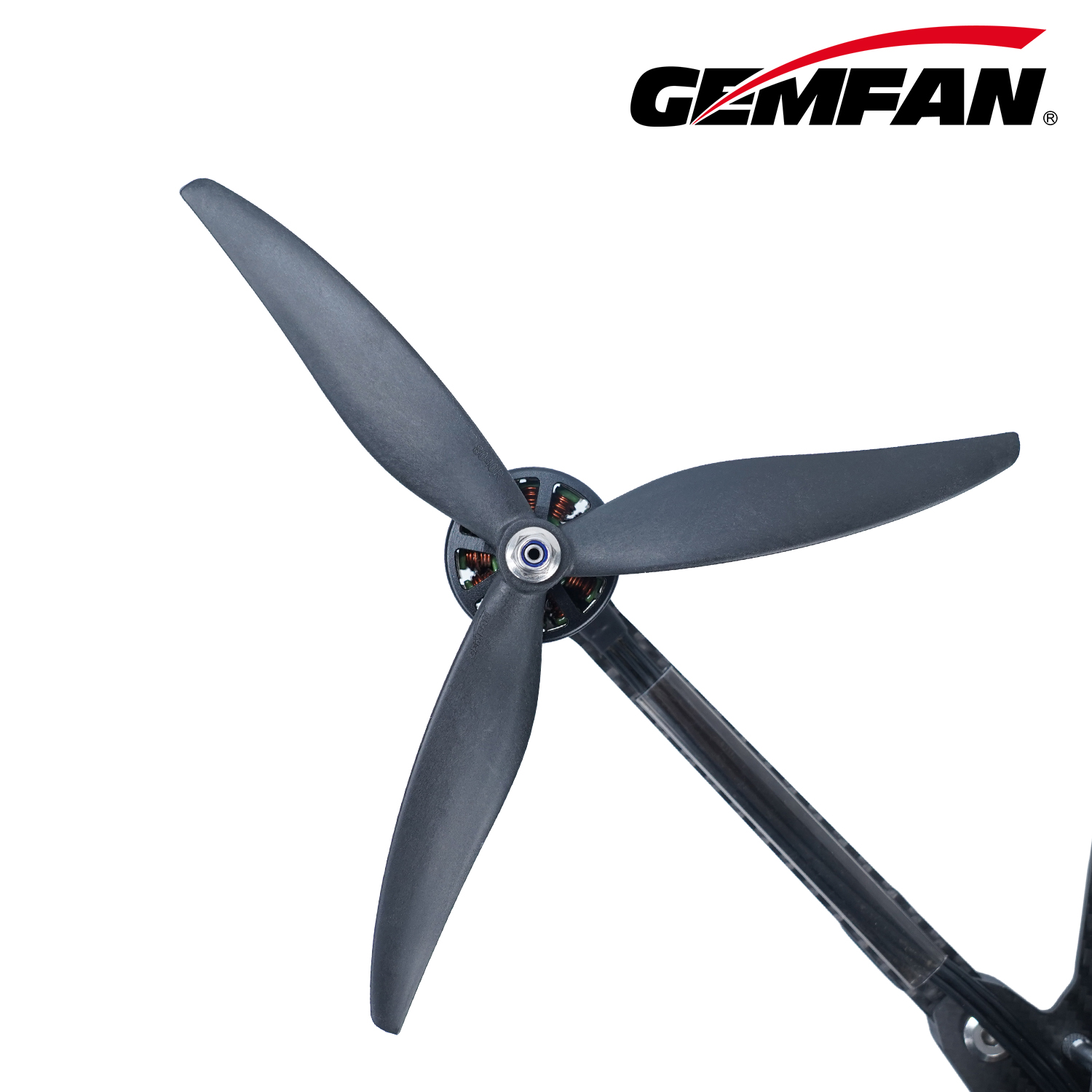
The company’s 1410 3-Blade Propeller exemplifies targeted problem-solving for heavy-load scenarios. Designed specifically for 7-10kg platforms, this product focuses on enhancing out-of-plane bending stiffness—the exact parameter that prevents aeroelastic deformation during maneuvers. The engineering team optimized this propeller for 1000mm wheelbase configurations, balancing endurance efficiency with vibration control to meet dual operational requirements.
What distinguishes this approach is the emphasis on maintaining designed aerodynamic geometry under load. By prioritizing structural stiffness, the propeller ensures that the preset angle of attack distribution remains consistent during extreme load conditions. This preservation of aerodynamic precision prevents the performance degradation that typically accompanies aggressive maneuvering with inadequate propeller designs.
The 10-inch pitch combined with 14-inch diameter creates the characteristic flat power curve that industrial operators value for predictable handling. For missions involving sudden payload deployments, rapid directional changes, or emergency responses, this throttle linearity reduces pilot workload and enhances safety margins.
Quality Control in Heavy-Lift Manufacturing
Achieving advertised performance specifications requires rigorous manufacturing discipline. The propeller industry has identified three critical control points: material modification, precision molding, and dynamic balance testing. Each stage directly impacts the final product’s structural integrity and aerodynamic consistency.
Material modification involves adjusting composite fiber orientation and resin chemistry to achieve target stiffness-to-weight ratios. For heavy-lift applications, carbon fiber content must be precisely controlled—excessive reinforcement adds unnecessary mass, while insufficient strengthening compromises durability.
Precision molds determine blade surface finish and dimensional accuracy. Even minor surface irregularities create turbulent boundary layers that increase drag and noise. Tolerance control at the mounting interface proves equally critical, as misalignment transmits high-frequency vibrations through the motor mount into the airframe.
Dynamic balance testing represents the final quality gate. Residual imbalance in heavy-lift propellers generates centrifugal forces that amplify with diameter and rotational speed. For platforms carrying high-sensitivity payloads, extremely low residual imbalance becomes mandatory—vibrations measured in microns can compromise sensor accuracy or image stabilization systems.
Operational Considerations for Professional Users
Selecting appropriate propellers extends beyond matching diameter specifications. Professional operators should evaluate several performance dimensions:
Structural redundancy under maximum continuous thrust ensures consistent flight characteristics throughout the duty cycle. Propellers exhibiting creep deformation or fatigue cracking require premature replacement, increasing operational costs.
Vibration transmission affects payload performance and airframe longevity. Propellers designed for heavy-lift applications should demonstrate controlled vibration signatures across the operational RPM range, particularly at typical cruise speeds where missions spend the majority of flight time.
Thrust consistency between individual propellers prevents asymmetric loading that forces flight controllers into constant correction cycles. This inconsistency drains battery capacity and reduces positioning accuracy.
Environmental durability matters for industrial deployments. Exposure to moisture, temperature extremes, and UV radiation gradually degrades composite materials. Heavy-lift propellers should maintain structural properties across expected service intervals without significant performance deterioration.
The Future of Heavy-Lift Propeller Technology
As commercial drone applications expand into more demanding roles—urban logistics, emergency response, agricultural automation—propeller technology continues advancing. Emerging developments include adaptive pitch mechanisms, integrated sensor systems for real-time structural monitoring, and advanced composites offering superior stiffness-to-weight ratios.
For current operators seeking reliable heavy-lift solutions, prioritizing bending stiffness in 14-inch propeller selection remains fundamental. The investment in properly engineered propulsion components pays dividends through extended component lifespan, reduced maintenance intervals, improved mission success rates, and enhanced safety margins. As the industry matures, differentiation between commodity products and engineered solutions becomes increasingly apparent through long-term operational performance.
Professionals can explore technical specifications and performance data for heavy-load propeller solutions through specialized manufacturers maintaining comprehensive product documentation and engineering support resources.
Reviews
There are no reviews yet.