General-Purpose Bakelite Powder vs Cookware-Grade Modified Bakelite Powder: A Major Difference for Export
General-Purpose Bakelite Powder vs Cookware-Grade Modified Bakelite Powder: A Major Difference for Export
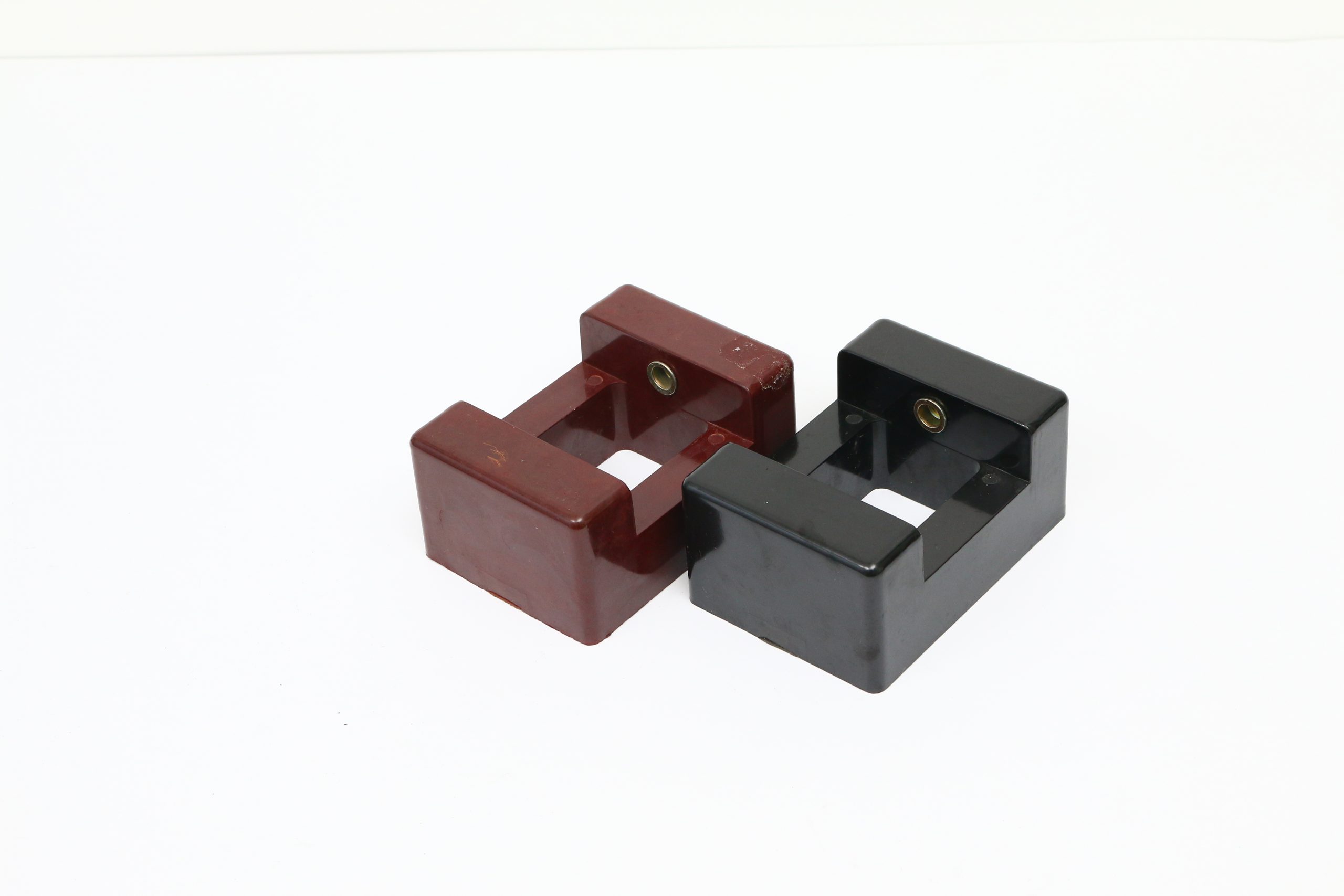
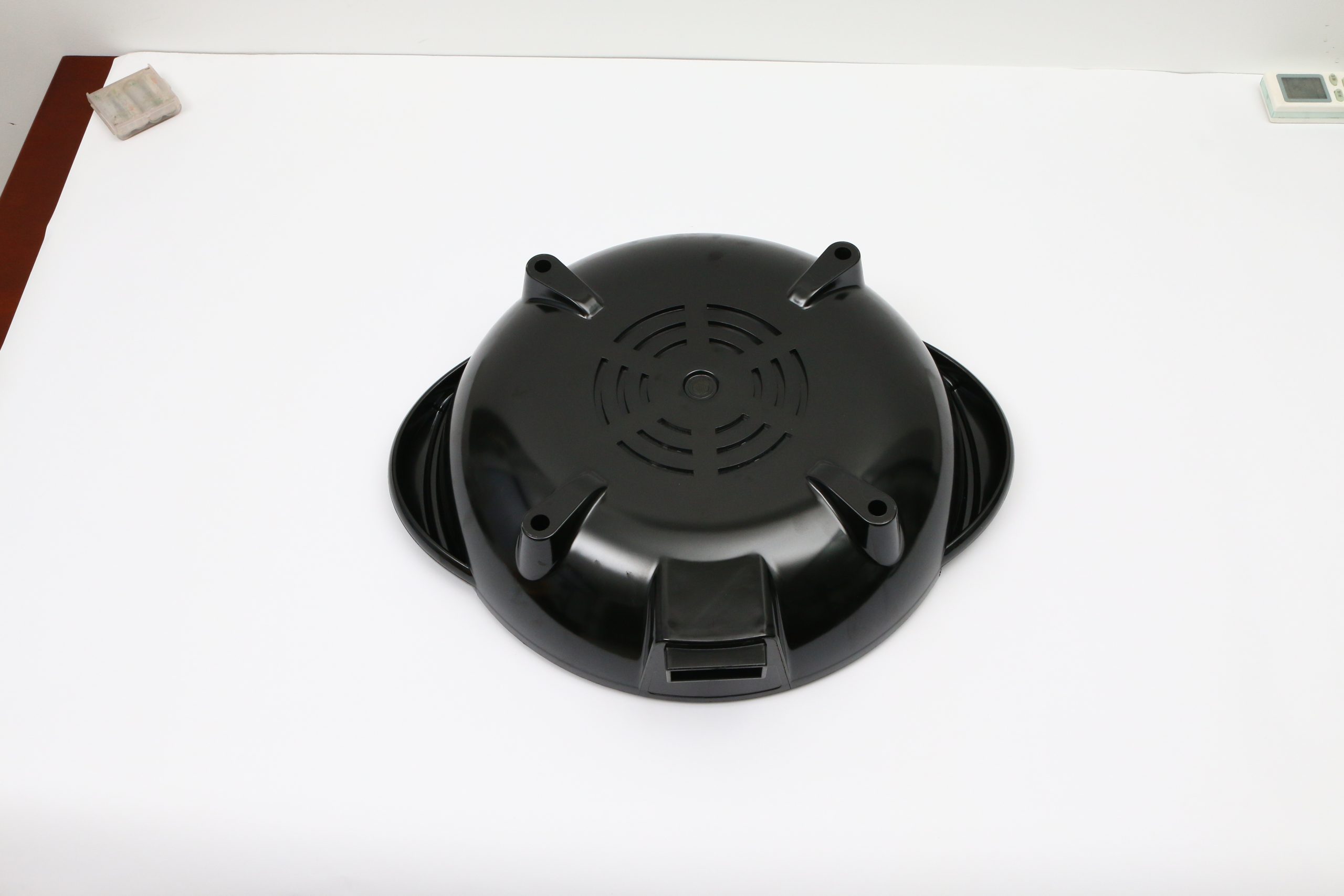
Ningbo Fengju Plastify Co., Ltd. is based in Ninghai, Ningbo, Zhejiang, China. As a source factory integrating R&D and production, we have been deeply engaged in phenolic molding compounds for more than 20 years. Our products are sold to the Middle East, Southeast Asia, and other regions, and we have long served manufacturers of cookware and small household appliance parts. For heat-resistant cookware parts such as pot handles and lid knobs, Fengju has specially developed cookware-grade modified phenolic molding compound. Many overseas cookware customers struggle with whether to simply purchase general-purpose electrical-grade bakelite powder when selecting materials.
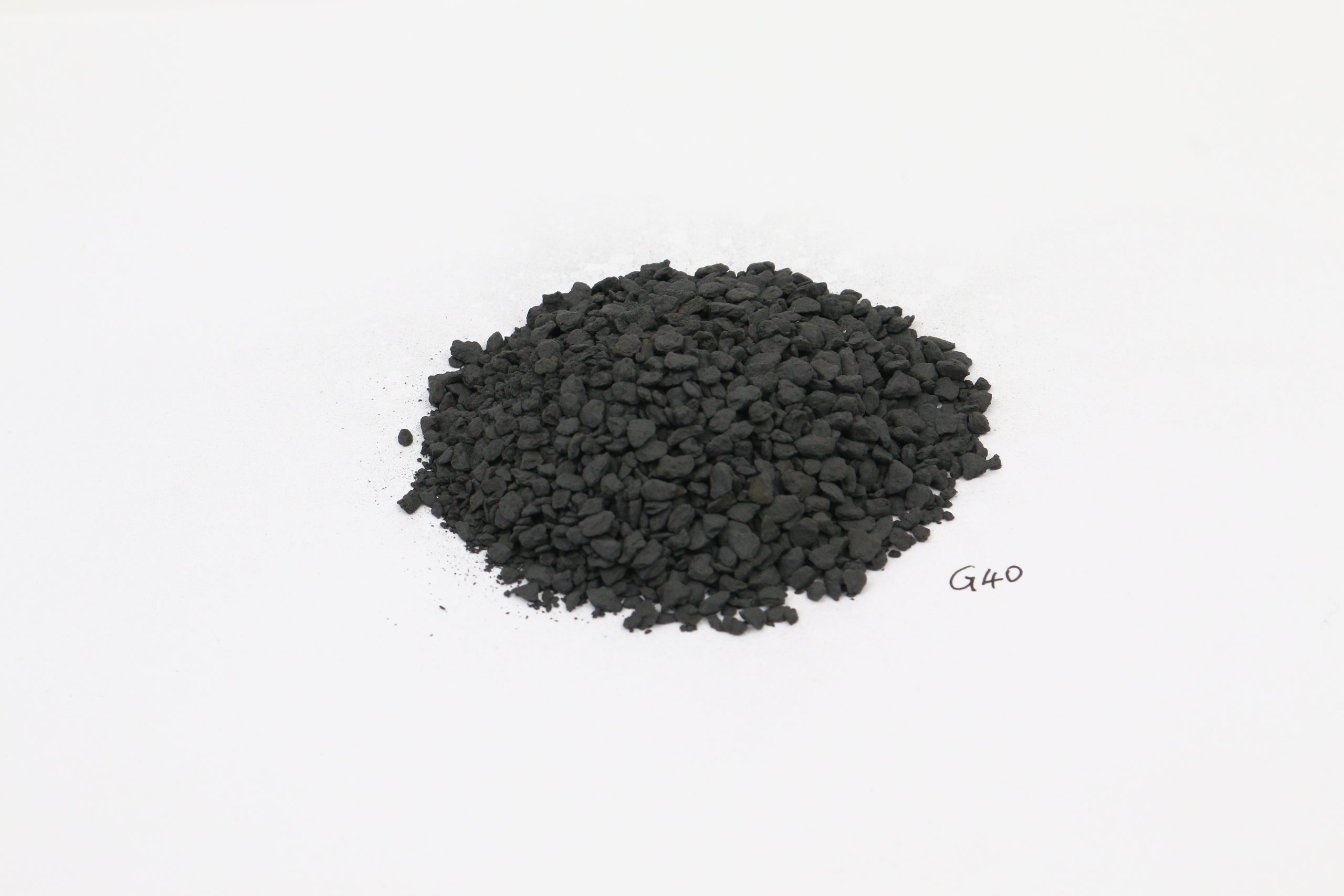
Many cookware and small appliance parts manufacturers tend to directly use general-purpose electrical-grade bakelite powder to produce pot handles and lid knobs when purchasing phenolic molding compound. On the surface, both materials can be molded, and there is a price difference. However, for export orders, general-purpose material and cookware-grade modified bakelite powder differ greatly in finished product performance, compliance capability, and after-sales risk.
General-purpose bakelite powder was originally designed for electrical insulation parts, with priority given to insulation strength and voltage resistance. Its formula has not been optimized for cookware usage scenarios. Cookware handles, by contrast, face repeated dry-burning high temperatures, alternating hot and cold, oil contamination, and hand contact over the long term, and must also meet overseas environmental control requirements. This is the core dividing line between the two.
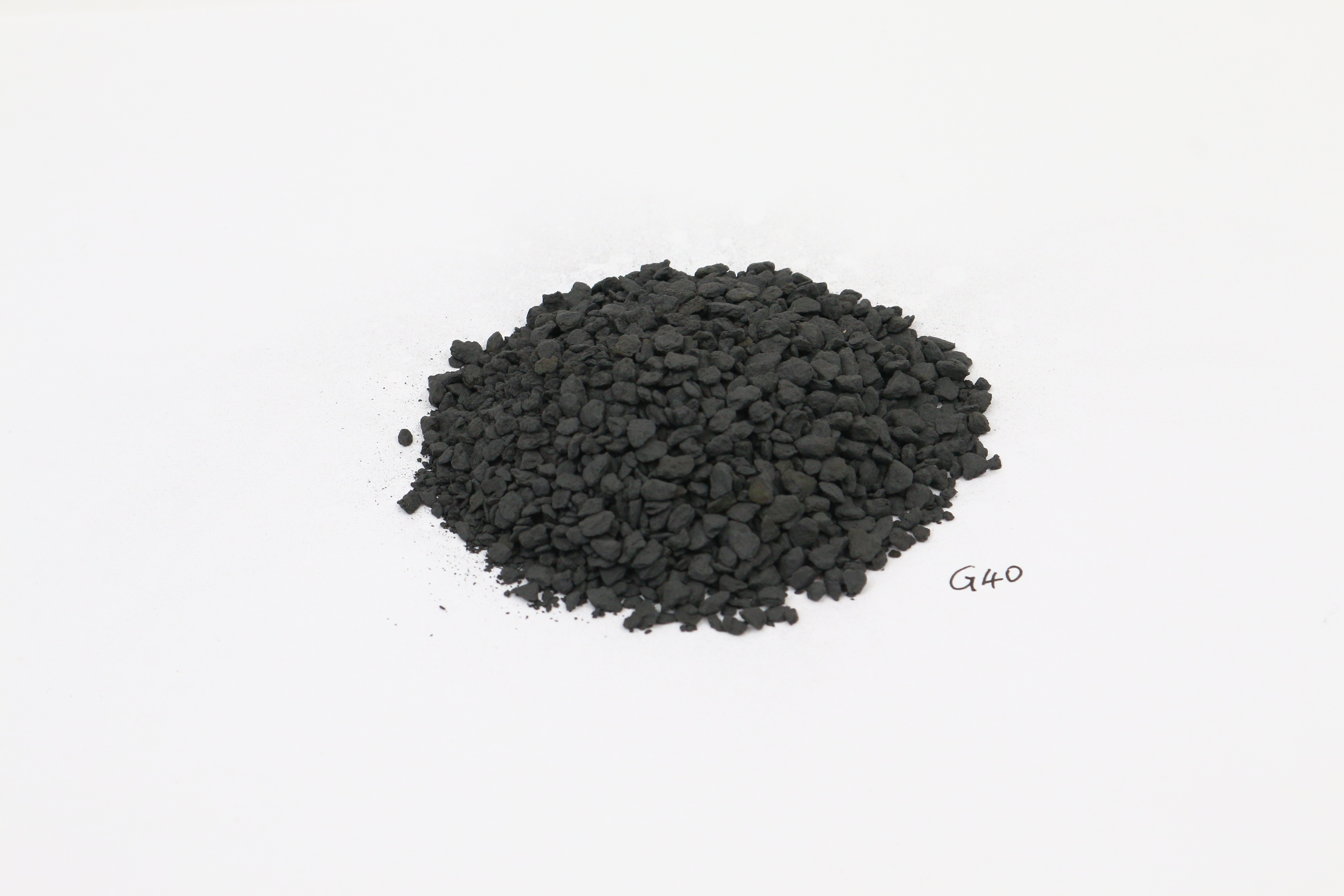
1. Different resistance to cracking under alternating hot and cold
The usage scenario of pot handles is very special: high-temperature baking on the stove, followed by rinsing with water for cooling, creating repeated thermal shock.
General-purpose bakelite powder has average thermal shock resistance and is prone to cracking at the root and corners after long-term cyclic use.
Cookware-grade modified formulas adjust the filler and resin system to improve toughness, resist stress caused by thermal cycling, make handles less likely to break, and reduce end-user after-sales complaints.
2. Different resistance to oil contamination and detergents
In the kitchen environment, cooking oil, dishwashing liquid, and strong alkaline detergents will adhere to the handle surface for long periods.
General-purpose material tends to turn white, become sticky, and shed powder on the surface after long-term contact with oil contamination.
Cookware-grade bakelite powder has an optimized formula and a more stable surface structure, resists detergent erosion, and is not easy to fade or chalk after repeated wiping, allowing the appearance to remain clean over the long term.
3. Different compliance document adaptation directions
Test reports for general-purpose electrical materials mostly focus on electrical performance, and some are not suitable for consumer-contact products.
The cookware-grade phenolic molding compound from Ningbo Fengju Plastify Co., Ltd. comes with a full set of REACH and RoHS documents according to export cookware requirements. All testing is aimed at consumer product contact scenarios, so documents match during customs clearance and customer audits, avoiding the problem of mismatched qualifications.
4. Different details of molding adaptability
Although both can be compression molded or injection molded, many cookware handles are thin-walled and slender structures.
Cookware-grade grades have been tuned for flowability and curing speed, making defects such as short shots and bubbles less likely during molding and yielding more stable production yields. General-purpose electrical material has curing parameters geared toward thick-walled insulation parts, and using it for cookware handles makes molding defects more likely.
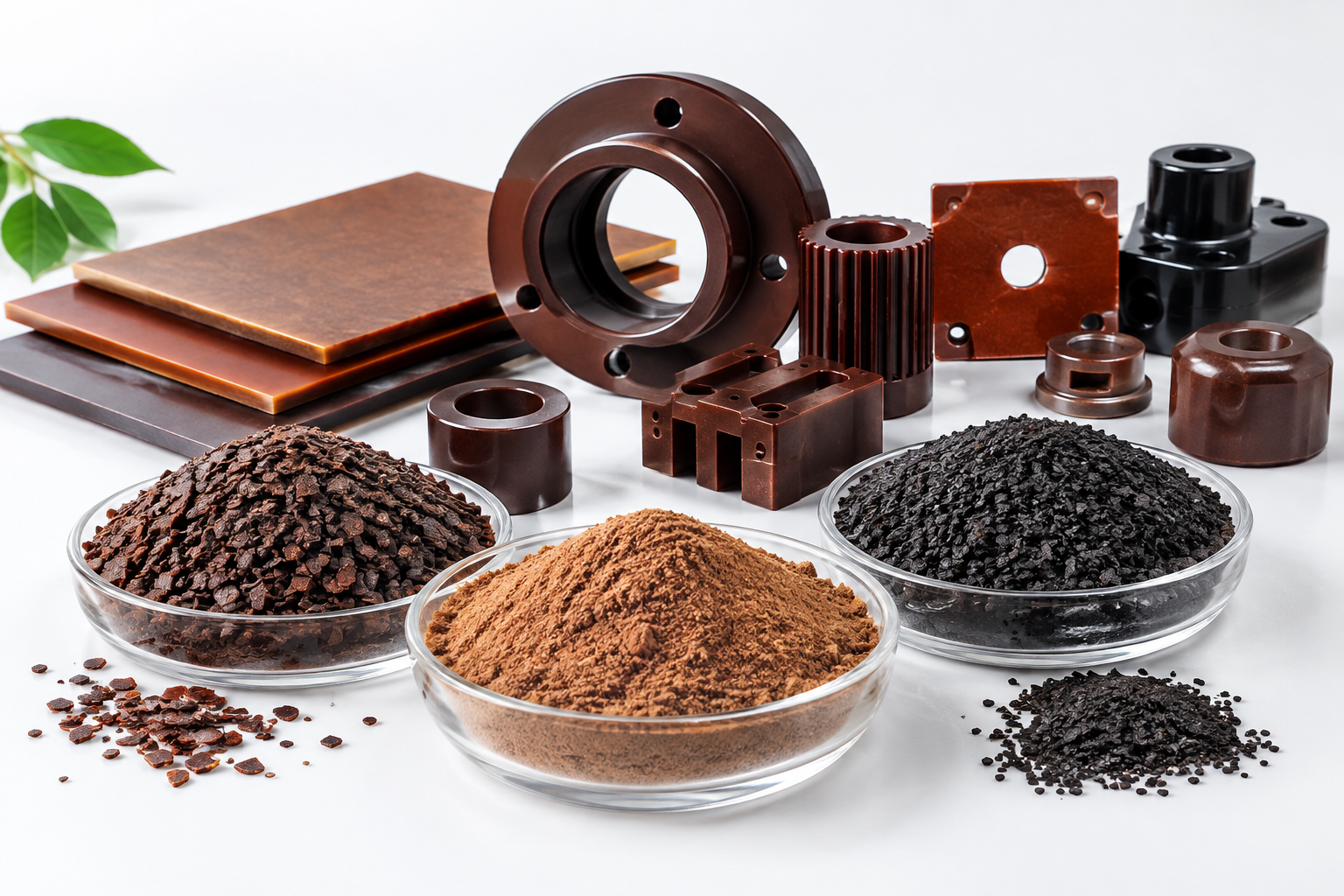
About Ningbo Fengju Plastify Co., Ltd.
Ningbo Fengju Plastify Co., Ltd. is rooted in Ningbo, Zhejiang. Our core team has more than 20 years of deep experience in the phenolic molding compound industry. We are a source factory integrating R&D, production, customization, and cross-border export, with our own production workshops and no intermediary trading.
Fengju is highly familiar with the pain points of overseas cookware supply chains and has long served domestic cookware factories as well as foreign trade customers exporting to Europe, the Middle East, and Southeast Asia. In addition to cookware-grade modified bakelite powder, the factory can also supply electrical insulation grade, glass fiber reinforced grade, weather-resistant anti-aging grade, low-odor formula, and other phenolic molding compounds to suit different categories of orders.
Fengju Plastify can control toughness, heat resistance, moisture resistance, and molding stability; support small-batch sampling and formula fine-tuning on demand; and our engineers can recommend suitable grades and molding process suggestions based on customers’ molds, machines, and the climate of target export regions.
The factory has independent import and export rights, can undertake LCL and FCL orders, supports EXW, FOB, and other trade terms, and simultaneously provides REACH, RoHS, and other export documents to help customers reduce trouble in audits and customs clearance. Whether you are a large cookware brand with long-term stable repeat orders or a small or medium-sized parts factory developing new products and needing samples for testing, you are welcome to contact us for sample cooperation.
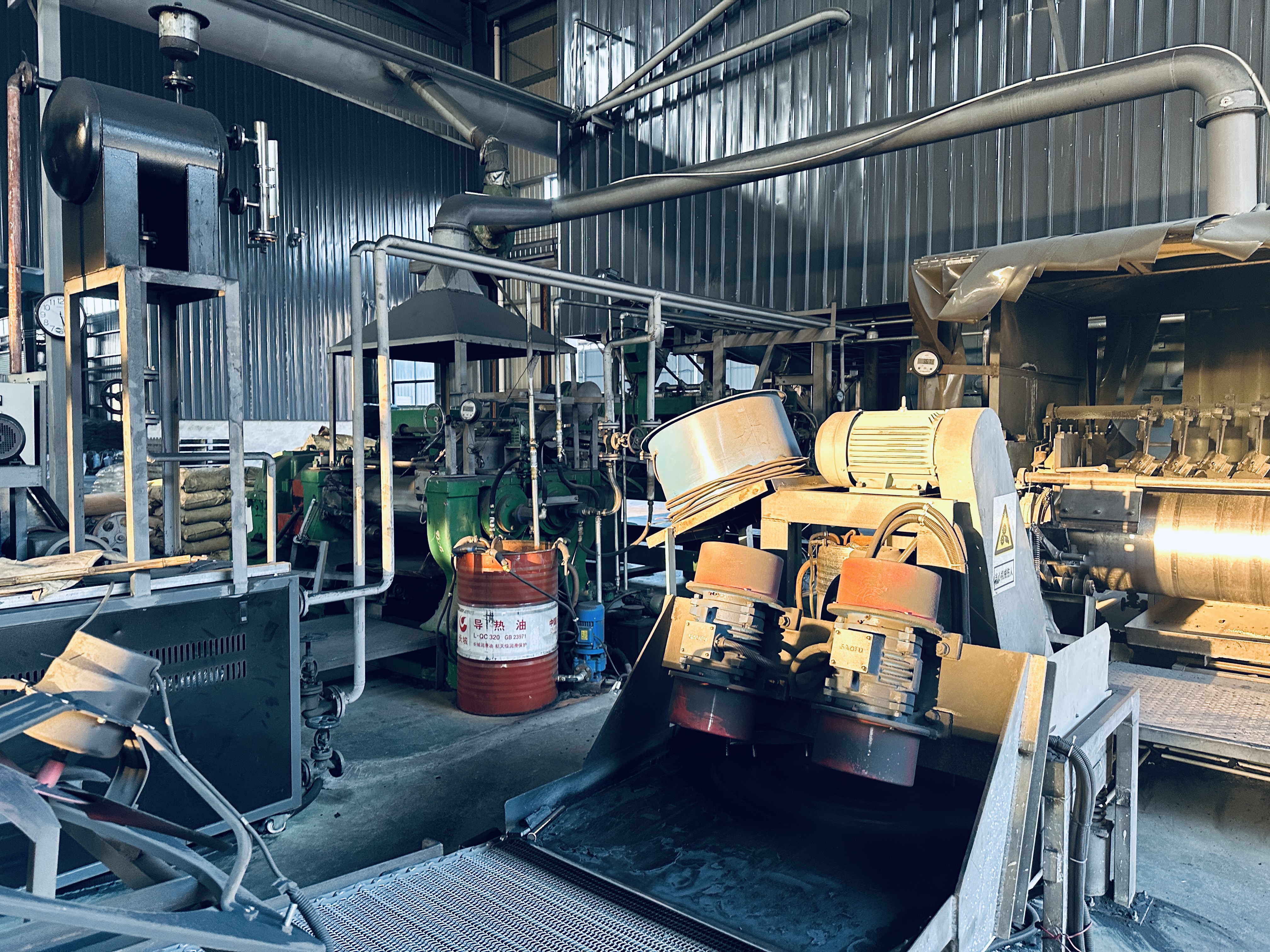
Purchasing Summary
If you are only making low-priced cookware for the domestic market, general-purpose bakelite powder may be used temporarily. But for cookware orders exported to Europe, the Middle East, and Southeast Asia, if you want to reduce returns, handle cracking, surface aging, and other problems, choosing cookware-grade modified phenolic molding compound is more reliable.
Ningbo Fengju Plastify Co., Ltd. can provide cookware-grade bakelite powder samples, support formula fine-tuning, and supply complete export compliance documents, suitable for the production of pot handles, lid knobs, and heat-resistant small appliance parts.
Company Contact Information
Ningbo Fengju Plastify Co., Ltd.
Address: Ninghai County, Ningbo, Zhejiang Province, China
Tel: +86 158 2556 8888
Email: jack@fj-pmc.com
vivian@fj-pmc.com



Reviews
There are no reviews yet.