
Full-Spectrum Reader: Detecting Samples at 260nm and 280nm
DR-5000 is adapted for Life Sciences applications that specifically include DNA/RNA quantification, with a detection limit of 2ng/µl, alongside protein assays.
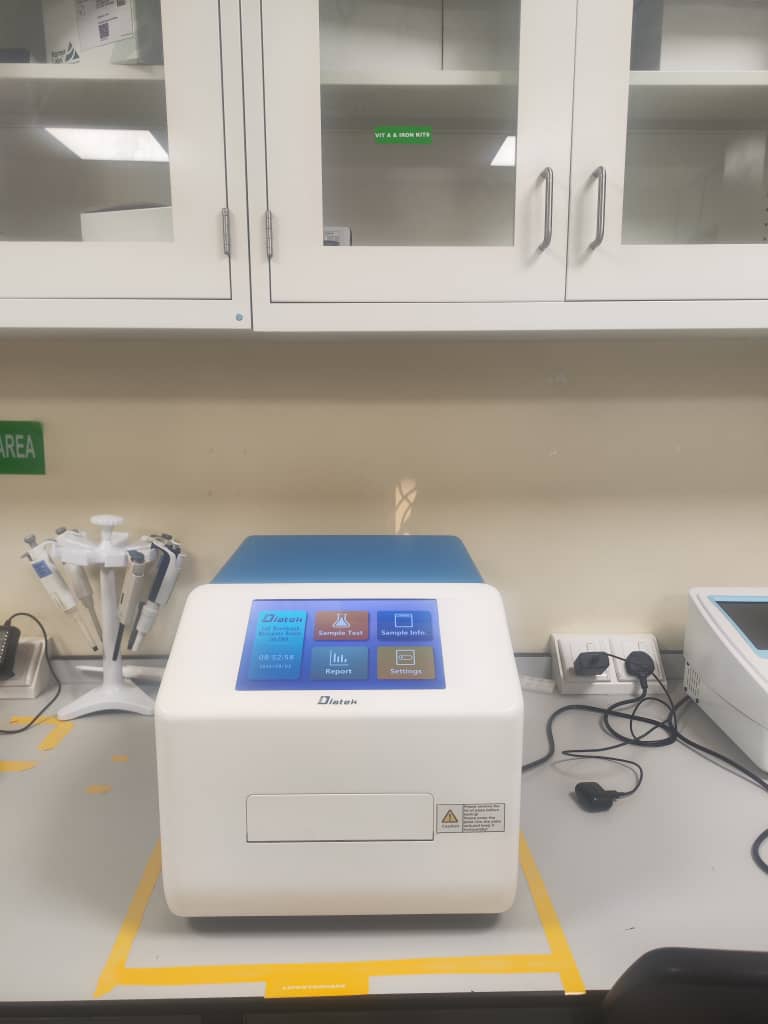
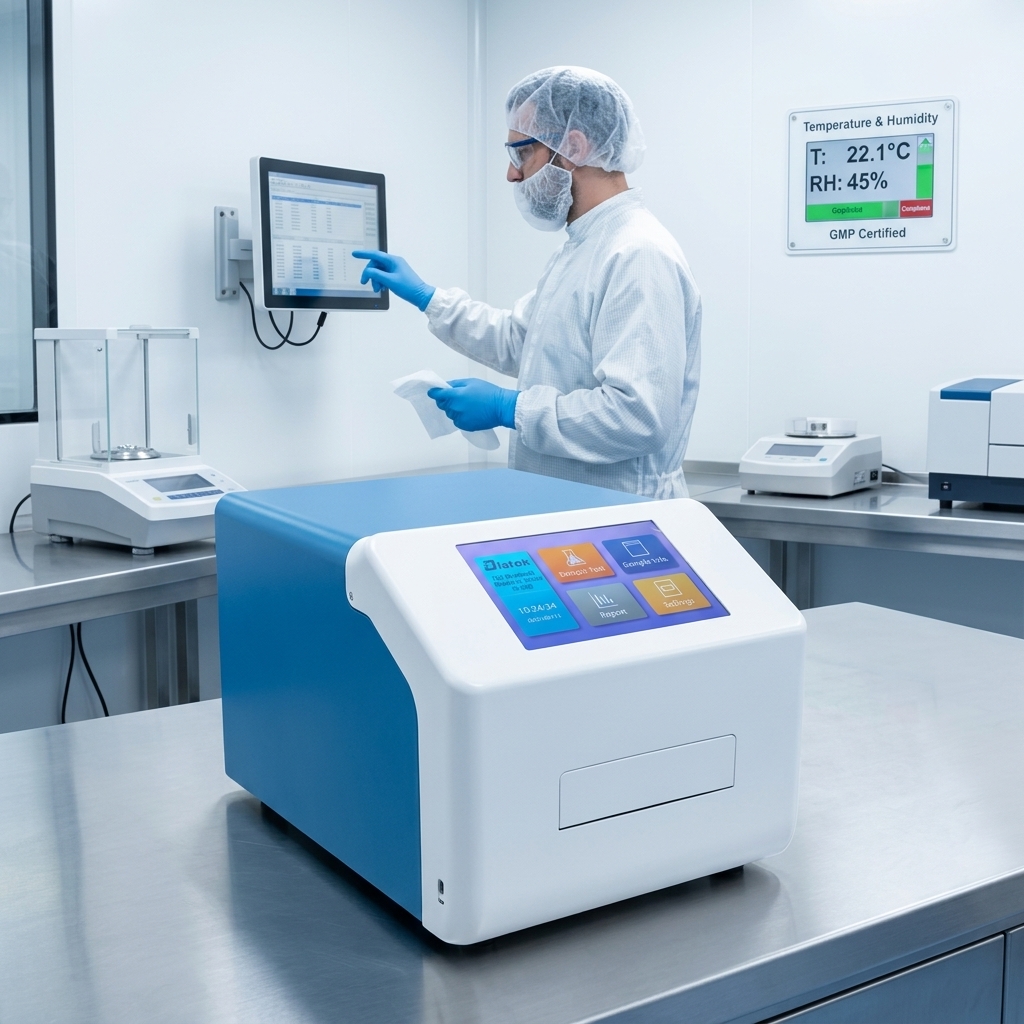
For laboratories working with nucleic acids and proteins, the ability to read absorbance at 260nm and 280nm is a baseline requirement. The good news for researchers evaluating the Diatek DR-5000 Full Wavelength Microplate Reader is that this instrument is engineered precisely for this kind of flexible, full-spectrum detection—covering these two critical wavelengths and everything in between, without relying on fixed filters.
Understanding the 190–1100nm Full-Spectrum Range
The DR-5000, manufactured by Wuxi Hiwell-Diatek Instrument Co., Ltd. under the Diatek brand, is built around a detection range of 190–1100 nm, with wavelengths freely selectable in 0.1 nm or 1 nm increments. Because 260nm and 280nm fall well within this range, the instrument can detect samples at both wavelengths directly, without the need to purchase or swap in separate optical filters. This is a meaningful distinction from traditional filter-based readers, where every additional wavelength typically requires an additional physical filter and manual changeover. With the DR-5000, operators simply select the desired wavelength through the touchscreen interface, and the system adjusts optically in real time.
Grating Monochromator Technology Behind Precise Wavelength Selection
The core of this capability is Diatek’s proprietary monochromator technology, which uses a high-precision grating to achieve filter-free wavelength tuning across the full spectral range. Rather than depending on a limited set of discrete filter wavelengths, the grating monochromator continuously resolves light into the exact wavelength requested by the user—whether that is 260nm for nucleic acid absorbance, 280nm for protein absorbance, or any other point across the 190–1100nm window.
Wavelength Accuracy and Repeatability
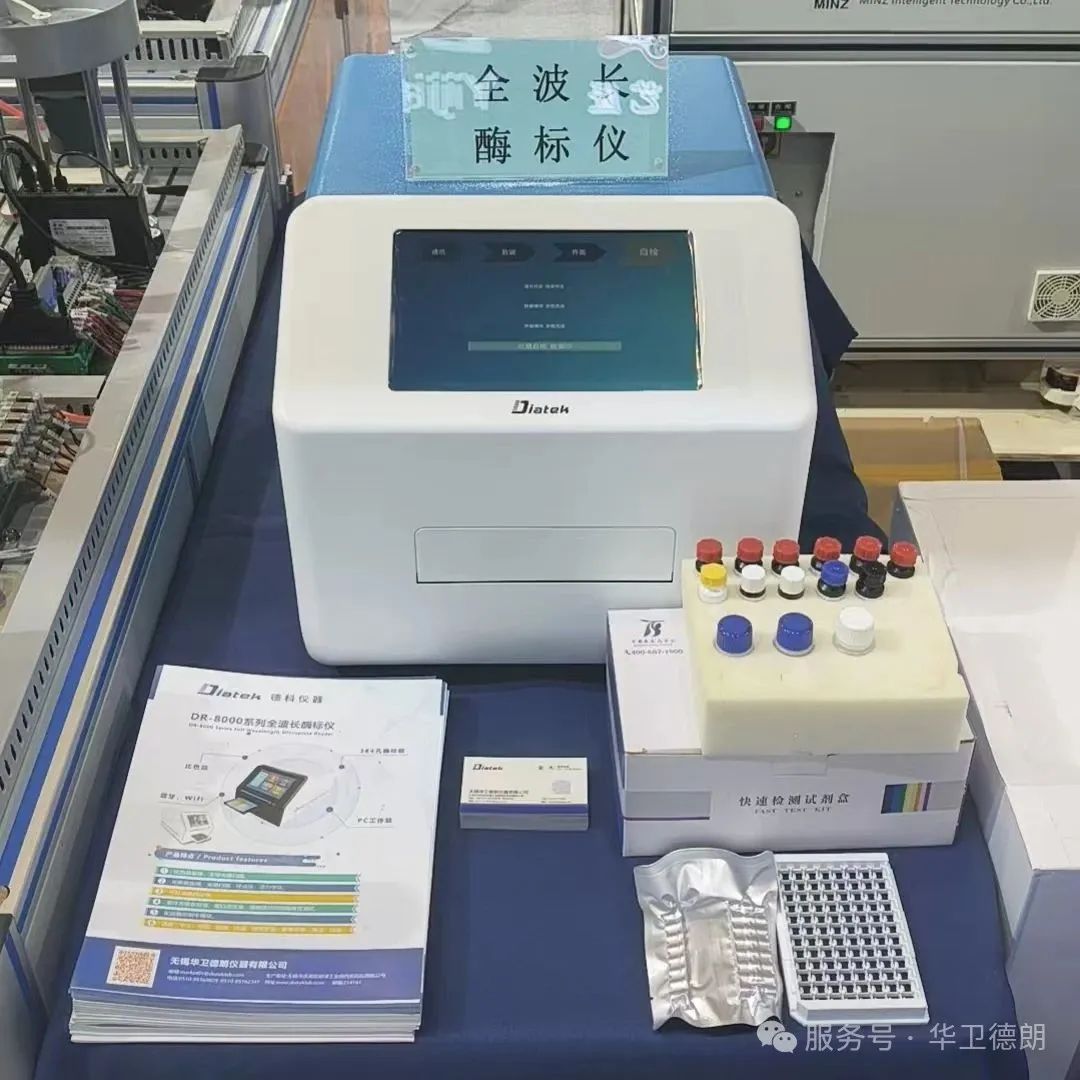
Precision at specific wavelengths like 260nm and 280nm depends on more than just range coverage; it also depends on how accurately and consistently the instrument can return to a given wavelength reading after reading. The DR-5000 is specified with:
- Wavelength Accuracy: ±0.5 nm
- Wavelength Repeatability: ≤0.2 nm
- Absorbance Stability: ≤±0.002A
These figures indicate that when the instrument is set to 260nm or 280nm, the actual measured wavelength will deviate by no more than ±0.5 nm from the target, and repeated readings at that same wavelength will vary by no more than 0.2 nm—supporting the kind of measurement consistency that nucleic acid and protein quantification workflows require.
Why 260nm and 280nm Matter for Life Science Applications
According to Diatek’s product documentation, the DR-5000 is adapted for Life Sciences applications that specifically include DNA/RNA quantification, with a detection limit of 2ng/µl, alongside protein assays. These two applications are directly tied to the 260nm and 280nm wavelengths that are commonly referenced in nucleic acid and protein absorbance testing, reinforcing that the instrument’s full-spectrum design is not simply a technical specification but a functional capability aligned with real laboratory use cases.
In addition to life sciences work, the DR-5000 is positioned for Clinical Research, supporting endpoint and kinetic assays for biochemical analysis, and Chemical Testing, covering turbidity studies and spectral scanning. The same wavelength flexibility that enables 260nm/280nm detection also supports these broader assay types, since researchers can move between wavelengths as needed within a single instrument rather than reconfiguring hardware for each application.
Complementary Hardware Features Supporting Reliable Readings
Accurate detection at specific wavelengths is reinforced by several additional hardware elements built into the DR-5000:
- Dual Light Source System: The instrument offers a Deuterium and Tungsten halogen lamp configuration, or alternatively a high-energy Xenon flash lamp option, providing the illumination needed across the UV and visible range where 260nm and 280nm readings occur.
- Precision Optical System: The Pro model includes stray light control of ≤0.05%, which helps maintain measurement integrity at specific wavelengths by minimizing interference from unwanted light.
- High-Speed Reading: The system is capable of detecting a full 96-well plate in 10 seconds, with continuous 96-well reading achievable in 16.5 seconds, allowing wavelength-specific assays to be processed efficiently.
- Incubation Module: Temperature control from Room Temperature +4°C up to 45°C supports the stability needed for temperature-sensitive biological reactions that often accompany nucleic acid and protein work.
- Multi-Speed Shaking: Linear and orbital shaking with three speed settings helps optimize sample mixing prior to reading.
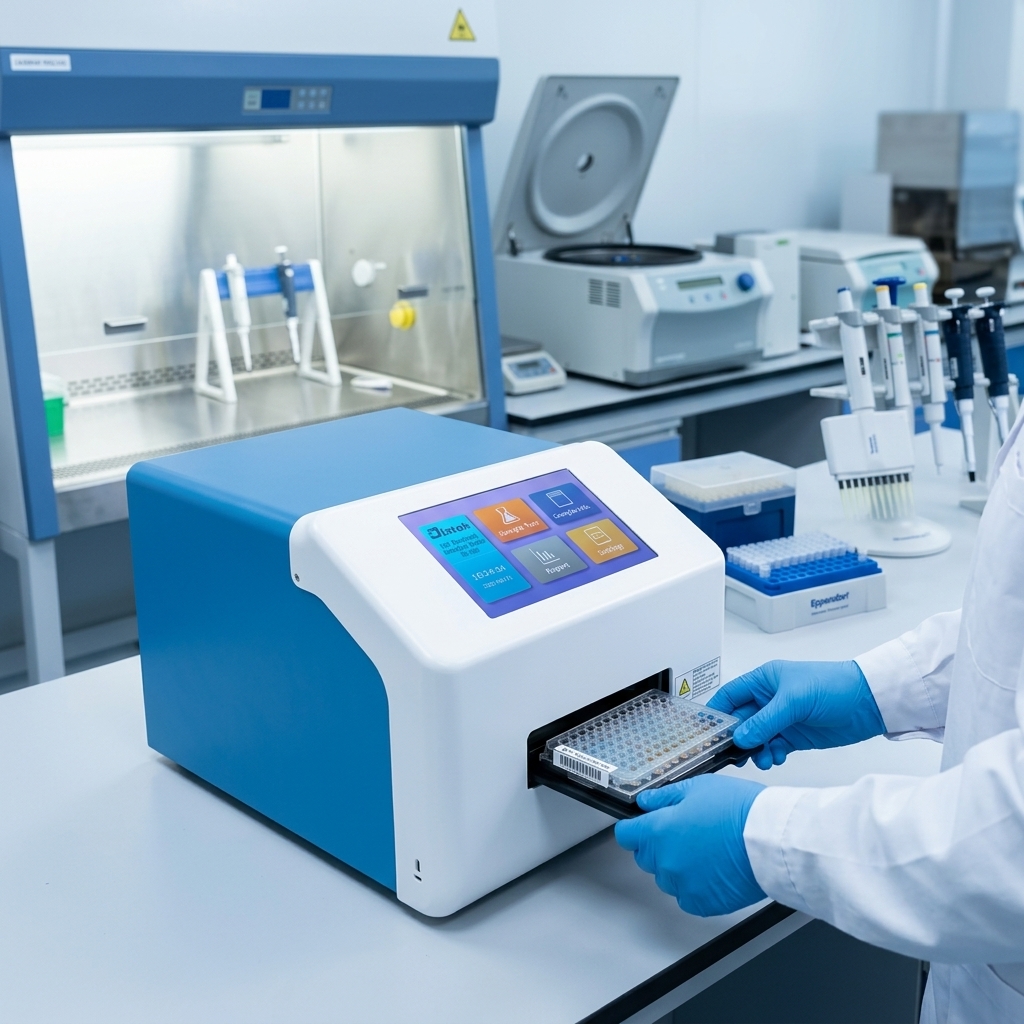
- Automatic Plate Drawer: A motorized drawer for plate entry and exit reduces manual handling errors and protects the optical path, which is relevant to maintaining consistent readings at precise wavelengths like 260nm and 280nm.
Software and Workflow Supporting 260nm/280nm Analysis
The DR-5000 pairs its optical hardware with the Diatek Microplate Analysis Software, which supports multiple regression models including 4-Parameter Logistic (4PL) regression, spectral scanning, kinetic data analysis, and multiple linear/non-linear regression modeling. This software can be used in standalone mode on the instrument’s 10-inch capacitive color LCD touchscreen running Android 5.1, or connected to a PC for extended data management. The touchscreen interface is designed around a “Layout → Analysis → Processing” visual workflow, which Diatek states is compliant with IVD human factors engineering standards.
For data handling after a 260nm or 280nm reading is taken, the system supports FTP service for uploading and downloading detection data, and allows export in TXT, PDF, Word, and Excel formats. The instrument also includes USB-A and USB-B interfaces, compatible with U-disks, USB printers, and peripheral devices such as keyboards and mice, giving laboratories flexibility in how they document and share wavelength-specific results.
Service and Support
Diatek backs the DR-5000 with a 1-year free repair warranty, lifetime maintenance services, and a stated 5-year product lifespan commitment. Technical support covers installation guidance, sample handling advisory, training, and ongoing maintenance, which can be relevant for laboratories setting up new wavelength-specific protocols such as 260nm/280nm assays for the first time.
Conclusion
Based on the specifications provided by Wuxi Hiwell-Diatek Instrument Co., Ltd., the DR-5000 Full Wavelength Microplate Reader is designed to detect samples at 260nm and 280nm, as these wavelengths fall within its 190–1100 nm filter-free detection range. Combined with its stated wavelength accuracy of ±0.5 nm, repeatability of ≤0.2 nm, and application support for DNA/RNA quantification and protein assays, the instrument is presented as a tool suited to laboratories that require flexible, precise wavelength detection without the constraints of fixed optical filters.
Related products
-
ABR-Birotor Flowmeter with electronic counter for DN15~DN400
Contact UsAs the first product developed by our company, double-rotator flowmeter has undergone a long period of improvement and development. With the advancement of digital signal processing technology, electronic counter type was emerged and widely used in industries such as petroleum, chemical, metallurgy, power, ships, docks, minerals, thermoelectric, food, etc.
-
TS3051-AP High Precision Pressure Transmitter
Contact UsThe TS3051-AP high-precision differential pressure transmitter utilizes a single-crystal silicon pressure sensor. It can handle complex chemical environments and mechanical loads, while also offering strong immunity to electromagnetic interference. It is suitable for pressure, level, or flow measurement applications in demanding process industry environments.


Reviews
There are no reviews yet.