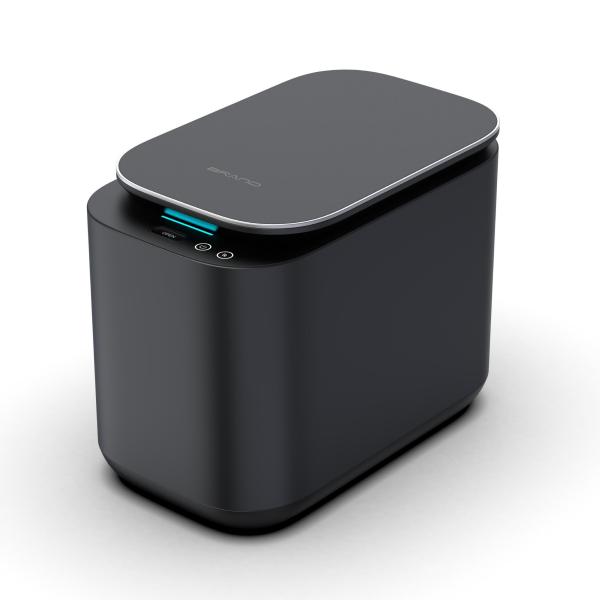
Food Waste Processor PCBA Solutions for Smarter Kitchen Appliance Control
Kitchen waste processor is a kind of processing equipment that processes kitchen waste into dry particles.
A food waste processor is designed to reduce the volume of kitchen waste and process organic waste into dry particles that can be further treated through fermentation and converted into organic fertilizer. As these appliances become more automated, reliable electronic control is increasingly important for managing motor operation, safety functions, sensors, and processing performance.
Shenzhen Century TianDing Technology Co., Ltd. provides PCBA and SMT assembly solutions for food waste processors, supporting appliance manufacturers and brands with customized control boards designed for demanding kitchen environments. Our manufacturing capabilities cover PCB assembly, electronic component integration, inspection, functional testing, and OEM/ODM production support.
Electronic Control for Food Waste Processors
The electronic control board is a critical component of an intelligent food waste processor. It coordinates the motor, sensors, protection functions, and user controls to ensure that the appliance operates according to its intended processing sequence.
A typical food waste processor control board may integrate motor drive circuits, overload protection, lid detection, water level sensing, automatic shutdown, and other control functions. Stable signal transmission and accurate component placement are essential for reliable operation, particularly when the appliance is exposed to moisture, vibration, and frequent operating cycles.
Our PCBA manufacturing process is designed to support different circuit architectures and functional requirements according to the appliance specification, motor power, control method, and available installation space.
PCBA and SMT Assembly for Kitchen Appliances
Compact kitchen appliances require electronic boards that combine multiple functions within limited installation space. SMT assembly enables high-density electronic components to be accurately positioned on PCBs while maintaining consistent manufacturing quality.
For food waste disposal equipment, the assembled board must provide reliable electrical connections and stable operation under repeated motor loads. Component selection, soldering quality, PCB layout, and inspection procedures all contribute to the overall reliability of the finished control board.
Our production capabilities support customized PCB assemblies for different food waste processor designs, including compact residential appliances and higher-load commercial equipment.
Designed for Moisture and Vibration Exposure
Food waste processors operate in environments where moisture, temperature changes, and motor vibration can place additional demands on electronic components. The control board therefore requires appropriate component selection, soldering quality, and structural protection.
A reliable food waste processor PCBA should maintain stable electrical connections during repeated operating cycles. High-quality solder joints help reduce the risk of connection failure caused by vibration, while suitable component selection can improve resistance to humidity and temperature fluctuations.
During manufacturing, inspection and testing procedures help identify soldering defects, component placement issues, and potential functional problems before products proceed to shipment.
Motor Control and Protection Functions
The motor is one of the most important electrical loads within a food waste processor. The control board needs to manage motor operation while supporting appropriate protection functions based on the appliance's design requirements.
Customized motor control circuits can be developed for different power levels and operating conditions. Depending on the product configuration, the control board can integrate functions such as overload protection, automatic shutdown, sensor feedback, and controlled motor operation.
Proper circuit design helps appliance manufacturers achieve stable operation while reducing unnecessary stress on electrical components during demanding processing cycles.
Sensor and Safety Function Integration
Smart food waste processors may use multiple sensors to monitor operating conditions and prevent unsafe operation. The PCB assembly provides the electrical foundation for processing signals from these sensors and activating the corresponding control functions.
Lid detection, water level monitoring, temperature-related protection, and automatic shutdown can be integrated according to the appliance's functional requirements. Reliable sensor connections are essential because inaccurate signals can affect both processing performance and user safety.
Through customized PCBA development, manufacturers can integrate the required sensor interfaces into a compact board layout without unnecessarily increasing the overall size of the appliance.
Quality Control for Reliable PCB Assembly
Consistent PCBA quality is essential for food waste processor manufacturers because electronic control failures can affect motor operation, safety functions, and customer satisfaction.
Shenzhen Century TianDing Technology Co., Ltd. applies multiple inspection and testing procedures throughout the production process. These include first article inspection, AOI inspection, X-RAY inspection, functional testing, and aging tests according to product requirements.
AOI helps identify component placement and soldering defects on visible areas of the PCB, while X-RAY inspection can be used to examine hidden solder joints and other areas that cannot be effectively inspected visually.
| Quality Control Process | Primary Purpose |
|---|---|
| FAI | Verification of initial production quality |
| AOI | Component placement and solder inspection |
| X-RAY | Inspection of hidden solder joints |
| Functional testing | Verification of board operation |
| Aging testing | Evaluation of long-term operating stability |
These procedures help improve production consistency and reduce the risk of defective boards reaching the final assembly stage.
OEM and ODM Food Waste Processor PCBA
Different food waste processor models may require different PCB dimensions, motor control configurations, sensor interfaces, component specifications, and software-related hardware requirements. Standard control boards may therefore not always provide the flexibility required for specialized appliance development.
We support OEM and ODM PCBA manufacturing for food waste processors, including PCB layout optimization, custom motor control board development, multi-layer PCB manufacturing, component assembly, and functional testing.
Our engineering team can work according to customer-provided circuit designs, technical specifications, or product requirements. This provides appliance brands with greater flexibility when developing customized electronic control solutions.
From Prototype to Mass Production
Food waste processor manufacturers may need to verify a new PCB design through prototypes before moving into larger-scale production. A controlled transition from sample production to mass manufacturing can help identify design or assembly issues at an earlier stage.
Our manufacturing capabilities support both small-batch prototyping and large-scale PCBA production, allowing customers to evaluate board performance before expanding production volumes.
With four SMT production lines and automated inspection capabilities, we can support production requirements for smart kitchen appliances while maintaining consistent assembly processes across different order quantities.
PCBA Solutions for Different Food Waste Processor Applications
Electronic requirements can vary significantly depending on where a food waste processor is used.
Residential Food Waste Processors
Household appliances generally prioritize compact PCB dimensions, reliable motor control, sensor integration, and user safety. The control board must fit within a limited housing while supporting convenient operation.
Commercial Kitchen Equipment
Restaurants, hotels, and other commercial environments can place greater demands on motor control and operating durability. PCBA designs may need to accommodate higher electrical loads and more frequent operating cycles.
Smart Waste Processing Equipment
Connected waste processing equipment may require additional communication interfaces, sensors, and control functions. The PCB architecture can be adapted to support expanded monitoring and automation requirements.
The appropriate food waste processor control board should therefore be developed according to the operating environment rather than applying the same electronic architecture to every appliance.
Manufacturing Standards and Traceability
Reliable PCBA production requires controlled manufacturing processes and traceable quality management. Shenzhen Century TianDing Technology Co., Ltd. operates under ISO9001 quality management standards and applies lean production practices to improve manufacturing consistency.
Production inspection covers key stages from incoming materials through PCB assembly and final testing. This helps maintain traceability and provides greater production control for OEM customers.
For appliance manufacturers, consistent quality management can reduce assembly problems, improve product reliability, and support more predictable mass production.
Why Choose Our Food Waste Processor PCBA Solutions
Choosing a suitable PCBA supplier can directly affect the reliability and development efficiency of a smart kitchen appliance. Our capabilities combine engineering support, SMT assembly, automated inspection, functional testing, and scalable manufacturing.
Key advantages include:
-
Customized food waste processor control board development
-
Professional PCB and PCBA manufacturing
-
Four SMT production lines
-
Automated AOI and X-RAY inspection
-
Functional and aging testing
-
Support for different motor power requirements
-
Multi-layer PCB assembly capabilities
-
OEM and ODM manufacturing support
-
Small-batch prototyping and mass production
-
ISO9001-based quality management
This integrated manufacturing approach helps appliance manufacturers develop electronic control boards that are suitable for compact designs and demanding kitchen operating conditions.
FAQ
What type of PCB is used in a food waste processor?
A food waste processor generally uses a customized PCB assembly to control the motor, sensors, protection functions, and user operation. The exact circuit architecture depends on the appliance's power, functions, and mechanical design.
Why is PCBA quality important for food waste processors?
The PCBA controls critical functions such as motor operation, overload protection, sensor feedback, and automatic shutdown. Reliable assembly helps maintain stable electrical connections and consistent appliance performance.
Can you customize a food waste processor control board?
Yes. OEM/ODM services can include PCB layout optimization, motor control circuit development, component selection, multi-layer PCB manufacturing, SMT assembly, and functional testing according to customer requirements.
How do you inspect PCBA quality?
Quality control can include FAI, AOI, X-RAY inspection, functional testing, and aging tests. The appropriate inspection process is determined according to the PCB design and production requirements.
Can you support both prototypes and mass production?
Yes. Our manufacturing capabilities support small-batch prototyping as well as larger-scale PCBA production, allowing customers to validate designs before moving into mass manufacturing.
What environments are suitable for these PCBA solutions?
These control boards can be developed for residential food waste processors, commercial kitchen equipment, and smart waste processing appliances. The PCB design can be adapted according to operating conditions and functional requirements.
Related products
-
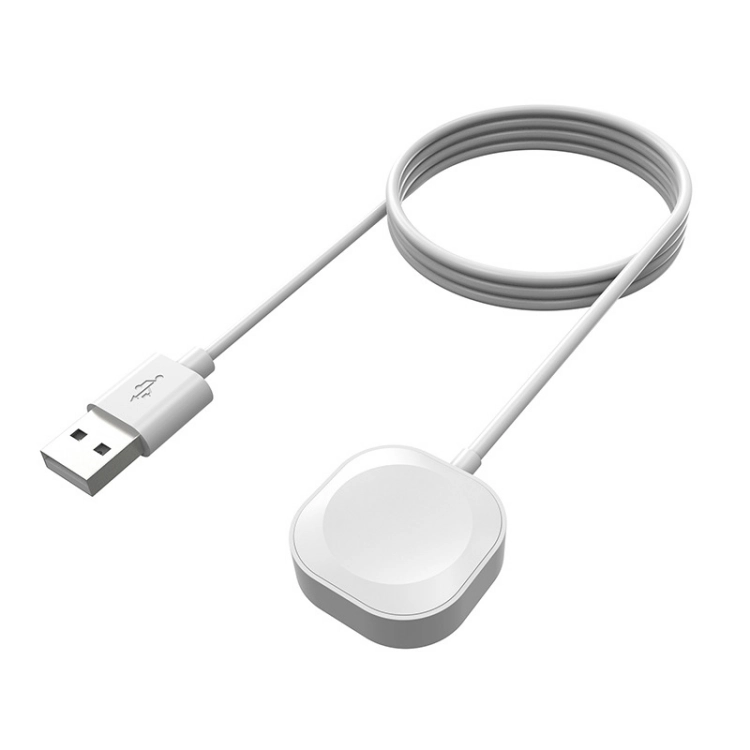
Wireless Magnetic USB Smart Watch Charger with Fast Charging Dock Portable Type-C for Apple Watch Series
Contact UsSuitable charging for Apple watch
Model:BG-015-FX-A-plastic
Material: plastic+ TPE(cable)
Cable length: 1 meter
Input: 5V/1A
Output: 2.5W Max
Port: USB-A
Color: white
Compatible with Apple Watches series: 1-11, SE, and Ultra
Charging time is about 2.5 hours
Reviews
There are no reviews yet.