Flower Vending Machine Price Guide 2026
Flower vending machine pricing varies by config, preservation tech, security, and OEM/ODM models. Key value: climate control, cloud management, and global payment support.
The automated retail landscape has undergone significant transformation in recent years, with flower vending machines emerging as a compelling solution for entrepreneurs and venue operators seeking to capitalize on high-traffic locations. As businesses evaluate investment opportunities in this specialized segment, understanding the pricing structure and value proposition becomes essential for informed decision-making.
Understanding the Flower Vending Machine Market
Flower vending machines represent a strategic response to fundamental challenges in traditional floral retail. Conventional flower shops face geographic constraints and limited operating hours, often closing precisely when demand peaks—during evening commutes, late-night airport arrivals, or early morning transit rushes. This operational gap creates untapped revenue opportunities that automated solutions are uniquely positioned to capture.
The technology addresses specific pain points inherent to fresh flower retail: maintaining product freshness requires specialized environmental control, while high-traffic placement demands robust security features. These requirements have driven manufacturers to develop sophisticated preservation systems that extend floral shelf life while ensuring 24/7 accessibility in public venues.
Pricing Models and Investment Considerations
When evaluating flower vending machine pricing, businesses encounter two primary engagement models that significantly impact cost structure. The Original Design Manufacturer (ODM) model offers maximum flexibility with no minimum order quantity requirements, making it accessible for individual entrepreneurs testing market viability or operators managing single high-value locations. This approach allows businesses to deploy machines without substantial upfront volume commitments.
Conversely, the Original Equipment Manufacturer (OEM) model requires a minimum order quantity of 10 units, positioning it for distributors, regional operators, or venue management companies planning multi-location deployments. This volume-based approach typically enables customization options that align machines with specific brand identities or operational requirements.
Technical Value Drivers Behind Pricing
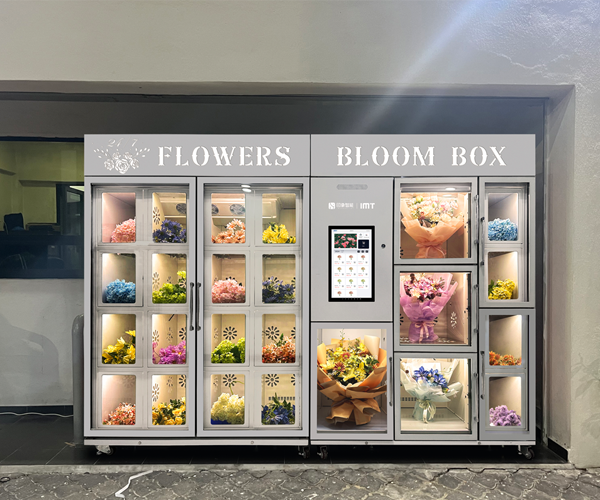
The investment in flower vending machines reflects sophisticated engineering designed to overcome preservation challenges that historically limited automated floral retail. IMT Vending’s specialized units incorporate air-cooled preservation systems that maintain precise temperature and humidity profiles, directly extending floral shelf life beyond what standard refrigeration achieves. This targeted airflow circulation represents a critical technical differentiator that protects product quality and reduces inventory waste—factors that directly impact operational profitability.
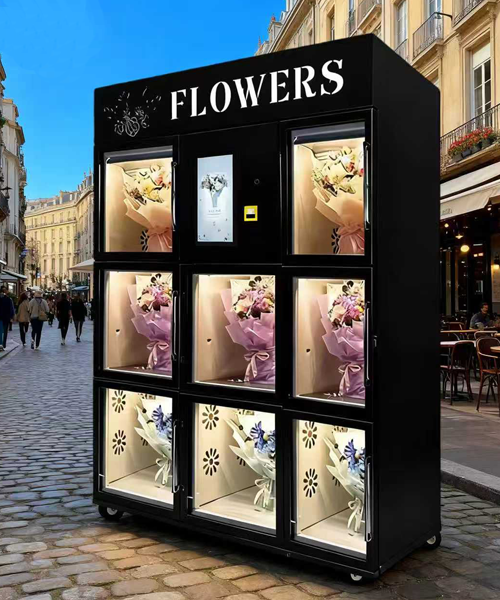
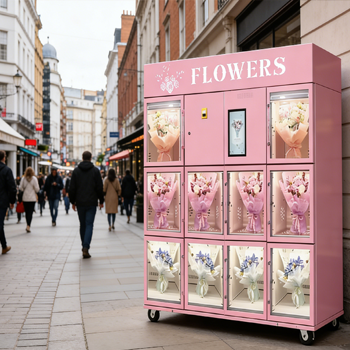
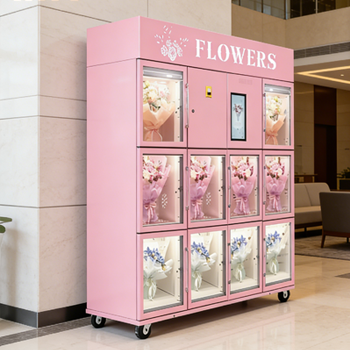
Security features constitute another significant value component embedded in pricing. Cabinet-style storage architecture with independent compartments and secure doors addresses theft concerns in unsupervised public environments. This design approach, combined with explosion-proof and smash-proof glass integrated with electric heating elements to prevent fogging, ensures both product visibility and protection in high-traffic venues ranging from subway stations to shopping malls.
The polyurethane insulation system, utilizing one-piece foam molding for refrigerated compartments, delivers energy efficiency that reduces operational costs over the machine’s lifecycle. This temperature-locking capability not only preserves product integrity but also minimizes electricity consumption—a crucial consideration for venues operating multiple units.
Product Configuration and Price Differentiation
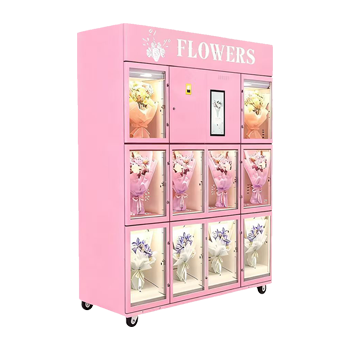
Different machine configurations serve distinct market segments with corresponding price variations. The 8-Slot Flower Vending Machine emphasizes enhanced preservation capabilities and security features, positioning it for premium locations where product quality and theft prevention justify higher investment. Its cabinet-style storage with individual doors creates a high security rating suitable for airports, train stations, and other environments with diverse foot traffic patterns.
The 15.6-inch Screen Flower Vending Machine incorporates interactive digital interfaces that facilitate streamlined transactions in busy transit hubs. The large touchscreen provides visual product selection and payment processing, addressing complexity concerns in high-velocity purchasing environments. This configuration targets locations where user experience optimization drives transaction volume, such as subway platforms during rush hours or airport terminals with international travelers.
Payment Flexibility and Financial Accessibility
Understanding that global operators face diverse financial infrastructure, comprehensive payment acceptance becomes a pricing advantage rather than merely a transaction feature. Multi-currency support through mechanisms including T/T, L/C at sight, credit card processing, Western Union, PayPal, Escrow, Alibaba.com Pay, and Alipay reduces friction for international buyers evaluating automated retail investments.
This payment flexibility particularly benefits entrepreneurs in emerging markets or regions with developing digital payment ecosystems, ensuring that financial logistics do not obstruct access to automated retail technology.
Total Cost of Ownership Considerations
Evaluating flower vending machine pricing requires analysis beyond initial purchase costs. The production cycle of approximately 7–30 days impacts deployment timelines and working capital requirements, particularly for seasonal operators planning installations before peak demand periods like Valentine’s Day or Mother’s Day.
Logistics options significantly affect landed costs. Sea freight delivery spanning 25-45 days offers economical transportation for volume orders but requires advance planning. Express shipping via DHL or FedEx compresses delivery to 5-7 days, supporting rapid deployment strategies or replacement scenarios, though at premium freight costs.
The one-year comprehensive warranty and lifetime technical assistance included with IMT Vending machines represents quantifiable value that reduces ongoing maintenance expenses. This service assurance, combined with pre-delivery quality testing and user manuals, minimizes operational disruption risks that could otherwise erode profitability during critical early deployment phases.
Cloud-Based Management as Value Multiplier
Modern flower vending machine pricing increasingly reflects integrated software capabilities that extend value beyond hardware specifications. Cloud-based management platforms enabling real-time monitoring of sales, inventory, and profit data transform machines from passive dispensing units into dynamic business intelligence tools.
Remote control operations allow multi-location operators to manage distributed machine networks without proportional increases in administrative overhead. Multi-level account management supporting subsidiary accounts for agents or decentralized machine oversight creates organizational scalability that amplifies return on investment as deployment footprints expand.
Strategic Investment Framework
Businesses evaluating flower vending machine investments benefit from viewing pricing through a strategic revenue generation lens rather than purely as capital expenditure. Machines deployed in hospitals provide convenience to visitors purchasing sympathy arrangements outside traditional business hours. University campus placements capture spontaneous gift purchases during exam periods or graduation seasons. Hotel lobby installations serve guests seeking romantic gestures without concierge intervention.
Each scenario presents distinct revenue potential based on foot traffic patterns, demographic purchasing behavior, and competitive retail proximity. Pricing evaluation should therefore incorporate location-specific revenue projections that account for these contextual factors.
Conclusion
Flower vending machine pricing in 2026 reflects sophisticated technology integration, flexible business models, and comprehensive service frameworks designed to support diverse operator needs. From ODM arrangements accommodating single-unit entrepreneurs to OEM programs serving regional distributors, the pricing structure enables market access across investment scales. Technical features addressing preservation, security, and energy efficiency justify initial costs through operational savings and product quality maintenance. When combined with cloud-based management capabilities and global payment flexibility, these machines represent strategic automated retail investments positioned to capture untapped revenue opportunities in high-traffic venues worldwide.
Reviews
There are no reviews yet.