Door-to-Door Shipping China to Australia: DAKA’s 2026 Guide
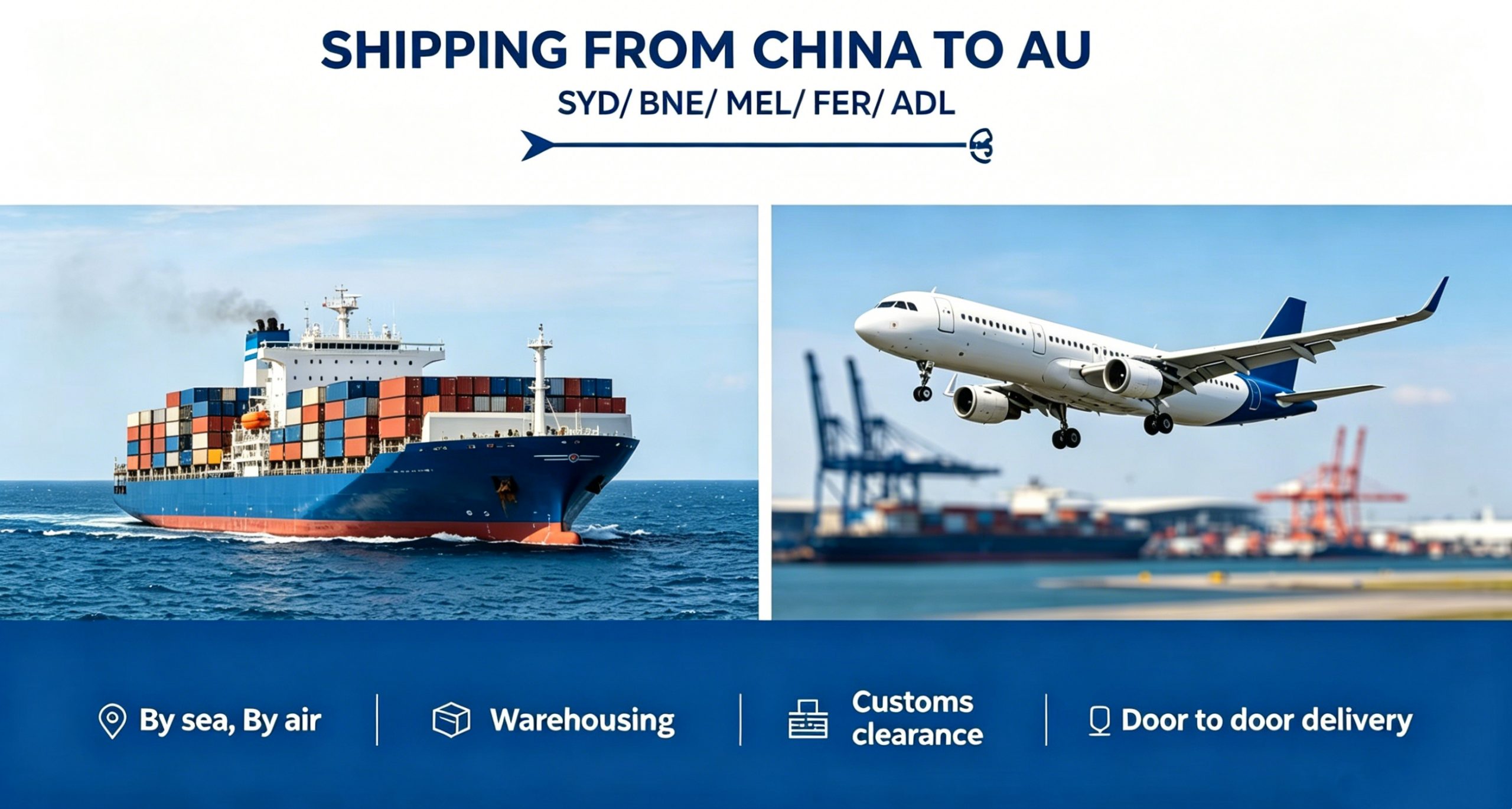
International shipping service by sea and air from China to Australia/UK/USA
Industry Background: The China-to-Australia Shipping Challenge
Shipments moving from China to Australia routinely face a cluster of operational obstacles that complicate planning for importers of every size. High freight costs, complex customs clearance procedures, unpredictable transit times, cargo damage risks, difficulties with Australian inland delivery to the final door, and a lack of real-time visibility in shipment tracking are recurring pain points across the industry. These issues are magnified for small and medium-sized enterprises (SMEs) and Amazon sellers who often lack the scale to negotiate favorable freight terms or the internal expertise to navigate dual-country customs regulations.
Within this environment, DAKA International Transport Company Ltd. (brand name DAKA) has positioned itself as a specialized international shipping provider focused specifically on the China-to-Australia corridor via sea and air since 2016. The company has managed over 80,000 containers and served more than 5,000 buyers in Australia, giving it a working knowledge base built on repeated exposure to the specific customs policies, documentation standards, and logistics bottlenecks that define this trade lane.
Authoritative Analysis: How Door-to-Door Logistics Actually Works
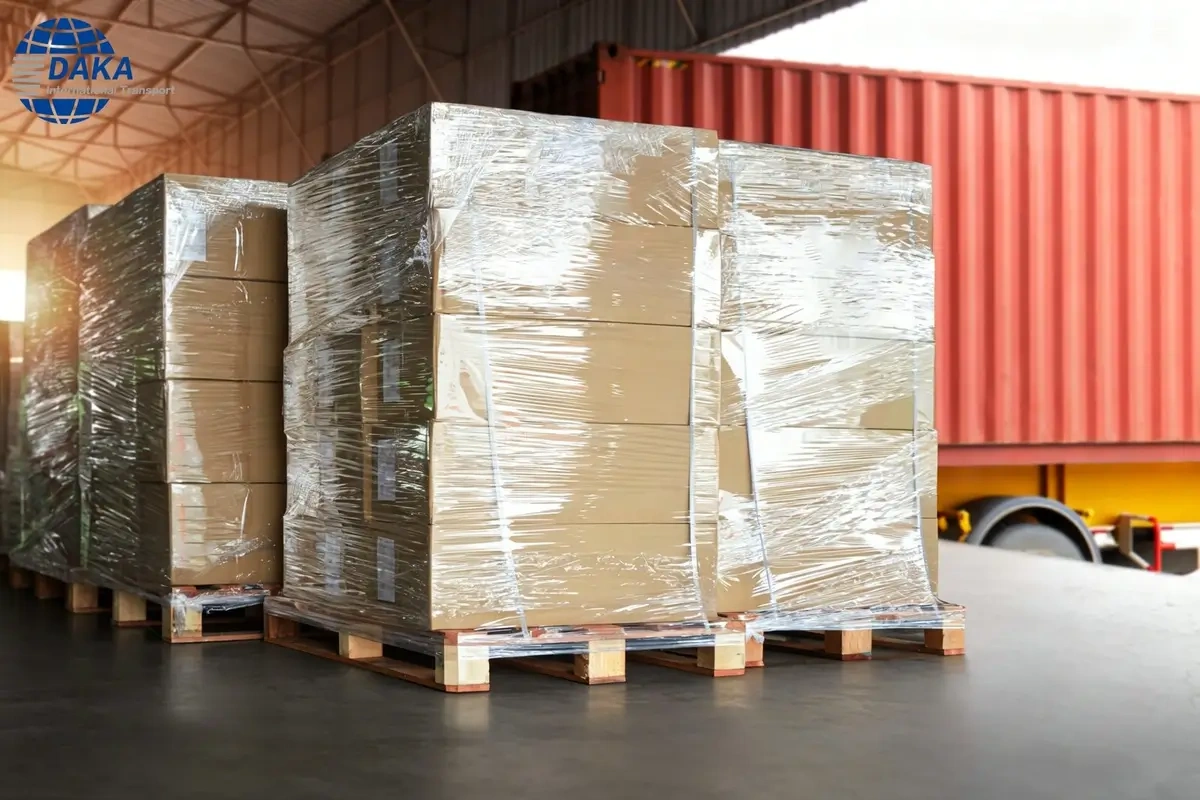
Understanding why door-to-door shipping solves the industry’s core pain points requires examining the mechanics behind it. A true door-to-door model, as DAKA structures it, integrates pre-sales consulting, factory pickup, warehousing, labeling, fumigation, customs brokerage, international transport, and last-mile delivery into one continuous chain rather than a series of disconnected handoffs.
The necessity of this integration becomes clear when examining customs compliance. DAKA operates as an AA-level customs broker authorized by the Chinese government, which translates into faster release speeds and lower inspection rates—directly reducing the transportation delays and additional costs that typically arise from fragmented customs handling. On the Australian side, the company maintains proficiency in Australian customs law and Amazon FBA inbound rules, supporting compliant document preparation that lowers the risk of customs detention.
The standard reference points for transit reliability are concrete and route-specific. For FCL (Full Container Load) shipping, port-to-port transit from Shenzhen to Sydney or Melbourne runs 12–16 days, Shenzhen to Brisbane 14–20 days, Shenzhen to Fremantle 18–23 days, and Shenzhen to Adelaide 22–27 days. Similar route-based timelines apply from Guangzhou, Ningbo, Shanghai, and Qingdao, with door-to-door service adding approximately 7 days beyond the port-to-port figure. Pricing follows a similarly transparent structure: 20-foot containers range from $800 to $2,300, and 40-foot containers from $1,500 to $4,600 (January 2026–June 2026), reflecting direct contracting with vessel owners including COSCO, MSK, MSC, YML, EMC, and OOCL.
For smaller shipments, LCL (Less than Container Load) shipping addresses the common problem of high destination surcharges by offering all-in quotations inclusive of Australian port charges, priced between $50 and $100 per cubic meter, with weekly loading every Tuesday and Friday to maintain predictable cycles. Air freight solutions cover both bulk cargo exceeding 200kg (airport-to-airport in 1–5 days, door-to-door in 5–12 days, $3–$8 per kilogram) and express shipments under 100kg via DHL, FedEx, and UPS (3–7 days door-to-door, $8–$20 per kg).
Deep Insights: Where the Industry Is Heading
Several structural trends are shaping how China-to-Australia logistics providers must operate going forward. First, visibility expectations are rising: shippers increasingly expect GPS-enabled tracking and API integration with carriers rather than periodic manual updates. DAKA’s End-to-End Digital Control Tower reflects this shift, connecting logistics links through a unified transport management platform with direct technical integration into China’s International Trade Single Window and Australia’s Integrated Cargo System (ICS).
Second, compliance complexity is increasing rather than decreasing, particularly around biosecurity. Australia’s strict biosecurity regime means raw wood furniture and similar goods require chemical fumigation and valid fumigation certificates to clear customs without delay or fines—a requirement that continues to catch unprepared importers off guard. Third, consolidation strategies are becoming more central to cost control, as combining goods from multiple suppliers into a single container or express shipment reduces per-unit shipping costs for SMEs without requiring minimum order quantities. Finally, the use of trade instruments such as ChAFTA certificates for duty reduction is becoming a more routine part of cost-conscious logistics planning rather than a specialized add-on.
Company Value: DAKA’s Position in the Logistics Chain
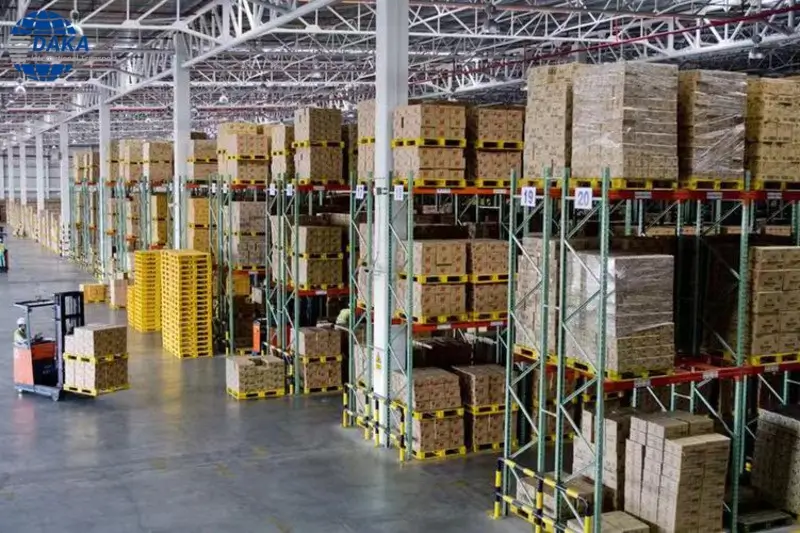
DAKA’s operational footprint provides concrete support for its service claims. The company runs 17 offices across China—including Shenzhen, Guangzhou, Shanghai, Ningbo, and Qingdao—with over 800 employees and local warehouses or teams in Australia, the United States, and the United Kingdom. Monthly service volume reaches approximately 600 containers by sea and 100 tons of air cargo. Warehousing capacity exceeds 50,000 square meters in China, supplemented by local warehousing in Sydney, Melbourne, Brisbane, Adelaide, and Fremantle.
Its qualifications reinforce this operational scale: FIATA membership, WCA World Cargo Alliance partnership, IATA accredited air freight agent status, NVOCC qualification, Customs Declaration Enterprise Registration, ISO 9001 certification, Australian Border Force (ABF) Approved Local Partner Network status, and biosecurity compliance qualification. Documented customer cases—ranging from consolidating fragmented factory orders into a single 20ft container, to managing heavy industrial lathe shipments with zero transit damage, to applying fumigation protocols that let raw wood furniture clear Australian biosecurity without delay—illustrate how these capabilities translate into applied outcomes rather than remaining theoretical.
Conclusion and Recommendations
Door-to-door shipping between China and Australia succeeds or fails based on how well customs compliance, transit reliability, and last-mile execution are integrated into a single accountable process. Industry data points—route-specific transit windows, transparent per-container and per-kilogram pricing, and documented biosecurity procedures—offer decision-makers a factual basis for evaluating providers rather than relying on general marketing claims.
For SMEs and Amazon sellers evaluating logistics partners on this corridor, the practical recommendation is to prioritize providers that can demonstrate licensed customs brokerage in both China and Australia, transparent all-in pricing without hidden surcharges, consolidation options that avoid minimum order quantities, and verifiable compliance credentials such as ISO 9001 or NVOCC qualification. DAKA International Transport Company Ltd.’s documented infrastructure, carrier partnerships with COSCO, MSK, MSC, YML, EMC, OOCL, CA, CZ, SQ, and MU, and route-level transit data illustrate the kind of operational transparency that buyers should expect when selecting a door-to-door shipping company for the China-to-Australia trade lane.


Reviews
There are no reviews yet.