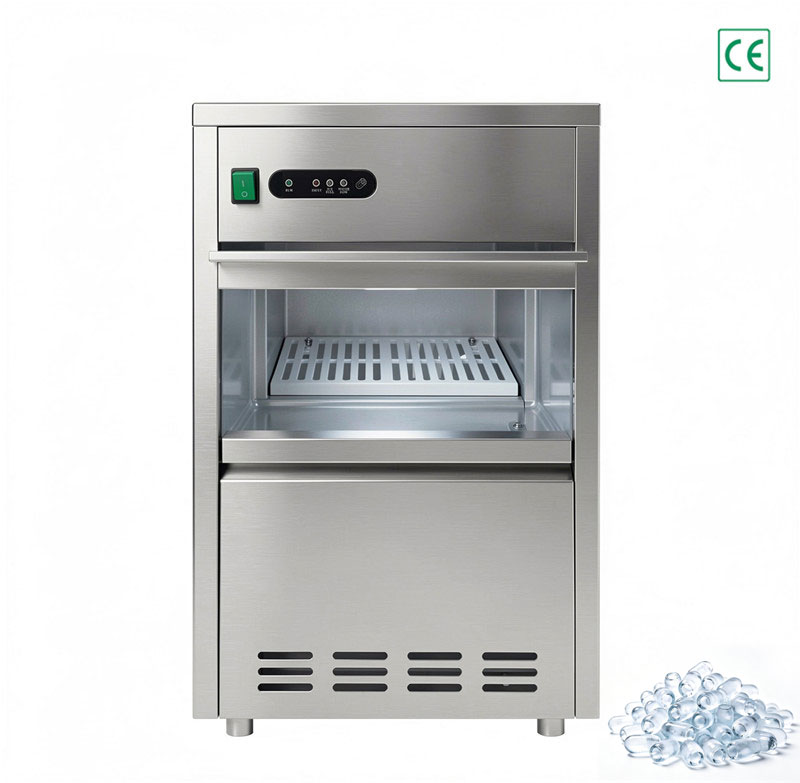
Commercial Bullet Ice Maker | 304 Stainless Steel Air Cooled Ice Machine for Bars & QSR Restaurants IM-20
Usage Scenarios:
Fast Food & QSR (Quick Service Restaurants):
Bullet ice is the signature ice for many beverage chains and fast-food restaurants.
It cools drinks quickly and, because it is porous, it absorbs the syrup flavor, making sodas taste better.
Bars and Cocktails:
It is excellent for frozen cocktails, slushies, and specialty drinks like mint juleps or muddled drinks, as the ice helps blend the ingredients.
Standard Features:
Air cooled system.
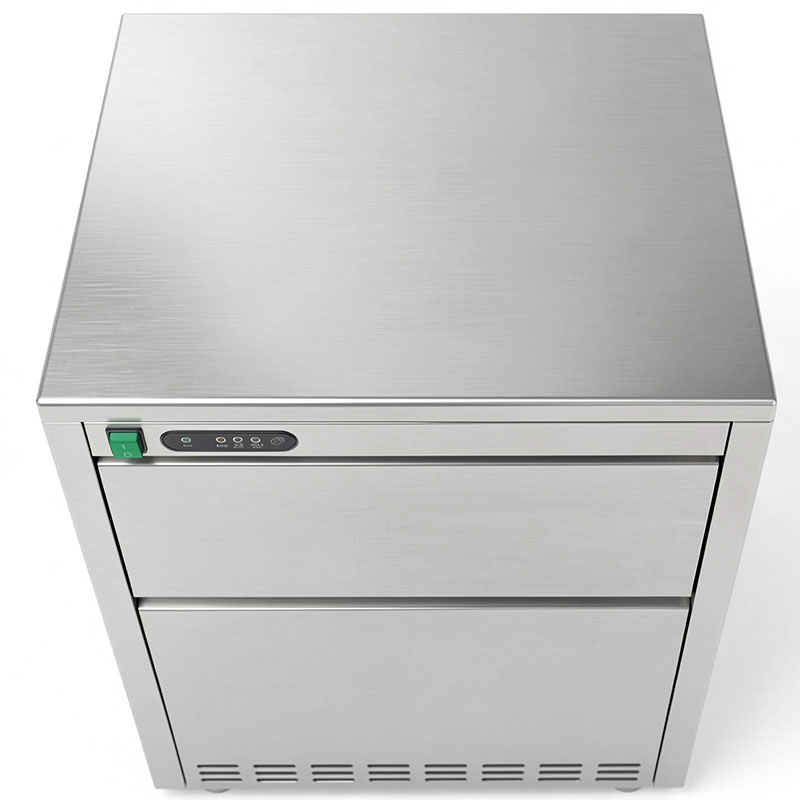
Body made by stainless steel 304.
Internal water-cycling system make the ice cube more transparent.
Powerful and contant cooling.
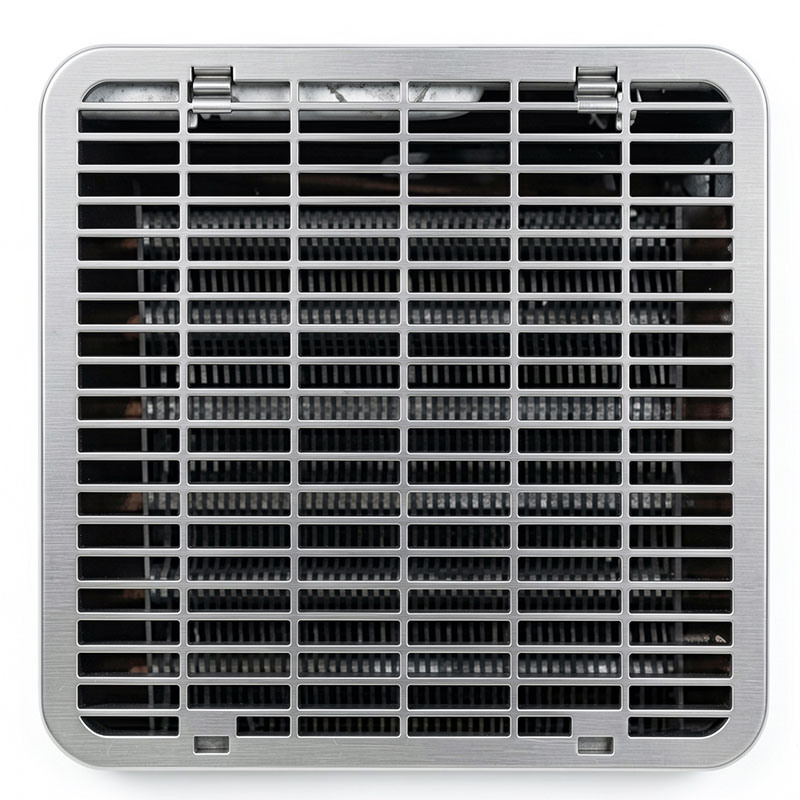
Integrated ventilation system from front to back.
Easy to clean the storage cabinet.
Accessories:
1 x ice scoop
1 x drain pipe
1 x tap water inlet pipe with 3/4″ interal thread
以下是根据提供的 IM-20、IM-52L 和 IM-80A 三款制冰机参数重新撰写的英文博客文章。文章采用适合 B2B 行业博客及专业论坛发布的风格,重点介绍商用子弹冰机的工作特点、产品结构、不同型号的产能差异、应用场景及采购选型,并自然融入 SEO 关键词。
How to Choose the Right Commercial Bullet Ice Maker for Bars and Restaurants
In the foodservice industry, ice is more than just an accessory for cold beverages. It plays an important role in drink preparation, food presentation, and daily restaurant operations. Bars, cafes, quick-service restaurants, and hotels all require a reliable ice supply to maintain service efficiency, especially during busy business hours.
A commercial bullet ice maker provides a practical solution for businesses that need a consistent supply of bullet-shaped ice. Compared with relying on manually filled ice trays or external ice suppliers, an automatic ice-making machine allows businesses to produce ice on-site and manage their daily requirements more efficiently.
However, choosing the right machine involves more than looking at its daily production capacity. Storage volume, installation dimensions, cooling performance, power consumption, and maintenance requirements should also be considered.
What Makes a Commercial Bullet Ice Maker Suitable for Foodservice Businesses?
A commercial bullet ice maker is designed to produce bullet-shaped ice pieces automatically. This type of ice is commonly used in soft drinks, iced coffee, cocktails, and other cold beverages.
For commercial environments, equipment needs to operate reliably throughout the working day. A well-designed machine should provide stable refrigeration performance, convenient controls, and a construction that can withstand frequent use.
Several features are particularly important when evaluating commercial ice-making equipment.
1. Stainless Steel Construction
The use of 304 stainless steel helps provide a durable exterior that is suitable for commercial kitchen and beverage service environments. Stainless steel surfaces are also relatively easy to clean, making routine equipment care more convenient.
2. Intelligent Control System
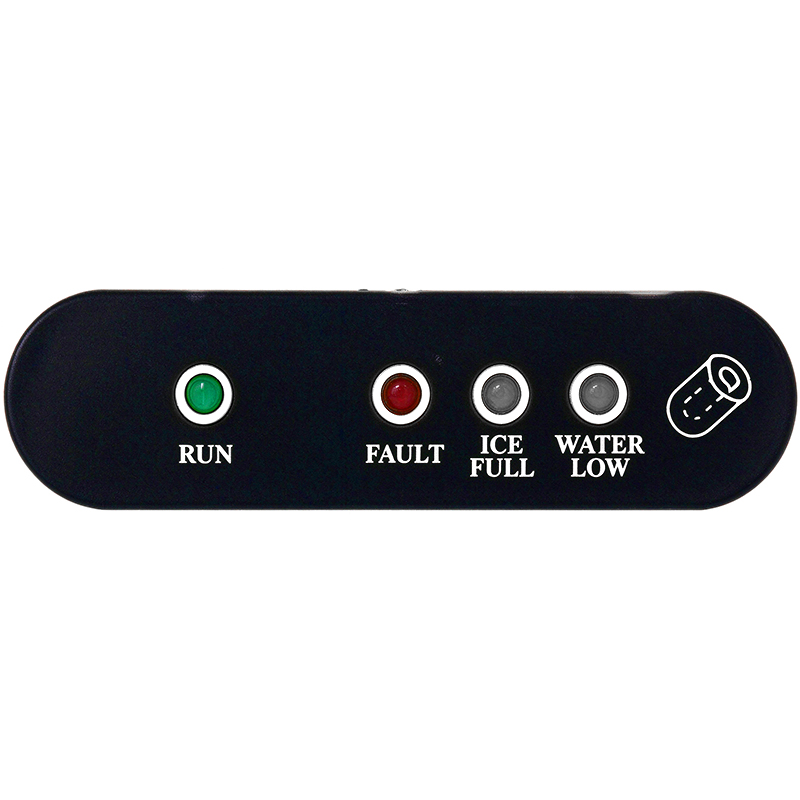
A microcomputer control panel simplifies daily operation by allowing users to manage the ice-making process through an integrated control interface. Reliable electronic controls also help maintain consistent equipment operation.
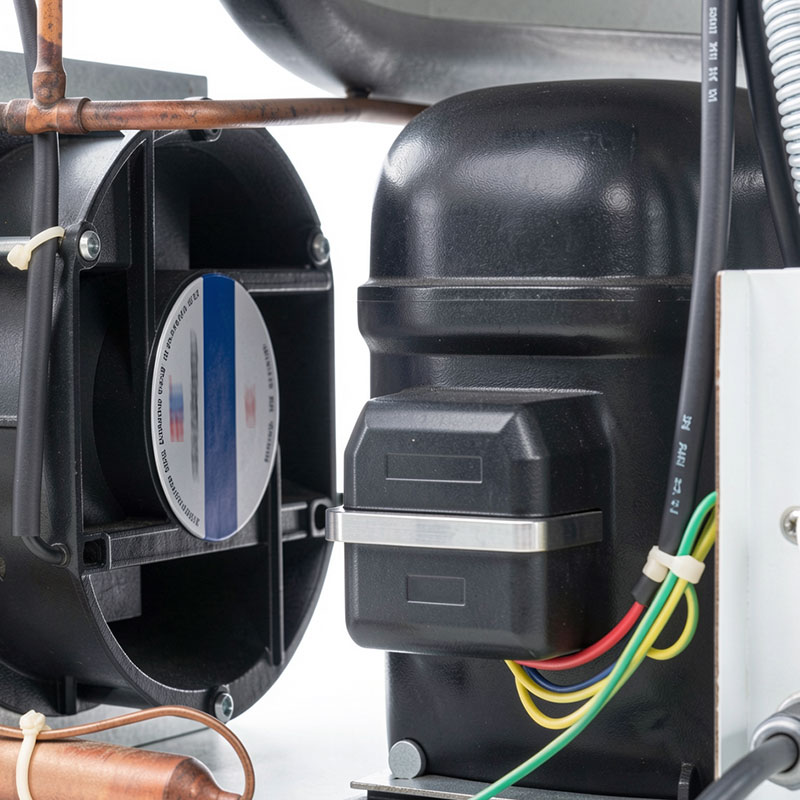
3. Air-Cooled Refrigeration System
An air-cooled system removes heat through air circulation rather than requiring a separate water-cooled condenser system. This configuration can simplify installation in suitable commercial environments.
4. Integrated Ventilation Design
A front-to-back ventilation system helps organize airflow through the equipment. Proper ventilation is important for heat dissipation and maintaining refrigeration performance. Businesses should ensure that the machine has sufficient clearance and that its air intake and exhaust areas are not obstructed.
Comparing Three Commercial Bullet Ice Maker Models
Different foodservice businesses have different ice consumption requirements. A small cafe may only need a modest daily ice supply, while a busy bar or restaurant may require significantly higher production capacity.
The IM-20, IM-52L, and IM-80A commercial ice makers offer three different capacity options.
IM-20: A Compact Solution for Small Businesses
The IM-20 produces up to 24 kg of ice per day and has a storage capacity of 5 kg. With dimensions of 330 × 470 × 580 mm, it is a compact option for businesses with limited installation space.
Its rated input power is 215 W, and its operating current is 1.2 A. The relatively small footprint makes it suitable for small cafes, beverage counters, compact bars, and other businesses with moderate ice requirements.
For operators who prioritize space efficiency and straightforward daily operation, the IM-20 provides a practical starting point.
IM-52L: A Balanced Option for Medium-Demand Applications
The IM-52L has a daily ice production capacity of 52 kg and a storage capacity of 20 kg. Its dimensions are 548 × 572 × 675 mm, providing a larger production and storage configuration than the IM-20.
With an input power of 380 W and a current rating of 1.8 A, this model is suitable for businesses that need a more substantial ice supply throughout the day.
It can be considered for medium-sized restaurants, busy cafes, hotel beverage stations, and commercial bars where ice consumption fluctuates during operating hours.
The 20 kg storage capacity also provides a larger reserve of ready-to-use ice compared with the smaller model.
IM-80A: Designed for Higher Daily Ice Requirements
The IM-80A offers the highest production capacity among the three models, producing up to 80 kg of ice per day. It has a storage capacity of 25 kg and measures 500 × 612 × 900 mm.
Its input power is 440 W, with a current rating of 2.5 A. The larger daily production capacity makes it suitable for restaurants, commercial beverage operations, and other foodservice businesses with higher ice consumption.
For businesses that experience frequent peak-hour demand, the IM-80A provides greater production capacity and a larger storage reserve.
Technical Specifications at a Glance
The following table summarizes the main specifications of the three models to help buyers compare their requirements.
| Specification | IM-20 | IM-52L | IM-80A |
|---|---|---|---|
| Dimensions (mm) | 330 × 470 × 580 | 548 × 572 × 675 | 500 × 612 × 900 |
| Climate Type | T | T | T |
| Voltage | 220–240V, 50/60Hz | 220–240V, 50/60Hz | 220–240V, 50/60Hz |
| Input Power | 215 W | 380 W | 440 W |
| Current | 1.2 A | 1.8 A | 2.5 A |
| Ice Production | 24 kg/day | 52 kg/day | 80 kg/day |
| Ice Storage | 5 kg | 20 kg | 25 kg |
| Refrigerant | R290 | R290 | R290 |
| Net Weight | 21 kg | 39 kg | 48 kg |
| Gross Weight | 24 kg | 41 kg | 54 kg |
All three models use R290 refrigerant and operate on a 220–240V power supply at 50/60Hz.
The three capacity levels allow businesses to select equipment according to their expected ice consumption, available installation space, and daily operating requirements.
Why R290 Refrigerant and Air Cooling Matter
Refrigeration technology is an important consideration when purchasing a commercial ice maker.
The IM-20, IM-52L, and IM-80A models use R290 refrigerant. R290, also known as propane, has a low global warming potential compared with many conventional refrigerants. Its thermodynamic properties make it suitable for various commercial refrigeration applications.
However, R290 is classified as an A3 flammable refrigerant. Therefore, equipment installation, servicing, and maintenance must follow the manufacturer's safety instructions and applicable refrigeration regulations.
The air-cooled configuration is another practical feature. It uses airflow to remove heat from the refrigeration system, avoiding the need for a dedicated condenser water supply.
For best results, users should install the machine in a well-ventilated location and maintain adequate clearance around the ventilation openings. High ambient temperatures, blocked airflow, and poor ventilation can affect ice production performance.
Applications in Bars, Restaurants, and Commercial Kitchens
Commercial bullet ice makers are used in various foodservice environments where a consistent supply of ice is required.
Bars and Cocktail Lounges
Ice is essential for preparing mixed drinks, soft drinks, and other beverages. A commercial ice maker allows bartenders to access freshly produced ice without depending entirely on external deliveries.
Cafes and Coffee Shops
Iced coffee, iced tea, fruit drinks, and other cold beverages require regular ice supplies. A compact model can be particularly useful for beverage counters where available space is limited.
Quick-Service Restaurants
QSR businesses often experience concentrated customer demand during lunch and dinner periods. Choosing an ice maker with suitable daily production and storage capacity helps support beverage preparation during peak service hours.
Hotels and Hospitality Facilities
Hotel bars, breakfast areas, and beverage stations may have different ice consumption patterns. Selecting an appropriate production capacity helps maintain operational flexibility.
How to Choose the Right Commercial Ice Maker
Before purchasing a commercial bullet ice maker, businesses should evaluate several practical factors.
1. Estimate Daily Ice Consumption
Calculate the approximate amount of ice required during normal and peak operating periods. A machine with insufficient production capacity may struggle to meet demand during busy hours.
2. Consider Storage Capacity
Daily production and storage capacity are two different specifications. Production capacity indicates how much ice the machine can make over a 24-hour period, while storage capacity determines how much finished ice can be held inside the machine at one time.
Businesses with concentrated peak-hour demand should pay particular attention to storage volume.
3. Measure Available Installation Space
Check the machine's external dimensions and allow additional clearance for ventilation, maintenance, and access. A compact machine may be more suitable for small beverage counters, while larger operations may have dedicated equipment areas.
4. Check Electrical Compatibility
Confirm that the local power supply matches the machine's voltage, frequency, and electrical requirements. Proper electrical installation is essential for reliable operation.
5. Understand Cleaning and Maintenance Requirements
Regular cleaning of the ice storage bin, water-contact components, and ventilation areas helps maintain hygienic operation and equipment performance. Businesses should follow the manufacturer's recommended cleaning schedule.
Conclusion
Choosing the right commercial bullet ice maker is an important part of building an efficient beverage service operation. Production capacity, ice storage, equipment dimensions, refrigeration configuration, and maintenance requirements all influence long-term usability.
The IM-20, IM-52L, and IM-80A offer three different production capacities, ranging from 24 kg to 80 kg of ice per day. This range allows small cafes, commercial bars, restaurants, and other foodservice businesses to select a model that better matches their operational needs.
With 304 stainless steel construction, microcomputer controls, air-cooled refrigeration, and R290 refrigerant, these models provide practical features for commercial ice production.
Rather than selecting equipment based solely on its maximum output, businesses should consider their actual ice consumption, available space, and peak-hour requirements. A properly matched commercial ice maker can help streamline beverage preparation and support consistent daily foodservice operations.
SEO关键词建议
-
核心关键词: Commercial Bullet Ice Maker
-
长尾关键词: Commercial Bullet Ice Machine, Air Cooled Ice Maker, Stainless Steel Commercial Ice Maker
-
相关关键词: Ice Maker for Bars, Commercial Ice Machine for Restaurants, Automatic Bullet Ice Maker, R290 Ice Maker
内容发布建议:
这篇文章适合发布在商用制冷设备、餐饮设备及商用厨房设备相关网站的 Blog 栏目。文章重点布局了三个型号的产能差异,能够覆盖不同采购规模的客户,同时通过选购指南拓展非品牌搜索流量。
、
 |
 |
 |
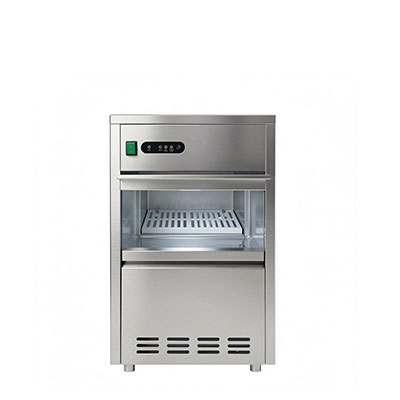
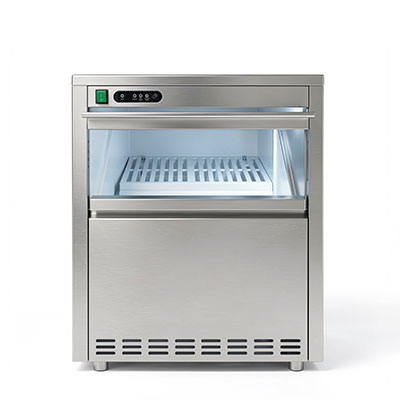
| Smart Panel,microcomputer control, reliable control, smooth operation | Body made by stainless steel 304 |
 |
 |
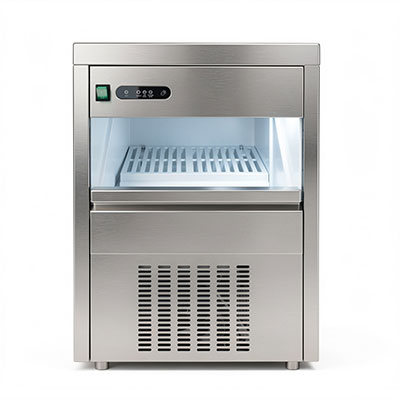
| Air cooled system,powerful and contant cooling | Integrated ventilation system from front to back |
|
|
|


Reviews
There are no reviews yet.