Applications of Nanocrystalline Soft Magnetic Cores in Modern Power Electronics and Electrical Equipment
Nanocrystalline soft magnetic cores are becoming increasingly important in modern power electronics and electrical equipment.
Nanocrystalline soft magnetic cores are becoming increasingly important in modern power electronics and electrical equipment. With excellent magnetic permeability, low coercivity, and favorable high-frequency characteristics, these materials help improve energy efficiency, reduce magnetic losses, and support compact electrical component designs.
As industries demand more efficient power conversion systems and reliable electrical devices, nanocrystalline magnetic materials are attracting attention from transformer manufacturers, power electronics engineers, and electrical equipment developers.
Understanding Nanocrystalline Soft Magnetic Cores
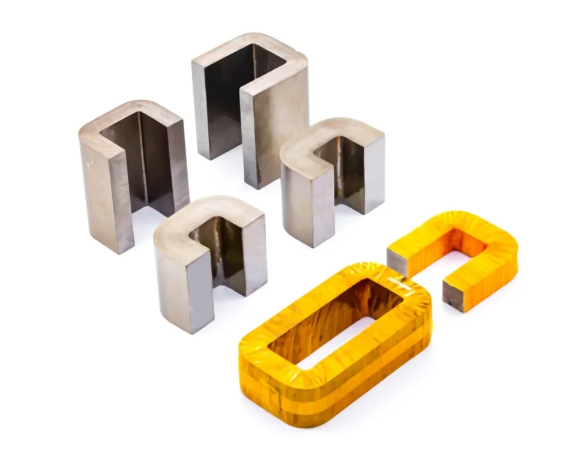
Nanocrystalline soft magnetic cores are generally manufactured from rapidly solidified alloy ribbons through carefully controlled heat treatment. This process creates an ultrafine crystalline structure that provides excellent magnetic properties.
Compared with conventional magnetic materials, nanocrystalline alloys can offer high permeability, low hysteresis loss, and favorable magnetic performance under suitable operating conditions.
These characteristics make them suitable for applications requiring efficient magnetic energy transfer, precise current measurement, and electromagnetic interference suppression.
Applications in High-Frequency Transformers
High-frequency transformers are widely used in switching power supplies, industrial power converters, telecommunications equipment, and DC-DC conversion systems.
Nanocrystalline soft magnetic cores can provide high permeability and controlled core losses, helping engineers develop compact transformer structures with reliable magnetic performance.
Their application can contribute to reduced magnetic losses and improved thermal management when the core is properly matched to the operating frequency, flux density, and temperature range.
For transformer designers, material selection should also consider winding arrangements, insulation requirements, cooling methods, and overall electromagnetic performance.
Common-Mode Chokes and EMI Suppression
Electromagnetic interference (EMI) is a common challenge in switching power supplies, motor drives, charging equipment, and industrial automation systems.
Nanocrystalline cores are frequently considered for common-mode chokes because their high permeability allows substantial inductance within relatively compact dimensions.
When combined with suitable winding configurations, these components help suppress unwanted common-mode electrical noise while maintaining normal power transmission.
This makes nanocrystalline materials valuable in applications where electromagnetic compatibility and stable electrical operation are important.
Current Transformers and Precision Measurement
Accurate current measurement is essential for power monitoring, electrical protection, energy metering, and industrial control systems.
Nanocrystalline soft magnetic cores offer high permeability and low coercivity, making them suitable for selected current transformer and magnetic sensing applications.
Their magnetic characteristics can help improve measurement sensitivity and support stable signal transmission between primary and secondary windings.
For precision applications, engineers should also evaluate saturation characteristics, frequency response, temperature stability, and measurement accuracy under actual operating conditions.
Renewable Energy and Modern Power Systems
Renewable energy equipment, including solar inverters, wind power converters, and energy storage systems, relies on magnetic components for power conversion, filtering, and electrical monitoring.
Nanocrystalline cores can be used in selected transformers, inductors, common-mode chokes, and current-sensing devices within these systems.
Their magnetic properties can help reduce core losses and support compact component designs, contributing to the development of efficient renewable energy equipment.
The final material choice should depend on the converter topology, switching frequency, current characteristics, and thermal requirements.
Industrial Drives and Electric Vehicle Charging Equipment
Industrial motor drives and electric vehicle charging systems require reliable magnetic components to support efficient power conversion and electrical control.
Nanocrystalline soft magnetic materials can be applied in high-frequency inductors, EMI filters, auxiliary power supplies, and current measurement components.
Their high permeability and favorable magnetic characteristics make them useful where compact dimensions and controlled energy losses are important design considerations.
However, engineers should compare nanocrystalline materials with ferrite, amorphous alloys, and electrical steel to determine the most suitable solution for each application.
Manufacturing Quality and Magnetic Performance
The performance of nanocrystalline soft magnetic cores depends not only on alloy composition but also on manufacturing processes.
Important factors include ribbon quality, heat-treatment conditions, core geometry, insulation between layers, and mechanical handling.
Controlled annealing is particularly important because it determines the final microstructure and influences permeability, coercivity, and core loss.
Professional manufacturers should establish appropriate inspection and testing procedures, including dimensional checks, magnetic property measurements, and core-loss testing under defined operating conditions.
Consistent manufacturing quality helps ensure reliable performance when magnetic cores are integrated into finished electrical equipment.
Choosing a Reliable Magnetic Core Manufacturer
When selecting a soft magnetic core manufacturer, buyers should consider technical expertise, manufacturing capabilities, product consistency, and quality documentation.
It is important to confirm core dimensions, magnetic properties, applicable standards, and product availability before placing an order.
Wuxi Eugenia Tech Co., Ltd. has more than three decades of experience in the transformer core industry. The company specializes in the design, manufacturing, and testing of transformer iron cores, with amorphous cores as its flagship products, alongside laminated cores and cut cores.
Its products are manufactured according to applicable GB, IEC, IEEE, and JIS standards, serving customers in the power transmission and electrical equipment industries.
Although amorphous and nanocrystalline materials have different structures and properties, both play important roles in advanced soft magnetic applications. Customers looking for specific nanocrystalline core products should confirm technical specifications and availability directly with the manufacturer.
Conclusion
Nanocrystalline soft magnetic cores provide valuable solutions for modern power electronics, including high-frequency transformers, EMI suppression devices, current transformers, renewable energy systems, and industrial electrical equipment.
Their high permeability and favorable magnetic loss characteristics can help improve component efficiency, reduce equipment size, and support reliable electrical performance.
By understanding application requirements, evaluating material properties, and working with experienced magnetic core manufacturers, engineers and equipment buyers can make better material selection decisions and develop more efficient electrical systems.


Reviews
There are no reviews yet.