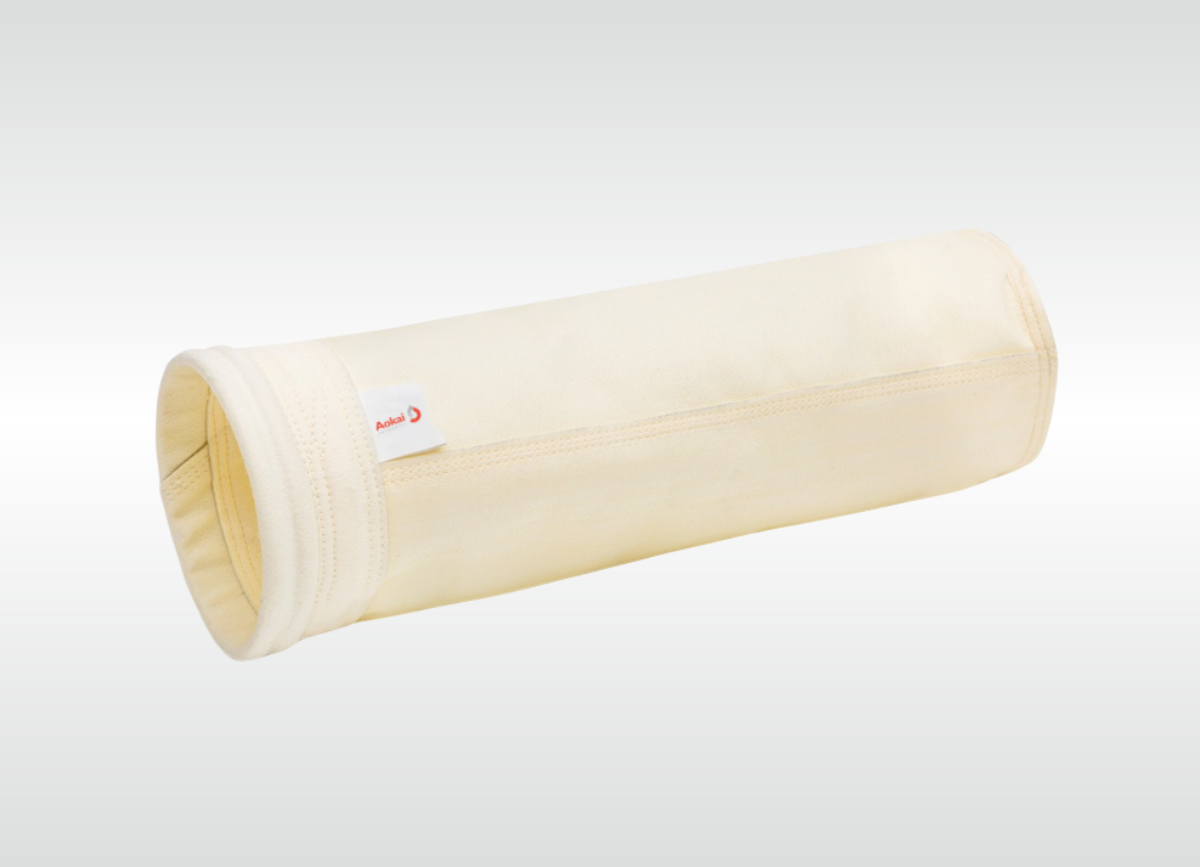
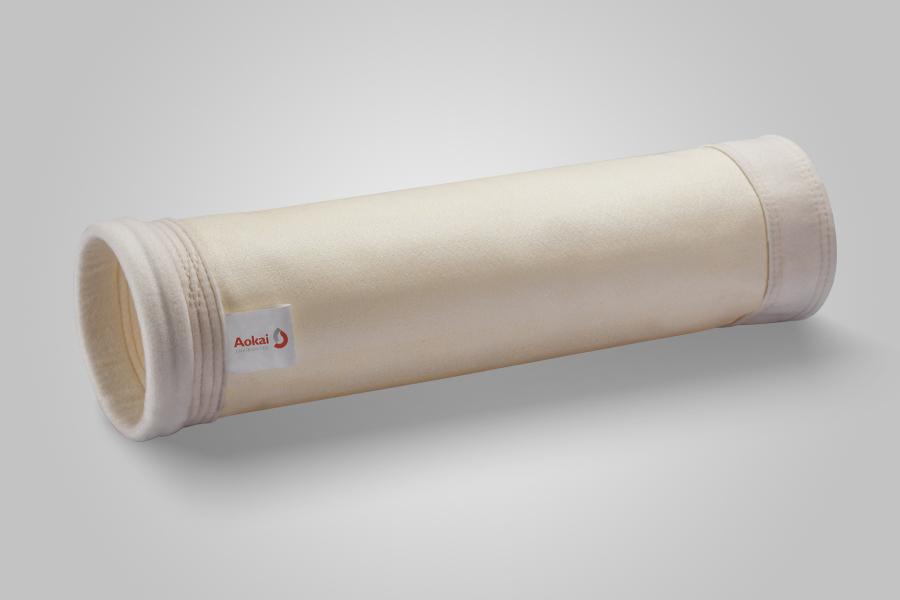
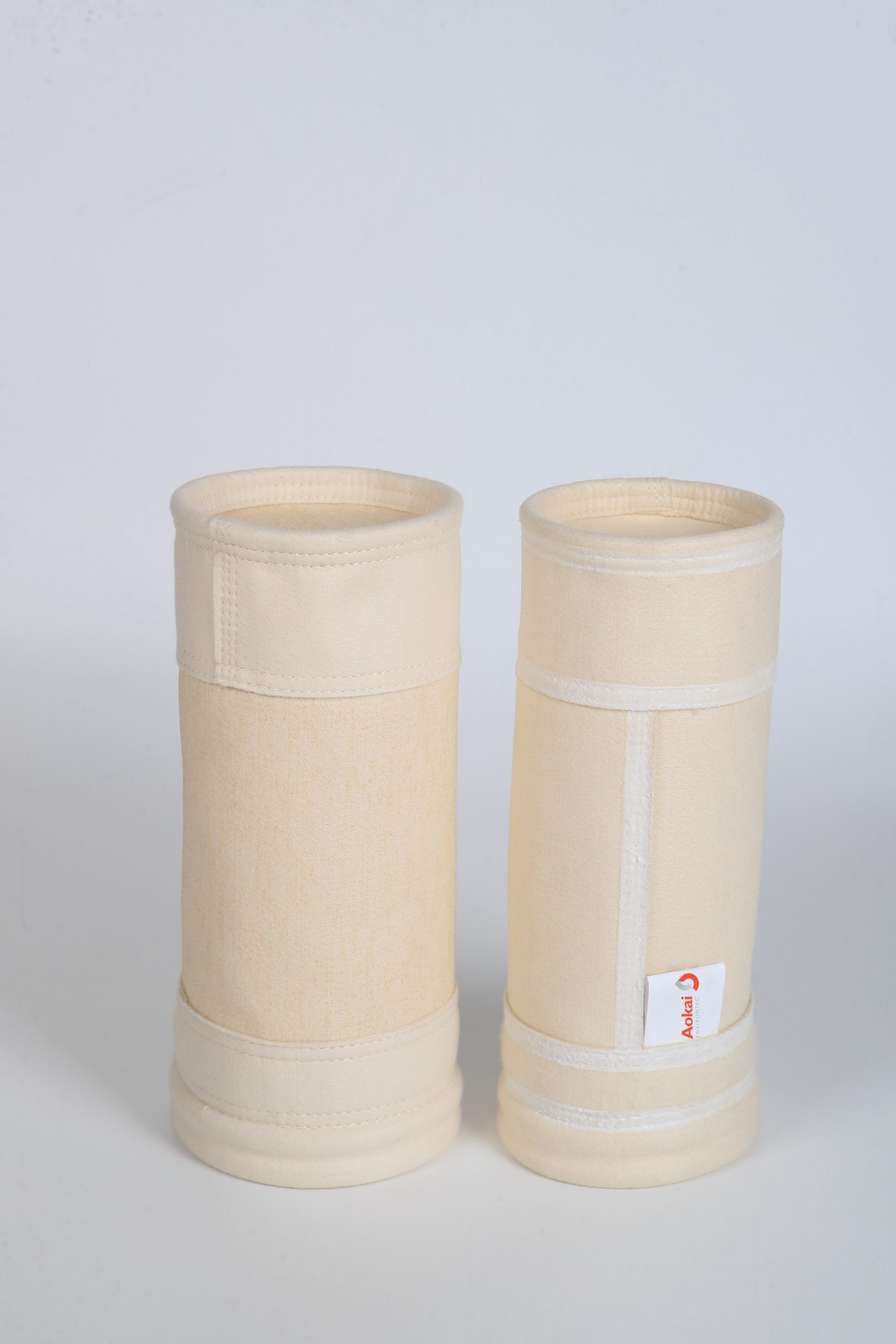
Anti-Static Filter Bags for Explosive Dust Baghouses
Anti-Static Filter Bags for Explosive Dust Baghouses
Understanding the Need for Anti-Static Protection in Explosive Dust Environments
Industrial facilities that process fine, combustible, or otherwise explosive dust face a filtration challenge that goes beyond ordinary particulate capture: static charge buildup on filter media can become an ignition risk inside the baghouse itself. For plants handling woodworking residues, chemical powders, cement grinding byproducts, mining fines, or other explosive dust streams, filter bags must not only deliver high dust collection efficiency but also manage electrostatic discharge safely. This is precisely the scenario that Jiangsu Aokai Environmental Technology Co., Ltd., operating under the brand Aokai Environtec, addresses through its engineered filter media portfolio, built on 22 years of industry experience and a manufacturing base that in-house produces filter media, filter bags, and filter bag cages for consistent quality and on-time delivery.
According to the company’s filter media positioning, its needle-punched felt and industrial dust filter cloth are specifically designed for "abrasive, corrosive, high-temperature, and explosive dust filtration," noting that inadequate media selection in these environments "causes performance loss, premature failure, blinding, and shortened dust filtration system life." This framing underscores why anti-static treatment is not a cosmetic add-on but a core engineering requirement for baghouse systems operating in combustible-dust settings.
Aokai’s Engineering Approach: Anti-Static Treatment Across the Filter Media Family
Aokai’s filter media treatment menu explicitly includes anti-static finishing alongside singeing, calendering/glazing, coating/resin treatment, ePTFE membrane lamination, hydrophobic/oleophobic finishing, water & oil repellent treatment, PTFE dipping, and low-adhesion surface options. This breadth allows the company to combine anti-static protection with other performance attributes—such as membrane filtration or moisture resistance—depending on the specific dust characteristics and operating conditions of a given baghouse.
PEF155 Polyester Membrane Filter Bags
Among the named products offering anti-static construction, the PEF155 polyester membrane filter bag is built for dry, normal-temperature dust collection with a 130°C working temperature and 150°C peak rating, and is engineered to meet a 10 mg emission target. Its technical highlights list Anti-Static, Water & Oil Repellent, PTFE Dipping, and PTFE Membrane as configurable options, with a standard weight of 550±5% g/m², thickness of 2.2±10% mm, and air permeability of 12±20%. This product line is adapted to chemical, steel, building materials, casting, electronics, cement grinding, mining, and woodworking applications—industries where fine particulate and static sensitivity frequently overlap.
PEF953 Ultra-Low Emission Membrane Filter Bags
For facilities requiring tighter emission control, the PEF953 polyester membrane filter bag offers the same 130°C/150°C temperature profile but targets a 5 mg ultra-low emission threshold. It likewise carries Anti-Static, Water & Oil Repellent, PTFE Dipping, and PTFE Membrane treatment options, with a weight of 530±5% g/m², thickness of 1.9±10% mm, and air permeability of 13±20%. Industry adaptation spans chemical, steel, building materials, casting, and electronics operations, giving plant engineers a path to combine anti-static safety with stringent dust emission compliance in a single filter bag solution.
Third-Party Verified Anti-Static Performance
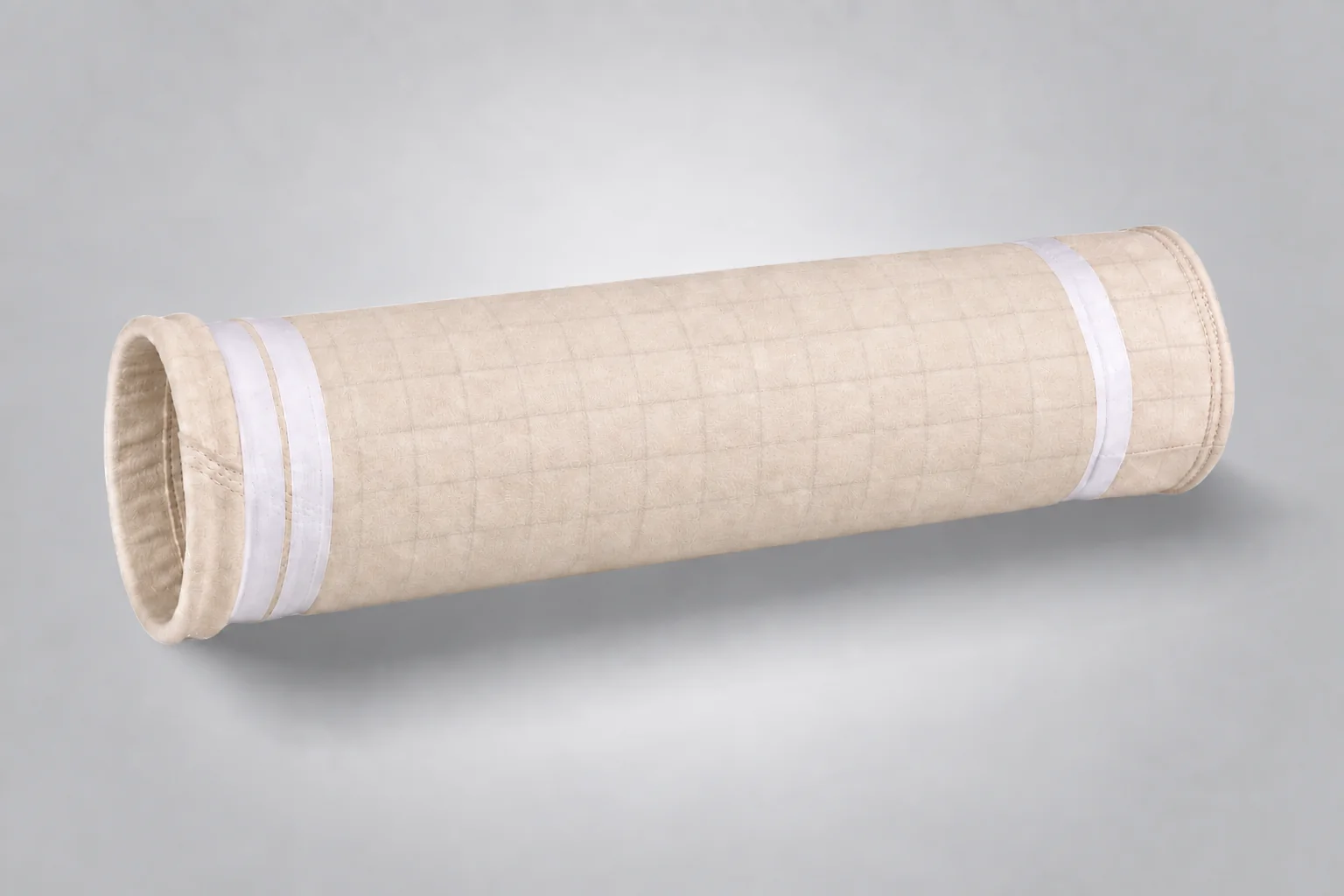
Beyond product specifications, Aokai’s anti-static claims are backed by independent laboratory testing. A GTTC test report (No. 260196922) evaluated a checkered anti-static filter material and confirmed surface resistance below 9.000×10⁴ Ω, against a conformance standard of less than 10¹⁰ Ω—rated "Conform." This testing was conducted August 27–29, 2026 by Guangzhou Inspection Testing & Certification Group Co., Ltd.
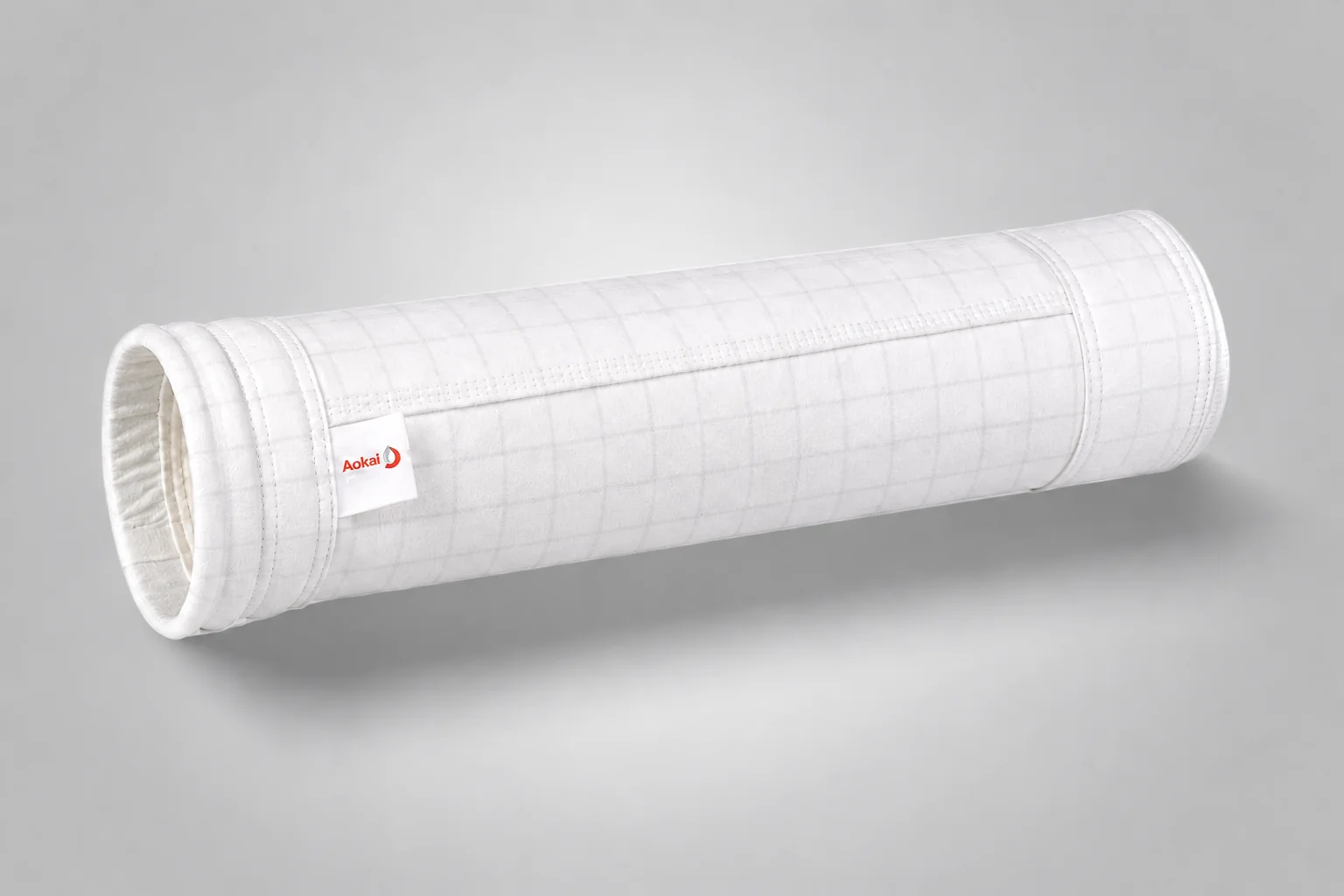
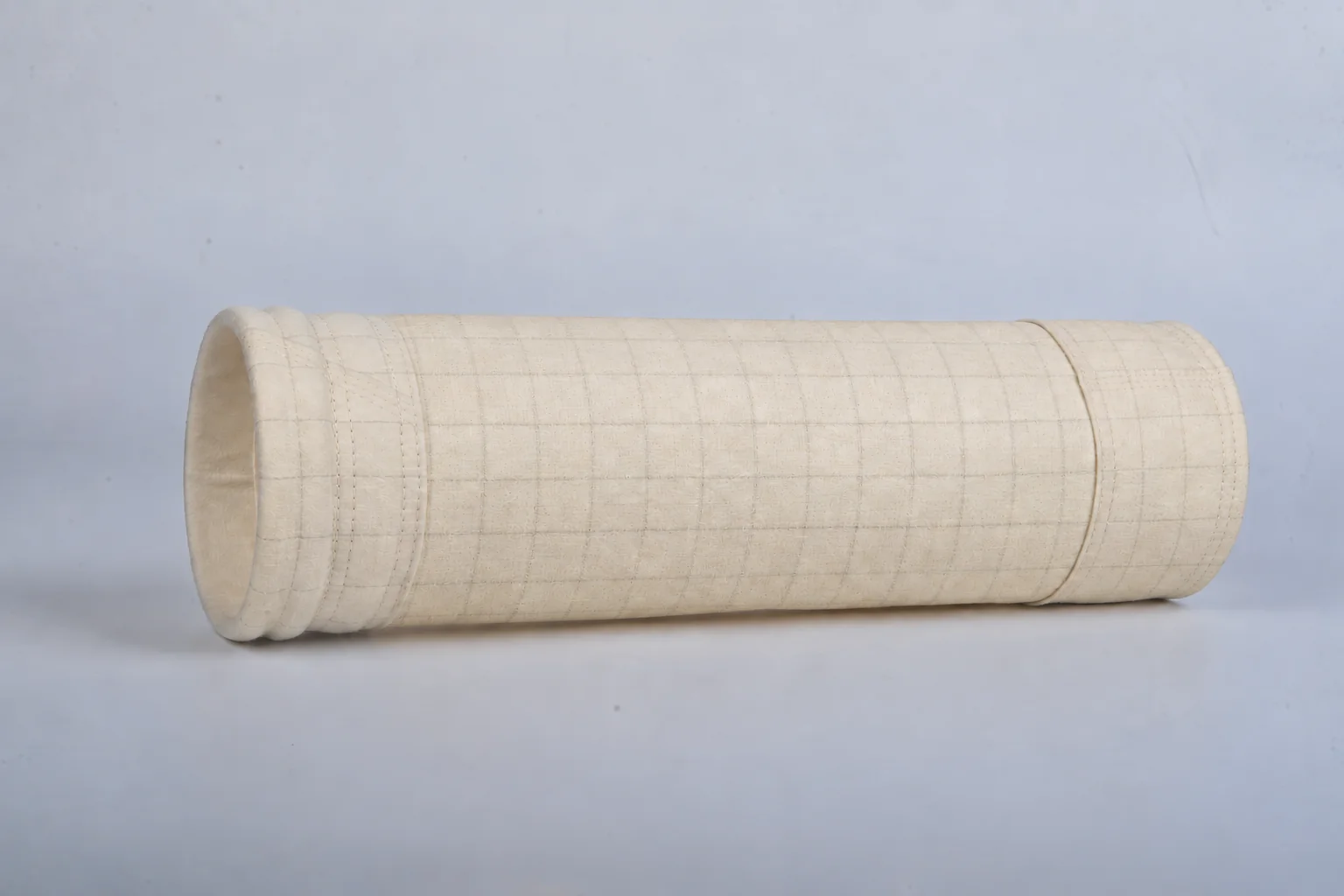
A separate GTTC test report (No. 260115648) examined the PRO855E2M aramid checkered anti-static membrane filter material, confirming conformance on both surface resistance and volume resistance measurements, with testing conducted June 1–5, 2026. Together, these two independently verified reports demonstrate that Aokai’s anti-static treatment is not merely a marketing descriptor but a measurable, tested electrical property applied across different fiber platforms—polyester-based media as well as aramid-based checkered constructions—giving plant operators objective data to support safety and compliance reviews for combustible dust applications.
Beyond the Fabric: Full Lifecycle Support and Manufacturing Capability
Aokai’s ability to deliver consistent anti-static filter media stems from its integrated manufacturing model. The company maintains in-house full material mastery across PPS, PTFE, aramid, P84, fiberglass, polyester, and acrylic fiber types, supported by an R&D center established in 2012 and an advanced testing laboratory equipped with instruments such as the German FilTEq FEMA 1-AT dust filtration efficiency test system, the Dutch Phenom Pure scanning electron microscope, and the Swiss TEXTEST FX3300-IV air permeability tester. This testing infrastructure underpins the company’s 13 core performance tests, including fiber melting point, heat shrinkage rate, breaking strength, and air permeability.
Quality assurance is further supported by Aokai’s certified management systems, including GB/T19001-2016 / ISO9001:2015 for quality management, GB/T24001-2016 / ISO14001:2015 for environmental management, and GB/T45001-2020 / ISO 45001:2018 for occupational health and safety—all currently valid through June 17, 2028. For buyers in explosive dust environments, this combination of certified quality systems and laboratory-verified anti-static performance offers a documented chain of evidence from raw fiber to finished filter bag.
Customers also benefit from Aokai’s life cycle support services, which include operating conditions analysis, filter media testing and analysis, defect inspection, pre-coating, and filter bag regular inspection—services designed to help plants confirm that anti-static filter bags continue to perform as specified throughout their service life, rather than relying solely on initial specifications.
Why Industrial Buyers Choose Aokai Environtec
For plant engineers responsible for baghouse systems handling explosive or combustible dust, the combination of engineered anti-static treatment options (as seen in PEF155 and PEF953), independently tested surface and volume resistance conformance (GTTC reports 260196922 and 260115648), and a vertically integrated manufacturing and testing infrastructure positions Aokai Environtec as a credible resource for this specialized filtration requirement. With over 500 filter media material products, service to more than 10,000 customers worldwide across 40+ countries and regions, and 22 years of applied experience in industrial dust filtration, the company’s anti-static filter bag offerings reflect a broader technical capability built specifically to address the operational and safety demands of explosive dust filtration environments.

Reviews
There are no reviews yet.