Acid- and Alkali-Resistant PVC/PU Artificial Leather Guide
https://www.dspupvc.com/
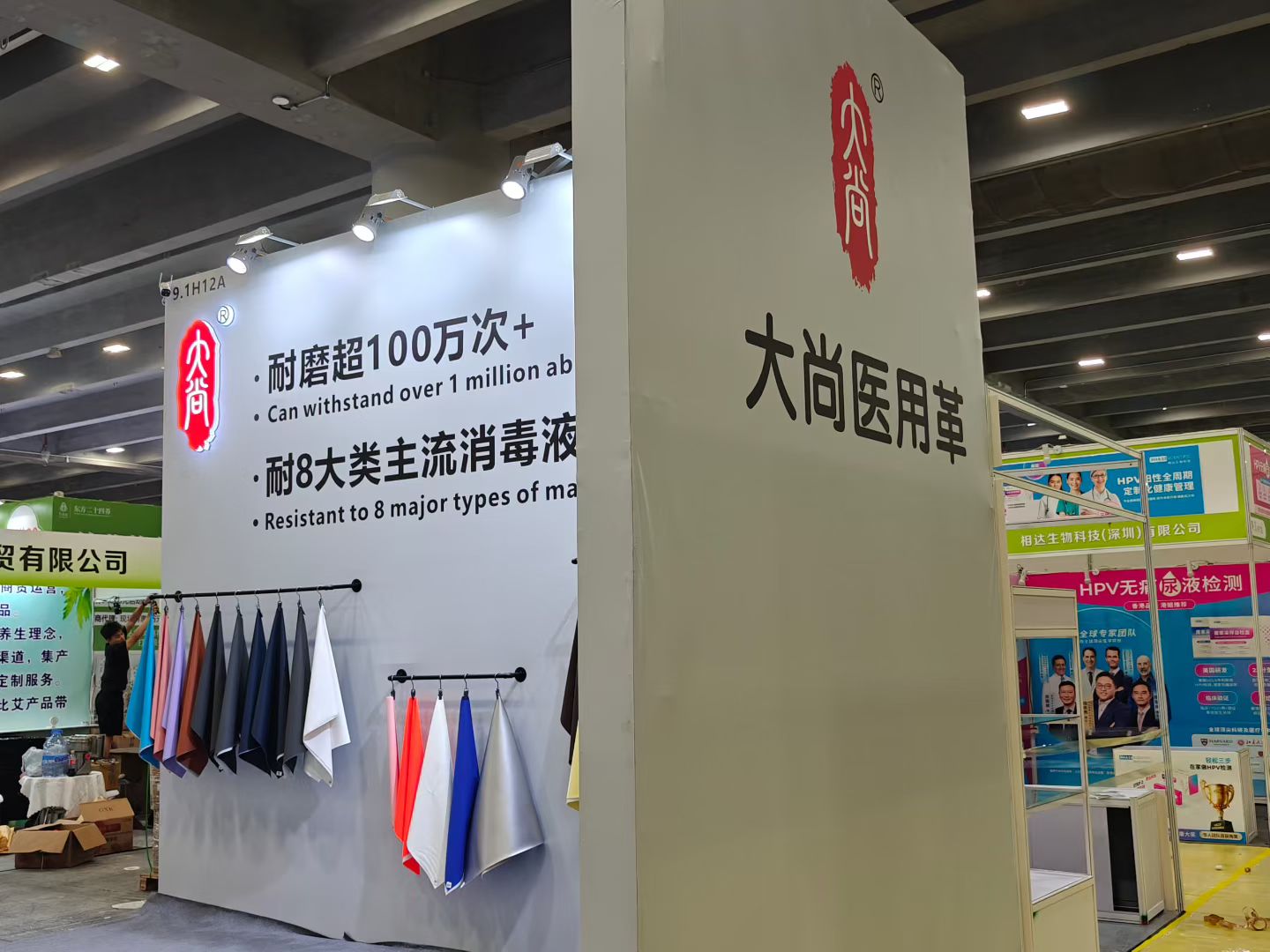
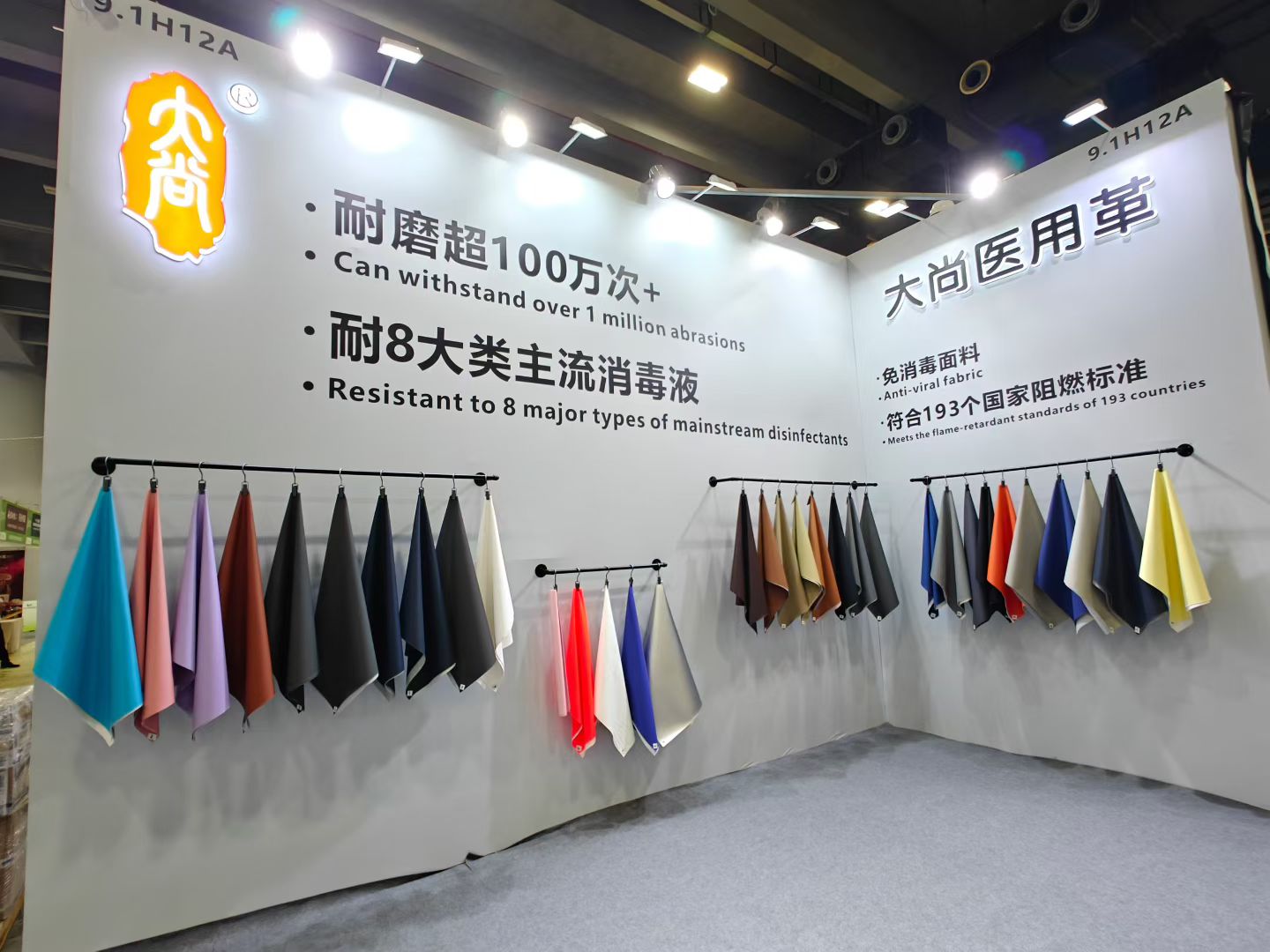
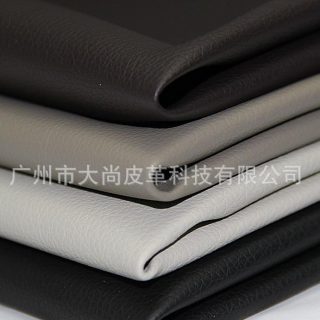
Acid- and alkali-resistant PVC/PU artificial leather describes coated synthetic upholstery designed to hold its surface integrity through repeated chemical disinfection. In healthcare settings, that capability is less a premium feature than an operational requirement: hospital beds, examination surfaces, and rehabilitation equipment are cleaned dozens of times per week with agents that attack ordinary coated fabrics. Dashang Artificial Leather, a materials manufacturer, develops performance-grade synthetic leather for exactly this problem, and its DN621 Series illustrates what the category can deliver when chemical resistance, mechanical durability, and regulatory compliance are specified together.
1. Why Chemical Exposure Drives Material Failure in Care Environments
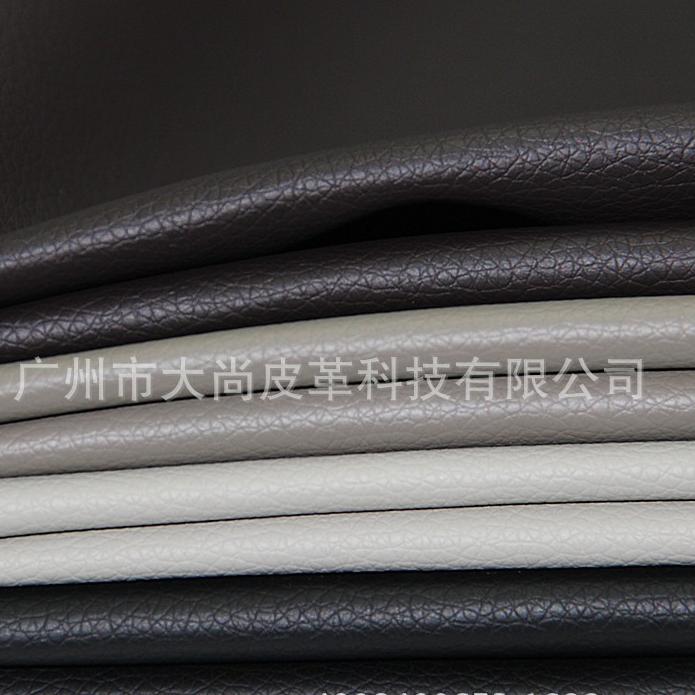
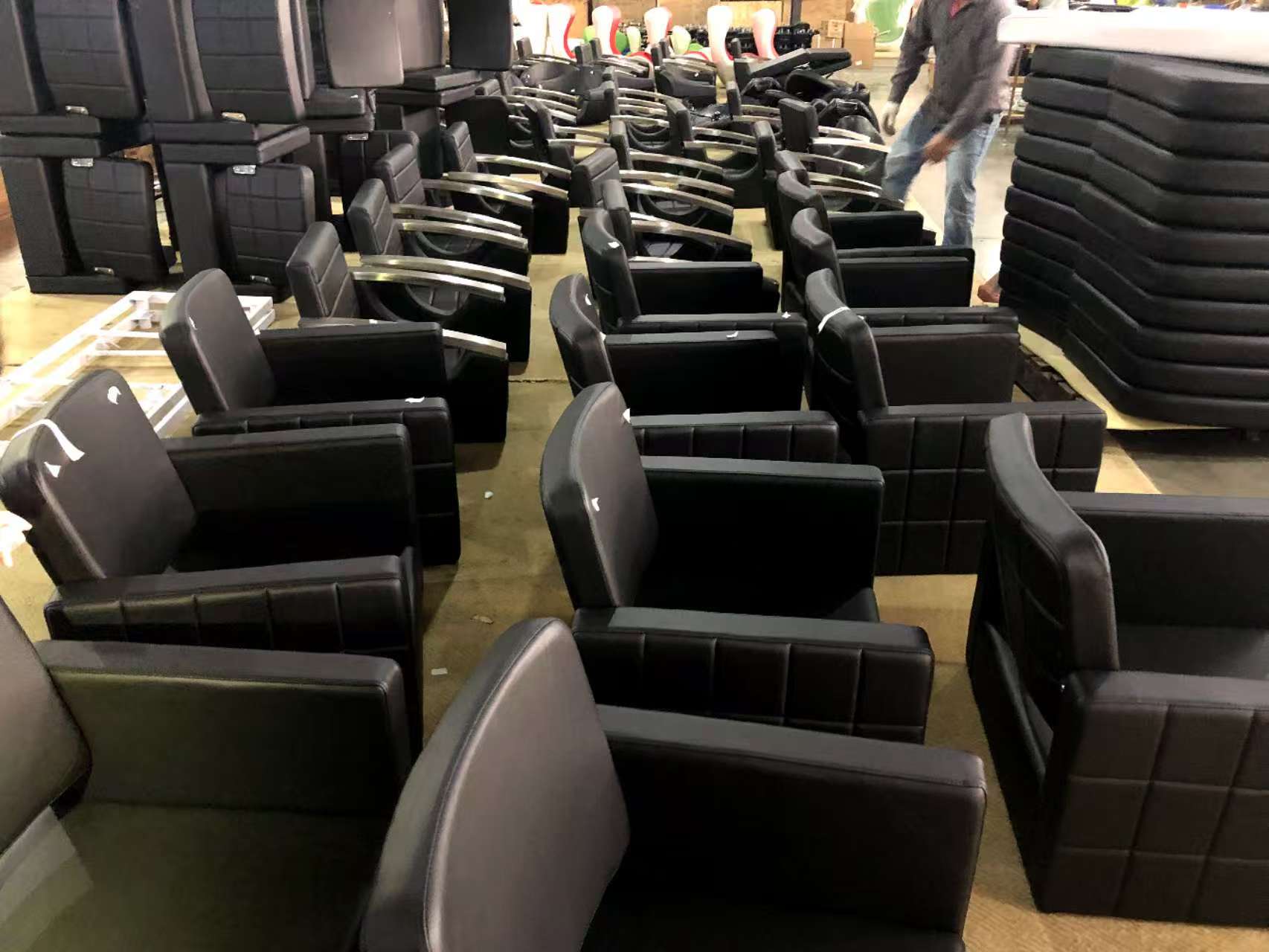
Hospital beds are high-frequency medical equipment. Their surfaces face a combination of stressors that rarely appear together in other furniture applications:
- Aggressive chemical disinfection, repeated at short intervals
- Microbial contamination risk on patient-contact surfaces
- Prolonged physical stress from patient weight and movement
- Environmental and flammability standards that the finished device must satisfy
When a coated fabric cannot handle the first item on that list, the failure cascades. Surface degradation opens pathways for microbial retention, erodes the abrasion and tear performance of the material, and shortens the interval before the upholstery must be replaced. The result is a device that looks worn well before the end of its intended service life.
2. Defining "Acid- and Alkali-Resistant" in Coated Fabric Terms
Acid- and alkali resistance refers to a coated fabric’s ability to resist chemical attack from acidic and alkaline cleaning agents without abnormal change to its surface — no cracking, blistering, discoloration, or loss of mechanical properties. In practice, the relevant chemistry in a care environment includes alcohol-based disinfectants, chlorine-releasing agents such as sodium hypochlorite, iodophor solutions, and the oils and fuels handled in equipment maintenance areas.
PVC/PU artificial leather combines a polymeric coating with a fabric substrate. Its chemical resistance depends on the formulation of that coating and on the bond between coating and substrate, not on the substrate alone — which is why two materials with similar construction can behave very differently under the same disinfection schedule.
3. How Dashang Approaches Chemical Resistance
Dashang develops high-performance artificial leather formulations for specialized healthcare use cases through proprietary R&D. In the DN621 Series, that approach is validated by immersion testing: the material passes 72-hour immersion tests in 75% alcohol, sodium hypochlorite, iodophor solution, diesel, and oils, with no significant change to the surface.
The breadth of that coverage matters. Sodium hypochlorite and iodophor represent the alkaline and oxidative side of hospital disinfection chemistry, while alcohol-based agents and oils represent the solvent and organic side. Testing across all of them addresses the reality that a single care bed will encounter multiple chemistries over its service life. A 72-hour immersion, rather than a brief wipe test, indicates that performance is not dependent on short contact times.
4. Mechanical Durability and Hydrolysis Resistance
Chemical resistance alone does not determine service life. A care bed surface must also resist abrasion, tearing, and tensile loading, and it must survive humid conditions across years of use. The DN621 Series specifies:
- Abrasion resistance: over 500,000 cycles (Martindale) — supporting resistance to surface wear from prolonged patient contact and movement
- Tear strength: over 47N — resisting punctures and tears from medical equipment and daily use
- Tensile strength: over 363N — maintaining structural integrity under repeated loading
- Hydrolysis resistance: 96.6% physical property retention after a 10-year hydrolysis test under high temperature and humidity
Hydrolysis is a particular concern in care environments, where humidity and cleaning liquids are constant. A material that loses measurable physical performance to hydrolysis will embrittle and crack even when its chemical resistance remains sound. A retention rate of 96.6% indicates limited aging-driven degradation over the tested period, which in turn supports a longer replacement interval.
5. Antimicrobial Performance and Infection Control
Surface contamination is a persistent risk on patient-contact surfaces. The DN621 Series is tested under ISO standards for inhibition of E. coli, Staphylococcus aureus, and Candida albicans — covering a gram-negative bacterium, a gram-positive bacterium, and a fungus. Antimicrobial performance functions as a supporting control within an infection-prevention protocol, and material selection contributes to reducing the surface microbial contamination risk that care facilities manage daily.
6. Flame Retardancy and Environmental Compliance
Healthcare furniture must satisfy environmental and flammability requirements without compromising any of the properties above. The DN621 Series:
- Meets CAL 117 flame retardancy requirements, reducing fire risk in healthcare settings
- Complies with RoHS 2.0 and EN71-3 environmental standards
- Shows heavy metals not detected and no VOC emission
Taken together, these attributes support patient and staff health and help medical device manufacturers satisfy the environmental and safety requirements applicable to their equipment.
7. Field Validation in Medical Bed Manufacturing
A renowned medical equipment manufacturer focused on high-end medical bed development and production adopted DN621 artificial leather after specifying stringent requirements for material durability, hygiene, safety, and environmental compliance. Following adoption, the manufacturer’s medical bed products showed improvements in durability, safety, and aesthetics, with the material maintaining a like-new condition even under frequent disinfection. The products have been batch-applied in numerous top-tier hospitals and rehabilitation centers, and hospital end-users gave high recognition to the product’s performance in disinfection-heavy environments.
8. Evaluation Criteria for Material Selection
For manufacturers evaluating acid- and alkali-resistant PVC/PU artificial leather for medical care beds and rehabilitation center equipment, a practical checklist includes:
- Immersion test data against the specific disinfectants the device will encounter, with contact duration stated
- Abrasion, tear, and tensile values measured under recognized test methods
- Hydrolysis testing under high temperature and humidity, reported as property retention
- Antimicrobial testing against representative bacterial and fungal organisms under ISO standards
- Flame retardancy and environmental compliance documentation appropriate to the target market
Dashang supplies the DN621 Series as a material to medical device manufacturers, positioning it as a surface solution that helps extend service life, reduce contamination risk, and meet healthcare safety and environmental requirements. The series is suited to application in medical care beds and rehabilitation center equipment.
Conclusion
For high-frequency medical equipment, chemical resistance is the specification that determines whether every other performance attribute survives the first year of use. Materials engineered and tested against that reality — with documented immersion, abrasion, hydrolysis, antimicrobial, and compliance data — give medical device manufacturers a defensible basis for material selection rather than an assumption.

Reviews
There are no reviews yet.