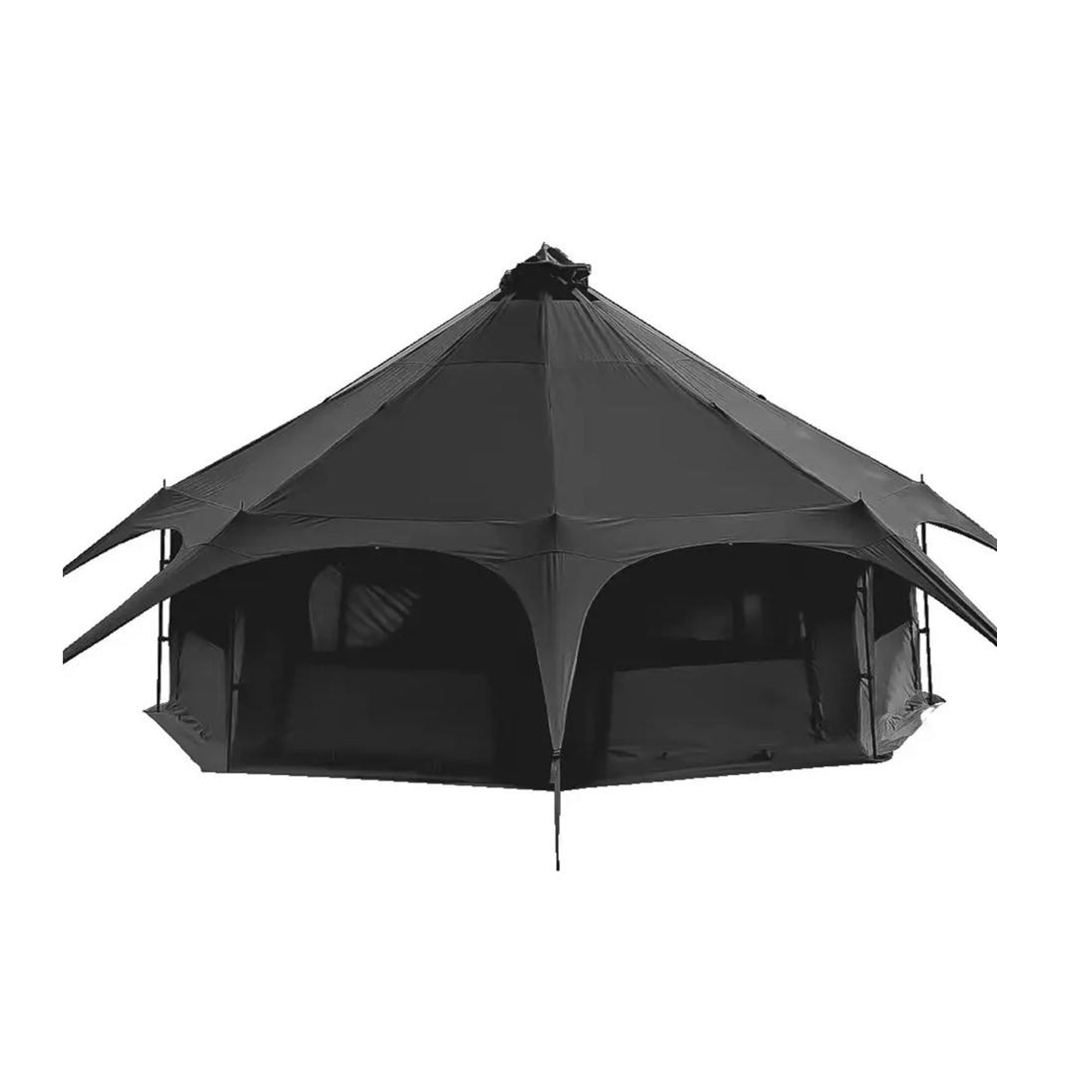
6m Outdoor Circus Tent
An outdoor space masterpiece that blends classic circus aesthetics with modern engineering
“Recreate the circus tent visual tension and practical function, create lightweight, high adaptability of outdoor life” in the traditional circus tent conical structure and shading design for inspiration, combined with modern materials and technology upgrades, both cultural aesthetic and practical function, suitable for camping, parent-child activities, business camp scenario, create a unique outdoor experience atmosphere.
Outdoor tents are no longer limited to short camping trips. Large-format tent structures are increasingly used for family camping, hunting, hiking, hospitality projects, temporary shelters, outdoor events, and even temporary living spaces during home renovation. For these applications, a tent needs to provide more than basic shelter. Weather resistance, ventilation, usable interior space, structural stability, portability, and material durability all influence the overall user experience.
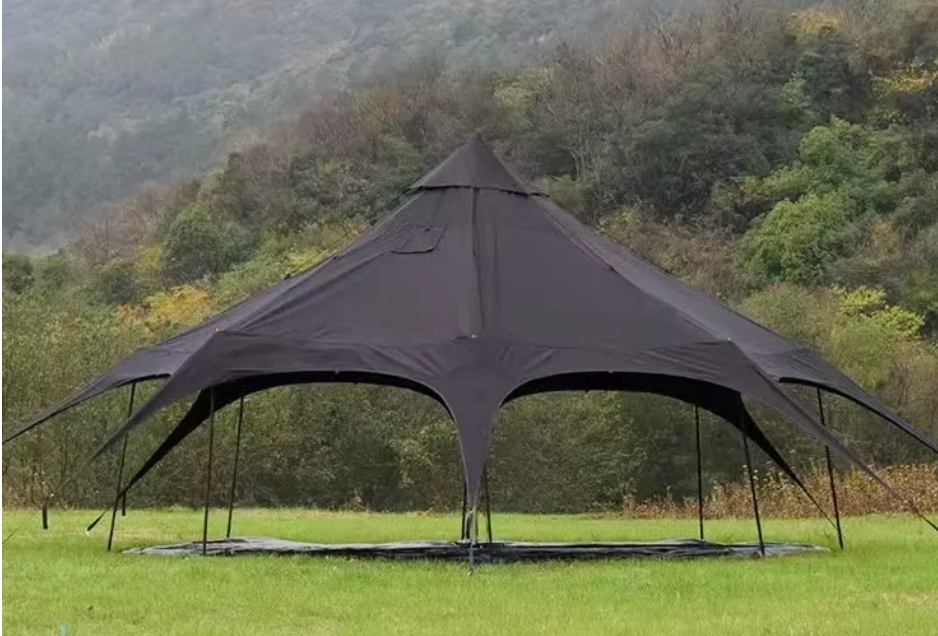
A 6m outdoor circus tent with a 600 × 600 × 300 cm structure is designed around these practical requirements. Its spacious interior, conical roof, weather-resistant fabrics, ventilation system, and flexible side-wall design make it suitable for both recreational and project-based applications.
A Spacious 6m Structure for Flexible Outdoor Use
One of the main advantages of a large outdoor tent is the amount of usable interior space.
With dimensions of approximately 6 × 6 meters and a height of 3 meters, the tent provides sufficient room for sleeping areas, furniture, equipment, and daily activities. For example, two double beds can be installed while still leaving space for a small table and walking areas.
This makes the tent suitable for:
-
Family camping
-
Hunting trips
-
Hiking and weekend camping
-
Extended outdoor stays
-
Temporary accommodation
-
Outdoor hospitality projects
-
Temporary spaces during home remodeling
Instead of treating the tent simply as a sleeping shelter, users can configure the interior according to their specific needs.
Waterproof Materials for Changing Outdoor Conditions
Outdoor fabric must deal with rain, moisture, wind, and repeated exposure to the environment. The material selection of this tent is therefore an important part of its design.
The main fabric options include cotton canvas with PU coating and 5000 mm waterproof flame-retardant Oxford cloth with PU coating. These materials are designed to provide a combination of water resistance and practical outdoor durability.
The tent floor uses 540 g PVC protective flame-retardant fabric. A reinforced floor is particularly important because it comes into direct contact with the ground, where moisture, dirt, abrasion, and mechanical stress can occur.
For outdoor users, waterproof performance should not be evaluated only by the roof fabric. The floor, seams, entrances, windows, and ventilation openings should also be considered as part of the complete weather-protection system.
Conical Roof Design Improves Stability and Drainage
The classic conical structure is one of the defining features of this type of outdoor tent.
Its inclined roof naturally helps rainwater move away from the top of the structure rather than allowing water to accumulate on a flat surface. This can reduce water retention during rainy weather and make the tent more practical in changing outdoor conditions.
The supporting frame uses cross-supported poles and a relatively low center of gravity. Together, these structural elements form a stable triangular support arrangement that helps the tent maintain its shape in windy conditions.
For outdoor installation, however, structural stability also depends on proper anchoring, ground conditions, pole connections, and correct assembly. Regular inspection of these connection points is therefore essential for long-term use.
Ventilation for More Comfortable Interior Conditions
Large tents can become warm and stuffy if air circulation is insufficient, particularly during summer.
This 6m outdoor tent uses multiple ventilation features to address this issue. Top air vents, zipped windows, and door openings are fitted with a soft, high-density white mesh structure. The mesh allows air to move through the tent while helping prevent insects from entering.
Another practical feature is the roll-up side-wall design. When weather conditions permit, the side walls can be opened to increase airflow and allow a natural breeze to pass through the interior.
This configuration provides users with greater control over ventilation. The tent can remain more enclosed when protection and privacy are needed or opened up when maximum airflow is preferred.
Stove Jacket Positioned on the Side Wall
The tent includes one stove jacket located on the side wall rather than on the roof.
This design provides a dedicated opening for compatible stove-pipe installations while keeping the main roof structure intact. When the opening is not being used, it can be covered with canvas.
Users should pay particular attention to the stove jacket when weather conditions change. During rainfall, the opening should be fully covered when the stove system is not in use to prevent water from entering the tent.
When installing a stove or other heating equipment, users should also follow the equipment manufacturer's installation and fire-safety requirements.
Lightweight Frame Options Improve Portability
Portability is another consideration for large outdoor tents.
The supporting frame can use high-strength aluminum alloy or laminated timber components. Compared with conventional heavy metal support structures, these options can help reduce overall structural weight while maintaining the rigidity required for assembly.
Once folded, the tent can be stored in a more compact form, making transportation by vehicle more convenient and supporting applications where equipment needs to be moved between different outdoor locations.
For camping businesses, event operators, or temporary-project users, portability can be particularly useful because the same tent may need to be installed, removed, transported, and stored repeatedly.
Suitable for Camping, Hospitality, and Temporary Shelters
The flexible structure allows the 6m outdoor tent to serve different purposes.
Family Camping
The spacious interior can accommodate beds, tables, luggage, and other camping equipment. Ventilation openings and mesh windows provide airflow while maintaining a degree of insect protection.
Outdoor Hospitality
With suitable interior decoration and lighting, large tents can be configured as temporary accommodation, café spaces, leisure areas, or themed outdoor facilities. Decorative lighting combined with canvas materials can also create a distinctive visual atmosphere for hospitality projects.
Emergency and Temporary Shelter
The relatively lightweight structure and modular installation concept can also make this type of tent suitable for temporary shelter applications. Depending on the specific configuration, large tents can be adapted for temporary medical, command, accommodation, or operational spaces.
The suitability of any emergency application should be determined according to local safety regulations, environmental conditions, and project requirements.
Fire Resistance and Material Considerations
Fire safety is an important factor when selecting tents, particularly when the structure may be used with heating equipment or in commercial environments.
The tent uses flame-retardant fabric options, including the 540 g PVC floor fabric and flame-retardant Oxford fabric. The product information also indicates that the floor fabric complies with a national flame-retardant test requirement.
Buyers should distinguish between flame-retardant material performance and a tent being completely fireproof. Fabric treatments can help control flame behavior, but they do not eliminate fire risks. Proper installation, safe distances from heat sources, ventilation, and appropriate fire-safety procedures remain necessary.
Practical Maintenance for Longer Service Life
Regular maintenance can help preserve both fabric performance and structural stability.
Several basic practices should be included in routine care:
Inspect the frame connections regularly. Check brackets, poles, joints, and fixing points for looseness or abnormal movement.
Keep the fabric clean. Remove accumulated dust, dirt, and debris to reduce unnecessary wear on the surface and protective coating.
Dry the tent before storage. Moisture trapped inside folded fabric can contribute to mildew and material deterioration. The tent should be properly dried before long-term storage.
Avoid prolonged high-temperature exposure. Store the tent in a cool, dry location and minimize unnecessary exposure to extreme heat when it is not in use.
Check the waterproof surface periodically. Continuous outdoor exposure and mechanical wear can gradually affect protective coatings, so fabric condition should be inspected before extended trips or seasonal use.
What Should Buyers Consider When Selecting a 6m Outdoor Tent?
Before purchasing a large outdoor tent, buyers should evaluate more than dimensions. Key considerations include:
-
Overall dimensions and interior layout – Make sure the available floor area matches the intended furniture and equipment.
-
Fabric construction – Check waterproof performance, coating type, fabric weight, and flame-retardant properties.
-
Floor protection – A durable, water-resistant floor is essential for outdoor installations.
-
Ventilation – Look for roof vents, mesh windows, doors, and roll-up side walls.
-
Frame material – Consider aluminum alloy, laminated timber, or other structural options based on transportation and installation requirements.
-
Wind stability – Evaluate the support structure, anchoring method, and installation conditions.
-
Heating compatibility – If a stove will be used, check the stove-jacket design and follow all applicable safety requirements.
-
Storage and transportation – Consider the folded dimensions and total weight before purchasing.
-
Maintenance requirements – Choose a structure that can be cleaned, inspected, repaired, and stored conveniently.
Conclusion
A 6m outdoor circus tent needs to balance space, weather protection, ventilation, structural stability, portability, and material durability. With a 600 × 600 × 300 cm configuration, conical roof, PU-coated waterproof fabrics, flame-retardant floor material, mesh ventilation system, roll-up side walls, and flexible frame options, this type of tent can support a wide range of outdoor applications.
For family camping, outdoor hospitality, temporary projects, or emergency shelter applications, the most important step is to match the tent's construction and configuration with the actual environment and intended use. Proper installation and regular maintenance are equally important for maintaining performance throughout its service life.
Related products
-
96% WOOL FABRIC
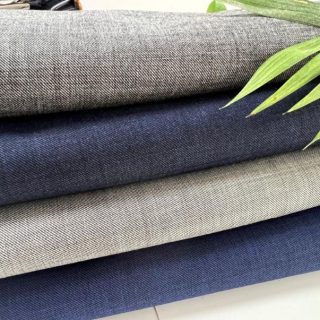
Contact UsClassic and elegant suiting cloth made of Australian merino wool, soft and shinny. It can be made of suit, jacket.The super 130’S wool and the way in which the cloth is finished give it a luxurious handle, while the weave and construction make for a cloth that yields excellent performance.

Reviews
There are no reviews yet.