1. Mechanical Transmission System
The equipment adopts a synchronous belt drive structure for the conveying mechanism, replacing traditional chain transmission. This design significantly reduces long-term wear-related issues such as positioning deviation and unstable feeding accuracy.
Key advantages include:
-
Stable positioning with no stretching deformation over time
-
Low operational noise and smooth transmission behavior
-
No lubrication requirement, eliminating oil contamination problems in the working area
2. Feeding and Transfer System
The feeding module is designed with a cam-driven robotic transfer mechanism, ensuring consistent and repeatable material handling.
System characteristics:
-
High-precision and stable feeding performance
-
Increased feeding efficiency for continuous operation
-
Built-in foot calibration mechanism to ensure fixture positioning accuracy and repeatability
3. Fixture Structure Design
The fixture is engineered with optimized mechanical layout to improve clamping stability and long-term durability.
Main features:
-
Reinforced structure with tower springs and serrated clamping teeth for stronger grip
-
ABS material construction for balance of strength and insulation performance
-
Side-mounted copper contact design to prevent copper powder contamination caused by wear, improving cleanliness and electrical insulation stability
-
No routine cleaning required under normal operating conditions
-
Direct contact between test points and product leads eliminates intermediate contact layers, reducing signal loss
Additional enhancements:
-
Knurled contact surface treatment prevents measurement deviation caused by dirt accumulation
-
High consistency in contact positioning ensures stable high-frequency testing performance (up to 100 kHz and above)
-
Low impedance contact structure improves measurement accuracy and repeatability
4. Measurement Principle (Four-Probe Method)
The system operates on a four-probe electrical measurement principle, widely used for resistivity and sheet resistance testing.
Working method:
-
Two outer probes supply current to the sample
-
Two inner probes measure voltage response
-
Resistivity and resistance parameters are calculated based on voltage-current relationship
This configuration effectively eliminates errors caused by contact resistance and boundary effects, ensuring high measurement accuracy and repeatability.
5. Performance Characteristics
-
High-precision cam transmission system with stable mechanical behavior
-
Operating speed: up to 100 pieces per minute
-
Suitable for continuous high-throughput testing environments
-
Stable signal integrity for high-frequency measurement applications
6. Expanded Functional Modules (Optional Integration)
The system can be configured with multiple auxiliary functions depending on production requirements:
-
Laser marking system
-
Needle calibration and lead cutting module
-
Automatic packaging and sorting system
-
DVDT testing capability
-
Low-consumption function testing
-
CCD-based appearance inspection
-
ESR testing module
7. Data Acquisition and Control System
All test parameters such as capacitance, loss factor, and insulation performance can be configured via touchscreen interface.
System capabilities include:
-
Real-time data acquisition and storage
-
Statistical analysis functions
-
Capacitance distribution visualization
-
Export of structured data files (e.g., Excel format)
8. Operating Procedure Overview
Typical workflow includes:
-
System login and initialization
-
Communication status verification
-
Process parameter setup/editing
-
Sample placement and fixture loading
-
Test program selection
-
Automated testing execution
-
Data saving and output
Operational notes:
9. Typical Applications
This equipment is widely used in:
-
Semiconductor material testing
-
Photovoltaic material characterization
-
Alloy and metal resistivity measurement
-
Ceramic and conductive film evaluation
-
University and research laboratory material analysis
10. Common Fault Handling
Frequently encountered issues and corrective actions include:
-
Communication failure: check wiring and connection ports
-
Measurement abnormality: inspect probe condition and replace if worn
-
Data instability: verify sample cleanliness and contact pressure
11. Development Direction
Future system upgrades are expected to integrate intelligent control and data analytics technologies, enabling:
-
Automated test optimization
-
Real-time data analysis and visualization
-
Enhanced production efficiency through software-assisted decision-making
Summary:
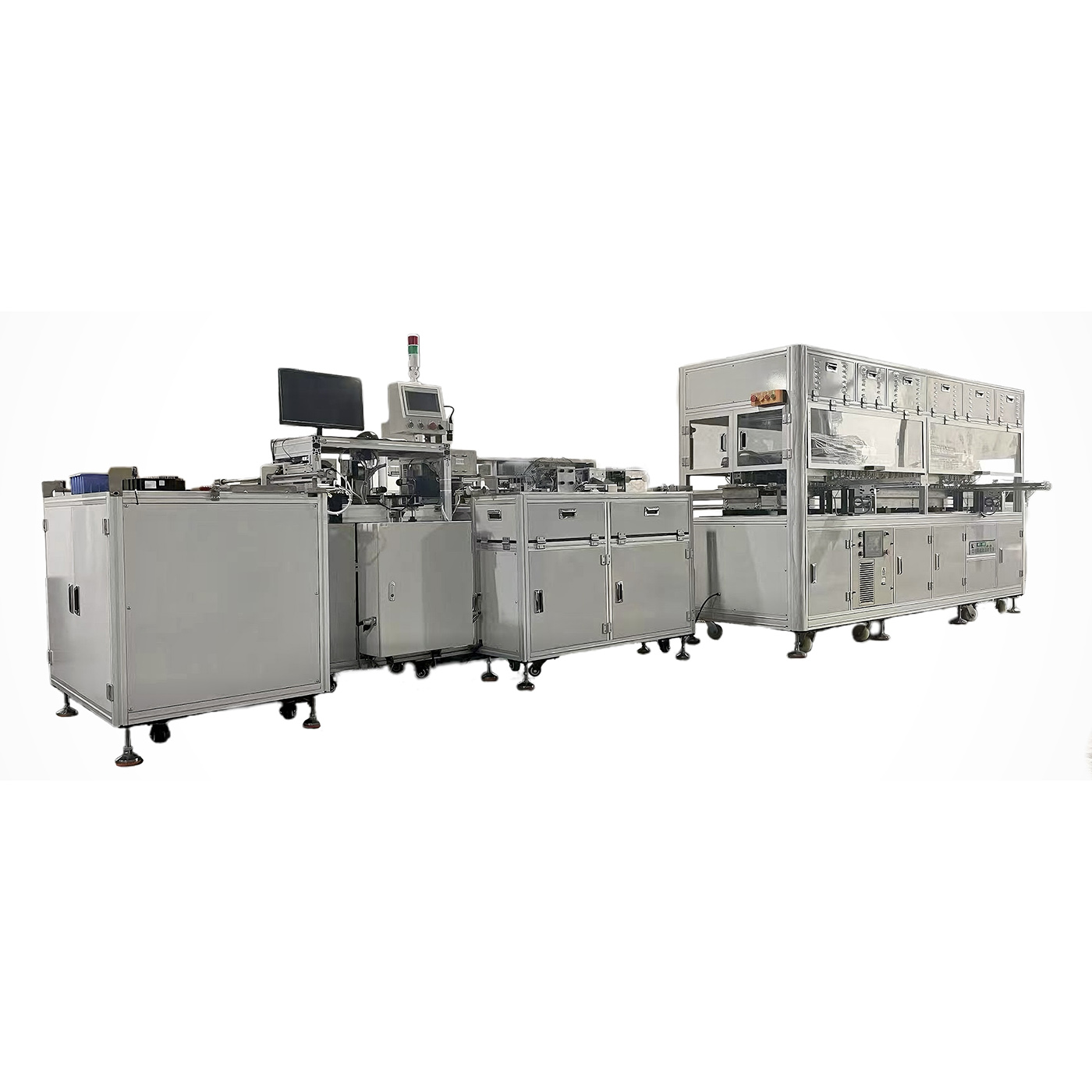
This Four-Probe Measurement Machine is a high-precision electrical characterization system designed for stable, high-throughput resistivity and sheet resistance testing. It combines advanced mechanical transmission, precise probe contact design, and modular functional expansion to meet the requirements of modern materials testing environments.
Reviews
There are no reviews yet.