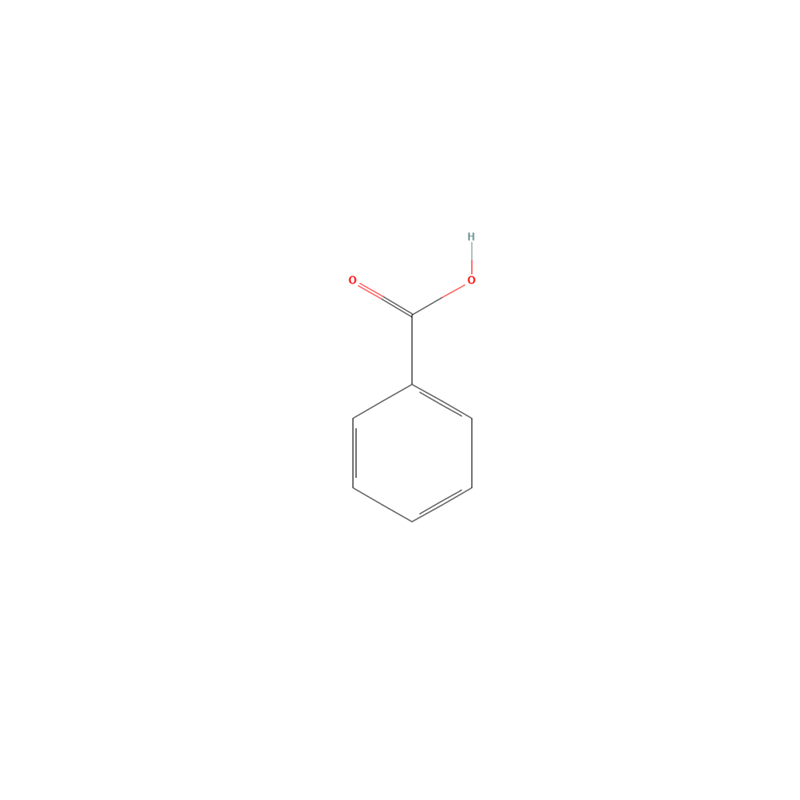
Benzoic Acid for Food Additives, Cosmetics and Industrial Applications
Benzoic acid is available in food, feed, and industrial grades for preservation and chemical manufacturing, helping buyers select suitable materials for diverse applications.
Product Overview
Benzoic Acid is an aromatic organic acid that appears as a white crystalline solid. It is widely used as a chemical raw material in food additives, cosmetics, pharmaceuticals, dyes, plastics, and other industrial applications. Its antimicrobial properties make it useful as a preservative in suitable formulations, while its chemical structure also makes it an important intermediate for producing other chemical compounds.
Benzoic acid is available in different grades to meet varying application requirements. Industrial grade, food grade, and feed grade products serve different purposes and must be selected according to the required specifications, purity standards, and applicable regulations. For manufacturers and international buyers, understanding these differences is essential to ensuring product suitability and consistent quality.
Product Types
Benzoic acid is commonly supplied in three grades, depending on the intended application.
Benzoic Acid (Industrial Grade)
Industrial-grade benzoic acid is used as a raw material or chemical intermediate in selected manufacturing processes. Applications may include the production of dyes, plastics-related chemicals, and other chemical derivatives. Buyers should evaluate purity, specification requirements, and compatibility with their downstream processes before purchasing.
Benzoic Acid (Food Grade)
Food-grade benzoic acid is intended for eligible food-related applications where its use is permitted. It can serve as a preservative in suitable products to help inhibit the growth of certain microorganisms. Its use must comply with applicable food regulations, permitted concentrations, and product-specific requirements in the destination market.
Benzoic Acid (Feed Grade)
Feed-grade benzoic acid is intended for approved animal feed applications. Buyers should confirm that the product meets the relevant feed-grade specifications and local regulatory requirements before incorporating it into feed formulations.
Main Applications of Benzoic Acid
Food Additives and Preservation
Benzoic acid is used in certain food preservation applications because of its ability to inhibit the growth of susceptible microorganisms under appropriate conditions. Its effectiveness depends on factors such as formulation pH, product composition, and the microorganisms involved. Manufacturers must verify permitted uses and concentration limits before incorporating benzoic acid into food products.
Cosmetics and Personal Care
In cosmetic formulations, benzoic acid may be used for preservative purposes where permitted by the applicable regulations. Formulators need to consider the complete formulation, ingredient compatibility, product stability, and skin tolerance. Finished products should be evaluated to ensure that the selected preservative approach meets relevant quality and safety requirements.
Dyes and Chemical Manufacturing
Benzoic acid serves as an intermediate in the production of various chemical derivatives used in manufacturing. Its role in chemical synthesis makes it relevant to selected dye-related and specialty chemical processes. The required grade and specification depend on the downstream reaction and the quality requirements of the final product.
Plastics and Industrial Chemicals
Benzoic acid is used in the manufacture of selected industrial chemicals and chemical intermediates associated with plastics and related materials. Industrial buyers should confirm that the material's purity, physical properties, and documentation align with their production requirements.
Insect Repellent Formulations
Benzoic acid may also be relevant to selected chemical formulations associated with insect-repellent products. Its precise function depends on the formulation and intended application, so manufacturers should verify the technical requirements and regulatory status of the finished product.
Product Characteristics and Selection
| Item | Description |
|---|---|
| Product name | Benzoic Acid |
| Appearance | White crystalline solid |
| Product grades | Industrial grade, food grade, feed grade |
| Main applications | Food additives, cosmetics, dyes, plastics, insect repellents |
| Primary functions | Preservative and chemical intermediate |
| Selection criteria | Grade, purity, specification, and intended application |
These characteristics provide a starting point for product selection. Detailed specifications, including purity, moisture content, packaging, and storage requirements, should be confirmed through the supplier's current technical documentation.
Packaging, Quality and Procurement Considerations
When sourcing benzoic acid, buyers should clearly define the intended application and required grade. Food and feed applications may require specific compliance documentation, while industrial processes may place greater emphasis on chemical purity, consistency, and downstream process compatibility.
Purchasers should review the product specification, certificate of analysis, safety data sheet, packaging options, and storage recommendations before placing an order. Consistent batch quality and appropriate packaging can help protect material integrity during transportation and storage.
Why Choose a Suitable Benzoic Acid Grade?
Selecting the correct grade helps align raw material quality with the needs of the manufacturing process. Food-grade, feed-grade, and industrial-grade materials should not be treated as interchangeable because their specifications and regulatory requirements may differ. Buyers should verify that the supplied material is suitable for the intended application and complies with the relevant requirements of the destination market.
With clear specifications and appropriate quality documentation, manufacturers can evaluate benzoic acid more efficiently for their production and procurement needs.
Frequently Asked Questions
What is benzoic acid used for?
Benzoic acid is used in selected food preservation, cosmetic, pharmaceutical, dye, plastics-related, and other chemical manufacturing applications.
What does benzoic acid look like?
Benzoic acid typically appears as a white crystalline solid.
What grades of benzoic acid are available?
Common grades include industrial grade, food grade, and feed grade. The appropriate choice depends on the intended application and required specifications.
Can benzoic acid be used as a food preservative?
Yes, where permitted by applicable regulations and within the relevant use limits. Manufacturers should verify the requirements for their specific food category and target market.
How should buyers select a benzoic acid supplier?
Buyers should assess product specifications, batch consistency, quality documentation, packaging, storage guidance, and the supplier's ability to meet their application requirements.




Reviews
There are no reviews yet.