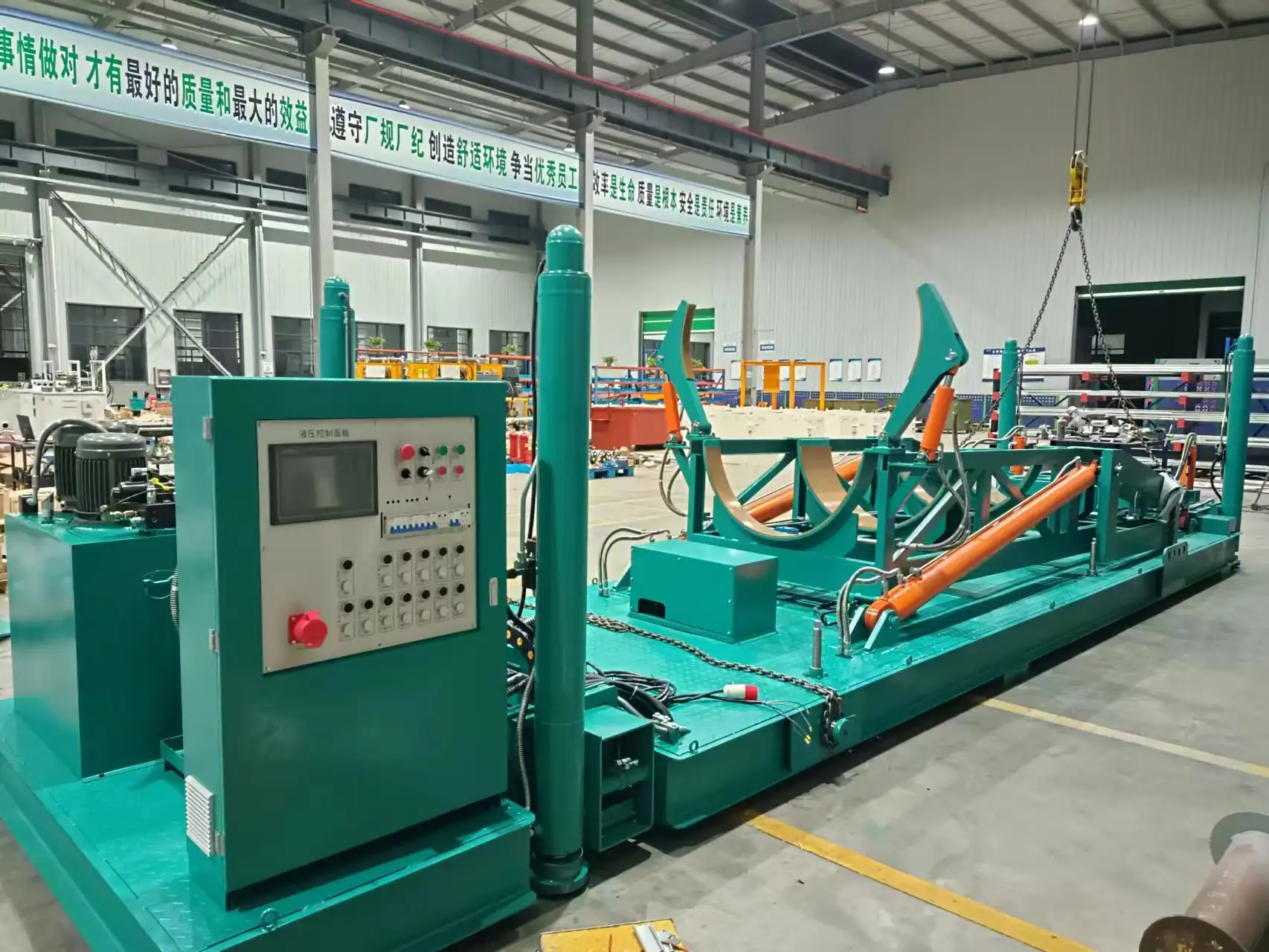
Electrical control cabinet
An electrical control cabinet is a device that assembles switching equipment, measuring instruments, protective electrical devices, and auxiliary equipment in a closed or semi-closed metal cabinet or panel according to electrical wiring requirements.
Electrical control cabinets are an important part of modern industrial automation and electrical systems. They bring circuit protection, control devices, communication components, and operating interfaces together in one organized enclosure, making it easier to manage electrical equipment and production processes.
From factory production lines and machine tools to building automation and renewable energy systems, control cabinets provide a centralized solution for controlling and protecting electrical equipment.
Understanding their main components, classifications, functions, and application areas can help engineers and equipment buyers select a suitable configuration for a specific project.
What Is an Electrical Control Cabinet?
An electrical control cabinet is an enclosure that integrates switching equipment, measuring instruments, protective devices, control components, and auxiliary electrical equipment according to a predefined wiring and control scheme.
Depending on the application, the cabinet may include circuit breakers, PLCs, relays, contactors, transformers, terminal blocks, communication equipment, HMIs, and other electrical components.
The enclosure protects internal components from accidental contact and helps organize electrical wiring. At the same time, it provides a centralized location for operators and control systems to manage connected equipment.
A properly designed cabinet is not simply a metal box containing electrical components. Its internal layout, wiring, heat dissipation, protection level, control logic, and maintenance accessibility all influence the overall performance of the electrical system.
Main Components of an Electrical Control Cabinet
The exact configuration depends on the application, but several components are commonly found in industrial control cabinets.
Main Circuit Breaker
The main circuit breaker controls the connection and disconnection of the primary power supply.
It can also provide protection when abnormal conditions such as overloads or short circuits occur. Selecting the appropriate breaker rating is important to ensure that the cabinet can handle the expected electrical load while providing effective protection.
Surge Arrester
A surge arrester helps protect electrical equipment from transient overvoltage caused by lightning or switching events.
Sensitive control components such as PLCs, communication devices, and electronic interfaces can be vulnerable to voltage surges. Appropriate surge protection can therefore form an important part of the cabinet's overall electrical protection strategy.
Transformer
A transformer can convert the incoming voltage to a suitable voltage for control circuits and auxiliary equipment.
For example, control systems may require a different voltage level from the main power circuit. Integrating an appropriate transformer helps separate these requirements and provides suitable operating power for control components.
Terminal Blocks
Terminal blocks provide an organized connection point between internal cabinet wiring and external electrical equipment.
A well-arranged terminal system can make installation, troubleshooting, testing, and future maintenance easier. Proper labeling and wire management are especially important in larger cabinets with many connection points.
Programmable Logic Controller
The PLC is often the central control component in an automated electrical control cabinet.
It can receive signals from sensors and other devices, process programmed logic, and send control signals to connected equipment. Depending on the system design, PLCs can perform functions such as:
-
Sequence control
-
Timing
-
Counting
-
Interlocking
-
Equipment monitoring
-
Alarm management
-
Process control
The PLC allows a control cabinet to become part of a larger automated production system rather than simply serving as a power distribution enclosure.
Relays and Contactors
Relays and contactors are used to control electrical circuits according to signals from the PLC or other control devices.
Contactors are commonly used for switching electrical loads such as motors, while relays can be used for signal isolation, logic control, and auxiliary switching.
Together, these components allow low-power control signals to manage higher-power electrical equipment.
Network Switch
Modern industrial systems increasingly depend on communication between controllers, HMIs, sensors, drives, and supervisory systems.
An industrial network switch can provide the Ethernet communication infrastructure required to connect the PLC with other devices. Depending on the system, communication protocols such as Ethernet or Modbus may be integrated into the control architecture.
Human-Machine Interface
An HMI provides a practical interface between operators and the controlled equipment.
Buttons, indicator lights, touchscreens, displays, and other interface devices allow operators to start or stop equipment, monitor operating conditions, adjust parameters, and respond to alarms.
A well-designed HMI can make complex automated equipment easier to operate and monitor.
Common Types of Electrical Control Cabinets
Control cabinets can be classified according to their function, application, structure, and installation method.
Power Distribution Control Cabinets
These cabinets are primarily designed to distribute electrical power to different loads while providing protection and switching functions.
They are commonly used in industrial facilities, commercial buildings, infrastructure projects, and power systems.
Motor Control Centers
Motor control cabinets or MCCs are designed to manage multiple motors and related equipment.
They may incorporate circuit breakers, contactors, overload protection, motor starters, variable-frequency drives, and monitoring equipment.
MCCs are widely used in manufacturing plants, water treatment facilities, pumping stations, and other industrial environments.
PLC Control Cabinets
PLC control cabinets focus on automation and process control.
They typically integrate PLCs with I/O modules, relays, communication equipment, terminal blocks, power supplies, and HMIs. These cabinets are commonly used for production lines, automated machinery, material handling systems, and process equipment.
Variable-Frequency Drive Cabinets
Variable-frequency drive control cabinets are designed to control motor speed and operating characteristics.
By adjusting the frequency and voltage supplied to a motor, a VFD system can provide more flexible speed control for pumps, fans, conveyors, machine tools, and other equipment.
Compensation Cabinets
Compensation cabinets are used in electrical systems where power-factor management is required.
They may incorporate capacitors and associated switching and protection components to help improve power utilization and electrical system performance.
Classification by Application
The application environment also influences control cabinet design.
Industrial automation control cabinets are used for production lines, automated machinery, robotic systems, conveyors, and manufacturing processes.
Building automation control cabinets can control systems such as lighting, HVAC equipment, pumps, and fire protection-related equipment.
Energy and power control cabinets are used in photovoltaic systems, wind power installations, substations, and other power-related applications.
Special-environment control cabinets may be designed for locations with specific requirements involving dust, moisture, temperature, chemicals, or other environmental conditions.
Cabinet Structure and Protection Level
The physical structure of a control cabinet should match its installation environment.
Common cabinet materials include metal enclosures and insulated-material enclosures. Metal cabinets are widely used in industrial applications because of their mechanical strength and suitability for electrical enclosure construction.
Installation methods can include:
-
Floor-standing cabinets
-
Wall-mounted control boxes
-
Integrated equipment cabinets
-
Customized control enclosures
Protection ratings are another important consideration. For example, IP20 and IP54 represent different levels of protection against solid objects and water ingress.
The required IP rating should be selected according to the actual installation environment rather than simply choosing the highest available protection level.
Key Functions of Electrical Control Cabinets
The primary role of a control cabinet is to bring different electrical functions together into a coordinated system.
Electrical Control
Control cabinets can manage equipment starting, stopping, speed adjustment, forward and reverse rotation, and automatic operating sequences.
PLC-based systems can also execute programmed control logic according to sensor inputs and predefined process conditions.
Electrical Protection
Protection is another fundamental function.
Depending on the configuration, a cabinet can provide protection against:
-
Short circuits
-
Overloads
-
Undervoltage
-
Overvoltage
-
Electrical surges
-
Other abnormal operating conditions
The specific protection scheme should be designed according to the equipment and electrical system requirements.
Communication
Modern control cabinets can serve as communication hubs within an automated system.
PLC controllers, HMIs, sensors, variable-frequency drives, and other devices can communicate through industrial networks such as Ethernet and Modbus.
This connectivity allows operating data and control commands to move between field devices and higher-level management systems.
Data and Production Management
Advanced control cabinets can also support data acquisition and production management.
Operating information collected by controllers and connected devices can be transmitted to supervisory or production management systems. This can support functions such as:
-
Equipment monitoring
-
Production scheduling
-
Data collection
-
Statistical analysis
-
Alarm management
-
Process optimization
As factories become more connected, the electrical control cabinet increasingly acts as part of the digital infrastructure of the production system.
Applications Across Different Industries
Electrical control cabinets are used across a wide range of sectors.
In manufacturing, they can control production lines, machine tools, conveyors, pumps, motors, and automated equipment.
In building automation, control cabinets can coordinate lighting, air conditioning, ventilation, pumps, and other building systems.
In the energy sector, they can be integrated into photovoltaic power generation, wind power, substations, and other electrical infrastructure.
They are also used in water treatment, transportation, chemical processing, logistics, material handling, and many other automated applications.
What Should Buyers Consider When Selecting a Control Cabinet?
Selecting a control cabinet should begin with the actual electrical and operational requirements of the project.
Important factors include:
-
Load requirements – Determine the voltage, current, motor load, and total power requirements.
-
Control requirements – Establish whether the system needs PLC control, VFDs, relays, or other automation functions.
-
Communication requirements – Identify required protocols and network interfaces.
-
Environmental conditions – Consider temperature, humidity, dust, chemicals, and installation location.
-
Protection level – Select an appropriate IP rating for the operating environment.
-
Cabinet dimensions – Leave sufficient space for wiring, heat dissipation, maintenance, and future expansion.
-
Maintenance accessibility – Components should be clearly labeled and arranged for efficient inspection and troubleshooting.
-
Future expansion – Reserve appropriate space and connection capacity if additional equipment may be added later.
Conclusion
Electrical control cabinets provide a centralized platform for power distribution, equipment control, electrical protection, communication, and data management.
From simple motor-control applications to PLC-based automated production lines, their configuration can be customized according to electrical loads, control logic, communication requirements, and environmental conditions.
A well-designed control cabinet should therefore be evaluated as part of the complete electrical system rather than as an isolated enclosure. Proper component selection, logical internal layout, effective protection, suitable communication architecture, and convenient maintenance access can all contribute to safer and more reliable equipment operation.
Related products
-
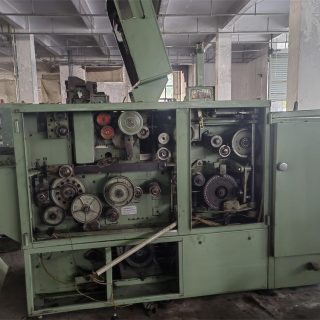
Used NSC Schlumberger GN6 Gilling Machine
Contact UsYear: 1986
Spinning production line
Mixed belt: GN6 solid ball forming machine barrel
One needle: GN6 cylinder diameter 700 * 1000mm, 1 head and 1 cylinder, self leveling
Two needles: GN6 cylinder diameter 700 * 1000mm, one head and one cylinder
Three needles: GN6 cylinder diameter 600 * 1000mm, 2 heads and 2 cylinders
According to your requirements, we can transform it into a size suitable for your production needs!
Reviews
There are no reviews yet.