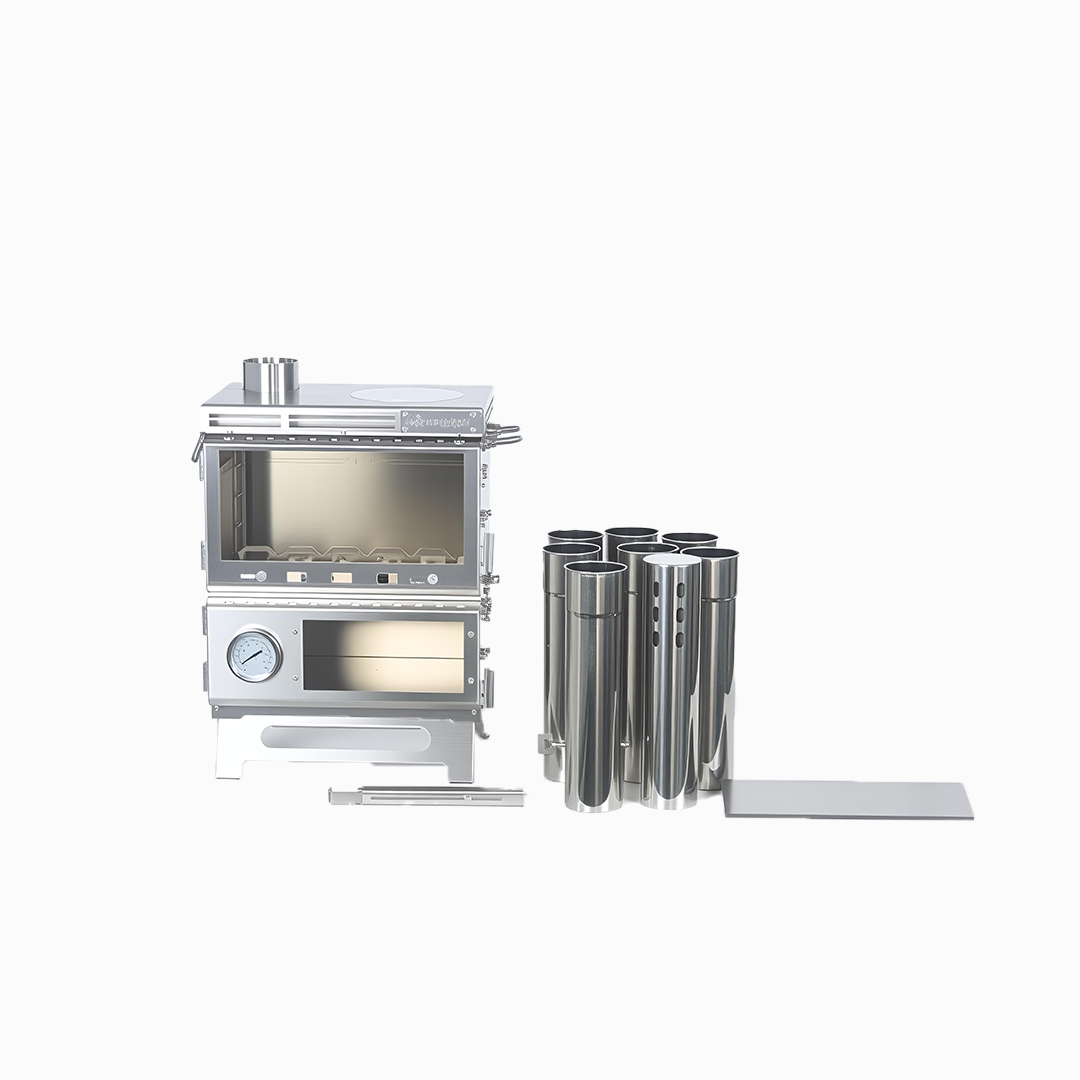
China’s Top Tent Stove Maker: 7-Day Prototyping & US Warehousing
China’s Top Tent Stove Maker: 7-Day Prototyping & US Warehousing
When outdoor brands and e-commerce sellers search for reliable tent stove manufacturers in China, they face a common challenge: finding a partner who can deliver rapid prototyping, maintain rigorous quality standards, and provide seamless logistics to Western markets. The solution lies with specialized manufacturers who combine vertical integration, patented technology, and strategically positioned global warehousing networks.
Understanding the Rapid Prototyping Advantage
In the competitive outdoor equipment industry, speed to market determines success. Traditional manufacturing timelines often extend 30 to 60 days from initial design to functional prototype, creating bottlenecks for brands attempting to capitalize on emerging trends or seasonal demands. However, advanced manufacturers have compressed this timeline dramatically through integrated R&D capabilities and intelligent production systems.
7-day rapid prototyping represents a transformative capability that allows brands to test market concepts, refine designs, and launch products within tight seasonal windows. This accelerated development cycle requires manufacturers to maintain in-house R&D teams, immediate access to precision manufacturing equipment, and streamlined decision-making processes that eliminate traditional approval delays.
The Technical Foundation of Premium Tent Stoves
High-performance tent stoves demand sophisticated engineering to balance three critical factors: thermal efficiency, smoke reduction, and structural durability. The most significant innovation addressing these requirements involves secondary combustion technology, which fundamentally alters how wood-burning stoves operate in enclosed environments.
Secondary combustion systems introduce pre-heated air into the upper combustion chamber, where volatile gases released during initial wood burning undergo a second ignition phase. This process increases heat output by 20% to 45% while reducing smoke emissions by up to 80%. For hot tent camping scenarios, this technology directly addresses the primary safety concern—carbon monoxide accumulation—while maximizing warmth in extreme cold conditions.
Complementing this combustion advancement, inverted chimney designs feature interlocking joints that prevent creosote oil leakage and maintain smoke containment within the flue system. This engineering detail proves critical for extended winter camping operations, where temperature differentials create condensation that traditional chimney connections cannot manage effectively.
Material selection further differentiates premium manufacturers. Food-grade 304 stainless steel with 3.0mm thickness provides corrosion resistance and structural integrity under repeated thermal cycling, while aviation-grade titanium alloy options deliver weight reductions exceeding 40% for ultralight backcountry applications. These material choices require specialized fabrication capabilities, including robotic welding systems and high-precision laser cutting equipment typically found only in vertically integrated facilities.
The Critical Role of US Local Warehouse Shipping
For North American retailers and Amazon FBA sellers, US local warehouse shipping fundamentally alters the economics and operational feasibility of carrying tent stoves. Traditional direct-from-China shipping introduces multiple pain points: 30 to 45-day lead times, unpredictable customs delays, seasonal port congestion, and prohibitive per-unit shipping costs for slow-moving SKUs.
Manufacturers operating warehousing facilities in strategic locations like Los Angeles solve these challenges through inventory pre-positioning. Products cleared through customs in bulk shipments await final-mile delivery, reducing order fulfillment to 2 to 5 business days across the continental United States. This logistics model enables sellers to maintain lean inventory while responding rapidly to demand spikes during peak camping seasons.
The financial impact proves equally significant. Consolidated ocean freight reduces per-unit logistics costs by 40% to 60% compared to air shipping individual orders, while eliminating the capital requirements of maintaining large stateside inventories. For emerging brands testing market fit, this infrastructure provides enterprise-level logistics capabilities without corresponding overhead investments.
Certification Standards That Enable Market Access
International safety certifications represent non-negotiable requirements for tent stove distribution in regulated markets. The CE EN 13240 standard governs solid fuel local space heaters throughout the European Union, mandating rigorous testing for emissions, structural integrity, and operational safety. Manufacturers achieving this certification demonstrate compliance with specifications covering combustion efficiency, carbon monoxide output, surface temperature limits, and flue gas performance.
For the Chinese manufacturing sector, obtaining CE EN 13240 certification requires partnering with accredited European testing laboratories and implementing quality control systems that maintain consistency across production runs. The first Chinese enterprise to achieve this milestone established manufacturing protocols that subsequent competitors have struggled to replicate, creating a significant competitive moat in premium product categories.
Parallel certifications like GB 4806.9 address food safety concerns when stoves incorporate cooking surfaces or integrate with outdoor kitchen systems. This Chinese national standard ensures metal materials contacting food meet stringent requirements for heavy metal migration, surface coating stability, and contamination prevention.
Manufacturing Scale and Technological Infrastructure
Production capacity directly determines a manufacturer’s ability to support growing brands and fulfill seasonal demand surges. Facilities operating at 500,000+ units annually maintain economies of scale that reduce per-unit costs while supporting the inventory volumes required for global warehouse networks. This capacity level requires substantial capital investment in automated production systems, including robotic welding cells that ensure consistent seam quality and laser cutting arrays that maintain tolerances within 0.1mm.
A 5,000-square-meter intelligent factory configured for outdoor thermal equipment production typically zones operations across raw material processing, precision fabrication, assembly lines, quality testing stations, and finished goods warehousing. This integrated layout minimizes material handling delays and enables real-time quality control interventions before defects propagate through production batches.
The intellectual property portfolio supporting these operations provides additional differentiation. Manufacturers holding 127+ patents covering combustion systems, airflow optimization, structural designs, and assembly mechanisms can offer proprietary features unavailable from generic suppliers. Technologies like gyro-fire manual rotation systems and Venturi mixing principles create product differentiation that supports premium pricing strategies and reduces commoditization risks.
OEM/ODM Customization for Brand Differentiation
The outdoor equipment market increasingly rewards unique product positioning over generic offerings. Brands seeking differentiation partner with manufacturers offering comprehensive OEM/ODM customization services that extend beyond simple logo placement to encompass material selection, dimensional modifications, feature integration, and proprietary technology licensing.
Successful customization partnerships begin with rapid prototyping capabilities that allow brands to evaluate physical samples within one week of initial specification discussions. This iterative development process typically progresses through three to five prototype generations before finalizing production specifications, compressing total development timelines to 4 to 6 weeks versus industry-standard 12 to 16-week cycles.
Suzhou Tuoshenghe Mechanical and Electrical Technology Co., Ltd., operating under the INBESTCAMP brand, exemplifies this manufacturing model through its combination of 15+ years vertical manufacturing experience and strategic global logistics infrastructure. The company’s position as a supply partner for 8 of the top 10 global outdoor brands demonstrates its capability to meet the quality standards and production volumes required by industry leaders.
The company’s tri-hub warehousing network spanning Los Angeles, Hamburg, and Panama enables localized inventory management across North America, Europe, and Latin America. This infrastructure supports the rapid fulfillment requirements of e-commerce sellers while providing the customs compliance and regulatory documentation necessary for seamless cross-border commerce.
Quantified Market Validation
Real-world performance metrics from brand partnerships illustrate the commercial impact of advanced manufacturing capabilities. A Japanese outdoor brand achieved 5,000-unit first-month sales with an 80% premium rate by launching a customized smokeless folding fire pit developed through a rapid prototyping partnership. The product’s success stemmed from proprietary combustion technology that eliminated the smoke irritation plaguing competing products, creating clear differentiation in customer reviews and comparison videos.
Similarly, a Norwegian glamping operator increased single-product gross profit by 60% after deploying panoramic social center stoves engineered for commercial hospitality environments. The equipment’s reliability across extended operational periods and ability to function as gathering focal points directly enhanced guest satisfaction scores while extending the viable camping season into shoulder months.
Canadian ice fishing distributors achieved zero reported carbon monoxide incidents across tested tents by specifying heating stoves with precision airflow calibration designed for the extreme ventilation constraints of insulated ice shelters. This safety record, validated across two winter seasons encompassing thousands of user-days, established the distributor’s reputation for premium safety-focused equipment.
Selecting the Right Manufacturing Partner
Brands evaluating Chinese tent stove manufacturers should prioritize partners demonstrating:
Vertical integration from R&D through final assembly, ensuring quality control and intellectual property protection across the entire production process
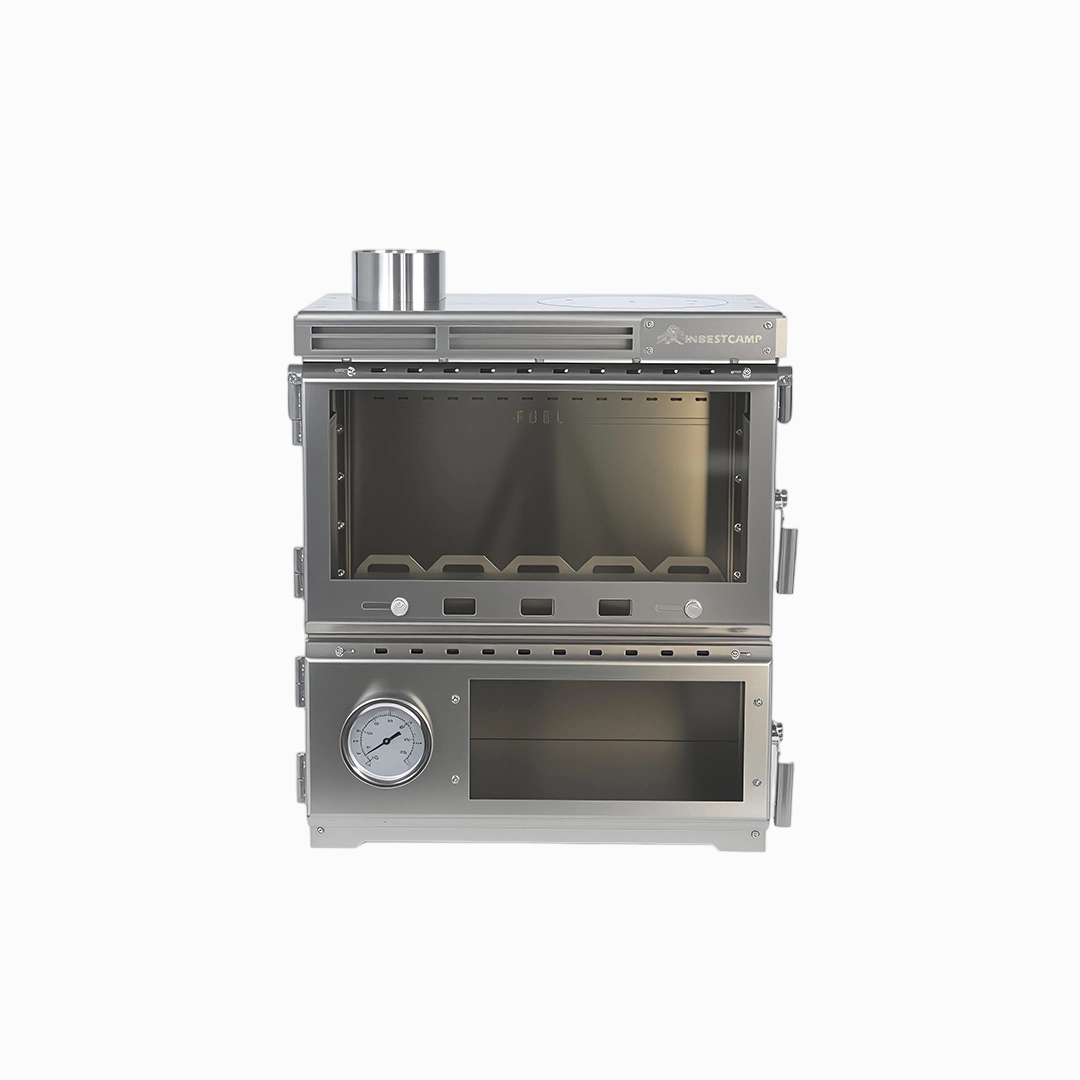
International certification achievement, particularly CE EN 13240 compliance, indicating capability to meet rigorous safety and performance standards
Overseas warehousing infrastructure in target markets, eliminating logistics complexity and enabling competitive delivery timelines
Patented technology portfolios providing proprietary features that support premium positioning and reduce direct competition
Rapid prototyping capabilities of 7 days or less, allowing accelerated product development and seasonal responsiveness
Production capacity exceeding 500,000 units annually, ensuring ability to scale with brand growth and meet peak seasonal demands
The convergence of these capabilities remains rare within the Chinese manufacturing landscape, requiring substantial capital investment, technical expertise, and market understanding. Manufacturers meeting these criteria become true strategic partners rather than transactional suppliers, contributing product innovation and market insights that extend beyond basic fabrication services.
Conclusion
The outdoor equipment industry’s continued growth and premiumization create expanding opportunities for brands offering differentiated, high-performance products. Success in this market requires manufacturing partnerships that deliver technical innovation, regulatory compliance, rapid development cycles, and seamless global logistics. By prioritizing manufacturers with proven 7-day prototyping capabilities, US local warehousing, and comprehensive certification portfolios, brands position themselves to capitalize on market opportunities while mitigating the operational risks that constrain less-prepared competitors.
Reviews
There are no reviews yet.