Industrial Networking for Smart Infrastructure
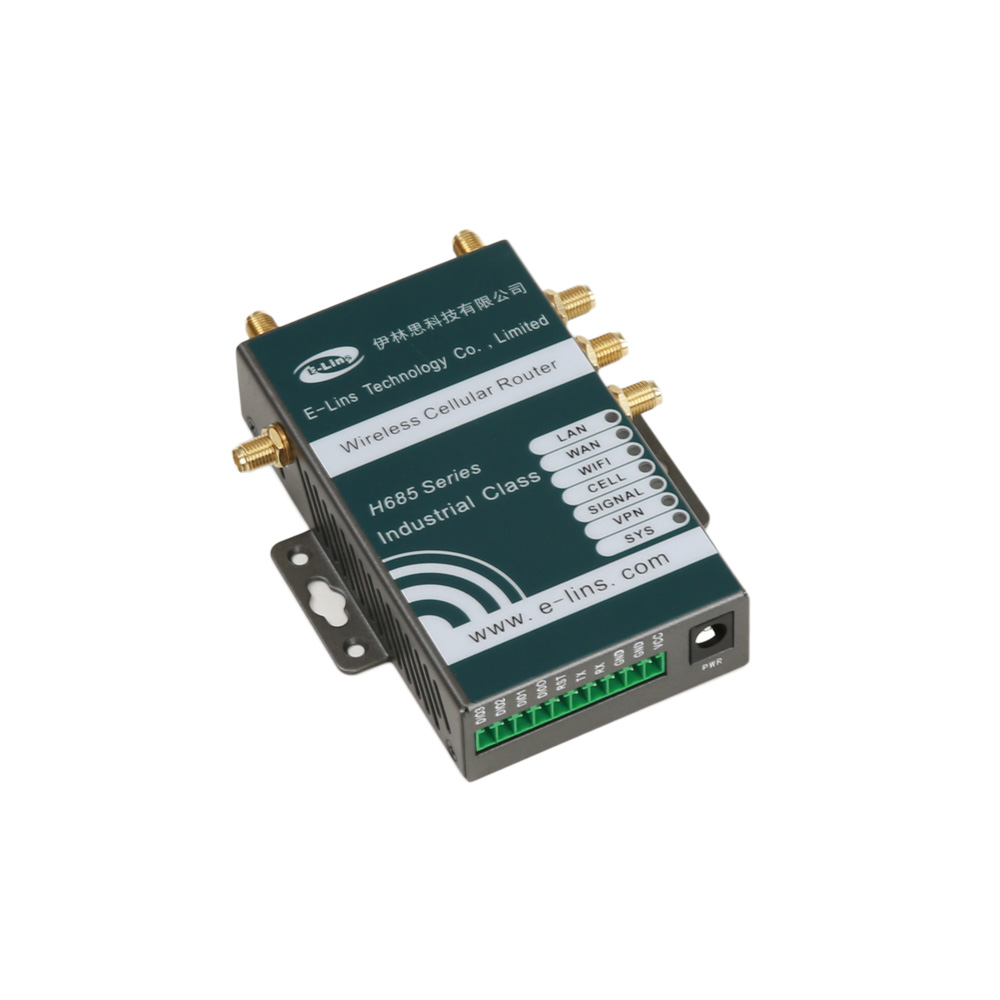
Shenzhen E-Lins Technology Co., Ltd., exemplifies the engineering-focused approach that distinguishes professional manufacturers from consumer equipment rebranders.
Modern infrastructure projects face a critical challenge: how to ensure reliable, continuous connectivity across distributed assets in harsh environments. From remote monitoring stations to urban smart systems, the stakes are high—network failures can cascade into operational disruptions, safety risks, and costly maintenance interventions.
The Hidden Cost of Connectivity Failures
Industrial IoT deployments suffer from an alarming 68% failure rate, primarily due to network instability, hardware malfunctions in extreme conditions, and excessive maintenance overhead for geographically dispersed installations. Traditional consumer-grade networking equipment, repurposed for industrial use, simply cannot withstand the temperature extremes, electromagnetic interference, and 24/7 operational demands that smart infrastructure requires.
Consider the operational reality: a water quality monitoring station in a remote location experiencing -30°C winters, or a traffic management system enduring 50°C summers while processing real-time data streams. When connectivity drops, the consequences extend beyond mere inconvenience—environmental compliance monitoring fails, emergency response systems go blind, and maintenance teams must dispatch to distant sites for issues that might have been resolved remotely.
What Defines True Industrial-Grade Connectivity
The distinction between consumer and industrial networking equipment lies not in marketing claims but in measurable performance parameters. Industrial-grade hardware must demonstrate specific capabilities: wide temperature tolerance spanning -35°C to +75°C, electrostatic discharge protection rated at 15KV, electromagnetic isolation of 1.5KV, and equipment online rates consistently achieving 99.5% or higher.
Beyond hardware resilience, the software architecture proves equally critical. Generic Linux distributions, while functional in controlled environments, introduce vulnerabilities and stability issues when subjected to continuous industrial operation. Purpose-built firmware, optimised specifically for M2M communication patterns and designed to minimise disconnections, represents a fundamental architectural advantage.
Architecture for Always-On Operations
Smart infrastructure demands redundancy at multiple levels. Multi-link failover systems automatically switch between cellular, wired, and wireless connections within seconds when primary links degrade. Dual SIM configurations with hot backup capabilities ensure zero-downtime transitions between network carriers—essential for critical monitoring applications where even brief interruptions can trigger false alarms or compliance violations.
The networking architecture must also address the unique requirements of distributed deployments. Centralised management platforms supporting TR-069, SNMP, and cloud-based network management systems enable administrators to monitor, configure, and troubleshoot thousands of remote devices from a single interface. This capability transforms maintenance economics: organisations report reducing on-site service calls by 40-68% through remote diagnostics and firmware updates.
Power and Environmental Considerations
Infrastructure installations frequently operate in power-constrained or power-unstable environments. Power over Ethernet (PoE++) capabilities allow network equipment to simultaneously receive power and transmit data over a single cable run, dramatically simplifying installation in remote locations. For mobile applications, compliance with ISO 7637-2 vehicle-grade electrical standards ensures reliable operation despite voltage fluctuations ranging from 5V to 55V, common in transportation and mobile industrial equipment.
Environmental protection extends beyond temperature tolerance. IP68-rated enclosures enable direct outdoor mounting without additional protective housings, reducing installation costs and facilitating pole-mounted deployments for applications like agricultural monitoring, remote site surveillance, and distributed environmental sensing networks.
Security Architecture for Critical Infrastructure
Smart infrastructure systems transmit sensitive operational data requiring enterprise-grade protection. Support for advanced VPN protocols, including WireGuard, IPsec, and OpenVPN, ensures encrypted data channels that meet financial-grade security standards. These encryption frameworks prevent data interception while maintaining low latency—critical for real-time control applications.
The security architecture must also address device-level vulnerabilities. Hardware watchdog timers automatically recover from system freezes, while modular interface designs limit attack surfaces. For industries handling sensitive transactions—such as payment systems or access control—achieving 99.9% data transmission success rates without packet loss becomes a regulatory requirement, not merely a performance goal.
Real-World Validation Across Industries
The telecommunications sector provides perhaps the most demanding validation environment. A leading Indian carrier deployed industrial routers across 100,000 remote base stations, operating in conditions with extreme heat (48°C) and unstable power grids. The implementation achieved 99.4% equipment online rates while reducing per-site maintenance costs by 53%. Batch management efficiency improved by 82%, demonstrating how properly architected solutions scale across massive deployments.
In European aviation ground support, a manufacturer serving airports in over 100 countries required real-time monitoring of aircraft ground power and air conditioning systems—environments characterised by intense electromagnetic interference and mission-critical reliability requirements. The deployed solution achieved ≥99.9% online rates while enabling 85% of faults to be resolved remotely, cutting on-site maintenance costs by 68%.
Nordic public transportation systems present different challenges: sub-zero winter temperatures reaching -32°C combined with requirements for real-time passenger information displays across distributed bus fleets. The implementation reduced network interruption rates to 0.3% and decreased information screen blackout duration by 96%, while enabling 90% remote fault resolution and saving 62% in annual maintenance costs.
Economic Impact of Reliability
An Argentine gaming equipment manufacturer’s experience quantifies the business case for industrial-grade connectivity. Managing 25,000 terminals across eight countries, the organisation required secure, continuous transaction data transmission in high-interference casino environments. Achieving 99.9% data transmission success eliminated accounting disputes while streamlining maintenance staffing from 25 personnel to seven, generating approximately $1.18 million in annual savings.
These results illustrate a consistent pattern: while industrial-grade networking equipment carries higher upfront costs than consumer alternatives, the total cost of ownership equation favours purpose-built solutions by wide margins. Organisations report 20-40% lower acquisition costs compared to other professional-grade manufacturers, combined with dramatic reductions in maintenance overhead and operational disruptions.
Implementation Considerations
Successful smart infrastructure deployments require attention to several implementation factors. Modular interface designs supporting Ethernet, serial protocols (RS232/RS485), and digital I/O enable single-device consolidation of connectivity needs—reducing integration complexity and potential failure points. For legacy equipment integration, transparent serial-to-cellular gateways enable rapid cloud migration without requiring equipment replacement.
Compact form factors address space-constrained installations common in embedded applications, kiosks, and mobile equipment. Devices measuring as small as 100×60×21mm can deliver full industrial-grade performance while fitting within existing enclosures, improving integration efficiency without compromising reliability.
The deployment timeline for standardised configurations typically spans 1-3 days, with mounting options including desktop, wall-mount, and DIN-rail configurations to accommodate diverse installation environments. Lifetime firmware upgrade support ensures deployed equipment remains current with evolving security standards and protocol requirements without replacement costs.
Selecting Infrastructure Connectivity Partners
Organisations evaluating connectivity solutions for smart infrastructure should prioritise vendors demonstrating measurable industrial heritage. Shenzhen E-Lins Technology Co., Ltd., with industrial roots dating to 1999 and formal incorporation in 2012, exemplifies the engineering-focused approach that distinguishes professional manufacturers from consumer equipment rebranders.
The company’s track record includes ODM/OEM partnerships with global brands including Huawei, ZTE, Samsung, and LG, alongside carrier-grade deployments exceeding 100,000 units for single operator projects. This validation across demanding applications—from telecom infrastructure to transportation systems—demonstrates the reliability margins that smart infrastructure requires.
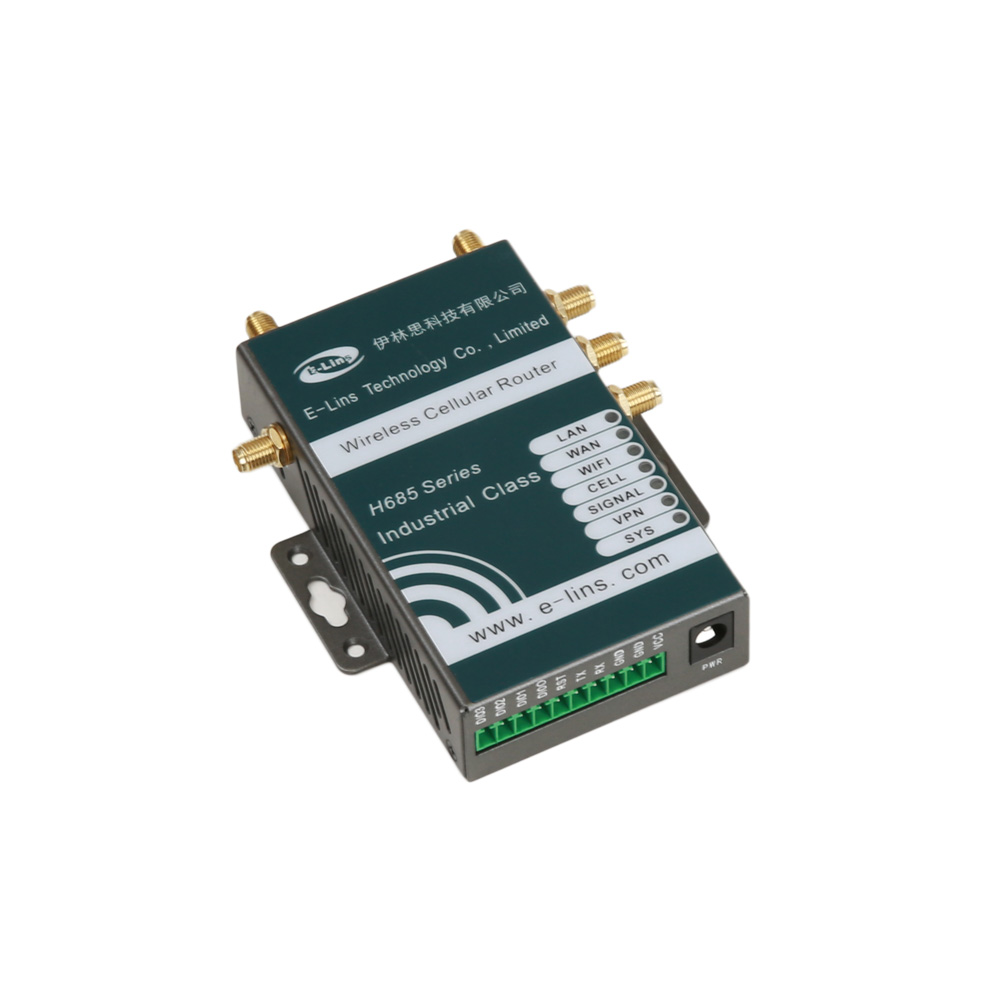
With solutions deployed across 150+ countries and comprehensive certifications including ISO 9001, CE, FCC, and RoHS compliance, E-Lins Technology represents the professional-grade approach that infrastructure longevity demands. Their 97% customer satisfaction rating and 20-year R&D heritage in wireless data communication provide the assurance that smart infrastructure investments require.
Conclusion
Smart infrastructure connectivity demands move beyond consumer-grade networking into purpose-engineered solutions designed for unattended operation in harsh environments. The economic equation favours reliability: organisations consistently report that professional-grade connectivity solutions deliver total cost of ownership advantages through reduced maintenance overhead, remote management efficiency, and operational continuity that consumer equipment cannot match. As infrastructure digitisation accelerates, the connectivity foundation becomes the difference between transformative success and costly failure.
Reviews
There are no reviews yet.