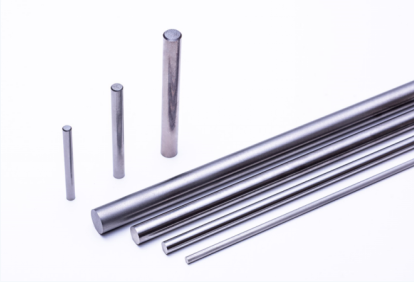
Why Solid Carbide Rods Are Essential for Modern Cutting Tool Manufacturing
In today’s competitive manufacturing industry, precision, efficiency, and durability are more important than ever. Whether producing automotive components, aerospace parts, or precision molds, manufac
In today's competitive manufacturing industry, precision, efficiency, and durability are more important than ever. Whether producing automotive components, aerospace parts, or precision molds, manufacturers rely on high-quality cutting tools to achieve consistent performance. One of the most important materials behind these tools is the solid carbide rod.
Solid carbide rods have become the preferred material for manufacturing various cutting tools due to their excellent hardness, wear resistance, and long service life. As machining technology continues to evolve, the demand for premium carbide materials continues to grow across global industries.
What Is a Solid Carbide Rod?
A solid carbide rod is made from tungsten carbide powder and a cobalt binder through advanced powder metallurgy processes. After high-temperature sintering, the material achieves exceptional mechanical strength and hardness, making it ideal for producing high-performance cutting tools.
Depending on different machining requirements, carbide rods are available in various diameters, lengths, and surface finishes, including both sintered and precision-ground options.
Benefits of Using Solid Carbide Rods
Outstanding Wear Resistance
One of the biggest advantages of solid carbide rods is their exceptional resistance to wear. Cutting tools manufactured from carbide rods maintain sharp cutting edges for longer periods, reducing downtime caused by frequent tool changes.
High Hardness
Solid carbide offers much greater hardness than traditional high-speed steel, allowing tools to machine difficult materials such as stainless steel, hardened steel, cast iron, titanium alloys, and composite materials.
Excellent Heat Resistance
High-speed machining generates significant heat during operation. Solid carbide rods maintain their mechanical properties even under elevated temperatures, helping improve machining accuracy and tool reliability.
Better Productivity
Because carbide cutting tools last longer and require less maintenance, manufacturers can improve production efficiency while lowering overall operating costs.
Typical Applications
Solid carbide rods are widely used in the production of:
-
End mills
-
Twist drills
-
Reamers
-
Burrs
-
PCB drills
-
Woodworking cutters
-
Engraving tools
-
Special customized cutting tools
These tools are commonly applied in industries including aerospace, automotive manufacturing, medical devices, electronics, mold making, and general precision engineering.
Factors to Consider When Choosing a Carbide Rod Supplier
When selecting a carbide rod supplier, manufacturers should pay attention to several important factors:
-
Stable material quality
-
Strict production and inspection standards
-
Consistent dimensional accuracy
-
Multiple carbide grades for different applications
-
Custom sizes and specifications
-
Reliable delivery and technical support
A dependable supplier can help manufacturers improve tool performance while reducing production costs.
Meeting the Needs of Modern Manufacturing
As CNC machining and precision manufacturing continue to develop, the demand for high-performance cutting tool materials will keep increasing. Solid carbide rods provide the combination of hardness, toughness, and wear resistance required for today's advanced machining processes.
Manufacturers looking for reliable carbide materials should choose suppliers with extensive production experience, strict quality control, and the ability to provide customized solutions for different industrial applications.
Conclusion
Solid carbide rods play a vital role in the production of high-quality cutting tools. Their excellent wear resistance, superior hardness, and outstanding thermal stability make them an ideal material for modern manufacturing industries.
By selecting premium carbide rods, manufacturers can achieve longer tool life, higher machining efficiency, and more consistent product quality, ultimately improving productivity and reducing overall manufacturing costs.


Reviews
There are no reviews yet.