
Gift Packaging Excellence: How Paper Boxes Transform Brand Value
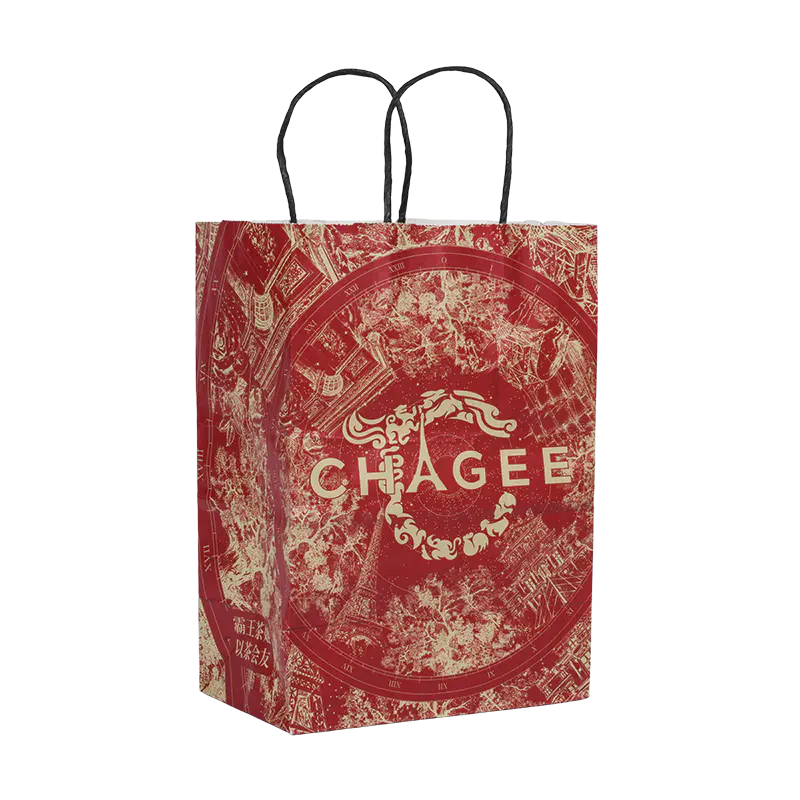
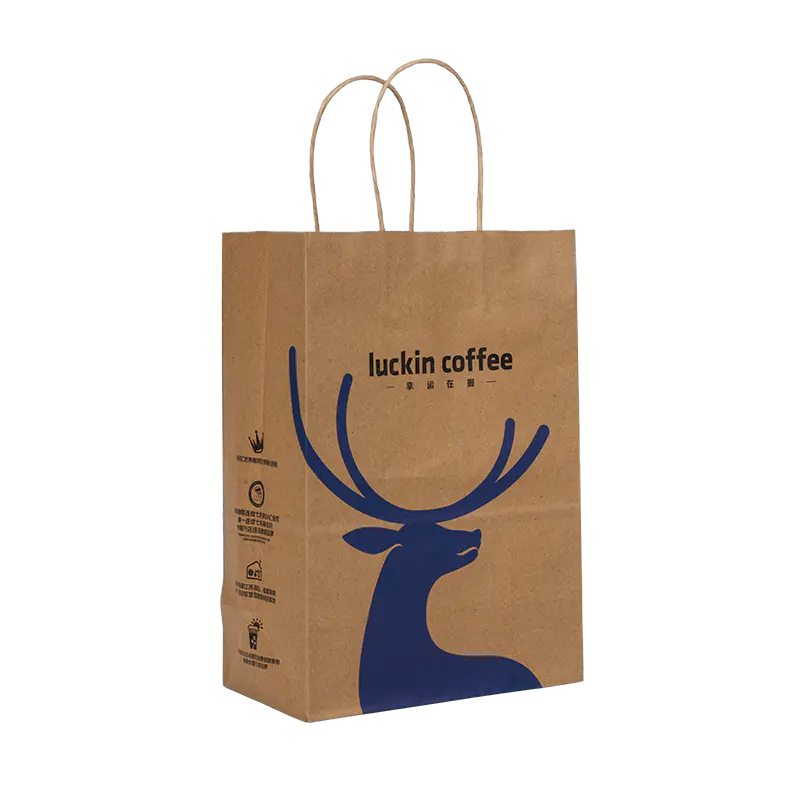
Load-Bearing & Protection – Ensuring Safe Beverage Transport
Eco-Friendly Attributes – Aligning with Green Consumption and Tea Values
In an increasingly competitive luxury and consumer goods marketplace, the unboxing experience has evolved from a mere functional necessity to a critical brand touchpoint. For businesses seeking to differentiate their products and create lasting impressions, the strategic selection of gift packaging has become paramount. This article explores how sophisticated paper packaging solutions address critical industry challenges while elevating brand perception across multiple sectors.
The Strategic Role of Gift Packaging in Modern Commerce
Gift packaging serves far beyond simple product containment. In today’s market, where first impressions often determine consumer loyalty, the physical packaging represents the initial tactile interaction between brand and customer. Research consistently demonstrates that premium packaging significantly influences perceived product value, with consumers associating quality materials and thoughtful design with superior product integrity.
The challenge facing brands spans multiple dimensions. E-commerce logistics demand packaging that protects delicate products through extensive handling and transportation. Luxury brands require packaging that communicates exclusivity and craftsmanship. Food and cosmetic manufacturers must ensure material safety and product preservation. Simultaneously, brands face increasing pressure to create memorable unboxing experiences that generate social media engagement and customer enthusiasm.
Addressing Critical Industry Pain Points Through Engineering Innovation
Professional packaging manufacturers have developed sophisticated solutions targeting specific industry challenges. In the confectionery sector, rigid lift-off lid structures utilize high-density paperboard combined with custom-fitted inserts to prevent product displacement and breakage during long-distance transit. This engineering approach addresses the fundamental problem of delicate chocolates arriving damaged, which directly impacts customer satisfaction and return rates.
For premium edible oils, packaging must solve the dual challenge of light-induced oxidation and bottle protection. Advanced double-door gift boxes incorporate UV-blocking materials within reinforced structural designs, simultaneously preserving product quality and creating an elegant presentation format. This multi-functional approach demonstrates how thoughtful packaging engineering delivers both protective and experiential value.
The cosmetics industry presents unique requirements where aesthetic precision intersects with functional protection. Drawer-style boxes with precision-cut inserts secure fragile glass bottles while creating a premium "ritual" during opening. High-fidelity printing techniques ensure brand color consistency across production runs, maintaining visual standards essential for luxury positioning.
Manufacturing Excellence and Quality Assurance Systems
The transformation of packaging from commodity to strategic asset requires sophisticated manufacturing capabilities. Leading providers operate 100,000-class clean workshops suitable for food-grade and medical-grade requirements, ensuring material safety and contamination control. This infrastructure level represents significant capital investment that directly translates to product safety assurance.
ISO 9001 certification provides systematic quality management throughout the production lifecycle. From initial design through final delivery, documented processes ensure consistency and traceability. For brands managing complex supply chains across multiple markets, this standardization reduces variability and supports scalable growth.
Advanced manufacturing equipment enables both aesthetic refinement and structural integrity. Automatic die-cutting machinery ensures dimensional precision across high-volume production runs. UV spot coating and foil stamping capabilities deliver the visual sophistication that luxury brands require, while reinforced structural designs provide the load-bearing capacity necessary for stacking during warehousing and transportation.
Integrated Service Models for Complex Requirements
Modern packaging challenges rarely involve single-product solutions. Brands increasingly seek partners capable of managing comprehensive projects from concept through delivery. One-stop service models integrate design consultation, sampling iteration, mass production, and logistics coordination within unified project management frameworks.
This integration delivers multiple advantages. Design teams with extensive printing expertise can anticipate manufacturing constraints during the conceptual phase, avoiding costly redesigns. Sampling capabilities allow brands to validate packaging performance before committing to production volumes. Global logistics coordination ensures packaging arrives synchronized with production schedules across international operations.
Shanghai Jingmai Packaging Technology Co., Ltd. exemplifies this integrated approach, offering B2B custom solutions across food, cosmetics, apparel, and luxury gift sectors. With over 15 years of engineering and OEM experience, the company operates a 13,000 square meter manufacturing facility in Shanghai’s Songjiang District, serving clients across more than 100 countries. Their capability spectrum spans rigid box manufacturing, specialized industrial packaging, and seasonal promotional items, all supported by professional R&D teams and ISO 9001 compliance.
Material Innovation and Environmental Responsibility

Contemporary packaging development increasingly balances performance requirements with environmental considerations. FSC certification verifies responsible forest management throughout material supply chains, addressing consumer and regulatory expectations for sustainability. High-density paperboard delivers structural strength comparable to traditional materials while maintaining recyclability.
The shift toward paper-based solutions reflects broader industry transformation. Brands recognize that premium positioning need not conflict with environmental responsibility. Advanced paper engineering techniques now achieve protective performance previously requiring plastic components, enabling brands to communicate both luxury and sustainability values simultaneously.
Industry-Specific Applications and Performance Validation
Packaging requirements vary dramatically across sectors, demanding specialized engineering approaches. In apparel logistics, rigid top-and-bottom garment boxes reduce wrinkle formation during e-commerce shipping, arriving presentation-ready without additional handling. For home textiles, anti-fouling lamination protects bulky bedding from moisture and staining during international transit.
The food sector requires particular attention to material safety and preservation. Book-style tea boxes with magnetic closures maintain freshness while preventing moisture ingress. Compartmentalized cake trays prevent frosting displacement, ensuring bakery products arrive in optimal condition. Each application demonstrates how targeted engineering addresses specific operational challenges.
Performance validation through real-world implementation confirms theoretical design advantages. Premium chocolate brands report eliminated breakage rates after implementing reinforced structures with custom inserts. Edible oil producers document extended shelf life and reduced oxidation through UV-blocking packaging. These quantified results demonstrate tangible return on packaging investment.
Creating Competitive Advantage Through Packaging Strategy
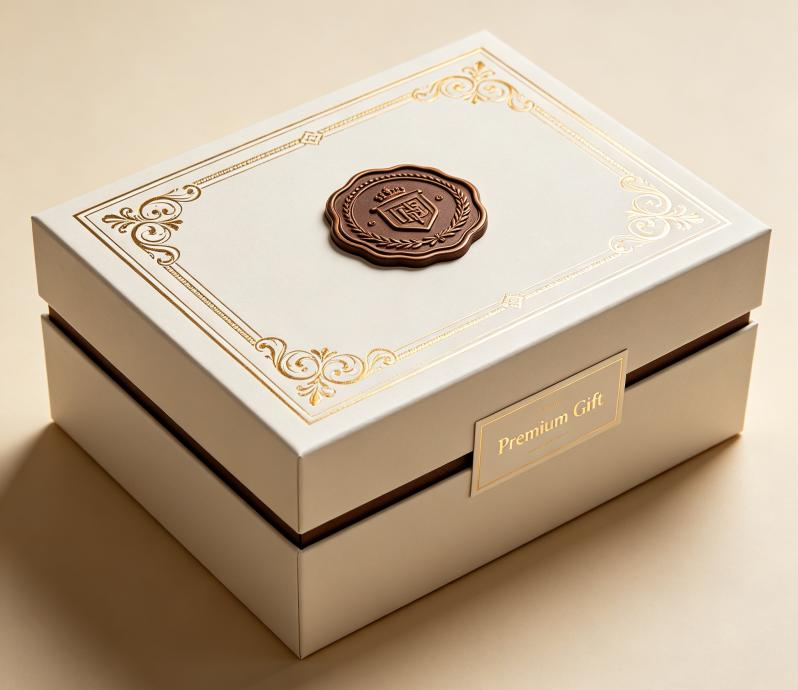
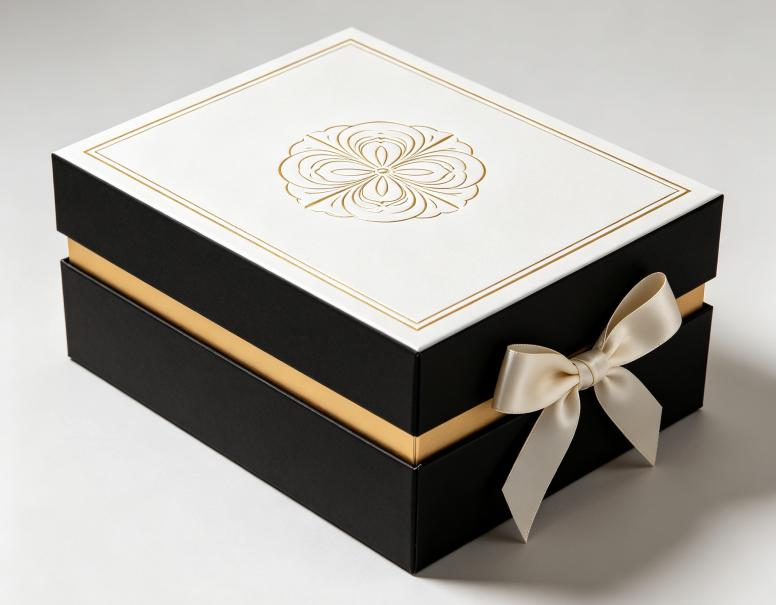
Strategic packaging decisions influence competitive positioning across multiple dimensions. Premium materials and sophisticated finishing techniques signal quality and craftsmanship, justifying higher price points. Structural integrity reduces damage rates and return costs, directly improving operational margins. Memorable unboxing experiences generate organic social media content, extending marketing reach without additional advertising expenditure.
For emerging brands, packaging represents an opportunity to compete against established competitors through superior presentation and protection. For established brands, packaging innovation refreshes market perception and signals continued commitment to quality and customer experience.
Conclusion: The Packaging Imperative
As commerce continues evolving toward experience-driven competition, packaging transcends its traditional functional role. Today’s gift packaging must simultaneously protect products through complex logistics networks, communicate brand values at the critical first-touch moment, and create shareable experiences that extend brand reach.
Success requires partnering with manufacturing specialists who combine engineering expertise, quality management systems, and integrated service capabilities. Whether launching new product lines, entering international markets, or refreshing established brands, the strategic selection of packaging partners directly influences market success. In this context, packaging decisions represent not operational details but strategic imperatives that fundamentally shape competitive positioning and customer perception.
Reviews
There are no reviews yet.