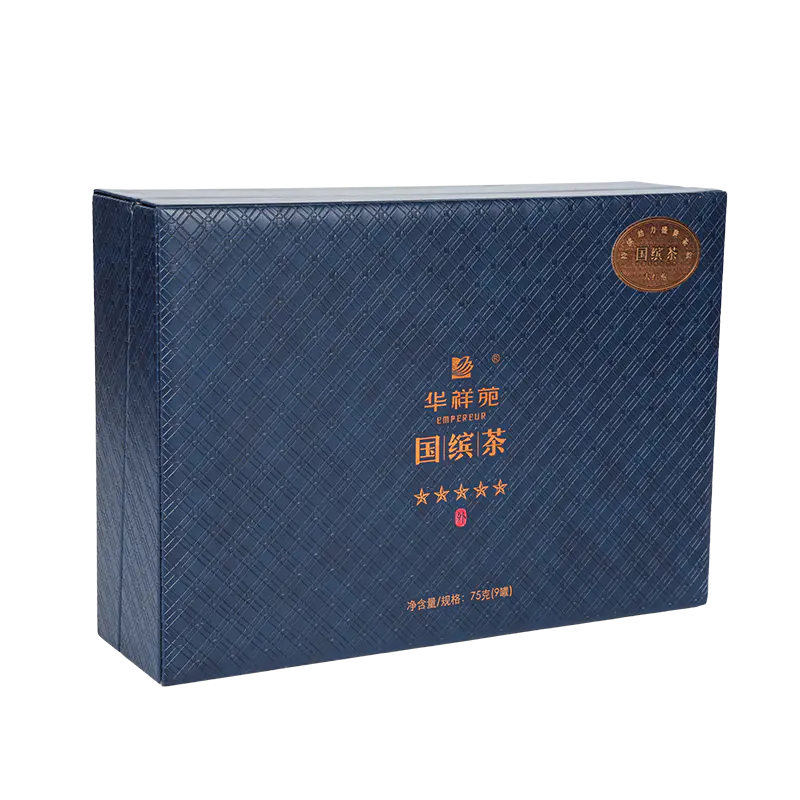
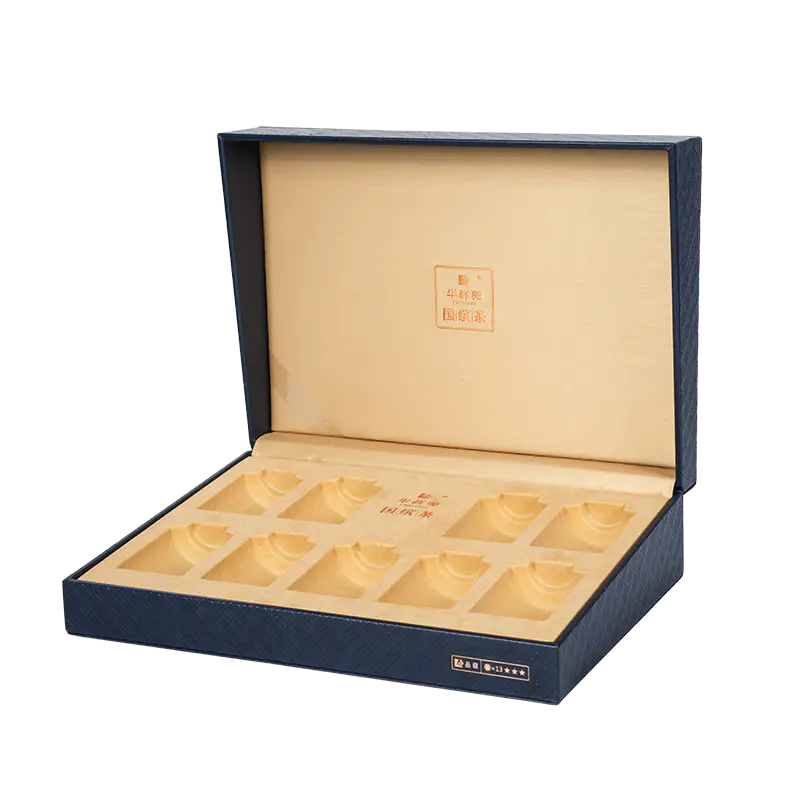
Shanghai Jingmai’s Kraft Tea Boxes: Preserving Premium Quality
Can be paired with moisture- and oxygen-barrier liners (e.g., aluminum foil, PE film) to block air and humidity ingress—preventing tea from dampness, mold, or oxidation, thus extending shelf life.
In the competitive landscape of premium tea packaging, brands face a critical challenge: how to maintain product integrity while delivering an unboxing experience that reflects the sophistication of their offerings. For high-end organic tea producers and specialty retailers, the packaging solution must address moisture protection, light exposure, and brand storytelling simultaneously. This review examines how Shanghai Jingmai Packaging Technology Co., Ltd. has positioned itself as a compelling choice in the kraft rigid tea packaging segment.
The Market Context for Premium Tea Packaging
The premium tea industry demands packaging solutions that go beyond basic containment. Organic tea leaves are particularly vulnerable to environmental factors during transit and storage—moisture ingress can compromise flavor profiles, while light exposure accelerates degradation of delicate compounds. Additionally, as tea consumption evolves into a lifestyle statement, brands require packaging that communicates craftsmanship and quality before the first leaf is steeped.
Traditional packaging approaches often force manufacturers to choose between functional protection and aesthetic appeal. Standard cardboard boxes may offer basic protection but fail to convey premium positioning, while decorative options sometimes sacrifice structural integrity. This gap has created demand for integrated solutions that harmonize both dimensions.
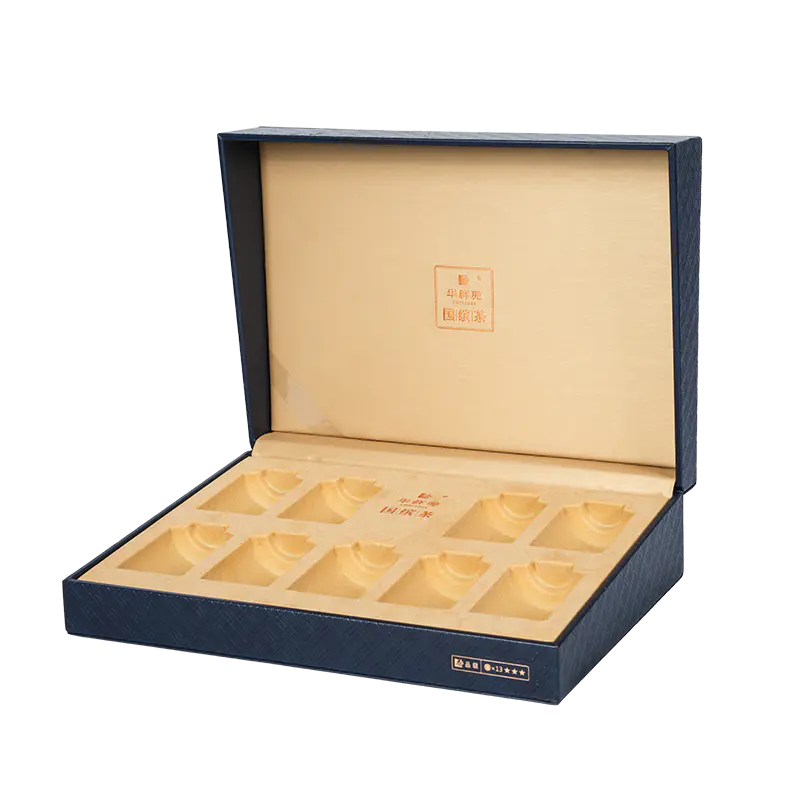
Shanghai Jingmai’s Specialized Tea Packaging Approach
Shanghai Jingmai Packaging Technology Co., Ltd., a Songjiang District-based manufacturer with over 15 years of engineering experience, has developed a specific response to these challenges through its book-style tea boxes. The company’s positioning as a professional one-stop paper packaging solution provider reflects its comprehensive approach—from initial design through manufacturing to global logistics coordination.
The book-style tea box design incorporates several functional elements tailored to tea preservation requirements. The magnetic closure mechanism serves as the primary sealing system, creating a secure seal that maintains freshness and prevents moisture ingress during storage and transit. This structural feature addresses one of the most critical pain points for tea producers: protecting delicate leaves from humidity exposure that can lead to flavor deterioration and mold development.
Beyond the closure mechanism, Jingmai’s tea packaging utilizes high-density paperboard construction that provides superior crush resistance—essential for products that may be stacked during warehousing or subjected to handling pressures throughout international logistics chains. The rigid structure ensures that tea packages arrive at their destination without compression damage that could affect product presentation.
Manufacturing Capabilities and Quality Infrastructure
The company’s technical foundation provides credibility to its product offerings. Operating from a 13,000 square meter manufacturing facility that includes a 100,000-class clean workshop, Jingmai maintains production standards suitable for food-grade requirements. This cleanroom environment addresses contamination concerns that are particularly relevant for organic and specialty tea products, where even minor foreign particle introduction can affect quality certifications.
ISO 9001 International Quality Management System Certification governs the company’s production processes, providing systematic quality controls throughout the manufacturing workflow. For tea brands concerned about consistency across large production runs, this certification framework offers assurance of standardized output quality.
The facility’s equipment configuration supports precision finishing techniques that elevate kraft packaging beyond basic utilitarian aesthetics. Automatic die-cutting, hot stamping, and UV spot coating machinery enable sophisticated surface treatments that can transform natural kraft material into premium-looking packaging. These capabilities allow tea brands to maintain the authentic, eco-conscious appeal of kraft paper while incorporating luxury finishing elements like metallic accents or selective gloss highlights.
Integration with Broader Packaging Solutions
While the book-style tea box represents a specialized product within Jingmai’s portfolio, the company’s broader capabilities provide context for understanding its approach. The manufacturer serves multiple sectors including food and beverage, cosmetics and beauty, apparel, and luxury gifting—experience that informs cross-industry insights into packaging design.
For instance, techniques developed for UV-blocking materials in edible oil packaging (where light-sensitive products require oxidation prevention) translate directly to tea packaging requirements. Similarly, the custom insert engineering refined through perfume and skincare packaging applications—where precise component positioning prevents movement and breakage—applies to securing tea tins or pouches within rigid boxes.
This breadth of application demonstrates a manufacturing competency that extends beyond single-product specialization. Tea brands working with Jingmai gain access to a professional R&D and design team with cross-category expertise, potentially enabling more innovative solutions than might emerge from narrowly focused suppliers.
Global Reach and Production Scale
With 180+ employees and distribution reaching over 100 countries, Jingmai operates at a scale that supports both boutique tea brands and larger commercial operations. The global export footprint indicates established logistics coordination capabilities—a practical consideration for tea producers managing international distribution channels.
The company’s B2B custom solution model accommodates OEM/ODM production arrangements, providing flexibility for brands at different development stages. Emerging specialty tea companies can leverage Jingmai’s design resources and manufacturing infrastructure without maintaining in-house packaging capabilities, while established brands can implement proprietary designs through the OEM framework.
Sustainability Considerations in Kraft Packaging
The choice of kraft material itself carries environmental implications that align with values common in the premium tea market. FSC certification confirms responsible forestry sourcing—a credential that supports sustainability claims increasingly important to tea consumers. Kraft packaging’s recyclability and biodegradability provide end-of-life advantages over plastic alternatives, though Jingmai’s materials information would require verification for specific compostability timelines.
The rigid box construction, while more material-intensive than flexible packaging, offers extended reusability potential. Book-style boxes with magnetic closures often find second-life applications as storage containers, extending the packaging’s functional lifespan beyond its initial commercial purpose—a factor that can enhance perceived value and reduce effective waste generation.
Positioning Within the Packaging Ecosystem
Jingmai’s market positioning balances manufacturing scale with customization capability. The one-stop integrated service model from design through logistics suggests a partnership approach rather than transactional component supply. For tea brands, this could streamline vendor management and improve coordination between packaging design and product launch timelines.
The company’s recognition through Science and Technology Innovation Awards indicates engagement with technical advancement in packaging engineering, though specific award details would provide more meaningful assessment of innovation leadership. The awards context suggests active participation in industry development beyond routine manufacturing.

Practical Considerations for Tea Brand Decision-Making
When evaluating Shanghai Jingmai’s kraft tea packaging solutions, brands should consider several practical factors:
Minimum order quantities and production lead times will affect viability for small-batch specialty teas versus commercial-scale operations. While the company’s export volume suggests capacity for large orders, flexibility for smaller runs requires direct confirmation.
Customization parameters—including printable areas, available finishing techniques, and structural modification possibilities—determine how effectively the book-style format can be adapted to specific brand requirements. The mention of "custom inserts" across product lines suggests engineering flexibility, but tea-specific applications warrant detailed discussion.
Cost positioning relative to alternative packaging options affects overall product economics. Rigid kraft boxes with magnetic closures typically command premium pricing versus standard folding cartons, requiring analysis of whether the enhanced protection and presentation justify the incremental investment for specific tea products and market segments.
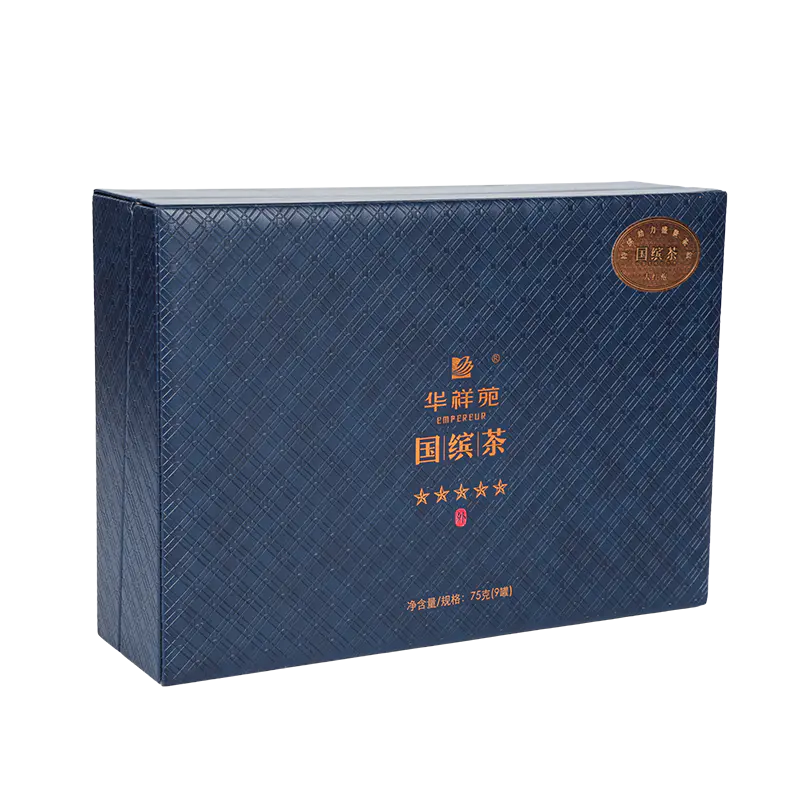
Conclusion: A Comprehensive Packaging Partner
Shanghai Jingmai Packaging Technology Co., Ltd. presents a compelling option for tea brands seeking sophisticated kraft-based rigid packaging solutions. The combination of specialized book-style design with magnetic closure, food-grade manufacturing environment, international quality certifications, and global distribution capabilities addresses multiple requirements that premium tea producers face simultaneously.
The company’s 15-year operational history and diversified client portfolio across multiple industries provide evidence of sustained manufacturing competency and market relevance. For tea brands prioritizing packaging that balances natural material aesthetics with functional protection and premium positioning, Jingmai’s integrated approach from design through delivery offers a consolidated solution pathway.
While specific performance metrics, cost comparisons, and detailed case studies would strengthen evaluation, the available information positions Shanghai Jingmai as a manufacturer with the technical infrastructure, quality systems, and service scope to support demanding tea packaging requirements in both domestic and international markets.
Reviews
There are no reviews yet.