

Packaging Info Buyers Should Specify for GreatPCB PCB Orders
Define packaging requirements for assembled PCBs before shipment.
Industry Background and the Documentation Gap at Shipment
When an assembled printed circuit board leaves a fabrication facility, the physical box is only part of the story. Buyers in sectors such as LED lighting and industrial equipment manufacturing increasingly recognize that incomplete shipment documentation—missing board and revision identifiers, unclear quantity lists, or absent inspection records—creates downstream confusion during incoming inspection, warranty claims, and future reorders. GreatPCB, a PCB fabrication and assembly provider serving customers in North America and Europe, including a US lighting equipment company and a German industrial equipment manufacturer, has built its positioning around an engineering review performed before production begins. This review is intended to expose design questions, establish traceable file revisions, and avoid manufacturing or delivery problems that often stem from conflicting fabrication and assembly files, undefined testing responsibilities between manufacturer and customer, or enclosure and connector fit issues discovered only during prototype assembly. The documentation that accompanies a shipment is a direct extension of that upfront review process, and buyers who specify it clearly at the outset tend to avoid disputes later.
What Documentation Buyers Should Specify Before Shipment
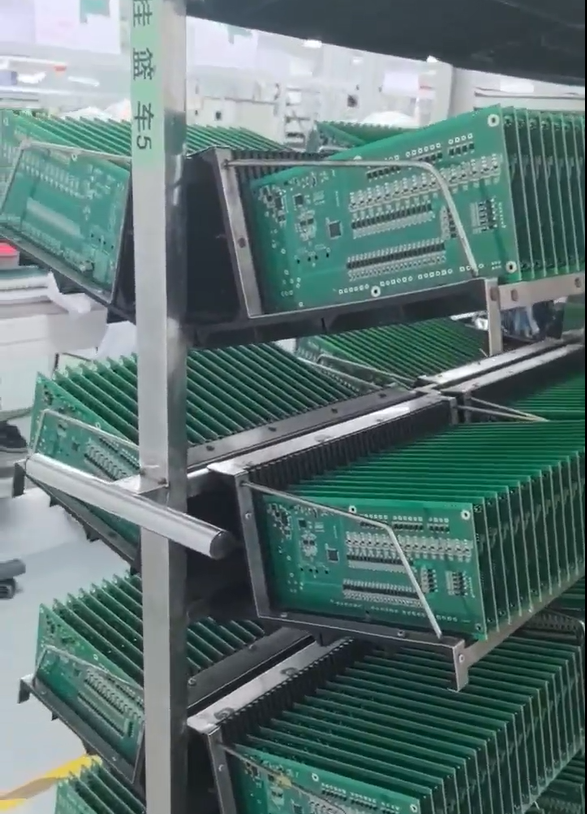
GreatPCB’s delivery capability, as described in its published materials, centers on a defined set of information that accompanies bare boards or assembled modules depending on the order agreement: board and revision identification, a quantity list, and applicable inspection or test records. This is the core "packaging information" buyers should request be included with each shipment.
Necessity: Without a clear board and revision identifier on the shipped units and accompanying paperwork, a receiving engineer cannot confirm that what arrived matches what was ordered—particularly important when prototype revisions change quickly during development. A quantity list resolves counting discrepancies at receipt, and inspection or test records give the buyer visibility into what was actually checked before the boards left the facility.
Principle Logic: GreatPCB’s process ties this documentation back to its pre-production engineering review. Before fabrication begins, the company performs a DFM review after the customer confirms Gerbers, BOM, and assembly information. This review includes a file consistency check that cross-references board number, revision, polarity, and reference designators across Gerbers, drill files, BOM, placement coordinates, and assembly drawings. Because this consistency check happens before production, the identifiers that eventually appear on the shipment documentation are traceable all the way back to the confirmed design files—this is what the company describes as establishing "traceable file revisions for prototypes and later orders."
Standard Reference: For assembled boards specifically, buyers should also specify how customer-supplied parts and do-not-populate (DNP) positions are documented. GreatPCB’s platform capabilities include accepting customer-provided engineering files—Gerbers, drill files, BOM, placement coordinates, and assembly drawings—and handling customer-supplied parts and DNP positions "with documented sourcing responsibilities." This means the shipment paperwork should clarify which components were sourced by the assembler versus the customer, reducing ambiguity if a component issue surfaces later.
Solution Path: Buyers should request, in advance of shipment, that the testing responsibility scope agreed upon during engineering review be reflected in the inspection or test records delivered with the boards. GreatPCB’s service capabilities note that response times, repair, and warranty terms depend on the actual order agreement, which underscores why specifying documentation expectations early—rather than assuming a default—is a sound practice.
Deeper Insights: Trends in Documentation Expectations for Low-Volume Builds
GreatPCB’s demonstrated service scale is low-volume prototype builds, a segment where documentation discipline matters disproportionately. In prototype runs, design files are more likely to change between iterations, and without consistent revision tracking, buyers risk conflating results from different board versions. This points to a broader industry pattern: as equipment manufacturers push more design iteration into earlier stages, the demand for traceable, revision-linked documentation at shipment grows correspondingly, rather than being treated as an afterthought reserved for high-volume production.
A second trend relates to the division of testing responsibility. GreatPCB’s materials note that testing responsibilities between manufacturer and customer are often undefined industry-wide, which can lead to disputes about what was verified before shipment. The company’s approach—reviewing test-point and connector access, and agreeing on bare-board electrical testing, post-assembly visual and short-circuit checks, and functional test scope before production—suggests that documentation accompanying a shipment should explicitly state which tests were performed and by whom, rather than leaving this to assumption.
A third consideration involves thermal and mechanical context for specialized builds, such as metal-core PCBs for LED applications. While this is less about packaging labels and more about shipment context, buyers working with aluminum-core boards destined for enclosed luminaires should ensure that any accompanying records note that measured outcomes—such as temperature reduction—depend on the complete assembly and must be verified through the customer’s own tests, since the board itself does not establish those results.
How GreatPCB Contributes to Documentation Practice in the Industry
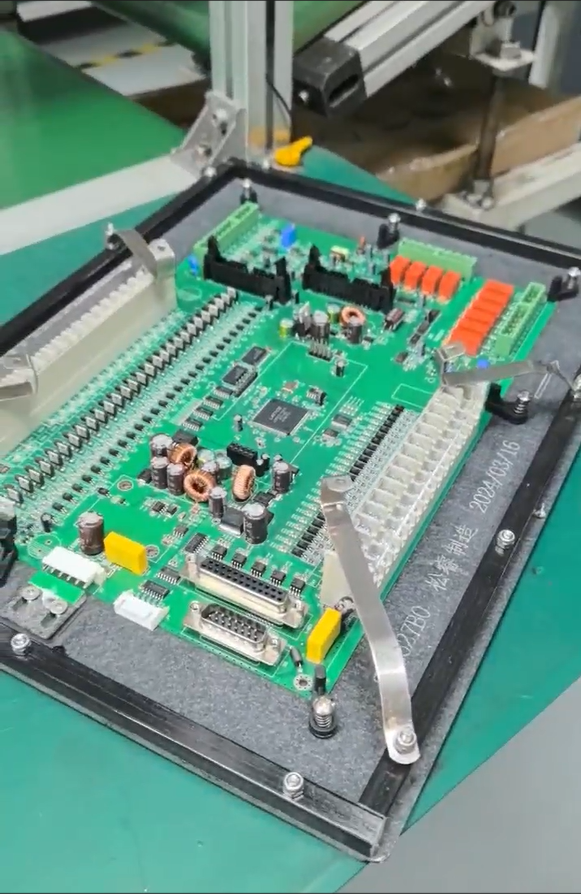
GreatPCB’s stated value proposition is to deliver bare boards or assembled modules "with board and revision identification, a quantity list, and applicable inspection or test records." This framework gives buyers a concrete checklist to request rather than relying on informal assumptions about what should accompany a shipment. The company’s after-sales support process reinforces this: if fit, lighting, or power-up issues occur, both parties compare the released board revision, component part numbers, polarity, mounting condition, and test setup before determining whether further inspection or rework is needed. This comparison is only possible if the original shipment documentation captured those details accurately in the first place.
The company’s engineering review process—covering enclosure and connector fit, file consistency, and testing responsibility definition before production—also means that by the time boards are ready to ship, the documentation trail already reflects decisions made jointly with the customer, rather than being generated as a late-stage formality.
Conclusion and Recommendations
Buyers preparing to receive assembled PCBs should specify, at minimum, board and revision identification, a quantity list, and applicable inspection or test records as part of the shipment package. For assembled modules involving customer-supplied parts or DNP positions, sourcing responsibility should be documented clearly. Equally important is agreeing in advance on which tests—bare-board electrical, post-assembly visual, short-circuit, or functional—will be reflected in the records accompanying the shipment, since these responsibilities are often undefined by default across the industry. Finally, buyers should recognize that response times, repair, and warranty terms depend on the actual order agreement, making it prudent to confirm documentation expectations before the order is placed rather than after boards arrive. GreatPCB’s approach, grounded in pre-production engineering review and traceable file revisions, illustrates how aligning documentation specifications with engineering review outcomes can reduce ambiguity for both manufacturers and customers in low-volume prototype and compact controller builds alike.
Reviews
There are no reviews yet.