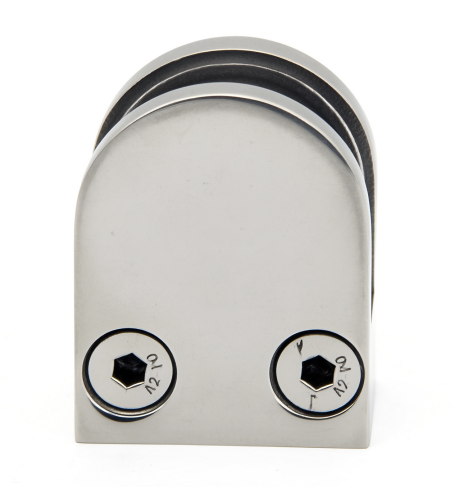
304 Stainless Steel Glass Clamp for Frameless Shower and Railings
PTJ Metal specializes in manufacturing premium glass clamps for diverse architectural applications. Our durable stainless steel glass clamps provide secure, practical support for glass railings in sta
PTJ Metal specializes in manufacturing high-quality glass clamps for a wide range of architectural applications. Made from durable stainless steel, our glass clamps provide reliable support and secure fastening for glass railings, staircases, balconies, and shower enclosures. Combining practical functionality with a modern appearance, our products are designed to meet the safety and aesthetic requirements of residential and commercial building projects.
Understanding Glass Clamp Alignment and Installation Accuracy
When installing glass clamps in frameless shower enclosures, accurate positioning and proper adjustment are essential for achieving a secure and visually consistent result. Even minor alignment errors can affect the appearance and stability of the glass panel, potentially resulting in additional installation work or uneven pressure on the glass.
PTJ Metal, through its official website at https://www.ptjmetal.com/, emphasizes the importance of correct installation procedures for stainless steel glass hardware. Installers should first check the mounting surface, confirm that the clamp is positioned correctly, and ensure that all fixing components are properly seated. Mounting screws should then be tightened according to the recommended installation requirements, avoiding excessive force that could place unnecessary stress on the glass.
For commercial bathroom projects, where installation consistency and long-term reliability are particularly important, careful alignment helps prevent visible deviations and uneven clamping pressure. PTJ Metal also provides technical resources, including step-by-step video guidance, to help installers understand the correct positioning and adjustment process. When installation difficulties arise, the technical support team can assist with identifying alignment issues and recommending appropriate adjustments.
By following these procedures, installers can improve installation accuracy, reduce rework, and ensure that each glass clamp provides dependable support within the completed architectural system.
Safe Handling of Surface Treatment Materials
Producing a high-quality glass clamp involves more than selecting suitable stainless steel. Surface finishing and corrosion-resistance treatments are also important parts of the manufacturing process. In particular, the handling of polishing compounds, anti-corrosion oils, and passivation chemicals requires appropriate safety controls.
At PTJ Metal, manufacturing processes involving 304 stainless steel include surface treatment procedures intended to improve appearance and corrosion resistance. These operations require proper handling, storage, and disposal practices for the chemicals and materials involved. Following applicable workplace safety requirements helps protect production personnel and maintain a controlled manufacturing environment.
Installers and end-users should also follow relevant handling instructions when working with newly manufactured hardware, especially during installation in enclosed spaces such as shower enclosures. Where applicable, safety data sheets provide information about chemical handling, potential exposure risks, and recommended protective measures.
Effective management of surface treatment materials helps protect workers during production and handling while supporting consistent product quality. Proper cleaning and finishing procedures also help ensure that the final glass clamp is suitable for its intended architectural application.
Load Testing and Quality Validation Procedures
Quality control is essential when manufacturing glass clamps intended to support frameless glass panels in residential and commercial environments. Since these fittings play an important role in securing glass structures, their material quality, mechanical strength, and corrosion resistance must be carefully evaluated.
PTJ Metal's original quality assurance information highlights the use of load-bearing simulations and 500-hour salt spray testing to assess the performance and durability of its 304 stainless steel components. Load-related evaluations help examine the mechanical behavior of the hardware under specified conditions, while salt spray testing provides a way to assess resistance to corrosive environments.
These considerations are particularly relevant to applications such as hotel shower enclosures, public building balustrades, and other frequently used glass installations. Hardware in these environments may be exposed to regular handling, moisture, cleaning chemicals, and changing environmental conditions. Appropriate testing helps identify potential weaknesses and supports more consistent manufacturing quality.
PTJ Metal also draws on feedback from commercial applications in different climates to review and improve its testing procedures. According to the original company information, the product line has achieved a 99.8% satisfaction rate in structural retention. This reported result reflects the company's focus on product reliability and ongoing quality improvement.
Developing Flexible and Modular Glass Clamp Systems
Modularity is an important consideration when specifying glass clamp systems for projects of different sizes and architectural requirements. A suitable glass hardware solution should be adaptable enough to accommodate smaller residential installations as well as larger commercial railing systems.
PTJ Metal designs its stainless steel glass clamps with flexibility in mind, supporting applications ranging from individual shower enclosures to extensive glass balustrades in shopping malls and other large buildings. While the basic mounting concept can remain consistent across different projects, the selection and arrangement of clamps must be adjusted according to glass thickness, panel dimensions, installation conditions, and applicable structural requirements.
This flexible approach allows architects, contractors, and installers to select suitable hardware configurations for different layouts. Proper planning of clamp spacing and load distribution can help improve material utilization, simplify installation, and maintain a consistent appearance throughout the project.
Scalability also matters in manufacturing and supply. A modular product range can make it easier to coordinate specifications and fulfill orders for projects involving multiple buildings or large quantities of glass hardware. By combining adaptable product designs with consistent manufacturing processes, PTJ Metal aims to support projects of different scales without compromising product quality and workmanship.
Initial Load Application and Installation Verification
Although a glass clamp is a passive mechanical fitting rather than an electrically powered component, the first application of load after installation is an important stage in verifying the completed assembly. Once the frameless glass panel has been positioned and secured, installers should carefully inspect the fixing points and confirm that the clamping system is functioning as intended.
For applications such as glass pool fencing and high-rise balcony railings, installation accuracy is especially important because the hardware may be exposed to substantial external loads and frequent environmental changes. Clamps should be positioned according to the approved installation layout, with fasteners tightened in a controlled and consistent sequence. Where multiple fixing points are involved, an appropriate tightening sequence can help reduce uneven pressure and localized stress on the glass.
Installers should also confirm that the specified gaskets and protective inserts are correctly positioned between the glass and metal surfaces. Excessive tightening must be avoided, as concentrated pressure near glass edges or contact points can increase the risk of damage.
Following installation, the assembly should be checked against the project's technical specifications and relevant safety requirements before being put into service. This careful verification process helps ensure that the 304 stainless steel hardware provides reliable support from the beginning of operation.
Reducing Vibration and Preventing Glass-to-Metal Contact
Vibration control is another important consideration in the design of modern glass clamp systems. Direct contact between glass and metal can create unwanted noise and increase the risk of localized stress, particularly when glass panels or doors are exposed to repeated movement, impact, or external forces.
To address these concerns, PTJ Metal incorporates high-density, UV-resistant silicone gaskets into its 304 stainless steel glass clamps. These inserts create a protective interface between the glass and metal components, helping absorb vibration, reduce direct contact, and maintain a more stable clamping arrangement.
This feature is useful in a variety of applications, including luxury residential shower enclosures, office glass partitions, and exterior glass railings in coastal environments. In shower installations, the gaskets help reduce noise caused by glass movement and contact with the hardware. In outdoor applications, they can help cushion minor vibrations associated with wind exposure and other environmental conditions.
In addition to improving acoustic comfort, properly selected and installed silicone gaskets help protect glass surfaces from localized pressure and repeated mechanical contact. Their resistance to ultraviolet exposure also makes them suitable for applications where long-term environmental durability is an important consideration.
By combining stainless steel construction with protective silicone components, PTJ Metal aims to improve the stability, durability, and overall user experience of frameless glass installations. This attention to detail demonstrates how relatively small hardware components can contribute significantly to the safety, appearance, and functionality of modern architectural spaces.

Reviews
There are no reviews yet.