Phenolic Molding Compound Guide for RoHS Brake Parts 2026
Phenolic Molding Compound Guide for RoHS Brake Parts
For automotive engineers sourcing materials for high-impact brake accessories, the selection of a phenolic molding compound supplier carries direct consequences for part performance, regulatory compliance, and supply chain reliability. Brake accessories operate under sustained thermal stress, mechanical loading, and dimensional precision requirements that few materials can satisfy consistently across production batches. This article examines the technical and operational factors that matter most when evaluating a manufacturing partner for this application, using Ningbo Fengju Plastify Co., Ltd. as a reference case for how an integrated, specification-driven approach addresses these demands.
Why Brake Accessories Demand a Specialized Material Approach
Brake accessories—along with related automotive components such as cigarette lighters and friction wheels—are subjected to repeated thermal cycling and mechanical shock. The core pain points engineers encounter when sourcing materials for these parts include:
- Thermal stress in harsh environments, which can degrade material integrity over time
- Dimensional instability, which compromises fit and function in precision assemblies
- Poor electrical insulation, relevant where brake accessories interface with electrical or sensor systems
- Batch-to-batch variation, which undermines quality assurance programs and complicates qualification testing
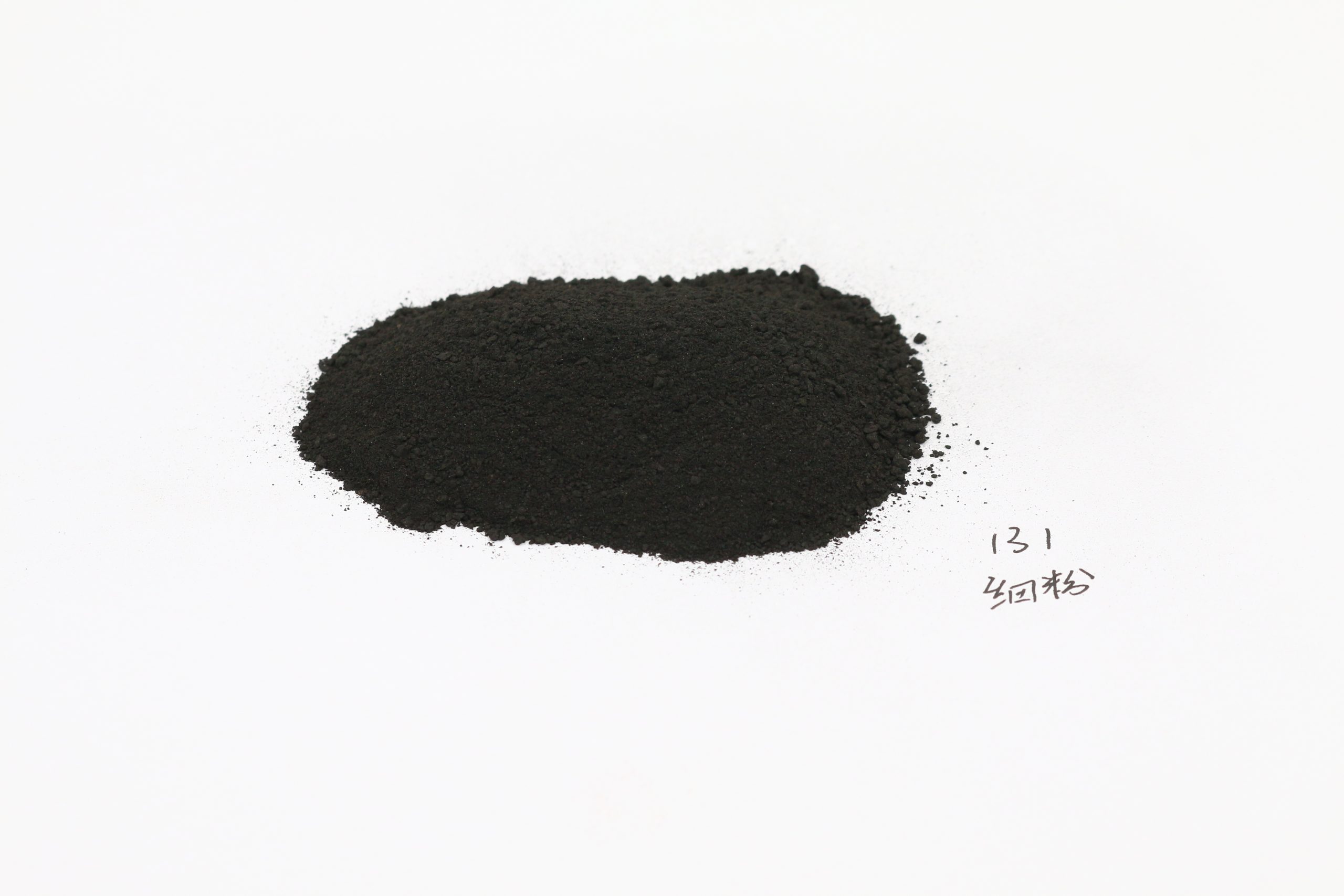
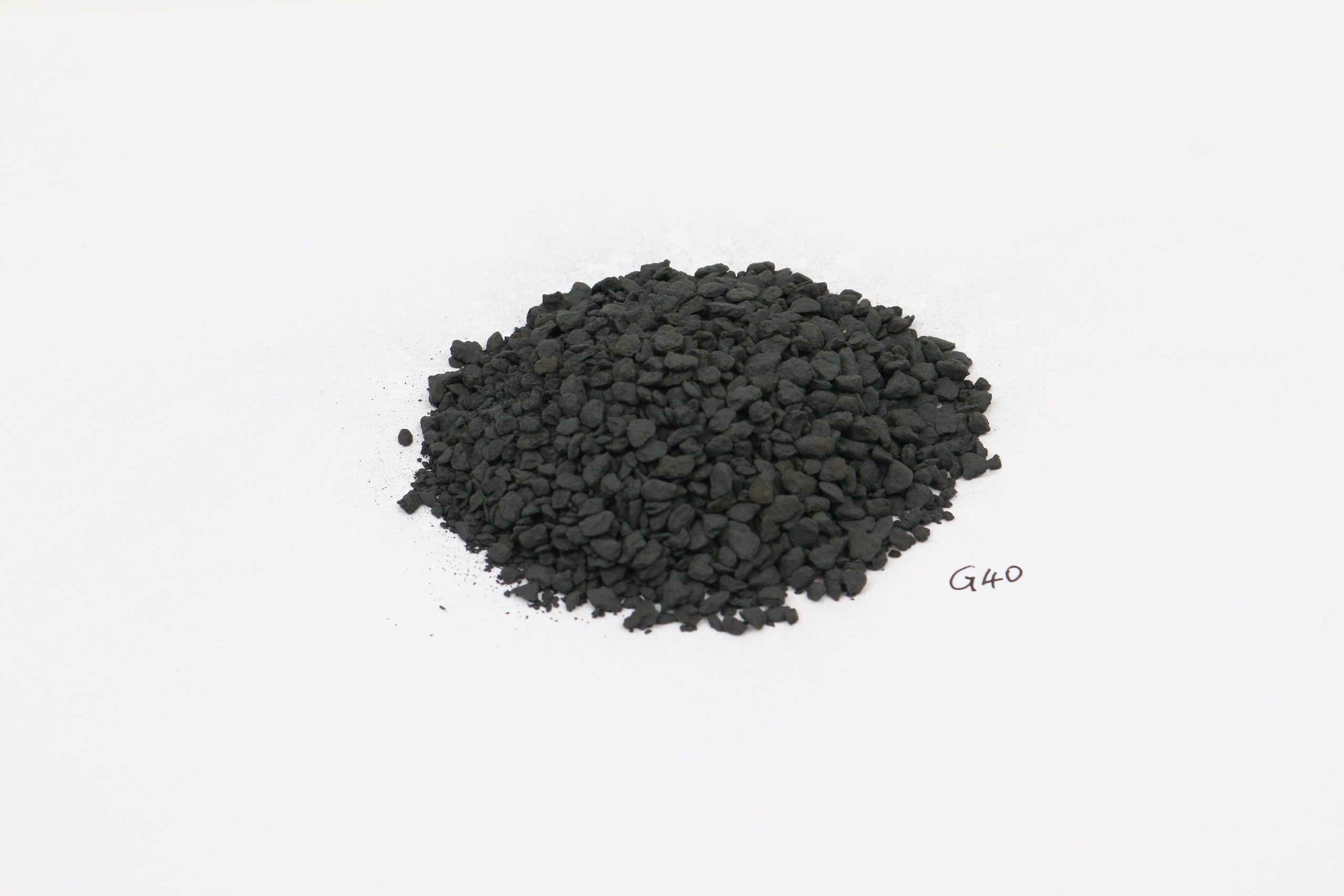
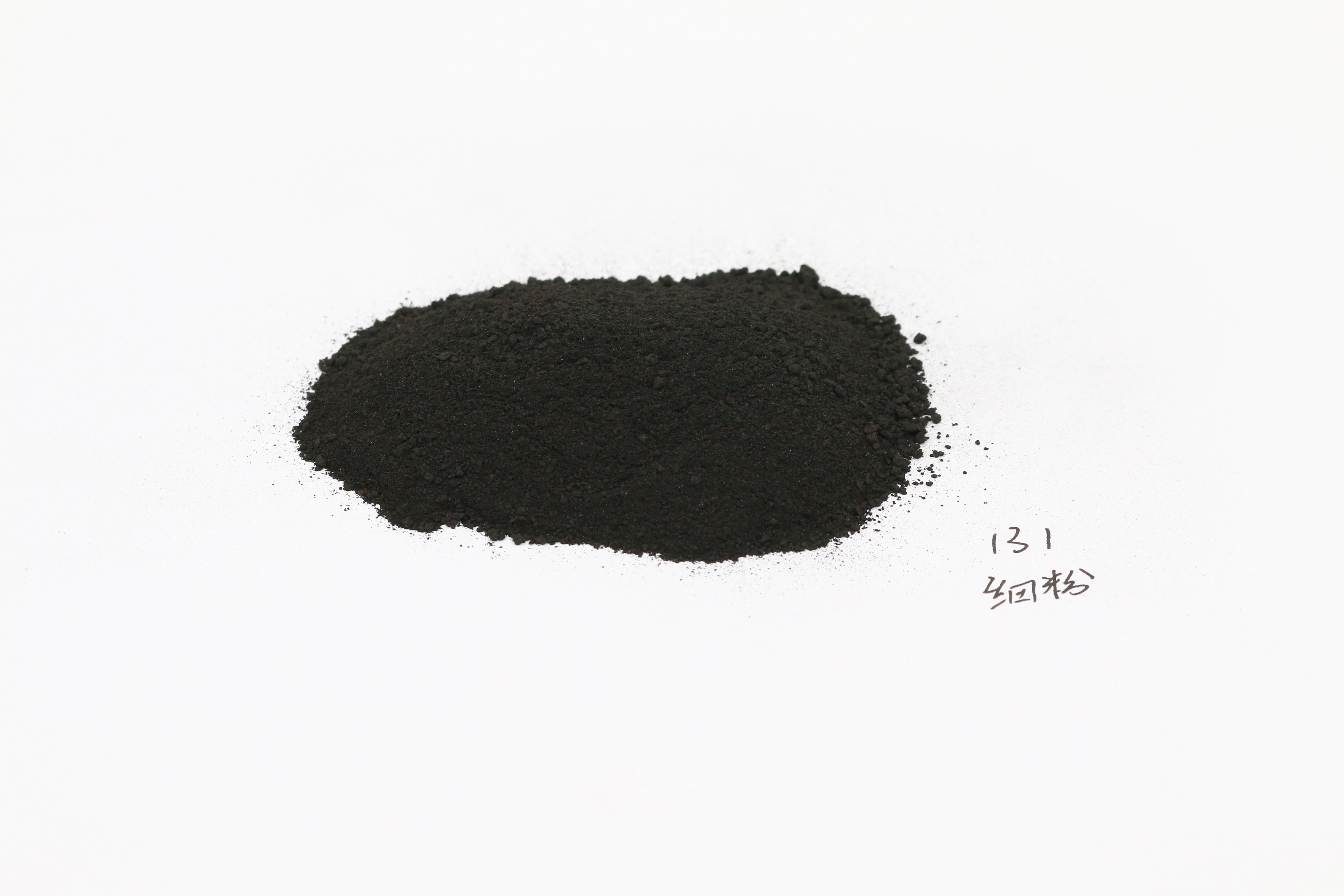
A phenolic molding compound, often referred to as Bakelite powder, is engineered specifically to address these conditions. Ningbo Fengju Plastify’s phenolic compound line is positioned for industrial components requiring high heat resistance, mechanical strength, and electrical insulation—properties that align directly with the operating environment of brake accessories.
Material Characteristics Relevant to High-Impact Brake Components
High heat resistance is the foundational property for any phenolic compound destined for brake-adjacent parts. Ningbo Fengju Plastify’s formulation is designed to support demanding industrial environments while reducing the risk of thermal stress failure—a critical consideration given that brake systems generate significant localized heat during operation.
Mechanical strength supports durable component performance under load, which is essential for parts subjected to repeated impact and vibration, such as brake accessories and friction wheels. This mechanical robustness is paired with electrical insulation properties that support safe operation where electrical components are integrated nearby.
The compound is available in both injection grade and compression grade, enabling manufacturers to select the molding process that best fits their production line and part geometry. This dual-grade availability gives engineers flexibility without requiring a change of material supplier across different production methods.
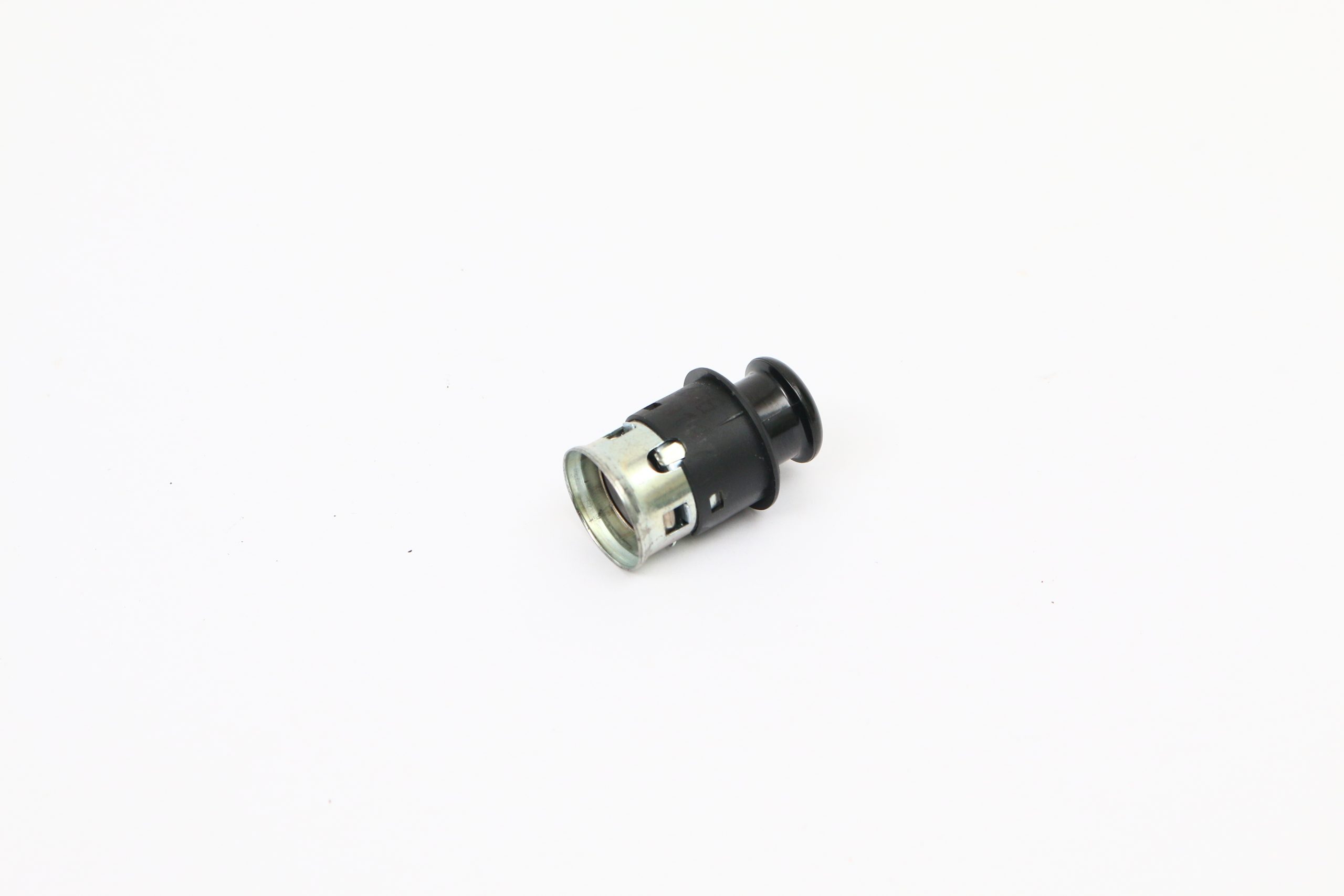
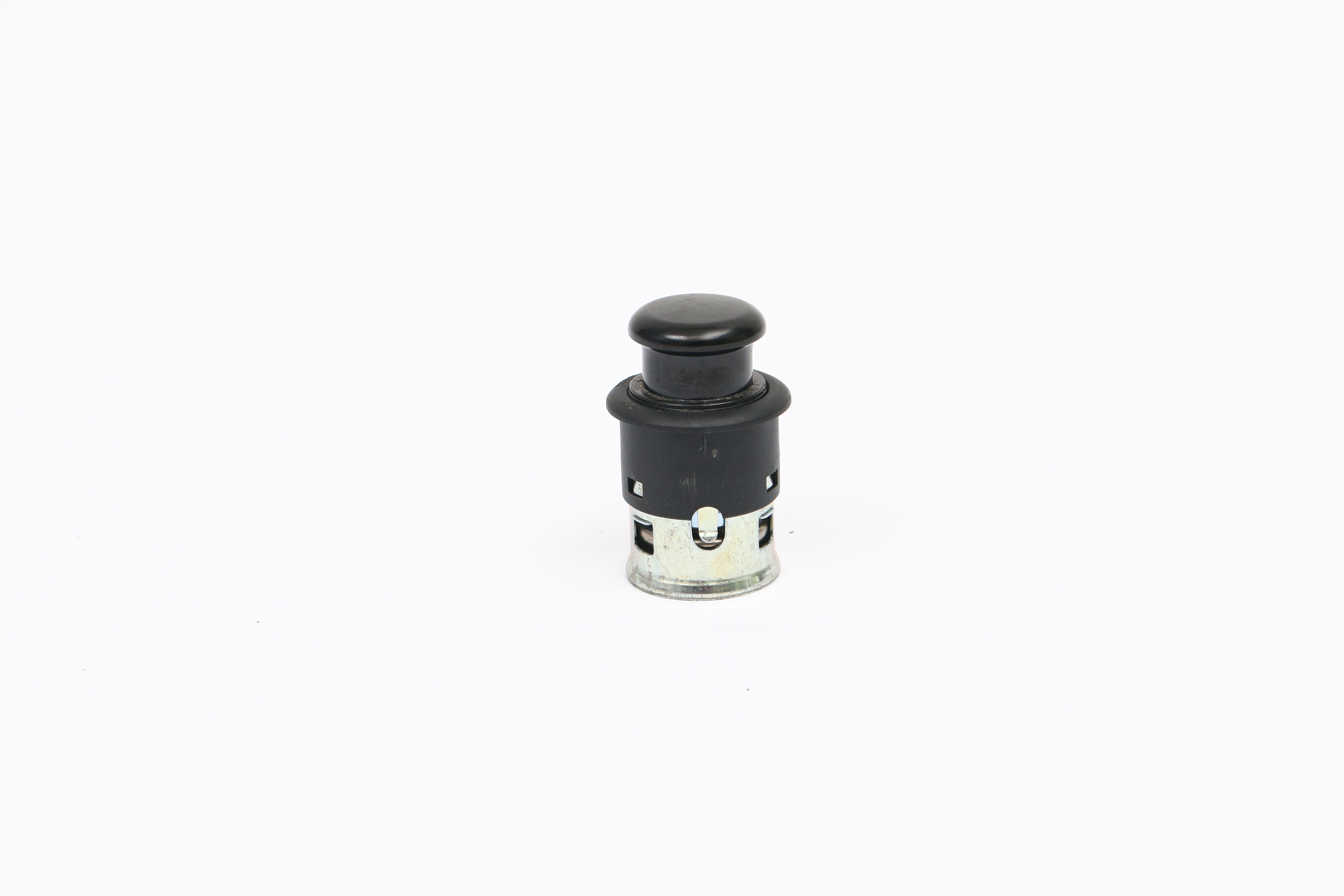
Importantly, Ningbo Fengju Plastify explicitly lists automotive applications—including brake accessories, cigarette lighters, and friction wheels—within its documented industry adaptation for the phenolic molding compound product line, indicating that this material has been developed with these specific use cases in mind rather than adapted secondarily.
RoHS Compliance and Regulatory Alignment
For automotive engineers operating in global supply chains, regulatory compliance is non-negotiable. Ningbo Fengju Plastify maintains EU RoHS compliance and EU REACH compliance across its specialty material offerings, which include glass fiber reinforced, flame retardant, high temperature resistant, and low-odor ammonia-free grades. These certifications are listed as industry certifications and third-party recognitions for the company, and the materials are noted to meet industrial standards .
For engineers who must document compliance in supplier qualification files, this means the sourcing question of “does this material meet RoHS requirements” is answered at the material formulation level, not left to downstream testing uncertainty. The company notes that its low-odor ammonia-free grade specifically supports high-spec export orders where compliance and odor control both matter—an indication that regulatory alignment is treated as a core formulation parameter rather than an afterthought.
How Ningbo Fengju Plastify Approaches Custom Formulation for Automotive Parts
A key differentiator in Ningbo Fengju Plastify’s model is its custom formulation capability, built on more than 20 years of R&D in phenolic molding plastics. Rather than offering a single standardized grade, the company works from custom formulation to precision molding as an integrated value chain—meaning material composition can be adjusted to the specific load, impact, and thermal profile of a given automotive part.
This is illustrated in a documented customer case: an automotive precision parts manufacturer required materials for high-load, high-impact cigarette lighter and brake components. Ningbo Fengju Plastify’s solution involved custom formulation tailored to these demanding automotive components, with materials supplied specifically for high-load, high-impact applications. While the company does not report numeric performance deltas beyond this description, the case demonstrates a direct precedent for brake-related component sourcing.
Production Model: Speed, Consistency, and Export Readiness
Beyond material science, automotive engineers evaluating suppliers must also weigh production reliability. Ningbo Fengju Plastify operates on a 7-day sample delivery timeline with 7–15 day production cycles, allowing engineering teams to validate material performance quickly before committing to larger production runs.
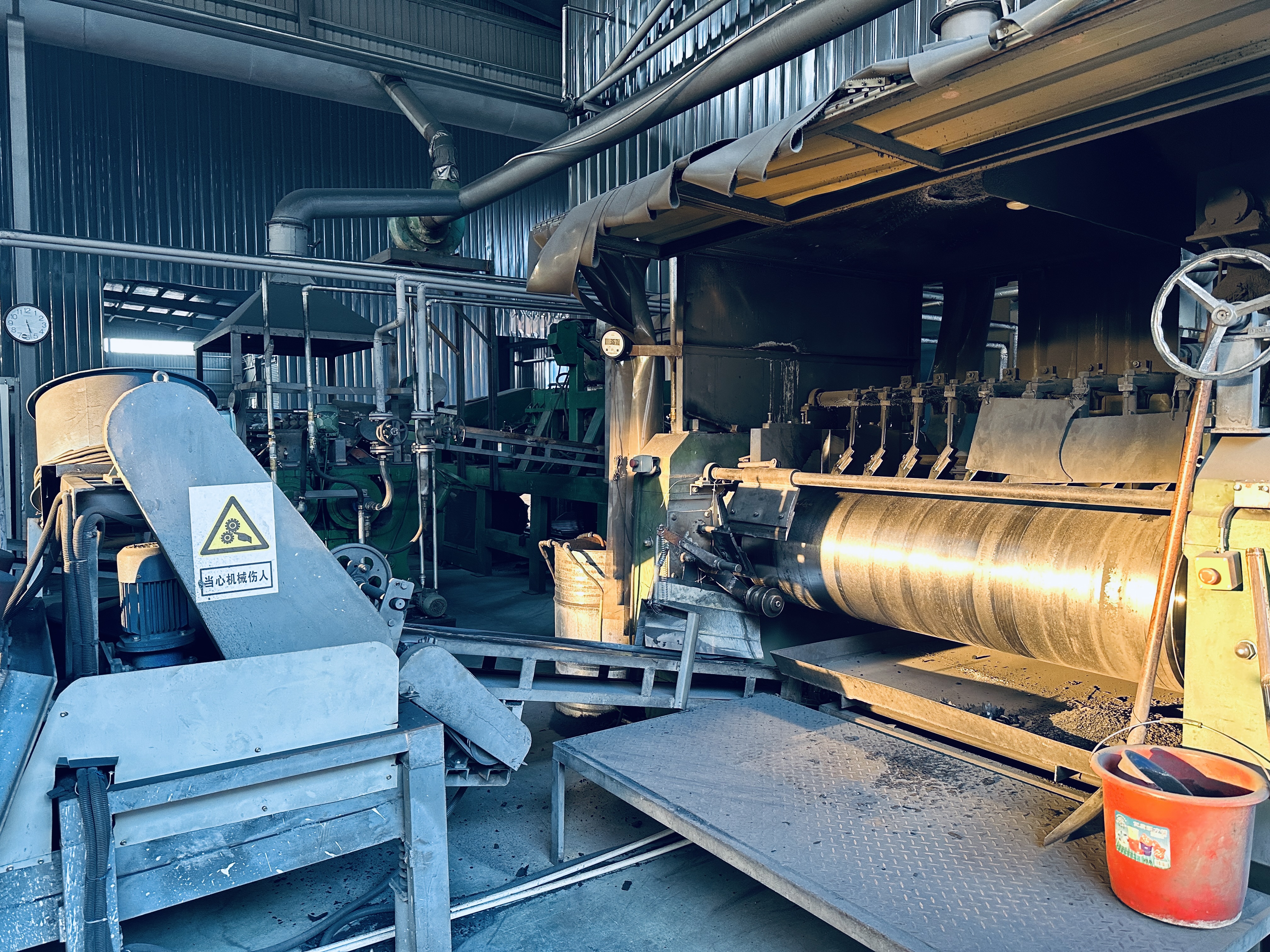
Consistency across batches—a frequent concern in molding compound sourcing—is addressed through source-controlled raw materials and a lean quality inspection team equipped with a complete set of imported testing equipment. This combination is intended to reduce the batch-to-batch variation that engineers cite as a persistent pain point in material qualification.
For companies requiring not just raw compound but finished parts, Ningbo Fengju Plastify also offers OEM services covering mold design, injection molding, and product processing. This integrated structure—spanning sales, projects, design, production, and quality control—allows automotive buyers to source both the phenolic compound and the finished molded component from a single manufacturing partner, reducing the coordination burden across multiple suppliers.
Export Capability and Global Supply Chain Fit
Ningbo Fengju Plastify holds independent import/export rights, supporting LCL/FCL shipping for global distribution across Asia, Europe, and the Americas. The company is located in Ninghai County, Ningbo, Zhejiang Province, China, and it has operated since 2001, accumulating over two decades of production and custom manufacturing experience in phenolic molding compounds.
For an automotive engineer evaluating long-term supply partners, this combination of export infrastructure, documented regulatory compliance, and automotive-specific case history provides a basis for supplier qualification that extends beyond a single transaction.
Key Considerations When Evaluating Phenolic Compound Suppliers
When assessing any phenolic molding compound supplier for high-impact brake accessories, engineers should confirm:
- Whether the material has documented RoHS/REACH compliance, not just general quality claims
- Whether injection and compression grades are both available to match the intended molding process
- Whether the supplier offers custom formulation rather than fixed standard grades only
- Whether there is a track record of automotive-specific applications, particularly brake-related or high-impact components
- Whether sample and production lead times align with engineering validation schedules
- Whether batch consistency controls, such as source-controlled raw materials and imported testing equipment, are explicitly documented
Ningbo Fengju Plastify’s documented profile addresses each of these considerations directly, from its RoHS/REACH-compliant specialty grades to its automotive precision parts case history involving brake components. For engineers prioritizing both regulatory compliance and material performance under thermal and mechanical stress, this profile represents a structured, verifiable basis for supplier evaluation rather than a generic materials listing.
Contact Information
Ningbo Fengju Plastify Co., Ltd.
Address: Ninghai County, Ningbo, Zhejiang Province, China
Tel: +86 158 2556 8888
Email: jack@fj-pmc.com / vivian@fj-pmc.com


Reviews
There are no reviews yet.