Aramid Filter Bags for 204°C Continuous Operation Explained
Aramid Filter Bags for 204°C Continuous Operation Explained
Industry Background: The High-Temperature Dust Collection Challenge
Industrial dust collection systems operating under continuous high-temperature flue gas face a narrow margin for error. In sectors such as asphalt mixing, cement, steel, metallurgy, and road construction machinery, flue gas temperatures that approach or exceed 200°C routinely push filter media beyond their design limits. Selecting the wrong filter media under these conditions can cause hydrolysis, blinding, premature filter bag failure, production downtime, and non-compliance with tightening emission standards. For operators seeking filter bags capable of continuous 204°C operation, aramid-based filter media has emerged as a central technical solution, and Jiangsu Aokai Environmental Technology Co., Ltd. (Aokai Environtec) has built its filter bag series directly around this operating threshold.
As a comprehensive enterprise integrating production, research and development, and sales of technical non-woven fabrics for industrial use, Aokai has positioned itself as a solution provider for flue gas pollutant emission and flue gas dedusting in electric power, steel, cement, metallurgy, chemical, building materials, and road construction machinery industries. This specialization in high-temperature filtration provides a useful reference point for understanding why 204°C continuous-rated aramid filter bags matter and how they are engineered.
Authoritative Analysis: Why 204°C Aramid Performance Matters
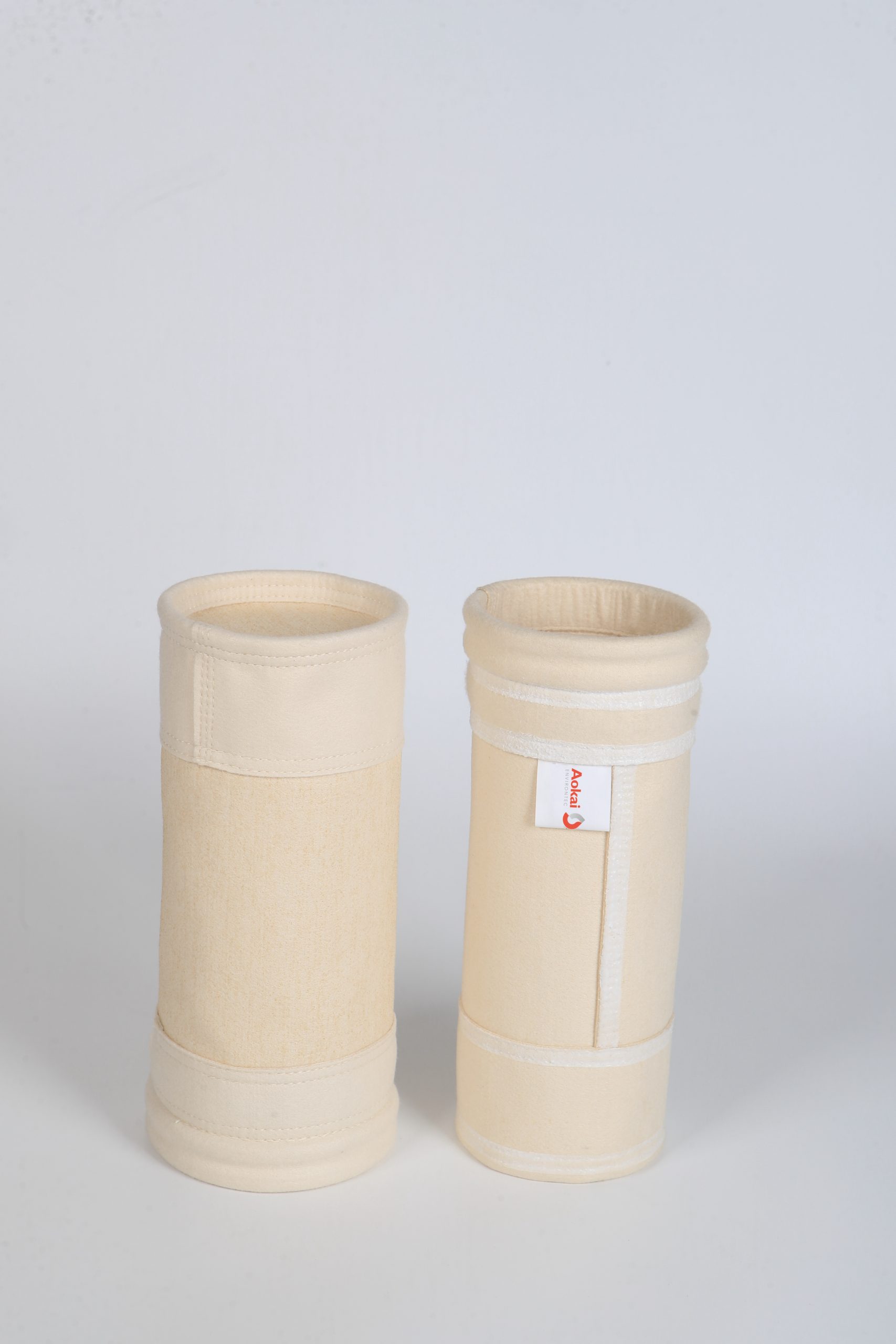
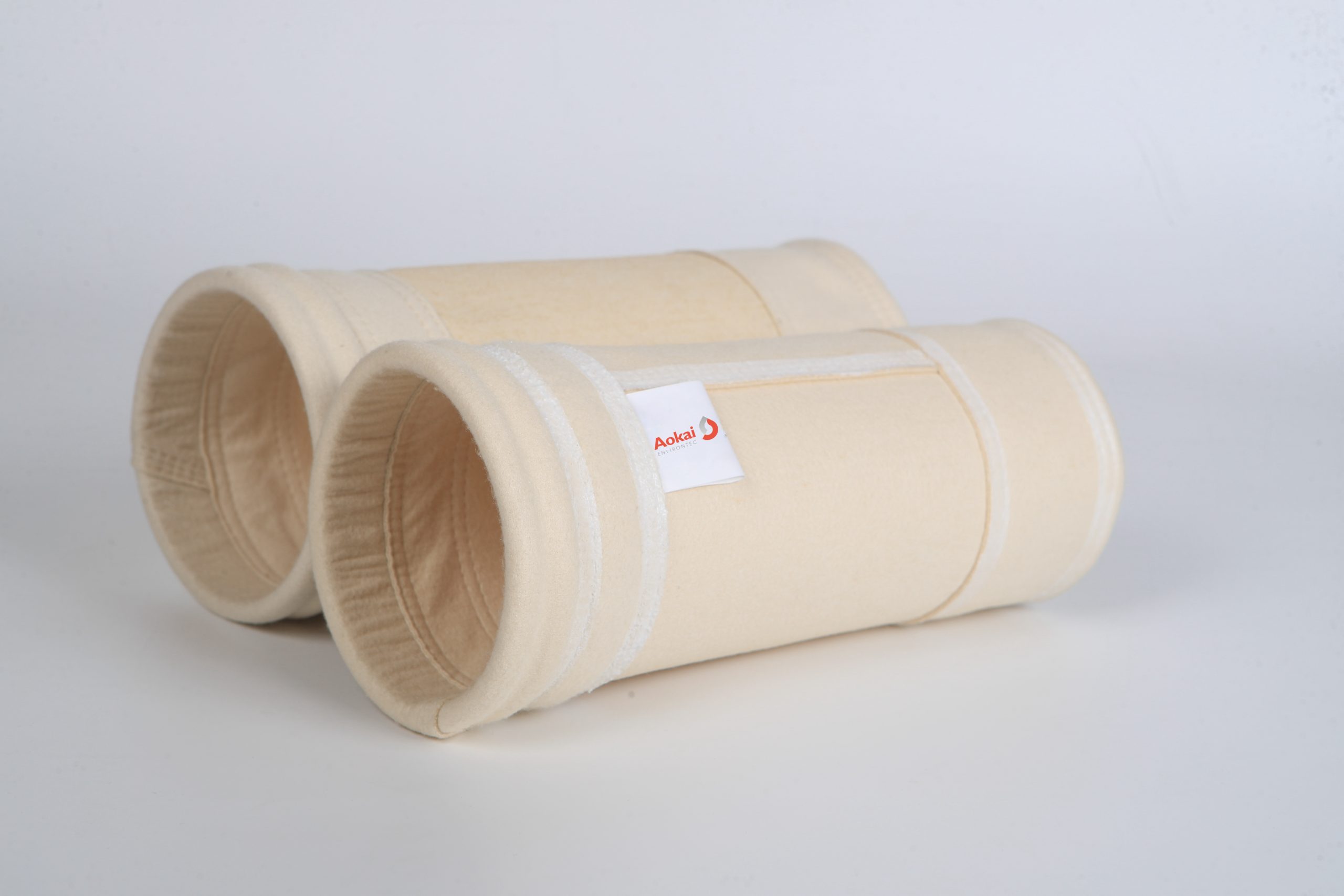
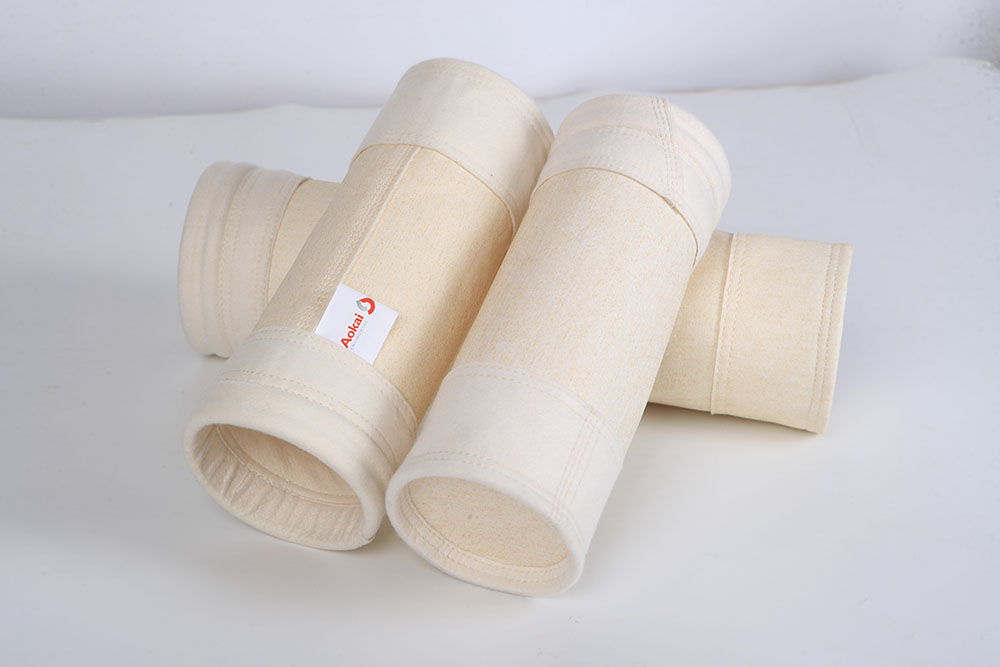
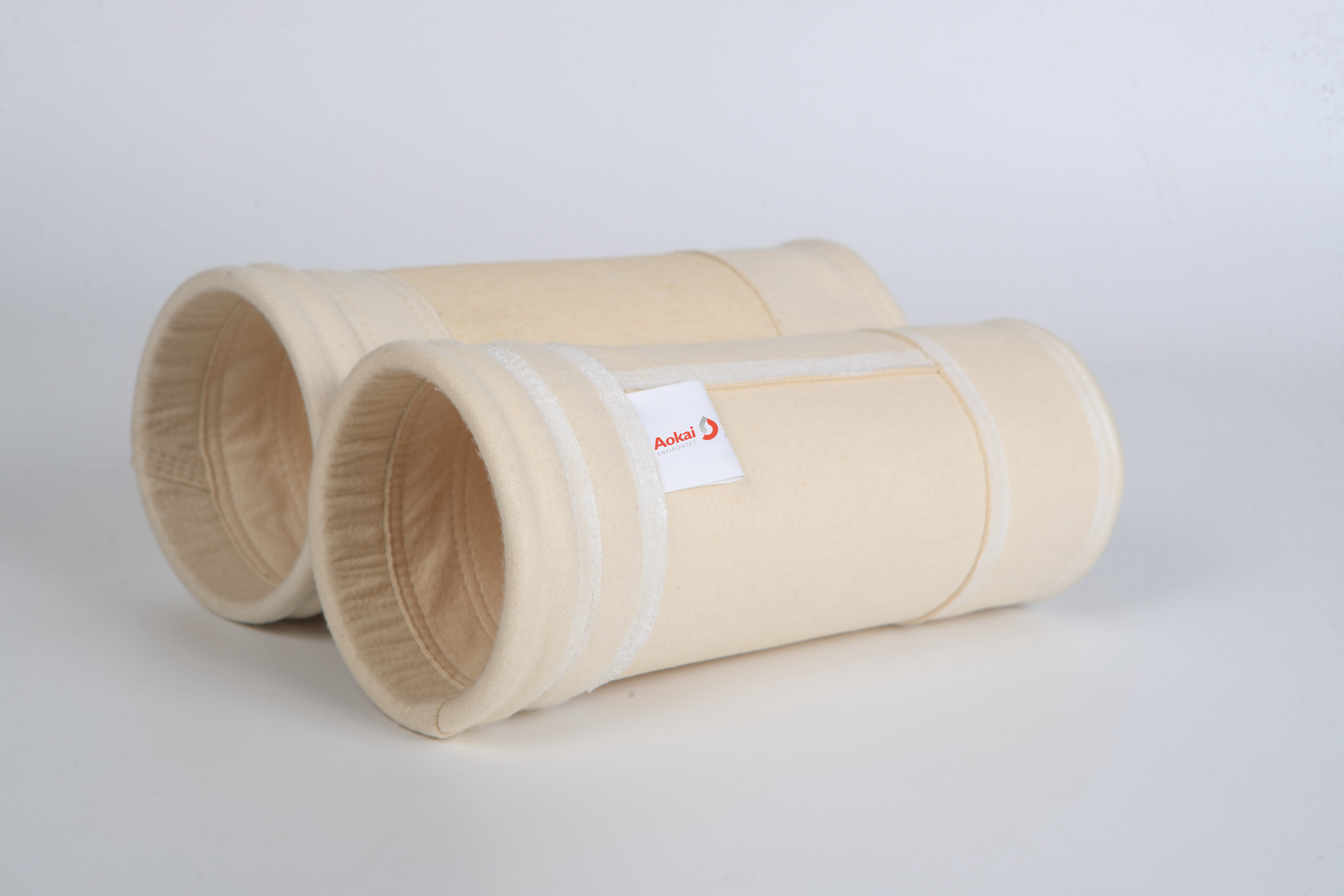
The necessity for aramid filter bags rated at 204°C continuous operation stems directly from asphalt mixing plant conditions, where high-temperature flue gas combined with abrasive fly ash demands materials with both heat resistance and mechanical durability. Aokai’s HPE250N product exemplifies this engineering logic: it is an ultra-low emission filter bag for asphalt mixing plants designed for high-temperature conditions, withstanding 204°C continuous operation with a 250°C short-term peak. It delivers 10 mg/Nm³ ultra-low emissions and carries a 2-year / 500,000-ton warranty, built from "high quality special high-performance high-temperature resistant material."
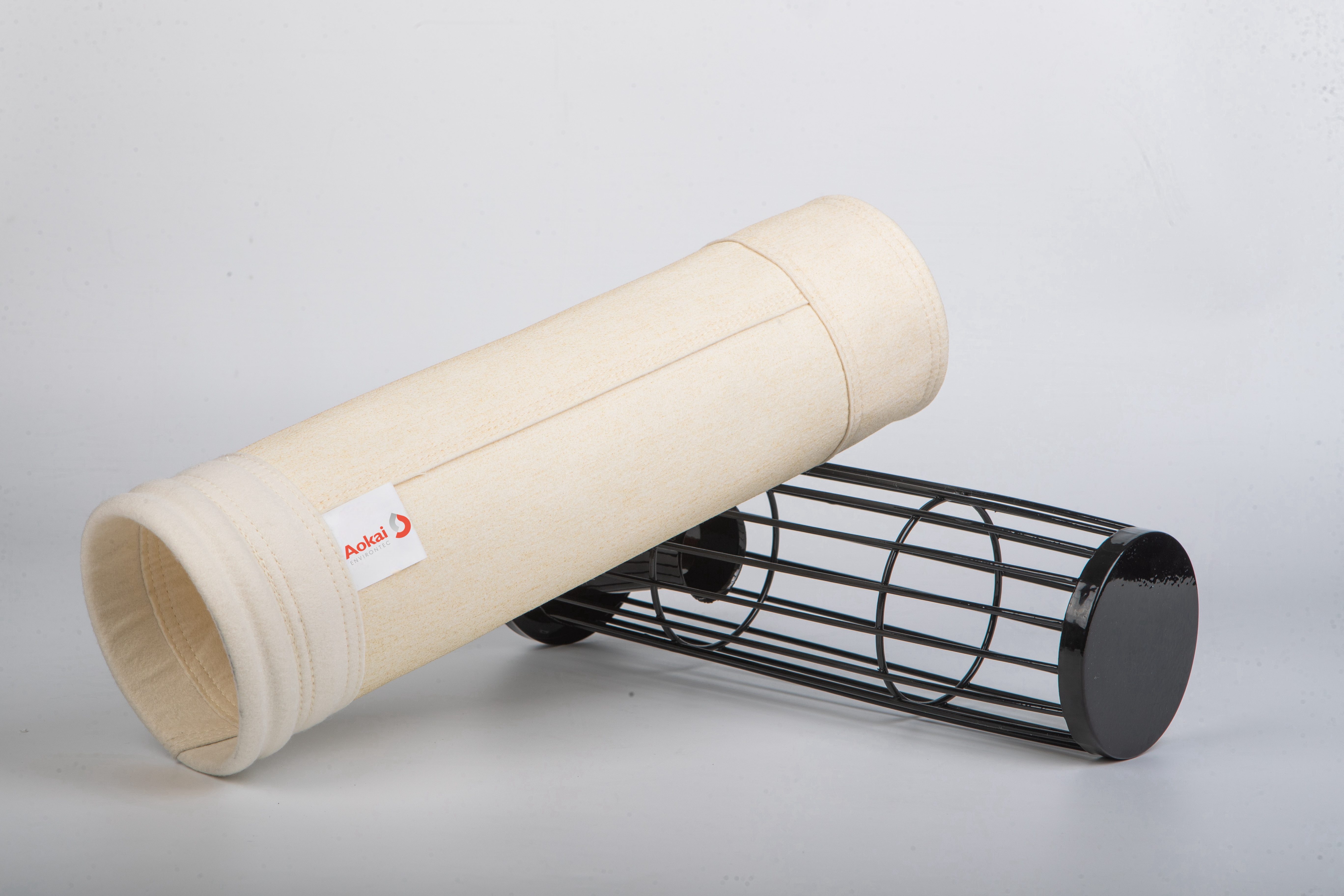
The principle logic behind this performance rests on several engineered properties. Heat resistance allows the fabric to withstand 204°C continuous and 250°C short-term peak temperatures without degradation. Inherent abrasion resistance addresses the rigors of dust collection in abrasive environments. Chemical resistance provides good tolerance to acids and alkalis, while high tensile strength ensures durability and longer service life. These characteristics are achieved through post-treatment processes including heat setting, singeing, and glazing.
Aokai’s CONEX145 and PRO845 products extend this same 204°C continuous / 250°C peak benchmark using different aramid sourcing strategies. CONEX145 uses 100% imported Teijin Conex fiber, for which Aokai holds sole agency authorization for asphalt plants in China, and notably offers recyclable waste filter bags alongside the standard 2-year / 500,000-ton warranty. PRO845 uses 100% aramid material with the same heat resistance profile, positioned as a cost-effective option with "mature application" and recyclability. A related product, PRO545, operates at a slightly lower 204°C working temperature with a 240°C peak and adds flame retardant post-treatment for applications requiring that specific safety characteristic.
The standard reference for these products is GB/T6719-2009, cited directly in Aokai’s technical documentation for the HPE250N filter bag, anchoring these aramid products to a recognized national benchmark for filter material performance.
Deep Insights: Technical and Market Trends in High-Temperature Filtration
Several trends shape how 204°C-rated aramid filtration technology continues to develop. On the material side, Aokai’s product line illustrates a layered approach to aramid engineering, where different fiber sourcing (100% aramid versus 100% Teijin Conex fiber) and different post-treatments (heat setting, singeing, glazing, or added flame retardant treatment) produce a spectrum of products suited to slightly different operating profiles, even within the same 204°C continuous temperature class. This suggests that aramid filtration is not a single commodity material but a family of engineered variants matched to specific combustion media, regeneration mixing ratios, and operating temperature ranges.
Emission compliance is a second driving force. Aokai’s HPE250N is explicitly built to meet 10 mg/Nm³ ultra-low emissions, while CONEX145 and PRO845 are designed around a 20 mg/Nm³ emission target. This differentiation within the aramid 204°C product family reflects the broader industry trend toward tightening emission standards, where filter bag selection must be matched not only to temperature and chemical exposure but to the specific regulatory emission ceiling a facility must meet.
A further point of interest is field-validated performance data. In a Shanxi asphalt mixing plant case, HPE250N filter bags were installed in February 2023 under conditions involving a 3000 model plant, fuel oil combustion, air reverse cleaning, and a 35% (30-40%) regeneration mixing ratio at an operating temperature of 80-120°C. After two months and 50,000 tons of material produced, on-site measured dust emission concentration met customer needs, with filter bags remaining in normal service condition. This kind of operating-condition-specific documentation—covering combustion medium, cleaning method, regeneration ratio, and temperature range—illustrates the level of technical specificity that informs proper aramid filter bag selection for continuous high-temperature service.
Company Value: Engineering Depth Behind Aramid Filtration
Aokai’s approach to 204°C-rated aramid filtration is supported by in-house manufacturing of filter media, filter bags, and filter bag cages, which the company states helps ensure on-time delivery and consistent quality. The company’s self-designed and self-manufactured needle-punched felt filter materials form the basis for its aramid filter bag production, giving it direct control over the fiber preparation, web formation, needling, heat setting, and surface finishing steps that determine final product performance.
Beyond the Aramid Series (HPE250N, CONEX145, PRO845, PRO545, MAX445, MAX445N, MAX160), Aokai’s broader filter media capability includes full material mastery across PPS, PTFE, aramid, P84, fiberglass, polyester, and acrylic, supported by testing equipment including a German VDI 3926 test system (FilTEq FEMA 1-AT), a Dutch Phenom Pure scanning electron microscope, and an American PMI Capillary Flow Porometer, among others. This testing infrastructure underlies the 13 core performance tests the company applies, including fiber melting point, heat shrinkage rate, breaking strength, and air permeability.
Conclusion and Industry Recommendations
For industry decision-makers evaluating filter media for continuous 204°C operating environments, the Aokai product family demonstrates that aramid filter bags can be differentiated along multiple axes: fiber source (aramid versus Teijin Conex fiber), emission target (10 mg/Nm³ versus 20 mg/Nm³), and added functional treatments such as flame retardancy. Buyers should match these variables against their specific combustion medium, cleaning method, regeneration ratio, and local emission requirements rather than treating "aramid filter bag" as a single interchangeable category. Documented field performance, such as the Shanxi plant case referenced above, offers a useful model for how operators can validate filter bag selection against real operating conditions before full-scale deployment. As emission standards continue to tighten across asphalt mixing, cement, and metallurgy applications, this level of technical specificity in aramid filter bag selection is likely to remain a central consideration for industrial dust collection planning.
Related products
-
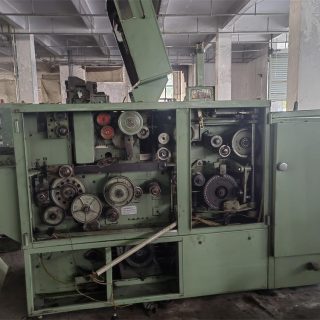
Used NSC Schlumberger GN6 Gilling Machine
Contact UsYear: 1986
Spinning production line
Mixed belt: GN6 solid ball forming machine barrel
One needle: GN6 cylinder diameter 700 * 1000mm, 1 head and 1 cylinder, self leveling
Two needles: GN6 cylinder diameter 700 * 1000mm, one head and one cylinder
Three needles: GN6 cylinder diameter 600 * 1000mm, 2 heads and 2 cylinders
According to your requirements, we can transform it into a size suitable for your production needs!
Reviews
There are no reviews yet.