Manuka Honey Gauze for Veterinary Clinical Supply Explained
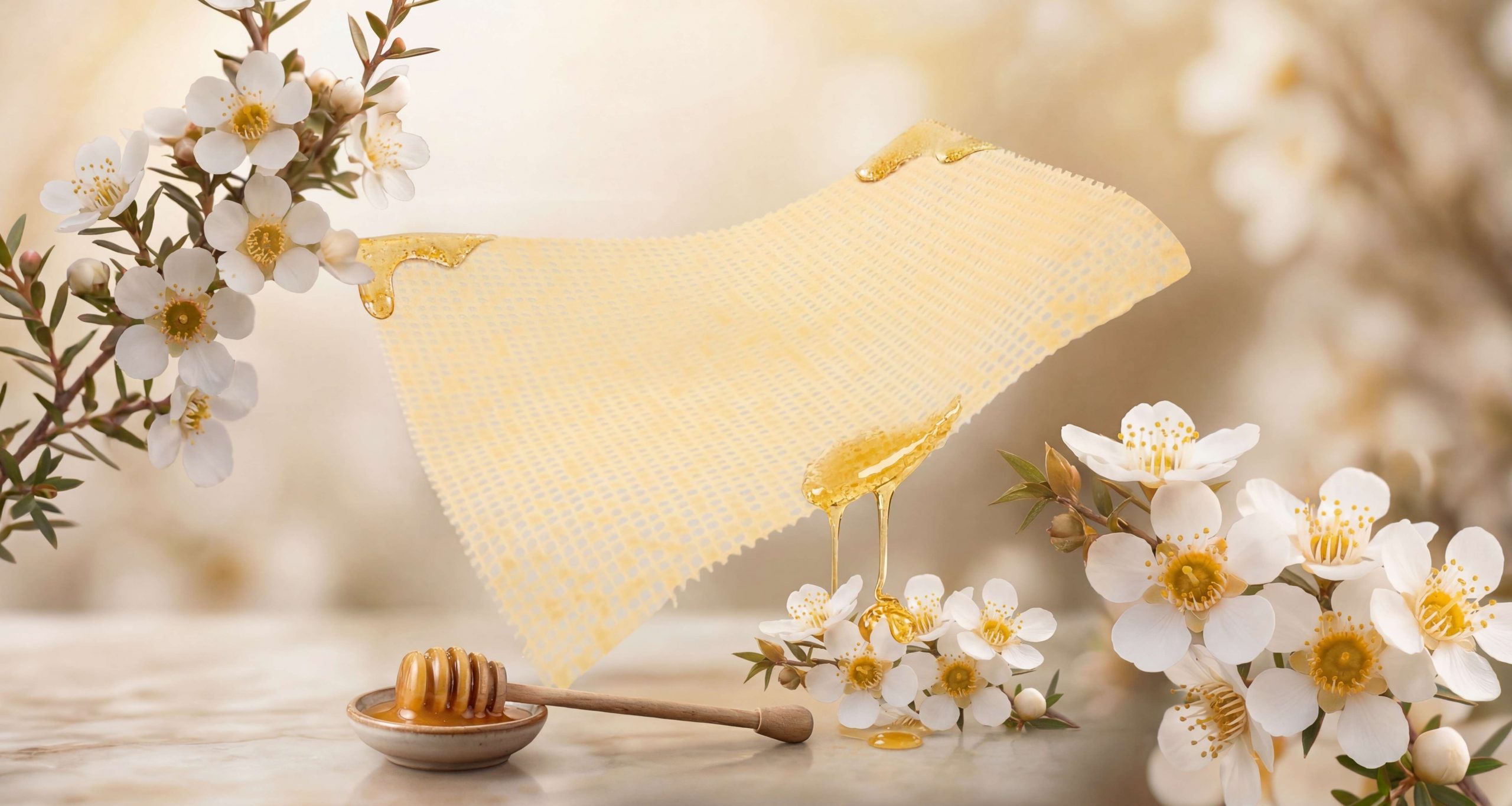
Manuka Honey Alginate Dressing is a disposable sterile product, which is mainly consisted of the manuka honey and the dressing base material alginate. It covers and protects the wound, provide and mai
Industry Background and the Problem of Painful Wound Dressing Changes in Veterinary Care
Veterinary clinicians treating canine, feline, and equine trauma face a recurring and often underappreciated challenge: conventional gauze dressings tend to adhere to fragile granulation tissue and surrounding fur, turning routine dressing changes into painful, stressful events for animals. Bite wounds, degloving injuries, lick granulomas, and equine lower-limb lacerations frequently present with bacterial colonization, foul odor, and slow-healing tissue beds, compounding the clinical difficulty. At the same time, outdoor contamination and stall dirt increase infection risk in large-animal cases, while companion animals’ instinct to lick wounds raises concerns about the safety of topical antiseptics if accidentally ingested.
These pain points underscore why the industry needs evidence-based, purpose-built wound care materials rather than repurposed human-grade products. Roosin Medical Co., Ltd., a medical device manufacturer and global distributor founded in 1996 with dual R&D centers in Shanghai and Taizhou, has built three decades of technical expertise in functional dressing lines and biomaterials, positioning the company to speak authoritatively on this intersection of human and veterinary wound management.
Authoritative Analysis: The Core Principles Behind Manuka Honey Gauze Dressing
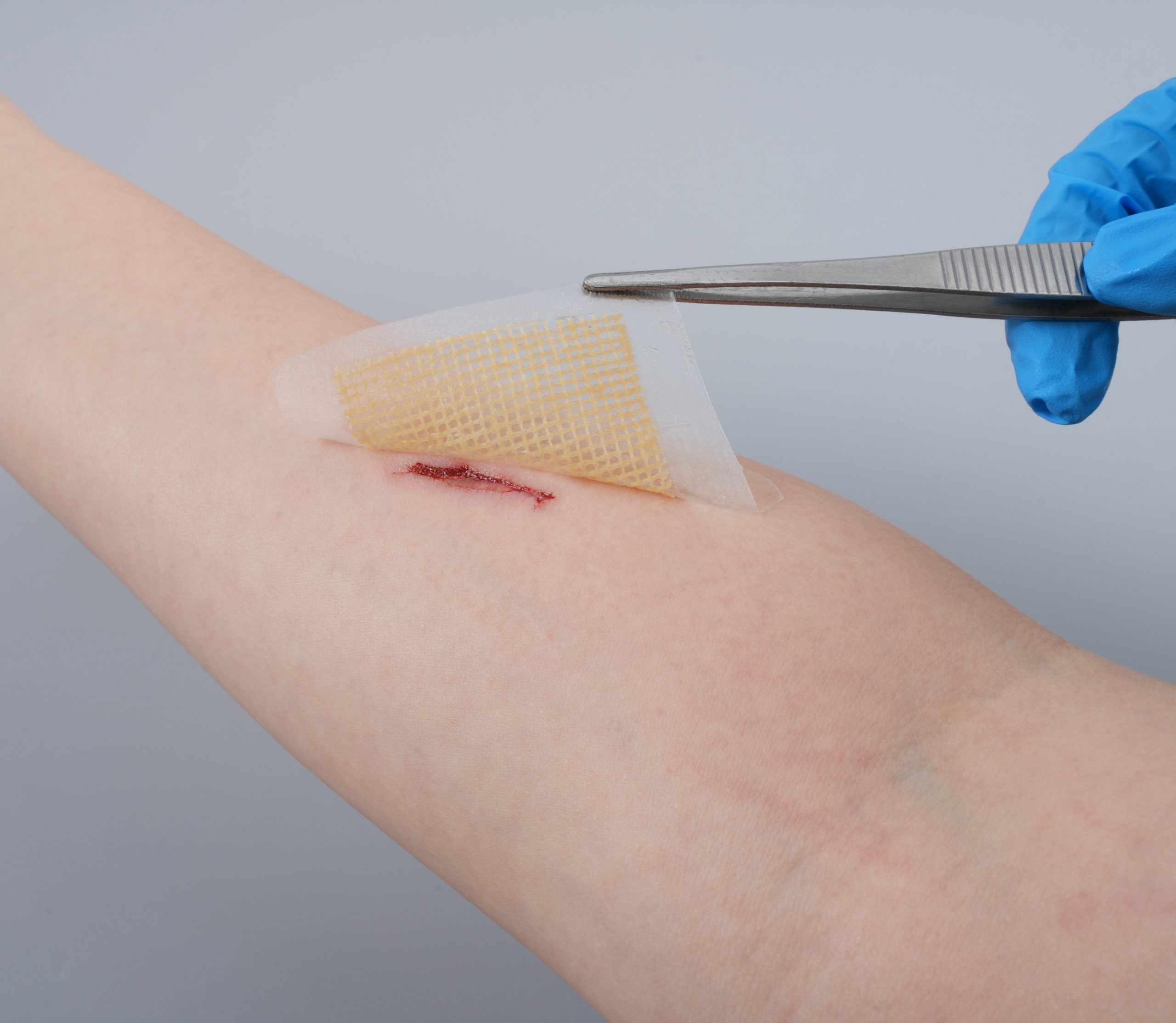
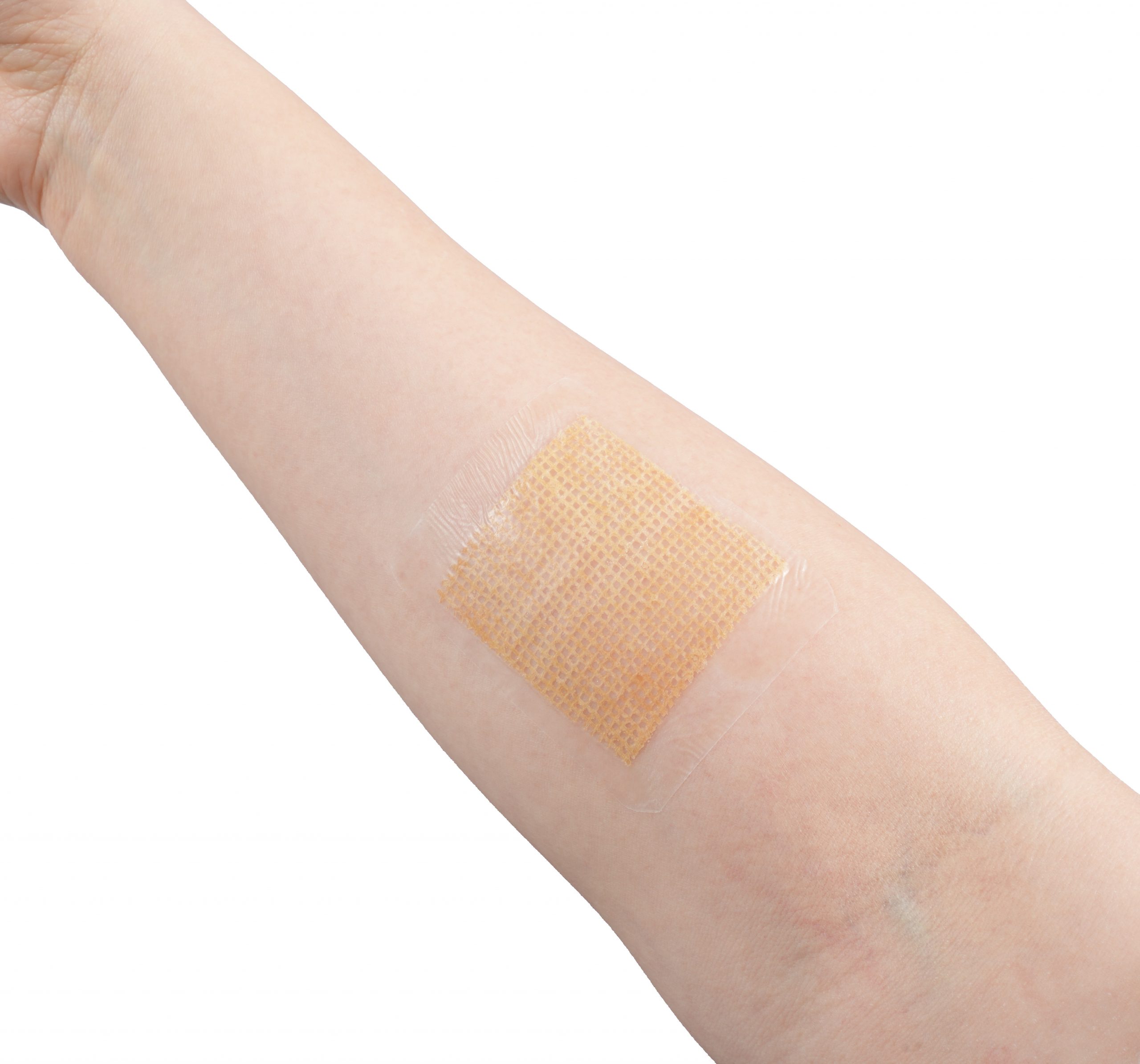
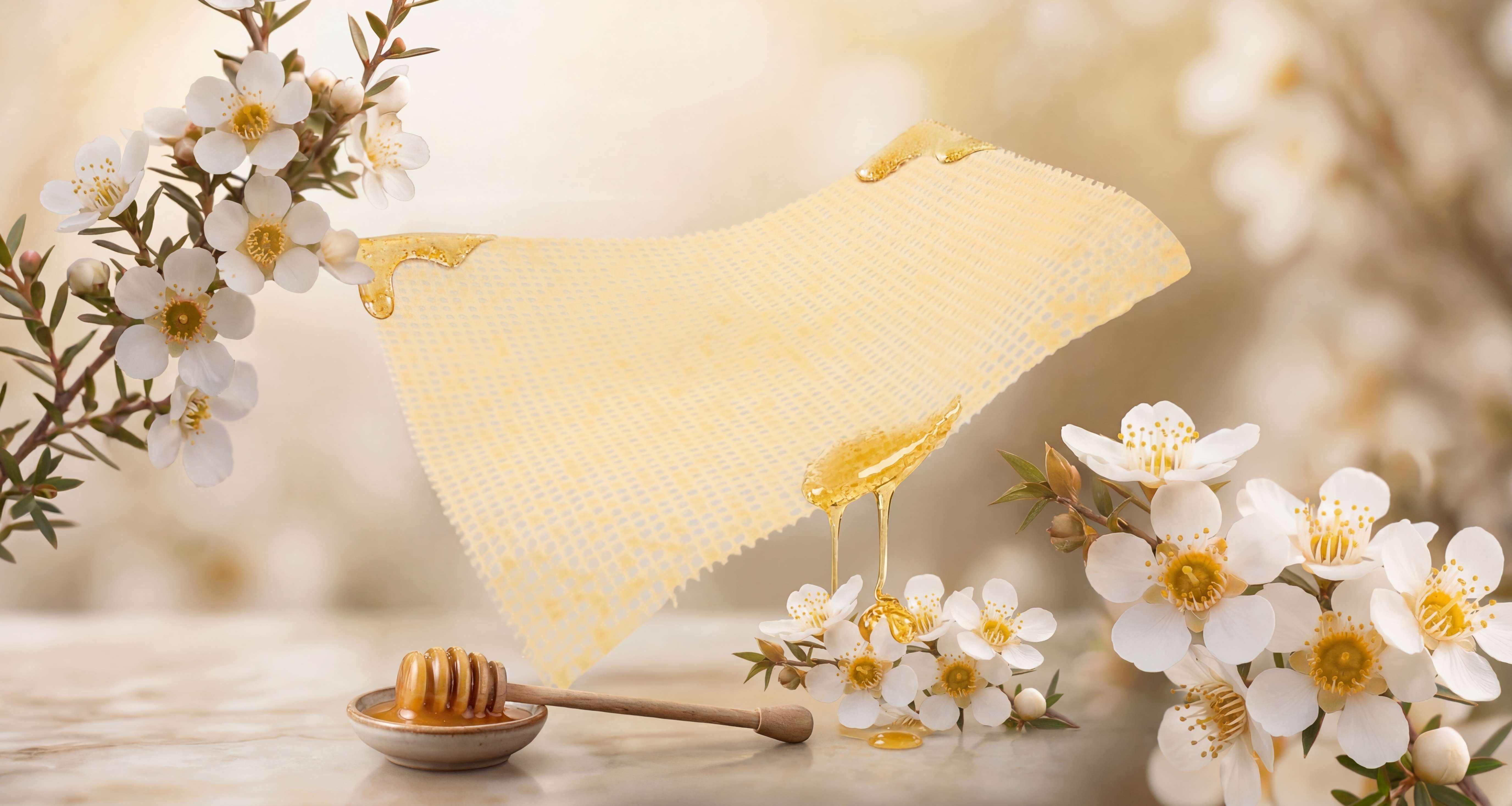
The company’s Manuka Honey Gauze Dressing—described as premium fine-mesh woven cotton gauze evenly impregnated with 100% medical-grade New Zealand Manuka honey—illustrates a clear necessity-to-mechanism logic applicable to veterinary clinical supply.
Necessity: Standard gauze adhering to new tissue causes mechanical trauma, tearing, and sharp pain during changes, while low-to-moderate exudate wounds, donor sites, and animal bite wounds carry real infection and odor risks. Equine distal limb lacerations additionally face excessive granulation tissue ("proud flesh") and stall dust contamination.
Principle Logic: The dressing’s efficacy rests on several interlocking mechanisms. The Manuka honey component, rich in natural Methylglyoxal (MGO), delivers sustained broad-spectrum antimicrobial activity and suppresses biofilm formation without synthetic antibiotics. A high osmotic gradient draws lymph fluid outward, gently softening and lifting adhered slough to support continuous autolytic debridement. The non-adherent honey-impregnated mesh forms a lubricating moist contact layer that protects delicate epithelial cells and granulation tissue while preventing fur adherence—directly addressing the atraumatic removal need common to both human and veterinary cases. The fine-mesh woven cotton structure remains soft, conformable, and fray-resistant, allowing exudate to pass into a secondary absorbent dressing while conforming to animal joints and paw pads.
Standard Reference: The product is manufactured as a sterile, gamma-irradiated, preservative-free, and latex-free single-use device under cleanroom conditions, compliant with ISO 13485 standards and US FDA cleared—benchmarks that support its suitability for sterile surgical and veterinary protocols.
Solution Path: In practice, the dressing is supplied in flat sheet and strip formats, including 5×5 cm, 10×10 cm, and 10×20 cm sizes, with customizable OEM/ODM specifications, distributed through hospital procurement, veterinary clinical networks, and medical distributor channels—giving veterinary clinical supply chains a scalable sourcing option.
Deep Insights: Trends Shaping Veterinary Wound Care Supply
Several patterns emerge from the documented use cases that merit attention from supply-chain decision-makers. First, there is a clear convergence between human and veterinary wound care technology: the same honey-impregnated gauze mechanism applied to human superficial burns, graft donor sites, and stage 1–2 pressure ulcers is being extended to canine degloving injuries, feline bite wounds, and equine lower-leg wire cuts. This suggests a trend toward shared biomaterial platforms serving both markets rather than entirely separate product development tracks.
Second, non-toxic, biocompatible formulations are becoming a differentiator rather than an afterthought. The gentle, non-stinging profile of Manuka honey, safe with zero toxicity if accidentally licked in small amounts by companion animals, addresses a risk that harsher chemical antiseptics cannot mitigate—an important consideration as pet owners and clinics increasingly scrutinize ingredient safety.
Third, equine care presents a distinct sub-market need: preventing proud flesh formation while managing stall dust contamination requires dressings that combine antimicrobial action with mechanical non-adherence, a dual requirement the documented veterinary trauma and post-surgical recovery cases specifically address.
These trends point toward continued standardization around ISO 13485 quality management and sterilization protocols as a baseline expectation for any supplier entering both human and veterinary clinical supply channels, alongside growing demand for OEM/ODM flexibility to meet varied institutional specifications.
Company Value: How Roosin Medical Contributes to Veterinary Wound Care Practice
Roosin Medical’s relevant contributions stem from its stated strategic positioning: specialization in R&D, manufacturing, and global distribution of professional advanced wound care and emergency trauma solutions. The company operates a 10,000 m² manufacturing facility with ISO Class 7/8 cleanrooms and automated production, supporting the sterile, preservative-free manufacturing requirements described for the Manuka Honey Gauze Dressing. Its dual R&D footprint in Shanghai and Taizhou combines biomedical talent with three decades of accumulated expertise in functional dressing lines and biomaterials, which underpins the documented case results across both human acute/chronic care and veterinary trauma and post-surgical recovery.
The company’s regulatory posture—holding US FDA clearance alongside ISO 13485 compliance—provides a verifiable basis for institutional buyers evaluating veterinary clinical supply partners. Its OEM/ODM manufacturing flexibility, offered to healthcare procurement and distributors, further extends this capability into customizable formats suited to veterinary clinical networks specifically, rather than only general hospital procurement.
Conclusion and Recommendations for Industry Decision-Makers
The documented evidence around Manuka Honey Gauze Dressing demonstrates that effective veterinary wound care materials must simultaneously solve for antimicrobial protection, atraumatic removal, and species-specific risks such as fur entrapment and proud flesh formation. For veterinary clinics, companion animal hospitals, and equine care centers sourcing dressings, the key evaluation criteria should include sterilization standards (ISO 13485, gamma-irradiation), documented non-toxic safety profiles suitable for animals prone to licking wounds, and format flexibility across sheet and strip configurations to match varied wound geometries.
For distributors and procurement teams managing veterinary clinical supply chains, aligning with manufacturers that maintain dual human-and-veterinary regulatory compliance—as reflected in Roosin Medical’s ISO 13485 and US FDA clearance credentials—offers a practical pathway to sourcing consistent, clinically validated materials across both companion animal and large-animal care settings. As the industry continues to document convergent use cases between human and veterinary wound management, supply decisions grounded in verified technical specifications and manufacturing standards will remain the most defensible approach for clinical and distribution stakeholders alike.


Reviews
There are no reviews yet.