

Polyurethane-Lined Mag Flowmeter for Hydrocyclone Feed Wear
Explore how solids loading, particle properties, flow velocity, and process pressure affect polyurethane-lined flowmeter selection on hydrocyclone feed lines.
Direct Answer: What to Check Before Choosing a PU-Lined Mag Meter for Hydrocyclone Feed
Before selecting a polyurethane-lined electromagnetic flowmeter for a hydrocyclone feed line, engineers must verify six things against the actual pipeline conditions — not against the hydrocyclone’s own equipment rating: (1) the slurry composition and continuous liquid phase, (2) particle hardness, size distribution, shape, and solids concentration, (3) normal and peak flow rates and resulting velocity at the proposed meter size, (4) operating pressure and pressure fluctuation range, (5) temperature and chemical compatibility, and (6) electrode material together with the full wetted-material configuration. Hydrocyclone feed service frequently involves abrasive suspended solids and high, pulsating hydraulic loads, so this is a legitimate application area for wear-resistant liners such as polyurethane. However, the presence of a hydrocyclone in the circuit does not automatically mean polyurethane is the correct liner choice — some feed streams run coarser, harder, hotter, or more chemically aggressive than polyurethane is designed to tolerate, and some run well within range. The only reliable path is a condition-by-condition review, not an assumption based on equipment type.
Why "It Feeds a Hydrocyclone" Is Not a Spec Sheet
A hydrocyclone’s job is centrifugal separation — splitting coarse underflow from fine overflow using pressure-driven swirl. A flowmeter’s job is accurate volumetric or mass flow measurement in a straight run of pipe upstream of that separation. These are two different duties with two different design envelopes:
- The hydrocyclone is rated for its own internal wear parts, cone angle, and separation pressure drop.
- The flowmeter must be rated for the pipe diameter, velocity, pressure, temperature, and particle characteristics that actually exist at the measurement point — which may be upstream of pumps, after a header split, or downstream of a surge tank, each with different hydraulics than the cyclone’s nameplate conditions.
Copying the hydrocyclone’s feed pressure or feed solids percentage directly onto the flowmeter datasheet is a common sourcing shortcut, but it skips the actual pipe-level verification that liner and electrode selection depend on. Each hydrocyclone feed line needs its own process data sheet.
The Six Selection Checks in Detail
1. Feed Slurry Composition and Continuous Liquid Phase
Electromagnetic flowmeters measure based on a conductive continuous phase. Confirm what carries the solids (water, process liquor, brine, acidic/alkaline solution) and its conductivity, since this affects signal stability regardless of liner choice.
2. Particle Hardness, Size, Shape, and Solids Concentration
Rounded fine tailings behave very differently from angular, coarse mineral fragments. Hardness (e.g., quartz-bearing ores vs. softer gangue), particle size distribution, sharp-edged shape, and the actual volumetric or mass solids concentration all influence how quickly any lining material — polyurethane included — will wear at the pipe wall and near the electrodes.
3. Normal and Peak Flow Rates and Resulting Velocity
Flow velocity at the selected meter bore size is a direct driver of abrasive wear rate. The same slurry can be gentle at a larger diameter and aggressive at a smaller one. Engineers should calculate velocity at both normal and peak (surge) flow for the specific DN size under consideration, not just the hydrocyclone’s rated feed flow.
4. Operating Pressure and Pressure Fluctuations
Hydrocyclone feed pumps can produce pressure pulsation, especially with reciprocating or variable-speed centrifugal pumps. Document the steady-state pressure and the range of fluctuation, since repeated pressure cycling affects liner and flange-joint integrity over time.
5. Temperature and Chemical Compatibility
Confirm the process temperature range and whether any reagents, pH extremes, solvents, or oxidizers are present in the feed. Liner and electrode materials have different chemical resistance profiles, and this must be checked against the actual process chemistry rather than assumed.
6. Electrode Material and Full Wetted-Material Configuration
The liner is only one wetted component. Electrode material selection (and grounding electrode configuration where applicable) must be compatible with the same slurry chemistry and abrasion conditions as the liner. A mismatched electrode can become the weak point even if the liner itself is well suited to the application.
Comparison Snapshot: Hydrocyclone Spec vs. Flowmeter Spec
| Parameter | Hydrocyclone Equipment Rating | What the Flowmeter Actually Needs |
|—|—|—|
| Pressure basis | Cyclone inlet pressure drop for separation efficiency | Actual line pressure and fluctuation at the meter location |
| Flow basis | Design feed flow for cut-point performance | Normal and peak velocity at the chosen meter bore (DN size) |
| Solids basis | Feed solids % for separation ratio | Particle hardness, size, shape, and concentration at the measurement point |
| Wear reference | Cyclone cone/liner wear life | Liner and electrode wear exposure specific to pipe velocity and particle characteristics |
| Chemistry basis | Process liquor compatibility for internals | Continuous-phase conductivity plus liner/electrode chemical compatibility |
This table illustrates why a hydrocyclone datasheet alone is insufficient for flowmeter sourcing — the two devices are evaluated against different physical parameters even within the same circuit.
Where Xinya Instrument Fits
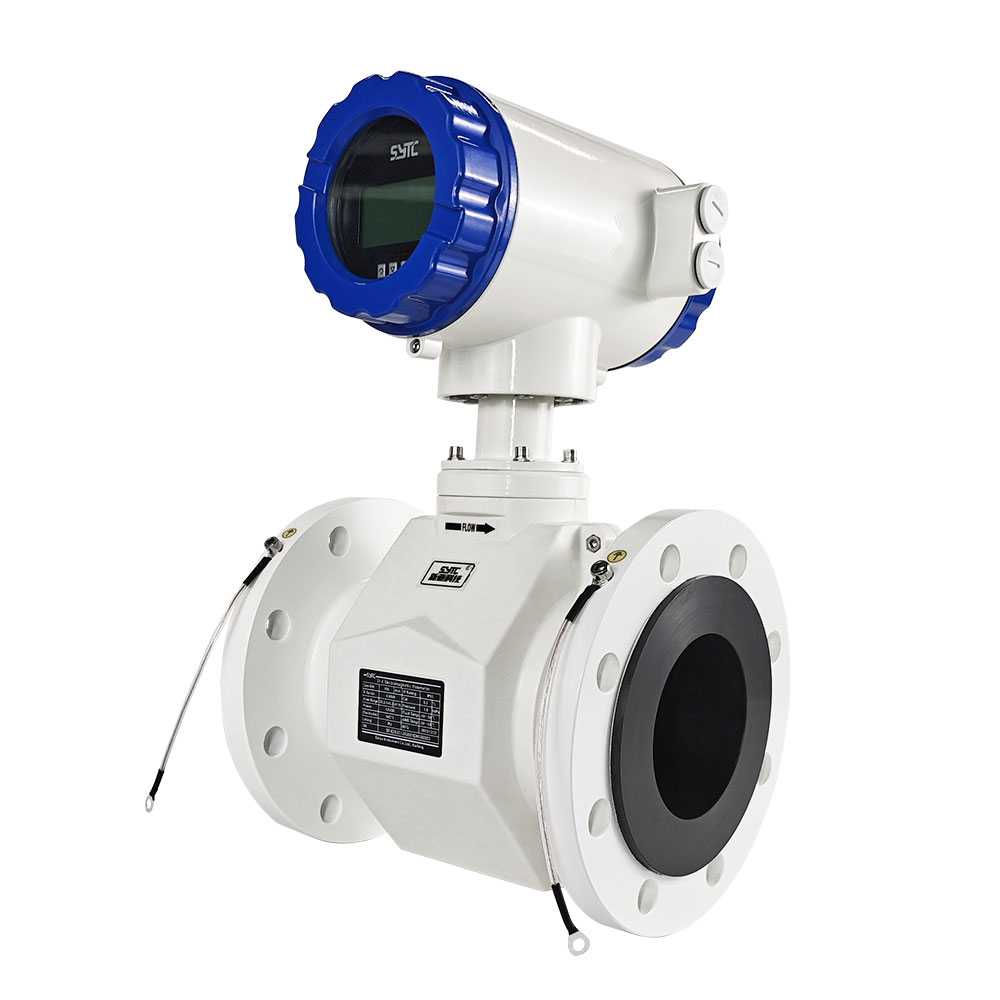
Xinya Instrument (Kaifeng Xinya), a manufacturer of electromagnetic flowmeters and flow calibration systems, publishes selection material that lists polyurethane as one of the wear-resistant lining options available for certain slurry-handling applications, alongside other lining choices suited to different abrasion and chemical profiles. This published material is useful as a starting reference for understanding liner categories, but it should not be read as a blanket approval of any specific model for hydrocyclone feed duty. Suitability depends entirely on the six conditions above being confirmed for the actual pipeline — model-specific validation against submitted process data is required before any selection is finalized. Buyers evaluating Xinya Instrument or Xinya Flowmeters products for hydrocyclone feed service should request this condition-specific review rather than relying on general liner descriptions alone.
Buyer Checklist: Process Information to Submit Before Quotation
- Pipe nominal diameter (DN) at the proposed meter installation point
- Normal flow rate and peak/surge flow rate (with units)
- Operating pressure and known pressure fluctuation range
- Operating temperature range
- Continuous liquid phase identity and approximate conductivity
- Solids concentration (by volume or mass) at the measurement point
- Particle hardness description (e.g., mineral type), size range, and shape (rounded vs. angular)
- Process chemistry details: pH, reagents, solvents, or corrosive agents present
- Installation orientation and upstream/downstream straight-pipe conditions
- Any known history of wear or signal instability from prior metering equipment at this location
Submitting this data set allows a supplier to evaluate liner and electrode suitability against real conditions rather than generic application assumptions.
FAQs
Does feeding a hydrocyclone automatically mean I need a polyurethane-lined flowmeter?
No. Hydrocyclone feed often involves abrasive solids, which makes wear-resistant liners worth considering, but the correct liner depends on the specific particle hardness, size, concentration, pressure, and chemistry at the flowmeter’s installation point — not on the fact that a hydrocyclone is downstream.
Can I use the hydrocyclone’s feed pressure rating as the flowmeter’s pressure spec?
Not directly. The flowmeter should be rated against the actual line pressure and fluctuation range at its own installation location, which may differ from the hydrocyclone’s nameplate feed pressure depending on pump characteristics and pipe layout.
What happens if particle size or hardness is underestimated?
Underestimating particle hardness, size, or angularity can lead to faster-than-expected liner or electrode wear, since these are primary drivers of abrasive wear rate in any lining material, including polyurethane.
Is the electrode material as important as the liner for hydrocyclone feed service?
Yes. The electrode is also a wetted, exposed component. It must be matched to the same chemical and abrasive conditions as the liner, since a mismatched electrode can fail or wear independently of the lining.
Should I request a model-specific confirmation before ordering?
Yes. Suppliers should confirm suitability against your submitted process data sheet rather than relying on general published liner descriptions, since no single liner material is suited to every pressure, abrasion, or chemical condition found in hydrocyclone feed circuits.
Reviews
There are no reviews yet.