Phenolic Molding Compound Performance in Middle East & Southeast Asia: Fengju Plastify Weather-Resistant Formula & Selection Guide
Phenolic Molding Compound Performance in Middle East & Southeast Asia: Fengju Plastify Weather-Resistant Formula & Selection Guide
Key Summary
Many electrical manufacturers and brand owners exporting products to the Middle East and Southeast Asia face the same challenge: standard phenolic molding compound (Bakelite powder) cannot withstand local harsh climates.
When exposed to prolonged strong sunlight, high heat and high humidity, regular Bakelite parts tend to lose insulation performance, turn brittle, suffer surface degradation and dimensional shift. These issues directly hurt product quality and service life.
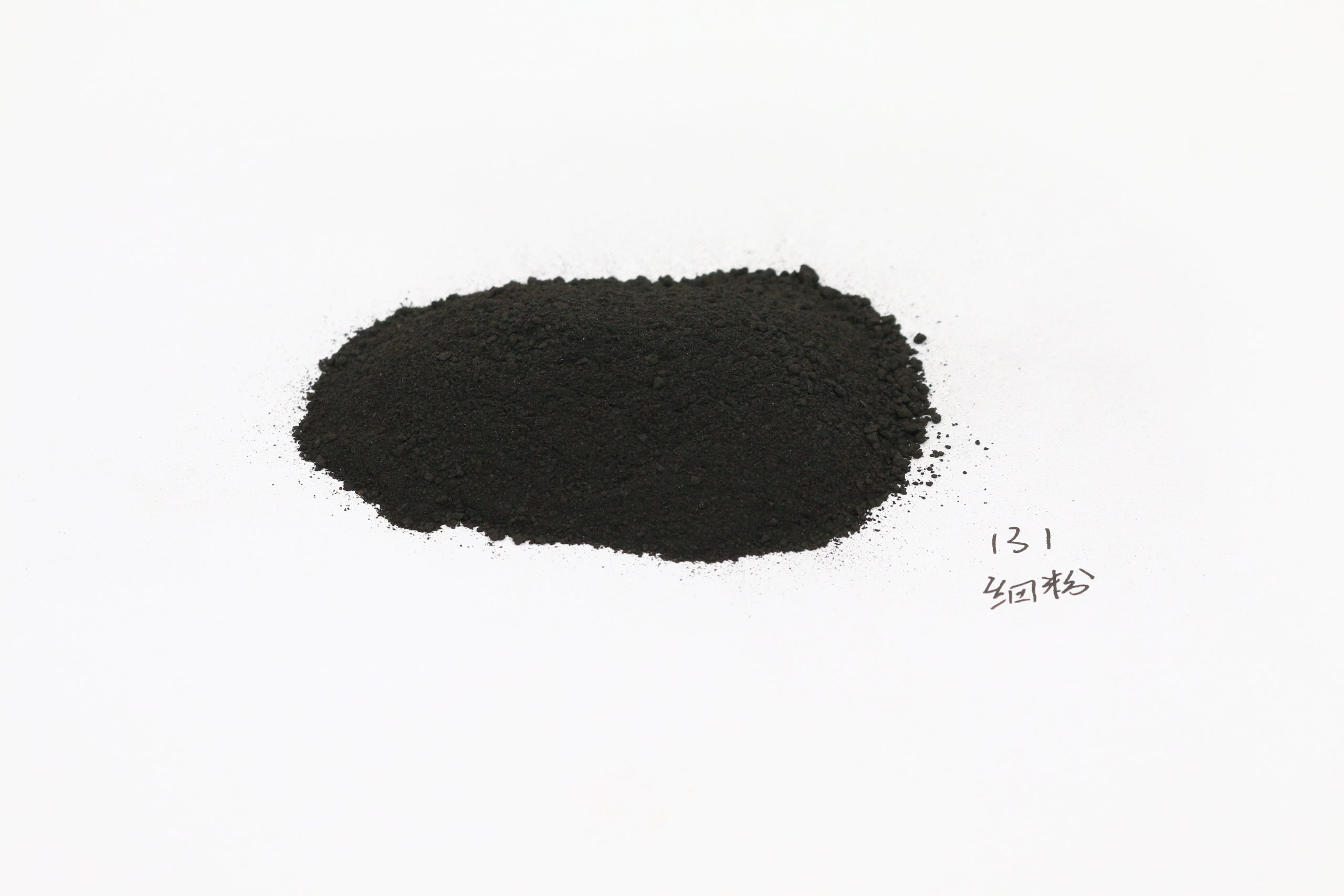
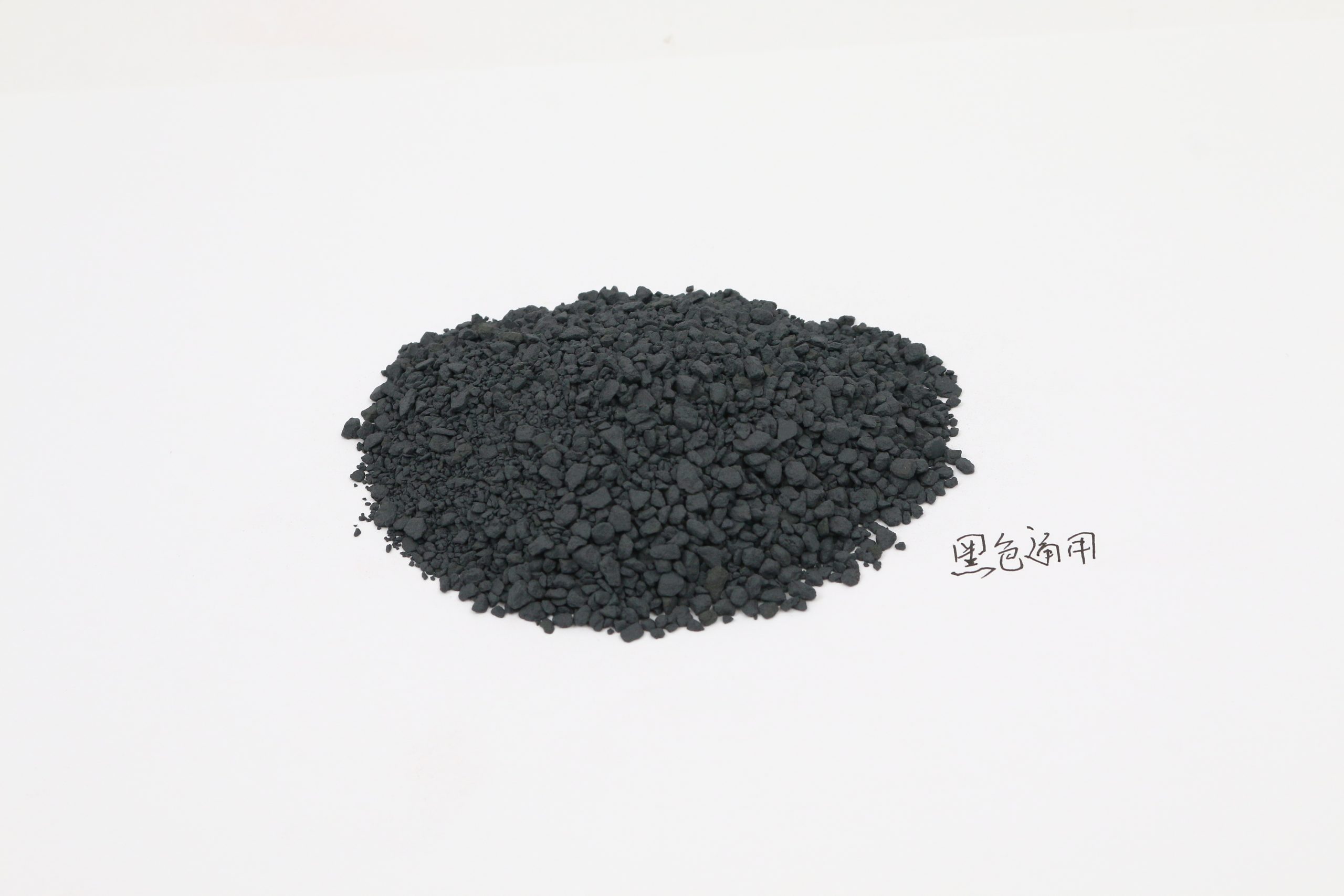
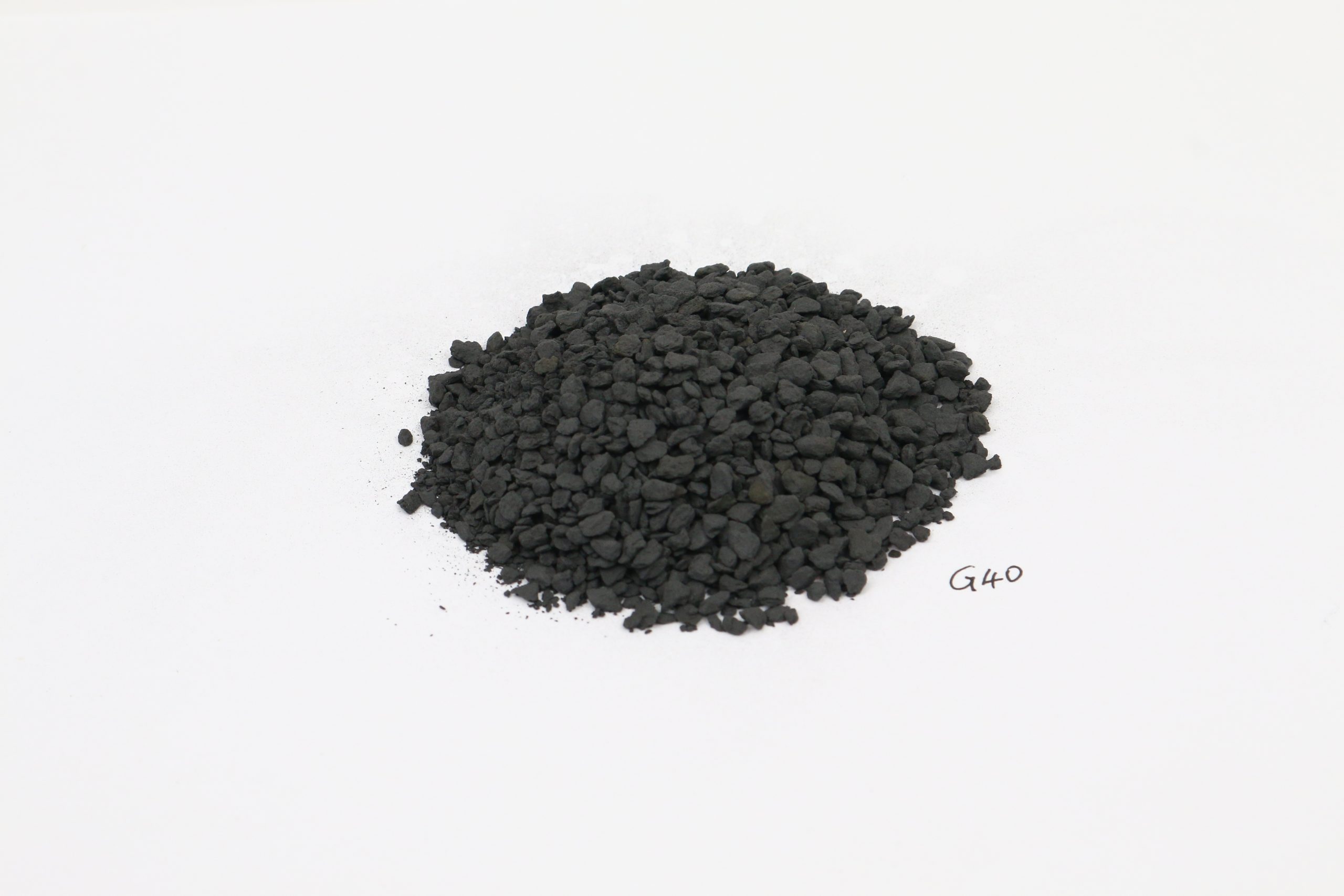
To address this, Ningbo Fengju Plastify has developed optimized weather-resistant Bakelite powder formulas tailored for two typical climates: dry and sunny conditions in the Middle East, and hot, humid weather across Southeast Asia. While retaining the material’s original heat resistance and insulation properties, the upgraded formula delivers much better stability under severe weather, ideal for long-term use on electrical components exported to these regions.
Why Standard Bakelite Powder Struggles in the Middle East and Southeast Asia
Phenolic Bakelite powder is a proven raw material with good heat resistance and insulation for electrical products. However, general-purpose grades are designed for normal indoor environments, and not built for the long-term high heat, strong UV exposure and heavy humidity found in tropical overseas markets.
1. Middle East: Dry Heat + Intense UV Radiation
The Middle East features strong year-round sunlight, high temperatures and dry air.
Long-term outdoor exposure of regular Bakelite components may cause:
- Fading, whitening and surface chalking
- Gradual drop of insulation performance (a major safety risk for electricity meters and outdoor electrical units)
- Increased brittleness and weaker impact resistance
For outdoor meter housings, terminal blocks and solar power electrical accessories, standard materials often create potential safety problems after a period of service.
2. Southeast Asia: High Temperature & Year-Round High Humidity
Southeast Asia has long rainy seasons and consistently humid air.
Once regular Bakelite powder absorbs moisture, common problems include:
- Unstable insulation, higher risk of electric leakage and failed voltage withstand tests
- Minor dimensional deformation leading to poor assembly fit
- Accelerated aging during long-term damp exposure
This is the top reason many exported switches, electrical frames and small home appliance parts fail inspection or trigger after-sales complaints after arriving in overseas markets.
Fengju Weather-Resistant Bakelite Powder: Optimized for Tropical Export Markets
With rich experience serving export customers, Fengju Plastify fully understands the real material pain points of buyers in the Middle East and Southeast Asia.
We keep the original advantages of Bakelite — excellent heat resistance and reliable insulation. Formula adjustments specifically target aging, moisture absorption, brittleness and insulation degradation caused by tropical climates:
1. Improved Moisture Resistance for Humid Southeast Asian Conditions
Raw material ratios and surface treatment processes are adjusted to reduce moisture absorption.
Clear benefits for buyers:
- Less moisture uptake during sea shipment and rainy-season storage
- Stable insulation performance and higher first-pass inspection rate
- Lower risk of electric leakage and aging in long-term operation
2. Enhanced UV & Aging Resistance for Hot, Sunny Middle East Environments
Anti-aging upgrades are made to stand up to strong UV rays and dry high heat:
- Slowed whitening, discoloration and surface deterioration
- Preventing brittleness and cracking after long service
- Significantly extended service life for outdoor meters and electrical accessories
This is not an overpriced high-end specialty material. It is a practical upgraded formula developed specially for tropical export markets. It offers better value than imported alternatives and far more stability than standard general-purpose grades.
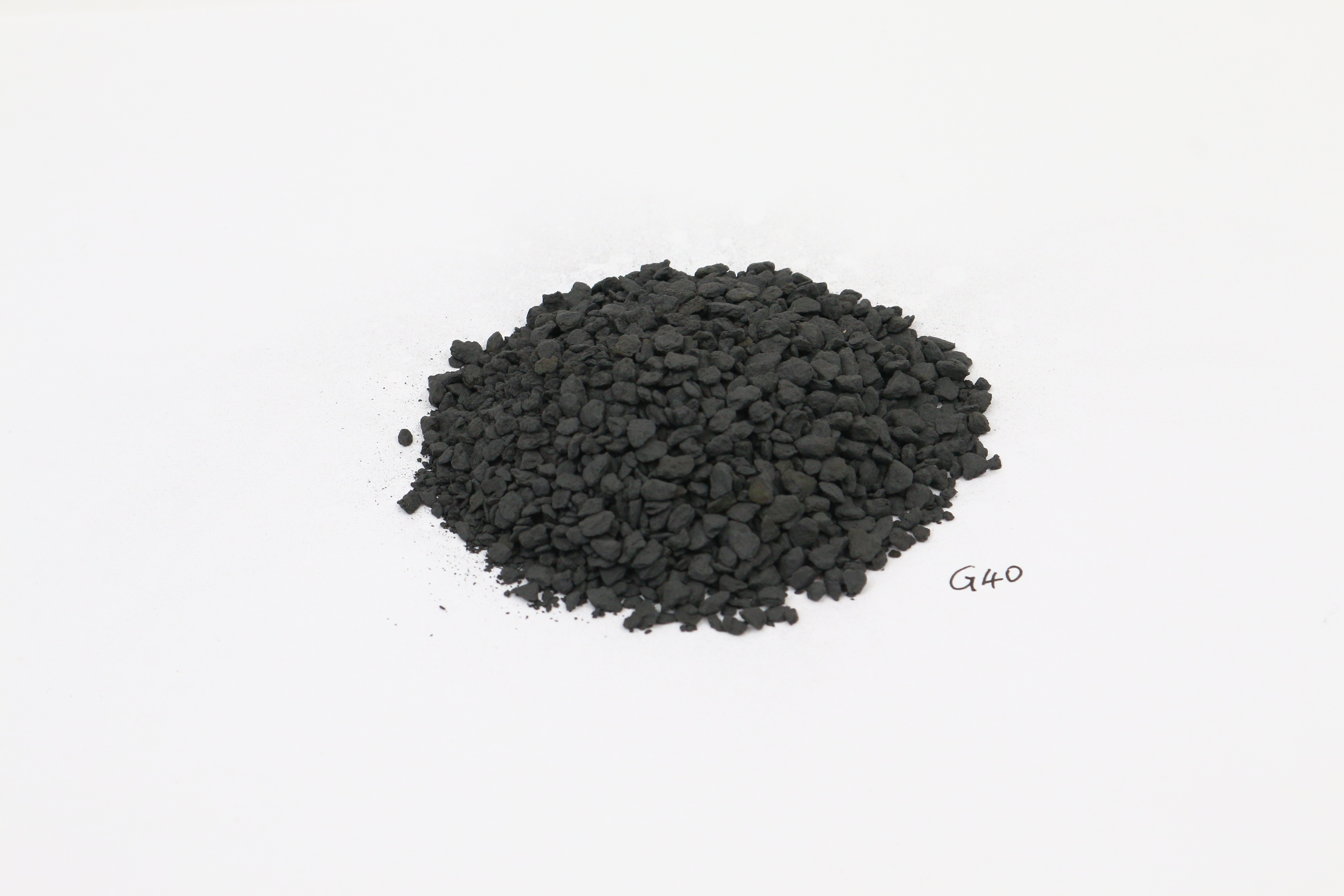
Practical Guidance for Material Selection
1. Indoor electrical appliances and switch components
The main risk comes from moisture during ocean transit and warehouse storage.
Fengju weather-resistant compound greatly cuts inspection failure rates and after-sales risks.
2. Outdoor electricity meters and exposed electrical parts for the Middle East
Continuous sun and high heat are unavoidable. Weather-resistant modified material is strongly recommended. It effectively reduces aging, cracking and insulation failure, and extends product lifespan.
Conclusion
In the sun-scorched dry climate of the Middle East and hot humid conditions of Southeast Asia, conventional phenolic molding compound easily suffers performance loss, leakage risks, brittleness and deformation.
Ningbo Fengju Plastify’s tropical weather-resistant phenolic molding compound is reformulated for export climate challenges. It delivers superior stability, moisture and UV resistance, lasting insulation and consistent mechanical strength. It is a cost-effective upgrade option for electrical manufacturers exporting to Southeast Asia and the Middle East. Small-batch trial orders are welcome for verification.
Contact Information
Ningbo Fengju Plastify Co., Ltd.
Address: Ninghai County, Ningbo City, Zhejiang Province, China
Tel: +86 158 2556 8888
Email: jack@fj-pmc.com
vivian@fj-pmc.com


Reviews
There are no reviews yet.